
Do Bearded Dragons Bite? (And Why They Might Bite You)
Published on: March 23, 2026 | Last Updated: March 23, 2026
Written By: Beardie Joe
If you’ve ever worried about your bearded dragon chomping down on your finger, you’re asking a really common and valid question.
I’ve cared for many bearded dragons over the years, and I’m here to share my hands-on experience to put your mind at ease and help you understand your scaly friend.
I’ll walk you through the top reasons a bite might happen, how you can prevent it, and the best way to react if it does.
Common Reasons Why Bearded Dragons Bite
In my years of sharing my home with these incredible reptiles, I’ve learned their bites are almost always a form of communication, not an act of malice. They bite to tell us something is wrong in their world, and it’s our job to listen.
Fear and Stress Triggers
Imagine being a small creature and a giant hand descends from the sky. It’s terrifying! Bites from fear are a defensive reflex.
- Sudden Movements: Quick, jerky grabs are a major no-no. Always approach your dragon slowly and from the front where they can see you.
- Improper Handling: Reaching from above (like a predator would) or handling them before they are fully awake can startle them into a defensive nip.
- New Environments: A recent move to a new home or even a new item in their tank can be super stressful. Give them time to adjust without forcing interaction.
- Loud Noises and Vibrations: I learned this the hard way with my first dragon, Puff. Loud music or slamming doors would make him skittish for hours.
Hunger and Food Aggression
This is one of the most common reasons for a bite, and it’s usually our fault! Their eyesight isn’t the best when it comes to distinguishing fingers from food.
- Mistaken Identity: If your fingers smell like juicy worms or sweet fruit, you might look like a tasty snack. Always wash your hands before and after handling.
- Feeding by Hand: While it can build a bond, consistently hand-feeding can teach them that your hand equals food. Use feeding tweezers for most meals.
- Insufficient Diet: A dragon that isn’t getting enough to eat might become more “snappy” and opportunistic. Ensure you’re providing the correct amount and variety of food for their age.
Territorial and Defensive Behavior
Even the most docile beardie has boundaries. They are solitary creatures by nature and value their personal space.
- Tank Aggression: Some dragons view their enclosure as their sacred castle. They may be more likely to display or bite when you reach into their space, a behavior known as cage aggression.
- Mating Season Hormones: During breeding season, males especially can become more territorial and aggressive. Their tolerance for handling can drop significantly.
- Seeing Their Reflection: If they can see their reflection in the glass of their tank, they may think it’s another dragon challenging them. This constant stress can put them on edge.
How Severe Is a Bearded Dragon Bite?
Let’s be real for a second. The thought of any animal bite is unsettling. But with bearded dragons, the reality is far less dramatic than our imaginations. So, is a bearded dragon the right pet for you? Here’s a candid look at its pros and cons.
An adult bearded dragon has a surprisingly strong jaw meant for crunching hard-shelled insects. A full-force bite from a large adult can certainly break the skin and cause a sharp, pinching pain. It will likely bleed a little and be sore for a bit, similar to a bad pinch, but it won’t cause any serious injury.
However, most bites, especially from juveniles or startled adults, are quick warning nips. These feel more like a hard pinch and rarely break the skin. The initial shock is often worse than the actual pain.
| Bite Type | What It Feels Like | Typical Aftermath |
|---|---|---|
| Warning Nip | A quick, surprising pinch | Maybe a minor red mark that fades quickly |
| Full Bite (Adult) | A sharp, strong pressure that can puncture skin | Minor bleeding, small puncture wounds, soreness |
The most important thing to know is that bearded dragons are not venomous. They do not carry venom or poison in their bite. The primary risk is a standard bacterial infection, just like with any small cut.
What to Do If You Are Bitten
- Stay calm and do not yank your hand away. This can cause more damage to their tiny teeth and your skin.
- Gently place your other hand on their head and slowly pry their mouth open from the side. A drop of water on their nose can sometimes make them release.
- Once free, calmly place your dragon back in their enclosure.
- Wash the wound thoroughly with soap and warm water. Apply an antibiotic ointment and a bandage.
From my experience, the bite itself is over in seconds. The real impact is the emotional sting of realizing you’ve scared or stressed your pet. It’s a powerful reminder to be more mindful of their needs and communication signals.
What to Do Immediately After a Bite
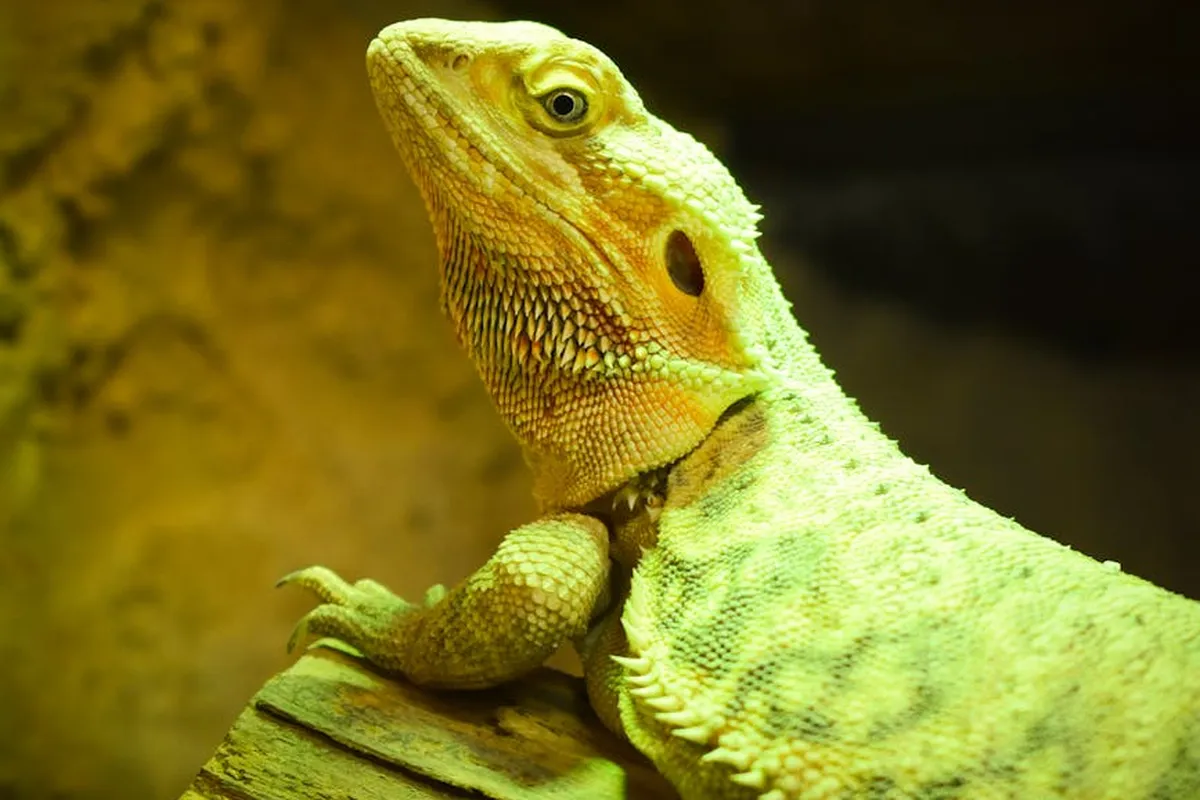
Getting bitten can be a shock, but staying calm is your first and most important step. Your reaction now sets the tone for your future interactions. I’ve found that a gentle, measured response helps prevent your beardie from becoming more frightened.
Cleaning and Caring for the Wound
A bearded dragon bite is usually more of a pinch than a severe injury. Their teeth are small and designed for gripping insects, not tearing flesh. From a dental-anatomy standpoint, bearded dragons have small, pointed teeth aligned along the jaws to grip—and quickly release—prey. This structural design explains why their bite is usually a pinch rather than a deep laceration. Even so, you must treat any break in the skin properly.
Here is my immediate care routine, straight from my own reptile first-aid kit:
- Gently encourage your dragon to release its grip if it’s holding on. Do not pull! A drop of water on its snout can sometimes surprise it into letting go.
- Wash the wound thoroughly with warm water and mild soap for at least one full minute.
- Apply firm, direct pressure with a clean cloth to stop any minor bleeding.
- Pat the area dry and apply an over-the-counter antibiotic ointment.
- Cover the bite with a clean bandage to protect it from bacteria.
Proper cleaning is non-negotiable because a dragon’s mouth, like any animal’s, can harbor bacteria that may lead to an infection. I always keep my tetanus shot up to date because of my work with animals, and it’s a good general practice for any pet owner.
When to Seek Professional Help
Most bites are superficial and heal quickly with basic care. However, you need to recognize the signs that warrant a doctor’s visit.
- The bleeding is heavy and does not stop with direct pressure after 10-15 minutes.
- The bite is deep, the skin is badly torn, or you suspect damage to a tendon or bone.
- You see signs of infection setting in: increasing redness, swelling, warmth, pus, or red streaks spreading from the wound.
- You develop a fever or feel generally unwell after the bite.
- Your last tetanus shot was more than five years ago.
It’s always better to err on the side of caution and see a medical professional if you have any doubts about the severity of the bite. Your health is the top priority.
Effective Ways to Prevent Bites
Prevention is all about understanding, patience, and building a bond of trust with your scaly friend. The vast majority of bites are avoidable when you learn to speak your dragon’s language.
Proper Handling and Socialization Techniques
Think of handling as a conversation, not a command. Forcing interaction is a surefire way to get a defensive nip. From my years of taming skittish rescues, I follow a simple, slow philosophy.
- Always approach from the front and below their line of sight. A giant hand descending from above looks like a predator.
- Move slowly and deliberately. Let them see your hand coming before you attempt to pick them up.
- Scoop them up from below, supporting their entire body and all four legs. Never grab from above.
- Start with short, positive handling sessions of just 5-10 minutes a day. Gradually increase the time as they become more comfortable.
- Associate your hand with good things. Offer a favorite treat like a piece of berry from your palm.
The goal is to make your presence a source of security and positive experiences, not stress. If your dragon puffs its beard, opens its mouth (gaping), or turns dark, it’s saying “I’m not comfortable.” Listen to that and give them space. Learning to spot these stress signs helps reduce their anxiety. When you pause and give them space, you reinforce a sense of security.
Creating a Low-Stress Environment
A stressed dragon is a defensive dragon. Their enclosure is their entire world, and it’s our job to make it a sanctuary. Many behavioral issues, including biting, stem directly from environmental stress. To help with this, a calm stressed bearded dragon guide focuses on de-stressing your pet with consistent routines and gentle handling. Small, targeted changes can make a big difference in their mood and behavior.
- Ensure your tank is the correct size. An adult needs a minimum of a 120-gallon enclosure to feel secure and have its own territory.
- Provide plenty of hiding spots and visual barriers. They need places to retreat and feel completely safe.
- Place the tank in a quiet part of your home, away from constant foot traffic, loud TVs, and other pets that may stare at them.
- Double-check your temperatures and UVB lighting. Incorrect basking spots or a lack of proper UVB can cause chronic stress and illness.
- Never house two bearded dragons together. Cohabitation is a massive source of stress, competition, and injury.
A calm, correctly set-up habitat addresses the root cause of so many behavioral problems before they even start. I’ve seen aggressive dragons completely transform into docile pets simply by upgrading their living situation and reducing their daily stressors.
Understanding Bearded Dragon Body Language
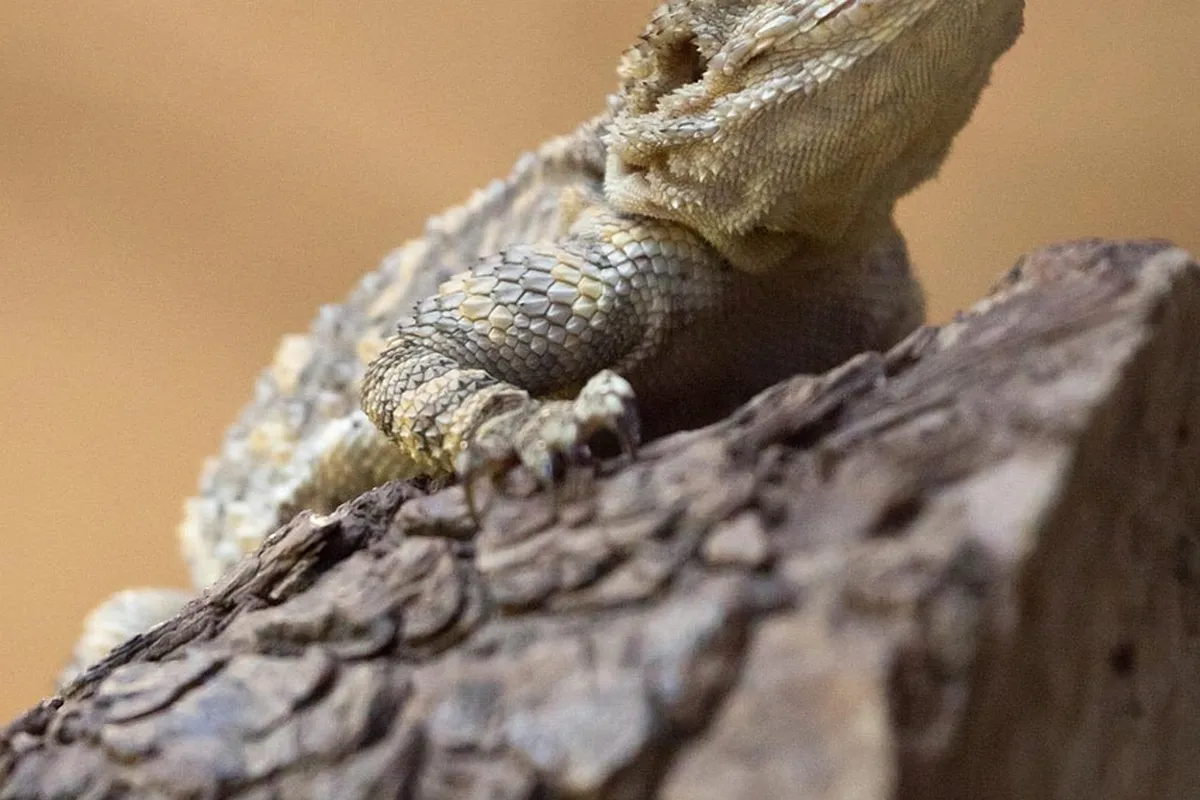
Your bearded dragon is talking to you all the time, just not with words. Learning their visual cues is your best defense against a surprise nip and the key to a stronger bond. When they fix their gaze on you, it’s usually curiosity or assessment rather than aggression. Read that stare alongside other signals—head bobbing, beard color, and body posture—to interpret their behavior and respond accordingly.
I’ve spent countless hours just watching my dragons, and their communication is actually quite clear once you know the signs.
Signs of Stress or Aggression
Watch for these signals. They mean your dragon is feeling threatened or uncomfortable and wants space.
- Black Beard: This is the big one. A beard that darkens to jet black is a major sign of stress, fear, or agitation. If you see a black beard, it’s a clear “back off” signal.
- Gaping (Open-Mouth): They’ll sit with their mouth wide open. This isn’t a yawn; it’s a warning display to make themselves look bigger and more intimidating.
- Flattened Body: They will pancake their body against the ground to appear larger. Combined with a black beard, this is a serious “I feel threatened” posture.
- Hissing: A low, quiet hiss is a vocal warning. Heed it immediately.
Signs of Curiosity or Food Excitement
Sometimes, what looks like aggression is just intense focus, usually on food. This is a common cause of mistaken-identity bites.
- Head Bobbing: A quick, jerky up-and-down movement of the head. This can be a sign of dominance or excitement, especially around feeding time.
- Intense Staring: They will lock their eyes onto a target-often your moving finger if it smells like food.
- Puffed, But Not Black, Beard: A slightly puffed, normal-colored beard can just mean they are excited or stimulated, often by the prospect of a tasty snack.
The most important thing is to look at the whole picture, not just one signal. A puffed beard with a focused stare at a cricket is very different from a black beard with a flattened body when you reach into the tank.
Biting Differences: Juveniles vs Adults
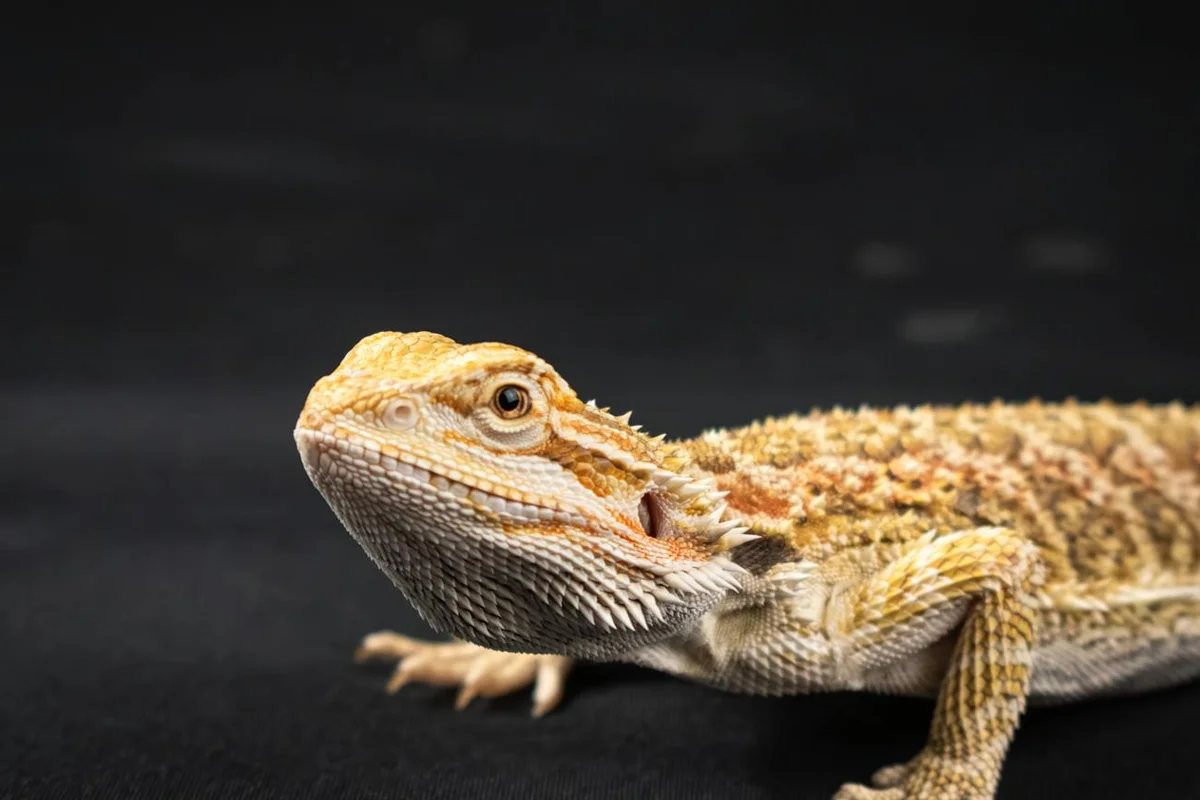
Not all bites are created equal. The reason behind the bite often changes dramatically as your dragon grows up.
Why Juvenile Bearded Dragons Bite
Baby and juvenile bearded dragons are like tiny, scaly toddlers. Their world is all about exploration and food.
- Mistaken Identity (The #1 Reason): Juvenile dragons have lightning-fast reflexes and are always in “hunt mode.” If your wiggling finger resembles a worm, they will strike first and ask questions later. This is the most common type of bite from a young dragon, and it’s almost never aggressive.
- Nervousness: The world is big and scary when you’re only a few inches long. A quick, defensive bite can be their reaction to a sudden movement or a new, intimidating hand.
- Testing Boundaries: They are learning about their environment, and sometimes that means testing things with their mouth.
The bite from a juvenile is usually more of a surprise than painful. It feels like a quick, hard pinch.
Why Adult Bearded Dragons Bite
Adult bites are less frequent but often have more deliberate intent. They’ve usually outgrown the “everything is food” phase.
- Handling Stress or Fear: An adult that wasn’t socialized properly may bite out of sheer terror when picked up. This is a sad situation that requires patience to fix.
- Territoriality: This is more common in males, especially during breeding season. They may see your hand as an intruder in their space.
- Pain or Discomfort: This is a critical one to understand. If a normally docile adult suddenly bites, your first thought should be that they are in pain. An injury, internal issue, or even rough handling can trigger a reactive bite.
- Food Aggression: Some adults get very excited and possessive during feeding and might snap at a hand that gets too close to their prey.
An adult bite has more jaw strength behind it and can sometimes break the skin. It demands more attention to the underlying cause.
Frequently Asked Questions
How painful is a bearded dragon bite?
Most bites feel like a quick, hard pinch that is more startling than painful and rarely breaks the skin. A full-force bite from a large adult can be a sharp, strong pinch that may cause minor bleeding and soreness.
Are bearded dragons naturally aggressive animals?
No, bearded dragons are not naturally aggressive. Biting is almost always a form of communication driven by fear, stress, hunger, or territorial instinct, not inherent malice. If your bearded dragon is acting weird, escaping, or showing aggression, there are underlying triggers to consider. This helps explain why it happens and how to address it.
What is the best way to handle a new bearded dragon to avoid bites?
Always approach slowly from the front, avoid reaching from above, and start with short, positive handling sessions to build trust. Consistently using calm and predictable movements will help your new pet feel secure.
Final Thoughts
So, do bearded dragons bite? They can, but a bite from a well-cared-for beardie is a rare event, not a common habit. In my years of sharing my home with these incredible reptiles, I’ve found that most bites happen because of a simple miscommunication, a moment of fear, or a case of mistaken identity during feeding time. Still, it’s wise to know what signs of stress to watch for and how to respond if a bite does occur. Understanding bite risks and safety practices helps keep everyone safe.
Your best defense is always a good offense: handle your dragon gently and consistently, learn to read their unique body language, and always provide a stress-free habitat. To get your bearded dragon to like you, focus on building trust with calm, predictable routines. With time and patience, your dragon will seek you out and feel safe in your presence. Building that bond of trust is the single most powerful thing you can do to ensure your interactions are always positive and bite-free.
Further Reading & Sources
- Bearded Dragons Bites – Why They Happen, What To Do, & Are They Dangerous? – Beardie Bungalow
- Bearded Dragon Bite: Why It Happens & How It Feels
- Bearded Dragon Bites: Expert Answers to Your Questions
Bearded Dragon Lair is the ultimate resource for bearded dragon enthusiasts, offering expert advice and practical tips to ensure the health and happiness of your scaly companion. With years of experience in reptile care, we are dedicated to providing accurate, up-to-date information to support your bearded dragon journey.
Temperament Insights