
Bearded Dragon Wattage Guide: Basking Bulbs, UVB Lights & Tank Size
Published on: February 9, 2026 | Last Updated: February 9, 2026
Written By: Beardie Joe
Getting the right bulb wattage for your bearded dragon’s tank can feel like a confusing guessing game, and a wrong guess can impact their health.
After years of caring for my own dragons, I’ve learned exactly how to create that perfect sun-soaked environment they need to thrive.
In this guide, we’ll cover choosing the correct basking bulb wattage, pairing it with the right UVB light, and how your tank size affects all your heating choices.
Why Proper Lighting is Non-Negotiable for Bearded Dragon Health
I learned this lesson the hard way with my first beardie, Puff. I thought a simple heat lamp was enough. I was wrong. Proper lighting isn’t just about keeping them warm; it’s about replicating the essential energy of the Australian sun they evolved under. Without the right setup, their entire bodily system begins to fail.
Think of it this way: the basking bulb is their personal furnace for digestion. The UVB light is their non-negotiable source of vitamin D3. Without adequate heat, they cannot digest their food, leading to impaction and lethargy. Without UVB, their bodies cannot process calcium, no matter how much you dust their salads.
This deficiency leads to Metabolic Bone Disease (MBD), a painful and crippling condition. I’ve seen beardies with MBD, and their soft, weak jaws and twisted limbs are heartbreaking. Providing the correct wattage and type of light is the single most effective way to prevent this preventable suffering. It’s a core part of ethical reptile guardianship.
Selecting Your Core Lighting Equipment: Bulbs and Fixtures
Finding the Perfect Basking Bulb
Your basking bulb creates a essential sun spot. The goal is a surface temperature of 95-110°F for adults, measured right where your dragon sits. The perfect wattage isn’t a set number; it’s whatever creates that perfect basking zone temperature. I always start with a 100-watt halogen flood bulb and adjust from there. Knowing how long your dragon should bask is equally important for their health.
Your tank size is the biggest factor. A small 20-gallon tank might only need 50 watts, while my 120-gallon enclosure uses a 150-watt bulb. You have to experiment.
- Use a Digital Thermometer: Don’t guess. Use a probe thermometer to check the basking surface temperature accurately.
- Flood vs. Spot: I prefer halogen flood bulbs. They spread heat over a wider area than a focused spot, creating a more natural basking zone.
- Have Spare Bulbs: Basking bulbs can burn out. Always keep a spare on hand so your dragon never goes without heat.
- Use a Lamp Stand or Dome: Always place the bulb in a ceramic socket dome fixture rated for the wattage you’re using. This prevents fires.
Choosing the Right UVB Light and Fixture
This is where many new owners slip up. A coil or compact UVB bulb is not sufficient for a bearded dragon. They simply do not produce the necessary output across a large enough area. Your dragon will become deficient. For the complete basics, check out our bearded dragon complete beginners guide. It covers proper lighting, heating, diet, and housing.
You need a long, tubular fluorescent UVB bulb or a newer T5-HO fixture. The strength you choose depends on your tank setup.
- For Screened Tops: Use a T5-HO UVB bulb (like Zoo Med’s ReptiSun 10.0 or Arcadia’s 12%). These are strong enough to penetrate the screen.
- For Mounting Inside the Tank: A T8 bulb (like ReptiSun 10.0) can be used, but it must be mounted inside the enclosure, unobstructed by screen.
- Fixture Length: The UVB tube should span about half to two-thirds the length of the tank to create a proper gradient, just like the heat.
- Replace on Schedule: UVB output degrades over time. Replace T5 bulbs every 12 months and T8 bulbs every 6 months, even if they still light up.
Getting this combination right is what transforms a simple tank into a thriving habitat. Your lighting setup works as a team-the heat helps them utilize the UVB, and the UVB lets them use the calcium from their food. It’s a beautiful, life-sustaining cycle you get to create for them.
The Bearded Dragon Wattage Guide: Matching Bulbs to Your Tank Size
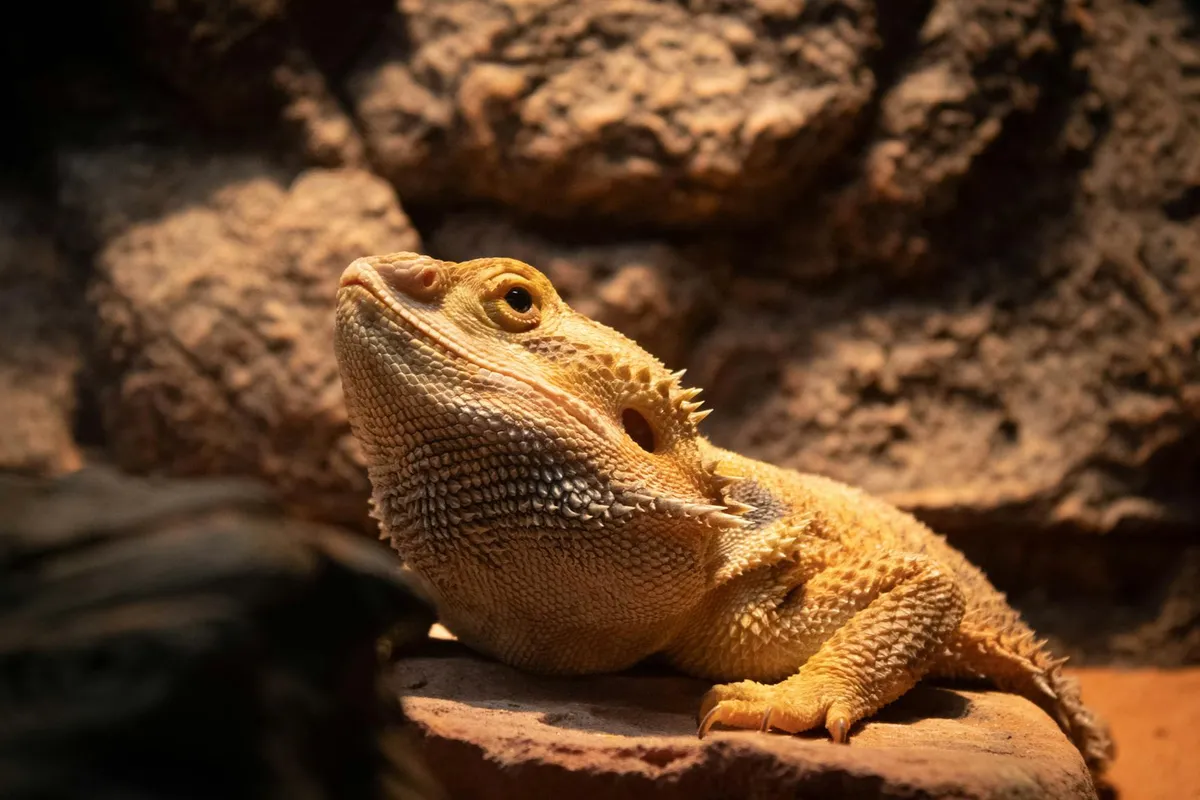
Basking Bulb Wattage for Different Enclosure Sizes
Getting the basking spot temperature perfect is my number one priority with my dragons. A bulb that’s too weak leaves them sluggish and unable to digest food. A bulb that’s too strong is a burn risk. The right wattage depends almost entirely on how far the bulb is from the basking surface and the height of your tank. I always start with these general guidelines and adjust from there. To stay safe, I follow a heating equipment safety guide that weighs heat rocks, mats, and safer alternatives. I favor thermostat-controlled under-tank mats or ceramic heat emitters over direct heat rocks.
- 20-Gallon Tank (Baby Tank): A smaller space heats up quickly. You’ll likely only need a 50 to 75-watt basking bulb to hit that 95-110°F sweet spot.
- 40-Gallon Breeder Tank (Minimum Adult Size): This is the standard. I’ve found a 75 to 100-watt bulb is perfect here. I personally use a 100-watt in my 40-gallons to ensure a good heat gradient.
- 75-Gallon to 120-Gallon Tanks (Large Enclosures): For these spacious homes, you’re looking at 100 to 150 watts. You might even need two lower-wattage bulbs to create a large enough basking area.
Your best friend here is a reliable digital thermometer with a probe. Place the probe right on the basking spot. If it’s too hot, lower the wattage. Too cool, raise it. Don’t be afraid to buy a couple of different wattages to test; your dragon’s health is worth the small investment.
UVB Bulb Length and Strength for Optimal Coverage
UVB lighting is non-negotiable for preventing Metabolic Bone Disease, a heartbreaking and completely preventable illness. The goal is to mimic the strength of the Australian sun. You need a long, tube-style UVB bulb, never a compact coil bulb, as those do not provide adequate coverage.
- For a 40-gallon breeder tank (36″ long): Use a 24-inch T5 HO (High Output) UVB tube. This will cover about two-thirds of the enclosure, which is ideal.
- For larger tanks (48″ long and above): Use a 36-inch or even a 48-inch T5 HO tube. The UVB should always span the length of the basking area.
The strength, measured as a percentage, is just as critical. I only use bulbs labeled as 10.0 or 12% for desert species like bearded dragons. A T5 HO 10.0 UVB bulb is the gold standard for providing the intense UV they would get in the wild. This strength ensures they can produce enough Vitamin D3 for proper calcium absorption, no matter where they are in the basking zone. Beyond UVB, a vitamins guide for bearded dragons often recommends calcium with D3 and occasional multivitamin supplements to round out their nutrition.
Setting Up Your Bearded Dragon’s Habitat: Placement and Distance
Positioning the Basking Spot and Light
Where you put the heat makes all the difference. I set up my tanks to create a perfect temperature gradient from hot to cool.
- Place the basking lamp on one side of the tank, not in the middle. This creates a hot side and a cool side for your dragon to thermoregulate.
- The basking platform (a flat rock or sturdy branch) should be positioned directly under the lamp.
- The distance from the bulb to the basking surface is key. For a 100-watt bulb, start with 8-10 inches of space. Always measure the temperature at the closest point your dragon’s back could be to the bulb.
- Use a lamp stand or a screen top to securely hold the fixture. Never let the fixture rest on the glass or sit inside the tank where your dragon could touch it.
Installing the UVB Light for Maximum Benefit
A UVB bulb in the wrong place is like having no UVB at all. The rays need to be unobstructed and overlap with the heat.
- Mount the UVB tube fixture right next to the basking bulb, spanning the same side of the tank. This creates a “sunbeam” effect where heat and UVB are available together, just like in nature.
- The mounting distance is critical and depends on your bulb type.
- For a T5 HO bulb mounted on a screen top: Place the basking spot 12-15 inches below the bulb.
- For a T5 HO bulb mounted inside the tank: Place the basking spot 15-18 inches below the bulb.
- Always use a reflector behind the UVB tube. This simple metal sheet doubles the UVB output downward toward your pet, ensuring they get every bit of benefit.
I check my setup every few months. Seeing my dragons bask comfortably, with their bodies flattened to absorb every ray, tells me I’ve got the placement just right.
Creating and Maintaining the Perfect Temperature Gradient
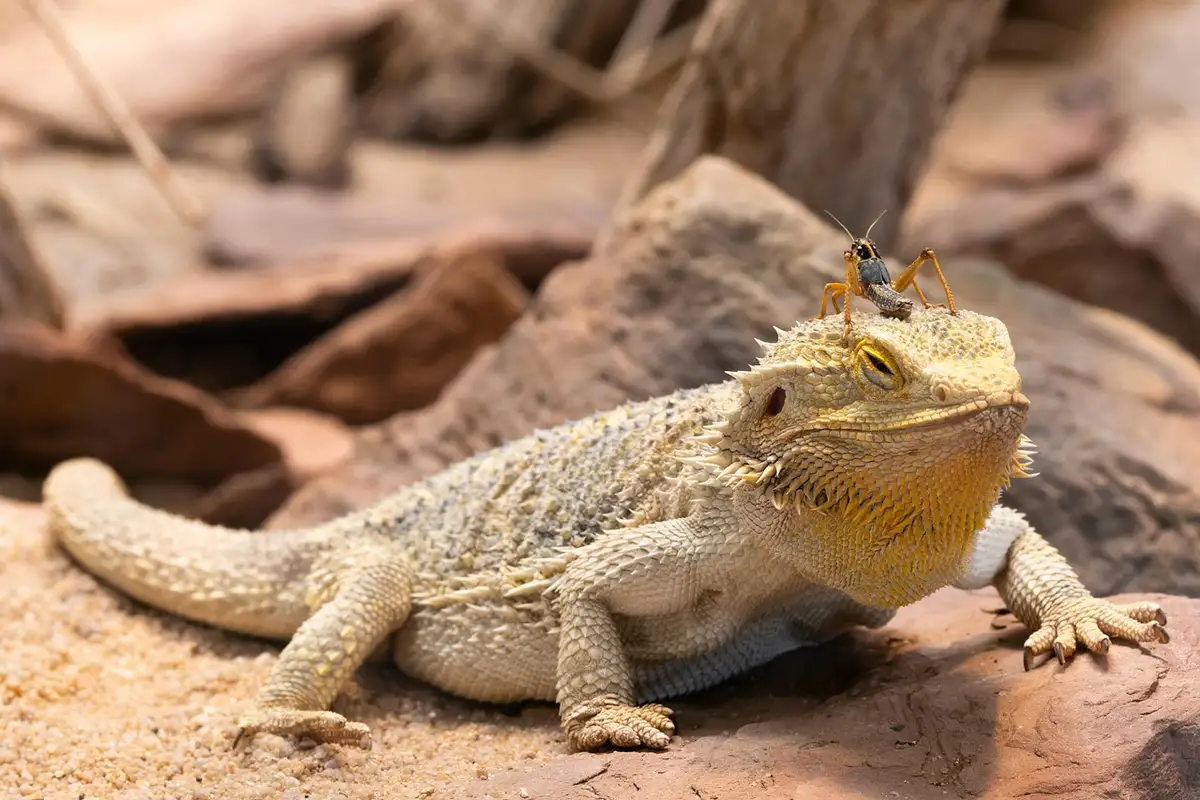
Think of your bearded dragon’s tank as a tiny, personal desert landscape. They need a hot spot for basking to get their digestion going and a cooler zone to retreat to when they’ve had enough heat. Bearded dragons are cold-blooded (ectothermic) and depend on external heat to regulate their body temperature. A proper temperature gradient helps them thermoregulate and digest efficiently. Getting this temperature gradient right is the single most important factor for their health and happiness. I’ve found that my dragons will actively move between zones all day long if I set it up correctly.
Monitoring Your Habitat’s Heat and Light
You can’t manage what you don’t measure. Guessing the temperature by putting your hand in the tank just doesn’t cut it. You need reliable data to create that perfect environment.
Here are the tools I always use and recommend:
- Digital Thermometers with Probes: These are a game-changer. Place the main unit on the cool side and run the probe to the basking spot. This gives you two readings at once. I never trust the cheap stick-on analog gauges anymore; they are often wildly inaccurate.
- Infrared Temperature Gun: This is my secret weapon. You just point and click to get an instant surface temperature reading of the basking rock, a branch, or even your dragon’s back. It’s perfect for double-checking the basking surface itself.
- Timer Plugs: Consistency is key for a reptile’s circadian rhythm. Using a simple, affordable timer for your lights creates a reliable day/night cycle of 12-14 hours of light. It also makes your life so much easier.
Your target temperatures should look like this:
- Basking Spot Surface Temperature: 95-110°F (35-43°C) for adults. Babies often like it a touch warmer, up to 110°F.
- Warm Side Ambient Temperature: 85-90°F (29-32°C)
- Cool Side Ambient Temperature: 75-80°F (24-27°C)
- Nighttime Temperature: Can drop to 65-70°F (18-21°C). If your home gets colder, a ceramic heat emitter is a safe, light-free way to provide warmth.
Watch your dragon’s behavior-it’s the best feedback you’ll get. If they are always pancaked flat under the basking light, it might be too weak. If they never bask and are always hiding on the cool side, it might be too hot. Adjust your bulb wattage up or down based on their actions.
Essential Safety and Maintenance for Your Lighting Setup
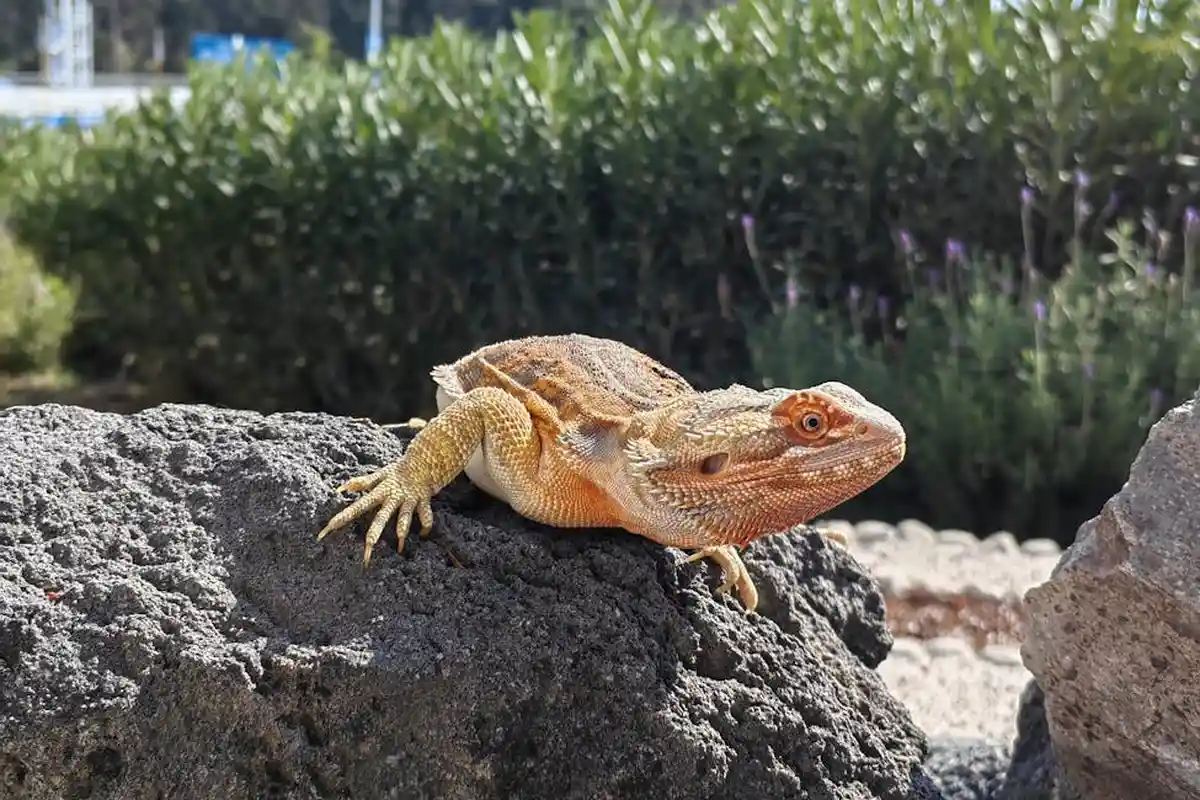
A proper lighting setup isn’t a “set it and forget it” deal. Your dragon’s life and your home’s safety depend on a little regular upkeep. I do a quick check of my setup every single week when I clean the tanks.
Always handle bulbs with clean, dry hands or wear gloves. The oils from your skin can create hot spots on the glass, which dramatically shortens the bulb’s lifespan. This is especially true for halogen basking bulbs.
Your fixtures are just as important as the bulbs you put in them. Make sure you are using the right base for your bulb (screw-in for basking lights, often pin-based for UVB tubes) and that the fixture’s wattage rating exceeds the wattage of the bulb you’re using. A dome lamp with a ceramic socket is a must for high-wattage basking bulbs to handle the heat.
Here is a simple maintenance schedule I follow:
- Daily: Visually check that all lights turn on and off with the timer.
- Weekly: Wipe dust off bulbs and fixtures with a dry cloth. Dust blocks a surprising amount of light and UVB.
- Monthly: Use your temperature gun to verify basking spot temperatures haven’t drifted.
- Every 6 Months: Replace your UVB tube, even if it still looks like it’s working. The invisible UVB output degrades over time.
- As Needed: Replace basking bulbs when they burn out. I always keep a spare on hand.
Positioning is critical for safety. Ensure all bulbs are securely seated in their fixtures and cannot be touched by your beardie or come into contact with any tank decor. This bearded dragon tank setup guide emphasizes essential equipment and decor safety. A determined dragon can and will climb and get burned. I use guards or make sure the bulb is well out of reach from any branches or hammocks.
Finally, never look directly at a high-output UVB bulb. It can be harmful to your eyes. Your diligence with this simple maintenance routine prevents most common health and safety issues before they ever start. It becomes second nature, and your scaly friend will thrive for it.
Frequently Asked Questions
What wattage UVB bulb is best for a bearded dragon?
UVB bulbs are selected based on type and output strength, not wattage; for bearded dragons, always use a T5 HO or T8 tube bulb with a 10.0 or 12% rating to provide adequate UVB for health. When choosing bulbs, consult a comprehensive lighting guide that covers UVB requirements, heat lamps, and daily light cycles for bearded dragons.
How do I choose the correct wattage for my bearded dragon’s heat lamp?
Start with a wattage between 50-150 watts based on your tank size, and use a digital thermometer to adjust until the basking spot reaches 95-110°F, ensuring a proper heat gradient.
Does a baby bearded dragon need a different wattage bulb than an adult?
Baby bearded dragons require the same basking temperatures but in smaller enclosures, so begin with a lower wattage bulb like 50-75 watts and fine-tune based on temperature readings. For nighttime care, switch to a non-light-emitting heat source to maintain a safe enclosure temperature (about 65-75°F) and avoid bright lighting—an essential part of temperature management and nighttime care.
Final Thoughts
Getting the right wattage for your bearded dragon’s setup boils down to creating a safe and effective heat gradient. The perfect basking bulb wattage is the one that achieves the correct temperature for your specific tank size, not a specific number. Always pair it with a high-quality, long UVB tube light that covers at least half the enclosure’s length to support their overall health. Consult a bearded dragon temperature guide to set precise basking spots and safe nighttime temperatures. That guide also covers the tank’s overall requirements for space and heat distribution.
Remember to use a reliable thermometer and monitor your dragon’s behavior closely. Your dragon will show you if the setup is right through their activity and basking habits. From my own experience, taking the time to get this balance right is the single most impactful thing you can do for their long-term happiness and vitality. A complete health check guide will help you tell if your bearded dragon is healthy, covering appetite, hydration, and visible physical signs.
Further Reading & Sources
- r/BeardedDragons on Reddit: What Watt should I use for a UVB bulb
- How do I choose the right UVB lamp for my reptiles?
- Optimal UVB and Basking Light Wattage for Bearded Dragons – Expert Q&A
Bearded Dragon Lair is the ultimate resource for bearded dragon enthusiasts, offering expert advice and practical tips to ensure the health and happiness of your scaly companion. With years of experience in reptile care, we are dedicated to providing accurate, up-to-date information to support your bearded dragon journey.
Heating and Lighting