
Are Bearded Dragons Social? Loneliness, Companionship & Their Friendly Nature
Published on: May 15, 2026 | Last Updated: May 15, 2026
Written By: Beardie Joe
You’re probably wondering if your bearded dragon gets lonely in that tank all by itself, and it’s a question I hear all the time from fellow owners.
I’ve shared my home with multiple bearded dragons for years, and I’m here to walk you through their social world based on my own lived experience.
We’ll look at the signs of loneliness, the risks and realities of keeping them with companions, and what truly makes them such personable pets.
Understanding Bearded Dragon Social Behavior
In the wild, bearded dragons are largely solitary creatures. They don’t form packs or family groups. Their “social” interactions usually involve competing for food, basking spots, or mates. Life in captivity, however, is a completely different ball game and dramatically changes their social needs. The safety and constant provision of a good home allow their more curious, observant side to flourish.
They develop a wonderfully friendly temperament when they learn you are the source of all good things-food, warmth, and safety. My first dragon, Apollo, would often scramble to the front of his tank when I walked into the room, not because he was hungry, but seemingly just to see what I was up to. This interaction is less about classic social bonding and more about intelligent recognition and conditioned trust.
You can understand their mood perfectly by learning their body language. It’s their primary way of communicating.
- Head Bobbing: A fast, jerky bob is typically a male showing dominance or asserting territory. A slower bob can sometimes be a simple greeting.
- Arm Waving: This is one of the cutest behaviors! A slow, circular wave of one arm is a sign of submission. It’s their way of saying, “I see you, and I’m no threat.”
- Tail Movements: A raised, curled tail often signals alertness and curiosity. A fast, twitchy tail can indicate stress or agitation.
- Basking Behavior: A happy, content beardie will often “pancake” itself-flattening its body to maximize surface area and absorb more heat.
So, do they recognize you? Absolutely. They may not feel love in the mammalian sense, but they absolutely learn to associate you with positive experiences. They show affection through trust-by relaxing in your hand, falling asleep on your chest, or willingly climbing onto you. That level of comfort is the reptile equivalent of a hug.
Signs Your Bearded Dragon Might Be Lonely
Since they aren’t social in the way dogs or humans are, “loneliness” in bearded dragons manifests as boredom or a lack of mental stimulation. They get used to a routine that includes you.
Watch for these key behavioral changes that can signal your scaly friend is feeling a bit down.
- Loss of Appetite: A sudden disinterest in food, especially their favorite bugs, is a major red flag.
- Reduced Activity or Lethargy: If your normally active dragon is just sitting in one spot all day and not exploring, take note.
- Hiding Frequently: While they do need hides for security, constantly hiding away from view, especially during the day, suggests stress.
- Glass Surfing: Frantically scratching at the tank walls can be a sign of stress, which can be triggered by a desire to get out and interact.
It’s vital to differentiate this from illness. A sick beardie will often have physical symptoms alongside behavioral ones. Look for sunken eyes, a lack of bowel movements, or weight loss to help you tell the difference between a bored dragon and a sick one. Knowing what’s normal in a healthy bearded dragon helps you spot problems early. A healthy bearded dragon typically has bright eyes, a steady appetite, and regular bowel movements.
I learned this the hard way with my dragon, Smaug. He went through a phase of being very lethargic and refusing his salads. After a vet visit confirmed he was perfectly healthy, I realized I had been less present due to a busy work week. I started spending just 15 more minutes a day with him, hand-feeding him a piece of dandelion green or letting him roam supervised, and his personality bounced right back. They notice our absence more than we think.
Do Bearded Dragons Need Companions?

One of the biggest myths I see repeated is that a solitary bearded dragon is a lonely one. We project our own social needs onto these incredible creatures. The fundamental truth is that bearded dragons are not social animals in the way we or even dogs are; they are solitary by instinct. In the wild, they lead largely solitary lives, coming together only to mate or compete for resources.
Let’s look at the reality of having one dragon versus two.
- Pros of a Single Bearded Dragon: All your attention and resources go to one animal. You eliminate the risk of fighting, stress, and injury. It’s simpler, safer, and far less expensive. You become their sole “flock,” which actually strengthens your bond with them.
- Cons of a Single Bearded Dragon: Honestly, from the dragon’s perspective, there are none. They do not miss the company of another dragon.
- Pros of Multiple Bearded Dragons: The only pro is for the human-you get to enjoy observing more than one. There is no proven benefit for the dragons themselves.
- Cons of Multiple Bearded Dragons: This list is long. You risk severe injury from fighting, constant stress that suppresses their immune system, competition for food and basking spots, and the spread of parasites or illness. I’ve had to treat a dragon for a nasty tail nip from a brief, misguided attempt at cohabitation early in my reptile-keeping journey.
The territory issues are intense. Bearded dragons are hardwired to claim space. Putting two dragons together turns their home into a constant battlefield for dominance, not a shared playground. The larger, more assertive dragon will inevitably bully the other, preventing it from accessing crucial heat and UVB light. This isn’t a personality flaw; it’s their nature. In homes with multiple dragons, cohabitation carries real risks: ongoing aggression, injuries, and blocked heat access. Basking zones and UVB light are often contested, elevating stress and health problems.
For these reasons, solitary living is the gold standard in captive care. Housing them alone is the single most effective way to guarantee their long-term health and well-being. It prevents physical harm and chronic stress, allowing your scaly friend to live a full, content life.
Enrichment Ideas to Prevent Loneliness
Since your dragon doesn’t need a lizard buddy, its enrichment should come from you and its environment. A stimulated dragon is a happy, healthy dragon. Here is what has worked wonderfully for my own pets.
-
Enrichment Toys and Cage Setup Changes
Think of the enclosure as their entire world. You need to make that world interesting. I always include items that encourage natural behaviors.- Provide sturdy branches and rocks for climbing.
- Add a reptile hammock for a comfy elevated lounging spot.
- Include different textured substrates like slate tiles and a dig box with play sand or soil.
- Rearrange these items every few weeks to create a “new” territory for them to explore.
-
Handling Routines and Interactive Play
Your interaction is the most valuable social stimulus your bearded dragon will ever need or want. Create a consistent routine. With patient, gentle handling, you’ll get your bearded dragon to like you and build trust. Over time, this makes daily interactions smoother and more rewarding.- Handle them daily for short, positive sessions, letting them climb on your arm or sit on your shoulder.
- Supervise exploration time outside the enclosure in a dragon-proofed room.
- Dangle a feeder worm or a safe, shiny object like a keychain for them to track and “hunt” during playtime.
-
Vary Feeding Behavior with Puzzles
Don’t just drop food in a bowl. Make them work for it! This engages their brain and satisfies their foraging instinct.- Hide live feeder insects around the enclosure under paper cups or in a feeding ball.
- Scatter greens in different areas to encourage exploration.
- Hand-feed occasional treats to build trust and interaction.
-
Mental Stimulation Through Environmental Changes
Small changes can have a big impact. I rotate my dragons’ decor monthly, and they always spend the first day curiously investigating.- Move their basking platform or hide to a different corner.
- Introduce a new, safe-smelling item like a untreated wooden tunnel.
- Place the enclosure in a room where they can safely watch household activity from a distance-they often enjoy being a quiet observer of the family.
How to Safely Introduce Bearded Dragons
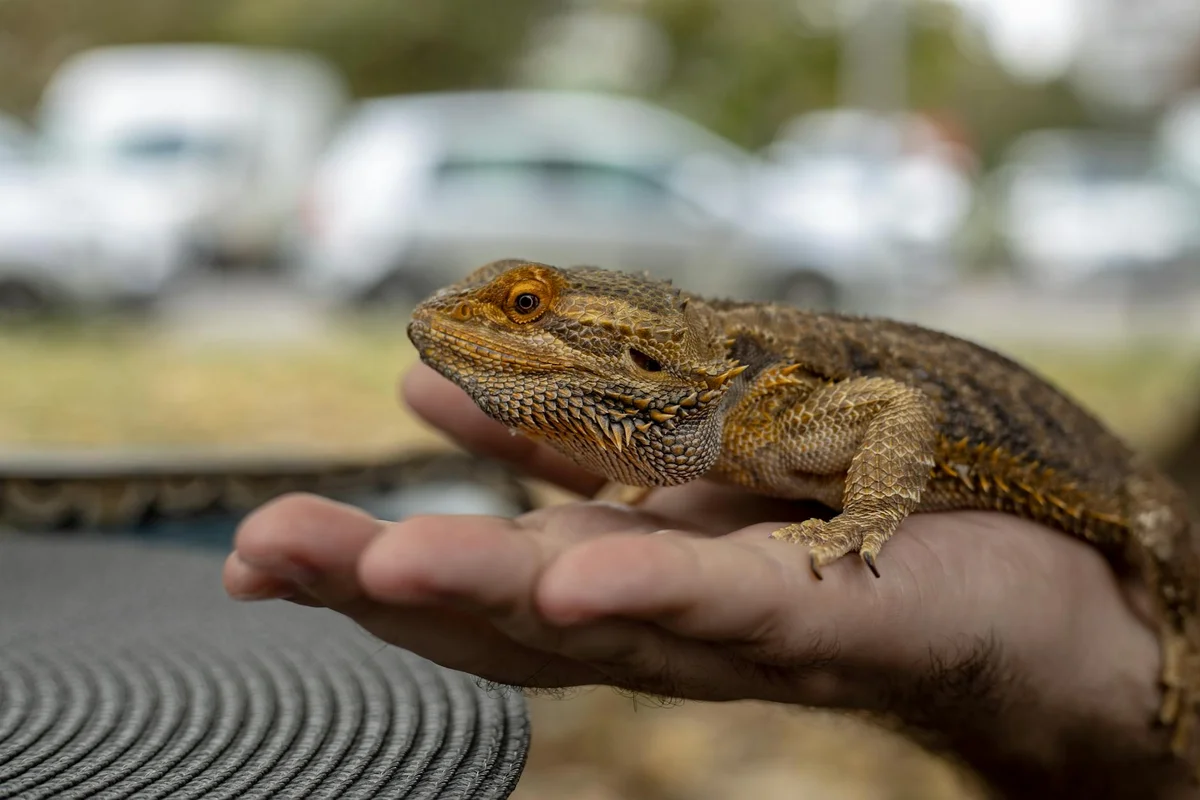
Thinking about giving your bearded dragon a friend? The process requires patience and a keen eye. Rushing an introduction is the most common mistake and can lead to immediate stress or injury. I always take it slow, just like I did when introducing my two females, Sage and Basil.
-
Steps for gradual introduction outside enclosures.
Start by placing their separate enclosures side-by-side for a week or two so they can get used to each other’s presence visually. For the first physical meeting, choose a large, neutral space neither dragon claims as their own. A clean, blanketed floor in a bathroom or hallway works perfectly. This neutral territory removes the “this is my turf” instinct right from the start.
-
Supervise for stress indicators and aggression.
You must watch them every single second. Keep initial sessions short, just five to ten minutes. Look for any darkening of the beard, hissing, open-mouth gaping, or chasing. If you see any of these, calmly separate them immediately using your hands or a piece of cardboard. Intervening at the first sign of tension prevents a minor squabble from turning into a real fight.
-
Discuss when to avoid pairing males or mixed genders.
This is non-negotiable. Never house two male bearded dragons together. They are intensely territorial and will almost certainly fight, often to the point of severe injury. Mixed-gender pairs will lead to constant breeding stress for the female and should only be considered by very experienced breeders with separate housing plans. For most pet owners, the safest and kindest option is a female-only pairing, and even that requires careful management.
-
Emphasize separate habitats to reduce conflict.
Even if your dragons seem to tolerate each other during playtime, they must have their own completely separate enclosures. This gives each animal a safe space to eat, bask, and hide without competition. Sharing a tank, even a large one, creates a constant state of low-level competition for resources, which is a chronic stressor for both animals. I would never dream of making Sage and Basil live in the same tank, no matter how well they get along on the floor.
Reading Bearded Dragon Body Language
Your bearded dragon is talking to you all the time, not with words, but with their whole body. Learning this language is the key to understanding their social needs and emotional state. If you want to know whether your bearded dragon trusts you, there are 12 key signs of trust to watch for. These cues tell you when they like you and feel safe with you.
-
Decode head bobbing, arm waving, and tail movements.
A fast, assertive head bob is a clear sign of dominance, like a male saying, “This is my spot!” A slower, more casual bob can just mean, “I see you.” Arm waving is the opposite; it’s a submissive gesture. I often see my smaller dragon, Basil, give a little arm wave to Sage as if to say, “I come in peace.” A tail held high and curled at the tip often signals alertness and curiosity, while a slow, lazy tail swish is usually nothing to worry about.
-
Identify stress signs like black bearding or glass surfing.
A beard that suddenly turns jet black is a major red flag. It can mean your dragon feels threatened, is in pain, or is extremely stressed. Glass surfing-repeatedly scratching at the tank walls-is a sign of frustration. This behavior often means the enclosure is too small, they see their reflection, or something in their environment is making them anxious.
-
Explain friendly versus territorial behaviors.
Friendly behavior is calm and relaxed. Look for a light-colored beard, a soft body posture, and slow, deliberate movements. They might even close their eyes when you pet them, showing ultimate trust. Territorial behavior is all about appearing big and scary. This includes a puffed-up black beard, flattening their body laterally to look wider, and an open mouth. Recognizing the difference helps you know when your dragon is content versus when they need space.
-
Use examples from personal experience with pet care.
I’ll never forget the first time I introduced a new hide to my first bearded dragon, Pango. He puffed his beard and did rapid head bobs for a solid ten minutes at this inanimate object! It was a powerful reminder that anything new can be seen as an intrusion. Watching your own dragon’s unique personality unfold through these behaviors is one of the most rewarding parts of being a reptile keeper.
Creating a Calm and Engaging Habitat
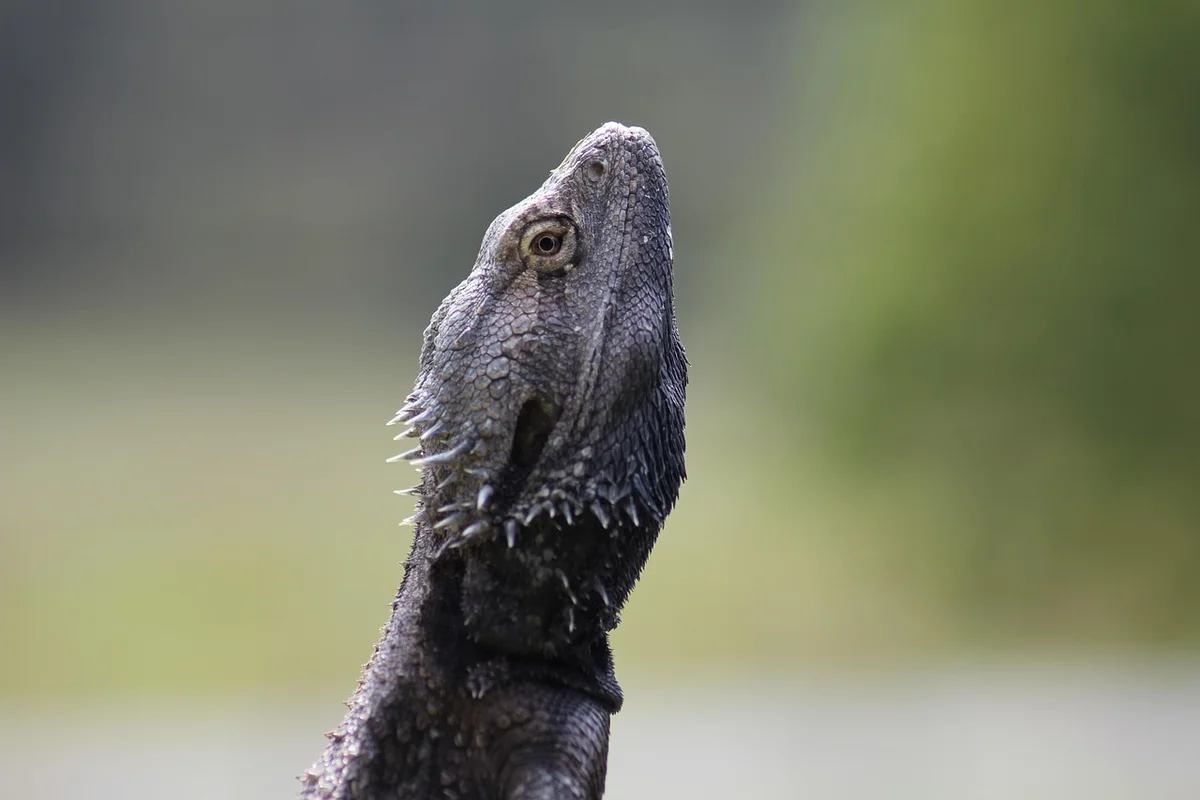
Think of your dragon’s enclosure as their personal fortress of solitude. It’s their safe space where they should feel completely secure. A stressed dragon is an unhappy dragon, and a proper setup is your first line of defense against that stress. From my own experience, a few key adjustments can transform a nervous beardie into a confident, curious pet. These steps are part of a calm, practical de-stressing guide for bearded dragons. With steady routines, your beardie can stay relaxed and confident.
Minimizing Stress with Smart Cage Setup
Place the tank in a part of your home with moderate activity-not a dead-quiet back room, but not a chaotic main hallway either. They need to feel part of the family without being in the direct line of fire of constant foot traffic. Avoid placing the enclosure on the floor, as the vibrations and looming figures can make them feel like prey. Elevating the tank to waist or eye level helps them feel more in control of their surroundings.
- Use solid-sided backgrounds on at least two sides of the enclosure to prevent the feeling of being exposed from all angles.
- Position the tank so it is not in direct sunlight, which can cause dangerous overheating, and away from drafty windows or loud vents.
- Ensure the lid is secure. A loose or flimsy lid can cause anxiety, as they instinctively fear predators from above.
Proper Basking and Hiding Areas
Bearded dragons are masters of thermoregulation, and they need clear options. Your dragon should be able to move from a perfect basking spot to a cool hide without having to think twice. I’ve watched my own dragons visibly relax when they have a straightforward path to their favorite spots. This is just one aspect of proper care for bearded dragons.
- Provide a sturdy, wide basking platform that can comfortably hold their entire body and retains heat well, like a flat slate rock.
- Create a clear temperature gradient: one end hot for basking (around 95-110°F), the other end cool (around 75-85°F).
- Offer at least two hides-one on the warm end and one on the cool end. This gives them a safe retreat no matter what their temperature needs are.
The Power of a Consistent Routine
Predictability is a form of comfort for these creatures. Sticking to a routine makes their world feel stable and safe, which directly reduces stress-related behaviors. They learn to anticipate your presence and interactions, building trust over time.
- Feed them at roughly the same times each day.
- Turn their lights on and off on a consistent 12-hour cycle using a timer.
- Schedule handling sessions for a time of day when they are typically most active and alert, usually late morning or early afternoon.
Stability in Temperature and Lighting
This isn’t just about comfort; it’s about their fundamental health. Fluctuating temperatures and improper lighting are two of the biggest silent stressors for captive bearded dragons. A stable environment supports their immune system and digestion, keeping them healthy and content.
- Invest in high-quality thermostats for your heat sources to prevent dangerous spikes and drops.
- Use a dedicated, high-output UVB tube light that spans about half to two-thirds the enclosure’s length.
- Replace your UVB bulb every 6-12 months, as its invisible output degrades long before the bulb burns out.
Frequently Asked Questions
What is the average lifespan of a bearded dragon in captivity?
Bearded dragons typically live between 8 to 12 years with proper care, including a balanced diet, appropriate habitat setup, and regular health checks to support their well-being. In captivity, where predators are absent and veterinary care is accessible, bearded dragons often live longer in captivity than their wild counterparts. Maximizing lifespan depends on ongoing proper care, including diet, UV exposure, housing, and regular health checks.
How often should I feed my bearded dragon to maintain its health and sociability?
Juvenile bearded dragons require daily feeding, while adults can be fed every other day; offering a mix of insects and fresh greens helps keep them healthy and engaged, which can positively affect their interactions with you. For juveniles, plan 2-3 small meals per day to support growth. Adjust portions based on appetite and activity level.
Is it safe to keep bearded dragons with other household pets like cats or dogs?
It is not safe to house bearded dragons with other pets, as cats or dogs may view them as prey, leading to stress or potential harm; always prioritize a secure, separate environment for your dragon’s safety. Our cats safely coexist complete guide offers practical steps for safe introductions, supervision, and enclosure setup.
Final Thoughts
So, are bearded dragons social? They are wonderfully interactive with you, but not with other dragons. Their idea of a perfect companion is a caring human who provides a safe, enriching environment. I’ve found that focusing on your one-on-one bond is the most rewarding path for both of you.
Forget the idea of getting a second dragon to keep yours company. The best way to show your love is by respecting their solitary nature and becoming their trusted friend. A happy, healthy beardie is one that feels secure in its own territory, with you as its favorite visitor. Many owners wonder if you can bond a bearded dragon from baby to adult. The answer is yes—bonding is a gradual, trust-building process that grows as your beardie matures.
Further Reading & Sources
- Understanding Bearded Dragon Behavior | Blog | Long Island Bird and Exotics Pet Vet
- How to Bond with Your Bearded Dragon | Forever Vets
- r/BeardedDragons on Reddit: Are bearded dragons antisocial
Bearded Dragon Lair is the ultimate resource for bearded dragon enthusiasts, offering expert advice and practical tips to ensure the health and happiness of your scaly companion. With years of experience in reptile care, we are dedicated to providing accurate, up-to-date information to support your bearded dragon journey.
Socialization Techniques