Can Bearded Dragons Eat Avocado? (Why It’s a Dangerous Choice)
Published on: January 25, 2026 | Last Updated: January 25, 2026
Written By: Beardie Joe
If you’re holding a piece of avocado and wondering if it’s a safe treat for your scaly friend, you need to put it down right now.
With years of hands-on experience caring for my own bearded dragons, I’ve made it my mission to help other owners navigate these tricky food questions and prioritize their pet’s health.
I’m going to break down the specific toxin in avocado that makes it so dangerous, detail the immediate symptoms of poisoning to watch for, and give you a list of much safer, healthier foods to feed instead.
The Short Answer: Can Bearded Dragons Eat Avocado?
No, bearded dragons cannot and should not eat avocado. This is one of the few foods I consider completely off-limits for my reptiles. For a practical guide, see the ultimate safe food list for fruits and vegetables bearded dragons can eat. It helps separate safe choices from risky ones.
Avocado poses a serious health risk due to its toxicity. Feeding it to your dragon is a dangerous choice that can lead to severe illness or worse.
Early in my reptile-keeping journey, a fellow breeder shared a story that stuck with me. They lost a healthy juvenile dragon after a family member unknowingly offered a small piece of avocado. This firsthand account from someone I trust cemented my zero-tolerance policy for this fruit in my own dragon care.
Why Avocado is Toxic to Bearded Dragons
The primary danger in avocado is a natural compound called persin. Persin is a fungicidal toxin that the avocado plant produces.
While the level of toxicity can vary between avocado varieties, all parts of the plant-the flesh, skin, and pit-contain it. Persin is known to cause significant health damage in reptiles, leading to heart failure, respiratory distress, and severe fluid buildup around vital organs.
Beyond the direct toxin, the fruit’s composition is all wrong for a bearded dragon. Avocado is incredibly high in fat. In our bearded dragon eating guide, avocado is listed as a toxic food to avoid.
A dragon’s digestive system is not built to process such rich, fatty foods. Regular consumption, or even a single large portion, can quickly lead to obesity and painful digestive issues like impaction. For a complete guide to bearded dragons’ diet, including appropriate meat sources and why dairy like cheese should be avoided, see our full guide. It also explains safe portions and how to balance greens and insects for a healthy diet.
We also cannot ignore the physical danger of the seed pit. It is large, hard, and perfectly shaped to cause a blockage.
If a dragon were to bite into it, the pit presents an immediate choking hazard. Ingesting any piece of it could cause a life-threatening intestinal blockage that requires emergency veterinary surgery.
Health Risks and Symptoms of Avocado Poisoning
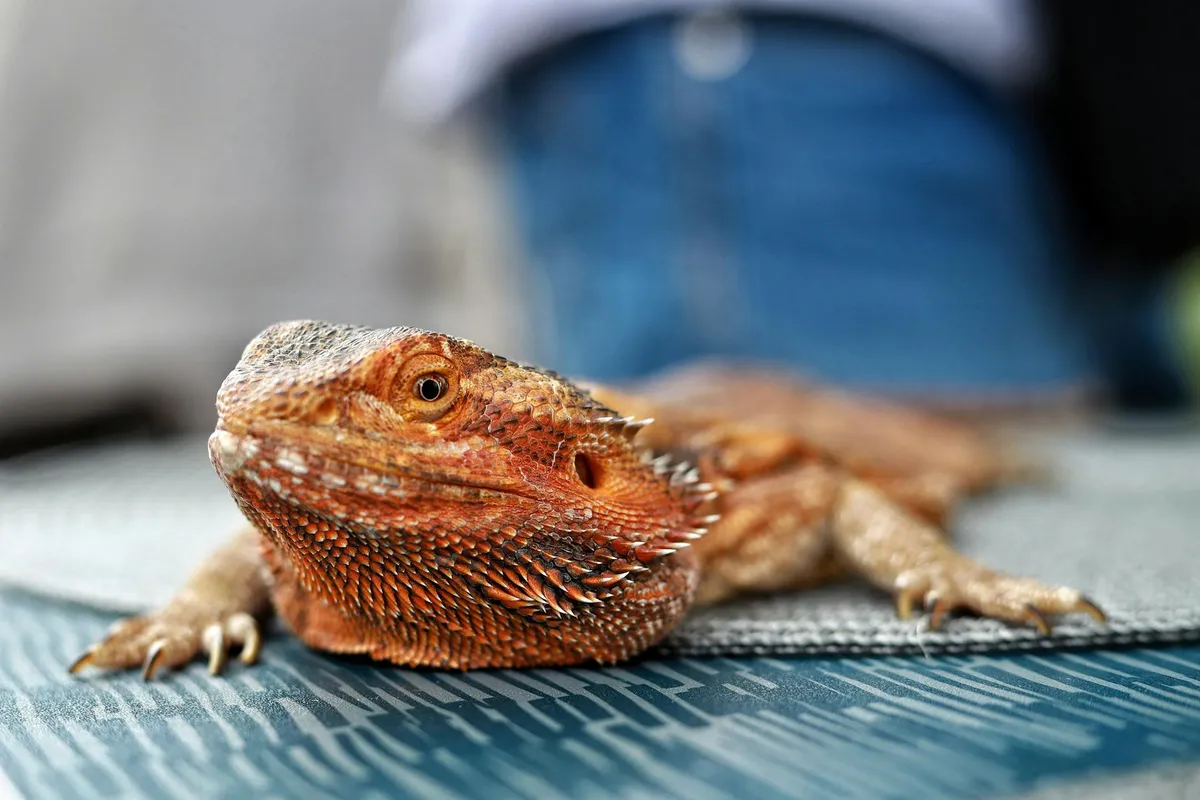
When a bearded dragon ingests avocado, the primary culprit is a compound called persin. Persin acts as a natural fungicide for the avocado plant, but it’s a direct toxin to many birds and reptiles. I’ve seen firsthand how quickly a curious lick can turn into a serious situation. It’s important to remember that bearded dragons are generally not dangerous, but toxins like persin can still cause harm. The effects aren’t always instant, which can make owners think their dragon is fine, but the damage is happening internally.
The symptoms stem from the toxin’s attack on your dragon’s metabolic and muscular systems. This internal disruption directly interferes with their body’s ability to manage calcium, leading to a dangerous and potentially fatal imbalance. Without the right calcium-to-phosphorus ratio, their bones weaken and their nervous system falters.
Warning Signs to Watch For
- Unusual lethargy or weakness; they may struggle to lift their body.
- Swelling around the neck or jaw area.
- Labored breathing or audible respiratory sounds.
- Vomiting or regurgitation.
- Loss of appetite and refusal to eat their regular food.
- Diarrhea or unusually watery stools.
What to Do If Your Bearded Dragon Eats Avocado
Staying calm is your first and most important job. Panic doesn’t help you or your pet. Your immediate actions in the first hour can significantly influence the outcome. I’ve had to go through this scary drill myself, and having a clear plan makes all the difference.
Your Step-by-Step Action Plan
- Remove the avocado immediately. Clear any leftover pieces from the enclosure and gently wipe any residue from your dragon’s mouth.
- Do not induce vomiting. This can cause more harm and stress. Let a reptile veterinarian guide any necessary interventions.
- Offer fresh water. Hydration is key for helping their system process the toxin. You can drip water gently on their snout with a syringe (no needle) to encourage drinking.
- Observe them closely for the next 24 hours. Keep a notepad handy to jot down any behavior changes, no matter how small they seem.
When to Call the Vet Immediately
Do not wait for multiple symptoms to appear. If you see even one sign of distress, like swelling or difficulty breathing, consider it an emergency and contact your vet or an emergency reptile clinic right away. Time is critical with toxin exposure.
When you call, be ready to tell them exactly what happened. Inform the vet about the type of avocado, the approximate amount eaten, and the time of ingestion. The more details you can provide, the better they can advise you. They may want to see your dragon for supportive care, which can include fluids or medication to protect their heart and organs.
Safe and Healthy Alternatives to Avocado
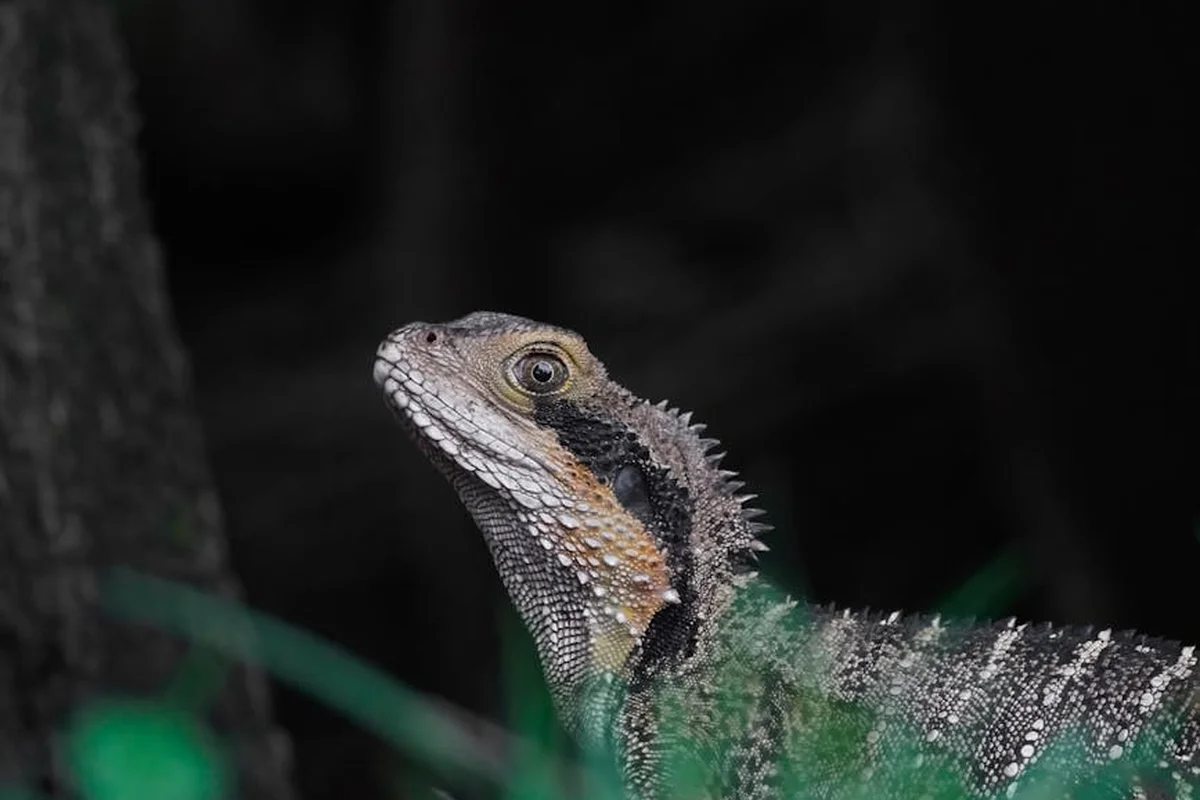
Thankfully, the world of safe and nutritious foods for your bearded dragon is vast and colorful. You can easily build a vibrant, exciting menu that promotes health without ever needing to risk avocado. I rotate these staples through my own dragons’ diets to keep them eager and healthy. Want a complete, safe feeding guide for the fruits bearded dragons can eat? It explains safe fruit options, portions, and how often to offer them.
Excellent Staple Vegetables & Leafy Greens
These should form the backbone of your adult dragon’s salad. They are packed with vital nutrients and are very low in problematic compounds.
- Collard, Mustard, and Dandelion Greens: These are my absolute top picks. They are calcium powerhouses, helping to prevent metabolic bone disease.
- Butternut Squash: Great shredded or in small cubes. It’s rich in Vitamin A and adds a nice sweet note.
- Bell Peppers (all colors): Full of hydration and Vitamin C, and their crunch is fun for beardies.
- Endive and Escarole: Fantastic, low-oxalate greens that are perfectly safe for daily use.
Wonderful Occasional Fruits
Think of fruit as a treat, not a daily food. I use it to add a splash of sweetness and encourage eating.
- Blueberries and Raspberries: Loaded with antioxidants. My dragons go crazy for them.
- Papaya and Mango: These are hydration heroes and aid in digestion, unlike avocado which can disrupt it.
- Watermelon: A fantastic hydrating treat for a hot day (just seedless and in moderation).
The Clear Difference: Safe Foods vs. Avocado
Let’s look at why these options are superior. Unlike avocado, which actively harms their systems, these foods work in harmony with your dragon’s biology.
- Calcium Balance: Greens like collards have a perfect calcium-to-phosphorus ratio. Avocado has persin, which can throw this delicate balance into chaos.
- Healthy Hydration: Foods like bell peppers and watermelon provide safe, natural water. Avocado’s high fat content offers no such benefit and strains the liver.
- Digestive Health: Fruits like papaya contain enzymes that aid digestion. Avocado contains substances that can lead to serious digestive upset and toxicity.
Best Practices for a Balanced Bearded Dragon Diet

Feeding your bearded dragon well is one of the most rewarding parts of pet ownership. Sticking to a consistent and thoughtful feeding routine is the key to a long, vibrant life for your scale-baby. Young bearded dragons need more frequent meals. A complete feeding schedule helps ensure steady growth. Here’s how I manage it.
Follow the Simple Feeding Guidelines
A good routine prevents nutritional deficiencies and keeps your pet at a healthy weight.
- Juveniles (0-12 months): Offer live insects 2-3 times daily and fresh greens constantly. Their bodies need more protein for rapid growth.
- Always Variety: Never rely on just one or two greens. Rotate through at least 3-5 different staple veggies each week.
Adults (12+ months): Their diet should be about 80% fresh salads and 20% insects. Offer a fresh salad daily and insects every other day.
Zero Tolerance for Dietary Toxins
This is non-negotiable in my reptile room. When it comes to known toxins like persin in avocado, the only safe amount is zero. It’s not worth the gamble.
- Some foods, like spinach, are “sometimes” foods due to compounds that can bind calcium if fed too often. Avocado is a “never” food.
- I treat my dragon’s bowl like I would a child’s plate. If I wouldn’t feed it to a toddler, it doesn’t go in the terrarium.
- When in doubt, leave it out. A quick search on a reputable care site can save you a lot of worry.
Tips for Incorporating Safe Foods
Making healthy eating fun and easy ensures your dragon gets the nutrition they need.
- Chop to Size: All food pieces should be smaller than the space between your dragon’s eyes to prevent choking.
- Create a Salad Bar: I pre-chop a week’s worth of staple greens and store them in an airtight container. It makes daily feeding a 30-second task.
- Use Treats as Toppers: A single blueberry or a few raspberries mashed into the greens can encourage a picky dragon to eat their entire salad.
- Always Dust Insects: Lightly coat feeder insects with a calcium powder supplement (and a multivitamin a few times a week) to fill any nutritional gaps in the salad.
Frequently Asked Questions
Can bearded dragons have avocado in their diet?
No, bearded dragons should never have avocado in their diet, as it contains persin, a toxin that can cause serious health issues like heart failure and respiratory distress. When it comes to fruit, dragon fruit is safe for bearded dragons in moderation. Offer it sparingly and not as a staple.
Is it safe for bearded dragons to eat avocado occasionally?
No, even occasional consumption of avocado is unsafe, as any amount can expose your dragon to persin and lead to poisoning or digestive complications.
What should I know about bearded dragons and avocado consumption?
Avocado is a high-risk food for bearded dragons due to its toxicity, and it should be completely avoided to prevent life-threatening situations, unlike many other safe fruits and vegetables. For a complete guide to which fruits bearded dragons can eat and which to avoid, see our safe/unsafe list.
The Bottom Line
Avocado is unequivocally toxic to bearded dragons and has no place in their diet. From the skin and flesh to the pit, every part of this fruit contains persin, a substance their bodies cannot process. I’ve seen too many stories of preventable illness, and this is one risk you should never take with your scaled friend. If you’re exploring what fruits bearded dragons can eat, look for a safe-fruits guide that covers options like pomegranate and papaya. It helps you choose appropriate, dragon-friendly fruit choices.
Your dragon’s health and safety are far more important than offering a single risky food item. With a huge variety of perfectly safe greens, vegetables, and insects to choose from, it’s simple to build a thriving, nutritious menu that keeps your beardie happy for years. When in doubt about any food, always consult your reptile-savvy veterinarian. For a complete guide on safe foods for bearded dragons, check out our Bearded Dragons: Safe Foods guide. It will help you plan a balanced, safe menu for your pet.
Further Reading & Sources
- Can Bearded Dragons Eat Avocado? It Can Be Lethal – Dragon’s Diet
- r/BeardedDragons on Reddit: Serious question, our beardie ate avocado. Like idiots, we searched the question after she ate it. She loved it. The web says it could toxic. Does anyone have any experience with this? What can we expect to happen?
- Can Bearded Dragons Eat Avocado? Expert Answers & Advice
Bearded Dragon Lair is the ultimate resource for bearded dragon enthusiasts, offering expert advice and practical tips to ensure the health and happiness of your scaly companion. With years of experience in reptile care, we are dedicated to providing accurate, up-to-date information to support your bearded dragon journey.
Feeding Guidelines