Can Bearded Dragons Eat Fish? (What About Tuna, Salmon, and Goldfish?)
Published on: January 31, 2026 | Last Updated: January 31, 2026
Written By: Beardie Joe
You’re probably eyeing that piece of fish and wondering if it’s a safe snack for your scaly friend.
I’ve cared for many bearded dragons over the years, and I’m here to help you make the best choices for their health.
We’ll explore the risks of feeding fish, break down the specifics for tuna, salmon, and goldfish, and I’ll share the safer, healthier staples I feed my own dragons.
The Straight Answer on Fish in a Bearded Dragon Diet
No, you should not feed fish to your bearded dragon.
This is a hard line for me, and I stick to it with all my dragons. Fish, in any prepared form, is not a safe or suitable food for your bearded dragon. The risks far, far outweigh any potential benefits. This is exactly the kind of item I flag in my bearded dragon eating guide under toxic foods to avoid. Knowing what not to feed is just as important as knowing what to offer.
The core issue boils down to two major problems. First, bearded dragons are not built to digest fish. Their systems are designed for the insects, plants, and occasional small mammal or lizard found in the arid Australian outback. Fish is a completely foreign food source. That’s why feeding guides for bearded dragons center on safe insects and warn against toxic bugs. A practical bearded dragon eating guide helps you choose the right insects and avoid dangerous ones. Second, fish poses significant health threats, from hidden parasites to nutritional imbalances that can seriously harm your pet.
Think about their natural environment. Bearded dragons are desert dwellers. Their world is one of rock, sand, and sun. They did not evolve with access to rivers, lakes, or oceans, so their bodies have no natural ability to process aquatic proteins and fats. For a complete feeding guide for pets, the emphasis is on a balanced, terrestrial diet. Feeding them fish is like asking a camel to suddenly thrive on a diet of tropical fruit—it just doesn’t align with their fundamental biology. This distinction also clarifies questions about what bearded dragons eat in pet care versus any notion of how wild dragons might feed.
Understanding the Serious Health Risks of Fish
Let’s break down exactly why fish is so dangerous. I’ve seen the aftermath of bad dietary choices, and it’s a heartbreaking situation that is entirely preventable.
- Parasites and Bacteria: Raw or undercooked fish can harbor parasites like flukes and harmful bacteria such as Salmonella. These can cause severe gastrointestinal distress, leading to lethargy, loss of appetite, and a very sick dragon.
- Thiamine Deficiency: Many types of raw fish contain an enzyme called thiaminase. This enzyme actively breaks down Thiamine (Vitamin B1). A thiamine deficiency can cause neurological problems, including loss of coordination, muscle tremors, and seizures.
- Mercury and Toxins: Larger fish, like tuna, can accumulate high levels of heavy metals like mercury and other environmental toxins in their tissues. For a small reptile, even a tiny amount of these contaminants can lead to poisoning over time.
Beyond these hidden dangers, the physical structure of fish is a problem. Those tiny, needle-like bones are a major impaction risk. They can easily get lodged in your dragon’s throat or digestive tract, creating a painful and potentially fatal blockage that often requires expensive veterinary surgery.
Finally, fish can severely disrupt the delicate calcium balance in your dragon’s body. Feeding fish can throw off the critical calcium-to-phosphorus ratio your dragon needs for strong bones. An imbalance prevents proper calcium absorption, putting your pet at direct risk for Metabolic Bone Disease (MBD), a debilitating and painful condition that softens and deforms their skeleton.
A Deep Dive into Common Fish Types
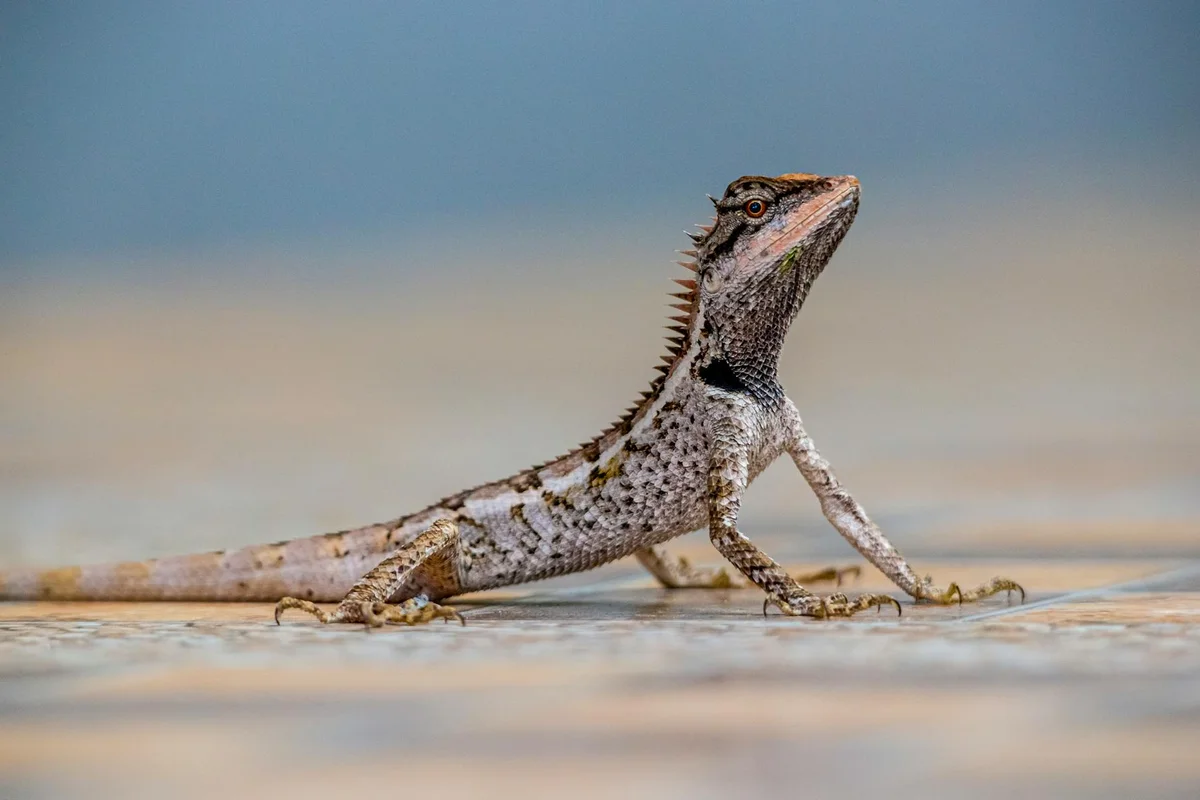
Let’s get specific. Not all fish are created equal, and some come with unique dangers for your scaly friend. I’ve seen well-meaning owners offer a tiny piece of fish, thinking it’s a harmless protein boost, but the risks are very real.
Can Bearded Dragons Eat Tuna?
This is a hard no from me and every reptile expert I know. While that canned tuna might be a lunchtime staple for you, it’s a terrible choice for your beardie.
- Mercury Content: Tuna is a large, predatory fish that accumulates high levels of mercury in its tissues. For a small animal like a bearded dragon, even a tiny amount can lead to toxic metal poisoning over time.
- Thiamine Risks: Raw fish contains an enzyme that destroys Thiamine (Vitamin B1). A Thiamine deficiency can cause severe neurological problems, including loss of appetite and seizures.
- Nutritional Imbalance: It offers none of the balanced calcium-to-phosphorus ratio that insects and greens provide, setting the stage for metabolic bone disease.
I would never risk my dragon’s health for a food item that provides zero benefit and carries such significant dangers.
Can Bearded Dragons Eat Salmon?
You might think a little bit of this “healthy” fish would be okay. Unfortunately, salmon is just as unsuitable for bearded dragons as tuna. Some owners wonder if bearded dragons can eat shrimp, prawns, or crawfish. However, these crustaceans are not recommended as a regular part of their diet due to shells and potential digestive issues.
- Extremely High Fat Content: Salmon is an oily fish, packed with fats that a bearded dragon’s digestive system is not built to process. This can easily lead to obesity and life-threatening liver issues.
- Parasite Concerns: Both wild and farmed salmon can carry parasites that are harmful to reptiles. Cooking might kill the parasites, but it doesn’t solve the fat problem.
- Improper Protein: The type of protein in salmon is not what your desert-dwelling reptile needs. It’s a foreign substance that can stress their kidneys.
Feeding salmon, even as a one-time “treat,” introduces unnecessary risks with no nutritional payoff.
Can Bearded Dragons Eat Goldfish?
This is a common and dangerous misconception, especially for owners who also keep aquariums. Please, do not use feeder goldfish.
- High Parasite Risk: Feeder fish are often bred in overcrowded conditions and are notorious for carrying parasites and bacteria that can be transmitted to your bearded dragon.
- Poor Nutritional Value: Goldfish are mostly bones and scales with very little beneficial meat. They offer almost no nutritional value that your dragon can actually use.
- Impaction Hazard: Those tiny, sharp bones pose a serious risk of causing impaction or internal punctures in your dragon’s digestive tract.
I view feeder goldfish as little more than swimming packets of trouble for a bearded dragon.
Safe Feeding Practices If You Ever Offer Fish
I want to be perfectly clear: I do not recommend feeding fish to your bearded dragon. The risks far outweigh any potential benefits. However, if you find yourself in a situation where you feel you must offer a minuscule amount, these steps are non-negotiable for minimizing harm. For a clear overview of daily feeding across life stages, see the should feed your bearded dragon every day guide for babies, juveniles, and adults. It outlines safe, age-appropriate schedules and helps you prioritize the right staples over risky options.
This is not a recommendation, but a strict safety protocol for an action I advise against.
- Choose the Least Risky Option: If you must, select a tiny piece of a small, white, freshwater fish like tilapia. Avoid all oily, predatory, and saltwater fish.
- Cook It Thoroughly: You must cook the fish plain, without any oil, butter, salt, or seasoning. Baking or boiling is best. This kills some surface bacteria and parasites.
- Prepare the Portion: Remove all skin and bones completely. The piece you offer should be smaller than the space between your dragon’s eyes.
- Feed Sparingly and Observe: This should happen no more than once a year, if ever. Watch your dragon closely for any signs of digestive upset like lethargy or lack of appetite afterward.
Think of this as a “break glass in case of emergency” scenario, not a part of a regular feeding routine. Your dragon will be much healthier and happier with a proper diet of leafy greens and live insects.
Excellent Alternative Protein Sources
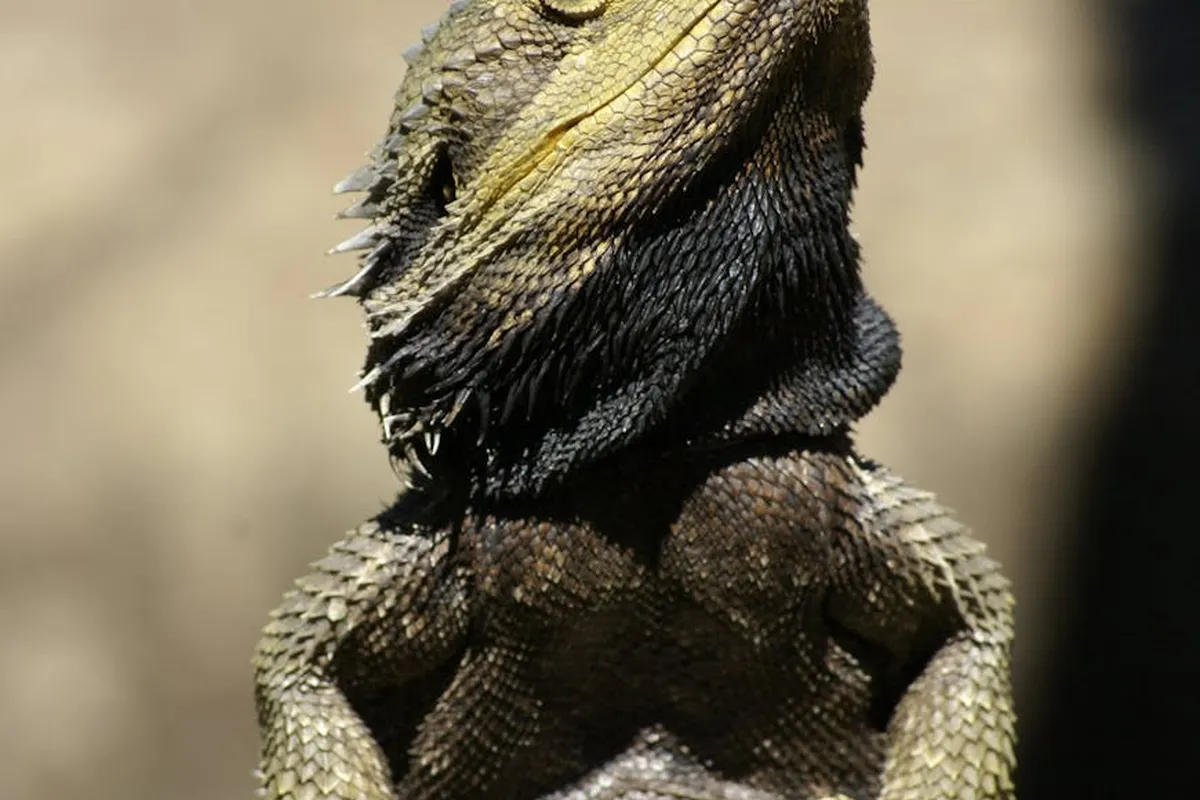
Since fish is off the menu, let’s talk about the fantastic, nutrient-packed staples that should be the stars of your dragon’s protein intake.
I have watched my own dragons thrive for years on a rotation of these safe, active feeders.
- Crickets: A classic for a reason. They are a great source of protein and get your dragon moving, which is great for their mental and physical health.
- Dubia Roaches: My personal favorite. They are meatier, less jumpy than crickets, and have an excellent protein-to-fat ratio. They are also less likely to carry parasites.
- Black Soldier Fly Larvae (Calciworms or Phoenix Worms): These are a powerhouse of calcium. I use them regularly to help balance my dragons’ calcium needs without needing excessive powder supplements.
Now, let’s compare these to fish. Our approved insect feeders provide chitin, which aids digestion, and their movement stimulates your dragon’s natural hunting instincts.
Feeding a wiggling insect is not just about nutrition; it’s about providing essential environmental enrichment that a piece of dead fish could never offer.
A fish’s body is built for a cold, aquatic life, leading to a fatty acid profile and nutrient content that is completely wrong for a desert reptile.
Insects, on the other hand, are what a bearded dragon’s system is evolutionarily designed to process efficiently.
The single most important rule for a healthy bearded dragon is a varied, species-appropriate diet. For bearded dragons, that means a complete guide to feeding: a balanced mix of gut-loaded insects and fresh greens, with occasional small amounts of lean animal protein. Cheese, however, should be avoided as dairy can be hard to digest.
I rotate through these three staple insects, and I always ensure they are properly gut-loaded with nutritious veggies before feeding them to my pets.
Age-Specific Considerations for Feeding Fish
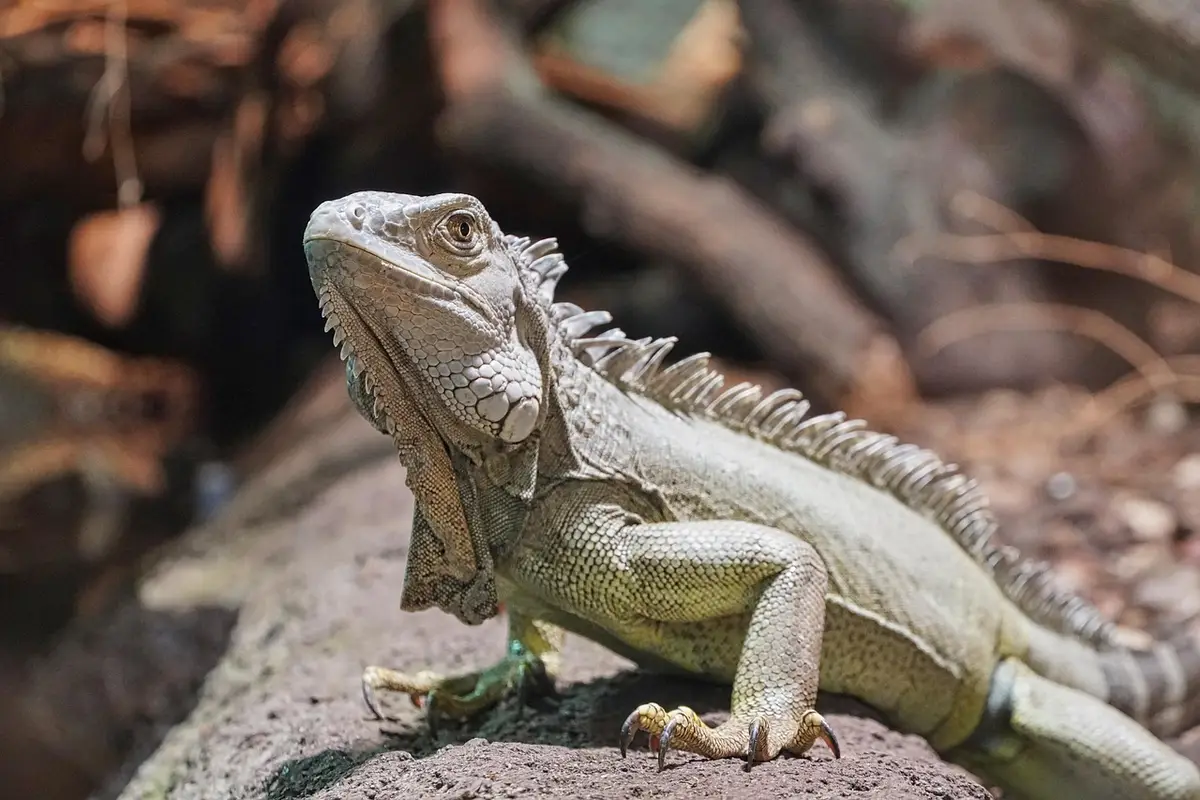
You might wonder if a tiny bit of fish could be okay for a full-grown adult, or maybe as a starter for a tiny baby. The answer is a firm no across the board.
Fish is an unsafe and inappropriate food item for both baby and adult bearded dragons.
Their bodies, regardless of age, lack the specific enzymes needed to break down the complex proteins and high levels of fat found in fish meat.
For baby and juvenile dragons, the risks are even more pronounced. They are in a critical stage of rapid growth, building bone and muscle at an incredible rate.
Their tiny systems are hyper-sensitive to dietary imbalances and toxins.
Feeding a juvenile dragon fish can disrupt their delicate calcium absorption, directly hindering bone development and setting them up for metabolic bone disease, a devastating and painful condition.
Their smaller body mass means that any potential parasites or contaminants in the fish will have a much more concentrated and dangerous effect.
Do not make the mistake of thinking an older dragon can “handle it.” Age does not magically make fish a safer option.
While an adult may not show immediate signs of illness from a tiny piece, the internal strain on their liver and kidneys from processing the wrong kinds of fat and protein is cumulative.
I would never risk the long-term health of any of my dragons, young or old, with such an unnatural food.
Frequently Asked Questions
Can bearded dragons share a tank with fish?
No, bearded dragons should not be housed with fish, as they require a dry, arid habitat with specific heat and UVB lighting, while fish need an aquatic environment; cohabitation can cause stress, injury, or health issues for both animals. In a live bearded dragon guide on bearded dragon tank mates, you’ll learn which companions are suitable and why fish are not appropriate.
Why does my bearded dragon smell like fish?
A fishy odor in bearded dragons is not normal and may signal a health issue like a bacterial infection, digestive problem, or improper diet; consult a reptile veterinarian to diagnose and address the underlying cause promptly, especially when managing their odor.
Do bearded dragons exhibit any fish-like behaviors?
While bearded dragons are not aquatic, they may occasionally swim with undulating movements that resemble fish, but this is a natural response to water and not an indication they should eat or live with fish.
Final Verdict
To keep your scaly friend safe and healthy, the definitive answer is no-you should not feed your bearded dragon fish. From the risks of parasites in raw fish to the high-fat content and harmful preservatives in canned tuna, the potential for serious health issues is simply too great. I’ve seen firsthand how the wrong food can lead to digestive troubles, and it’s a stressful situation for both you and your pet that is easily avoided.
Stick with the proven, nutritious staples they thrive on: a balanced diet of live insects and fresh, leafy greens. This provides all the protein and nutrients they need without any of the hidden dangers. Your bearded dragon will live a longer, happier life by enjoying the foods that nature designed for them. For a complete guide on safe foods and feeding, see our Bearded Dragons Eat Complete Guide. It covers safe foods, portion sizes, and common hazards to avoid.
Further Reading & Sources
- Can Bearded Dragons Eat Fish? Goldfish, Tuna, Shrimp and More – Dragon’s Diet
- Can Bearded Dragons Eat Fish? Vet-Reviewed Nutrition Facts & FAQ | Hepper Pet Resources
- Bearded dragons and Fish | Feeding
Bearded Dragon Lair is the ultimate resource for bearded dragon enthusiasts, offering expert advice and practical tips to ensure the health and happiness of your scaly companion. With years of experience in reptile care, we are dedicated to providing accurate, up-to-date information to support your bearded dragon journey.
Feeding Guidelines