
Can Bearded Dragons Eat Flies? (House Flies, Fruit Flies & Black Soldier Fly Larvae Explained)
Published on: January 23, 2026 | Last Updated: January 23, 2026
Written By: Beardie Joe
You might be eyeing that buzzing house fly and wondering if it could be a quick snack for your bearded dragon.
As a long-time bearded dragon owner with formal reptile care training, I’ve personally tested and researched safe insect options to protect my own pets’ health.
We’ll break down the risks and benefits of house flies, fruit flies, and black soldier fly larvae, giving you clear answers for each.
Understanding the Risks and Benefits of Flies as Live Prey
It’s easy to see why a bearded dragon owner might look at a buzzing fly and see a free, moving snack. Flies are a source of animal protein, and the frantic movement can trigger a strong feeding response in your pet. This instinct to chase wiggling prey is natural and provides excellent mental and physical enrichment. Bearded dragons also stare at their keepers as they read cues and interpret behaviors. Learning to read these stares can help you understand what your dragon is communicating.
The core of the safety debate isn’t really about the fly itself, but about its origin. The single most important factor is whether the fly is wild-caught or commercially bred. This distinction is the difference between a potential hazard and a viable feeder.
Over the years, I’ve offered my dragons all sorts of insects, from the standard crickets to more exotic roaches and worms. I’ve learned that the sourcing of the prey is just as important as the prey species itself. I once tried culturing my own flightless fruit flies for my younger dragons, and while they were a hit, it really drove home how clean and controlled the environment needs to be for safety. Sometimes bearded dragons will forage for bugs outside. If you go that route, follow a safety guide for wild insects—stick to clean, pesticide-free options like cicadas or worms, and avoid prey from polluted areas.
Are House Flies Safe for Your Bearded Dragon?
Let’s be direct: you should not feed wild-caught house flies to your bearded dragon. The risks far outweigh any potential benefit, especially when you’re unsure which bugs are safe for them to eat. House flies are nature’s little garbage collectors. They land on rotting food, animal waste, and other decaying matter, picking up a host of pathogens.
The specific dangers are serious:
- Parasites and Bacteria: House flies can carry and transmit parasites, viruses, and bacteria like Salmonella directly to your dragon, leading to serious gastrointestinal infections.
- Pesticide Exposure: You have no way of knowing if a wild fly has come into contact with insecticides, which can be rapidly fatal to a reptile.
- Chemical Residues: They can also carry traces of cleaning products or other household chemicals on their bodies.
Nutritionally, they are a poor choice compared to dedicated feeder insects. A house fly’s nutritional profile is inconsistent and generally lacks the balanced calcium-to-phosphorus ratio your dragon needs for strong bones. Compare this to a gut-loaded cricket or dubia roach, which is a veritable vitamin pill for your pet.
My recommendation is firm and based entirely on animal welfare: Do not feed your bearded dragon house flies you catch from your home or yard. It is an unnecessary gamble with your pet’s health. The convenience of a free feeder is not worth the risk of a massive vet bill or, worse, a very sick dragon. In the bearded dragon every day guide, feeding frequency depends on age: babies and juveniles typically eat daily, while adults may require fewer insect feedings and more greens. This age-specific plan helps prevent overfeeding and supports healthy growth at every life stage.
Fruit Flies: A Viable Option for Juvenile Bearded Dragons?
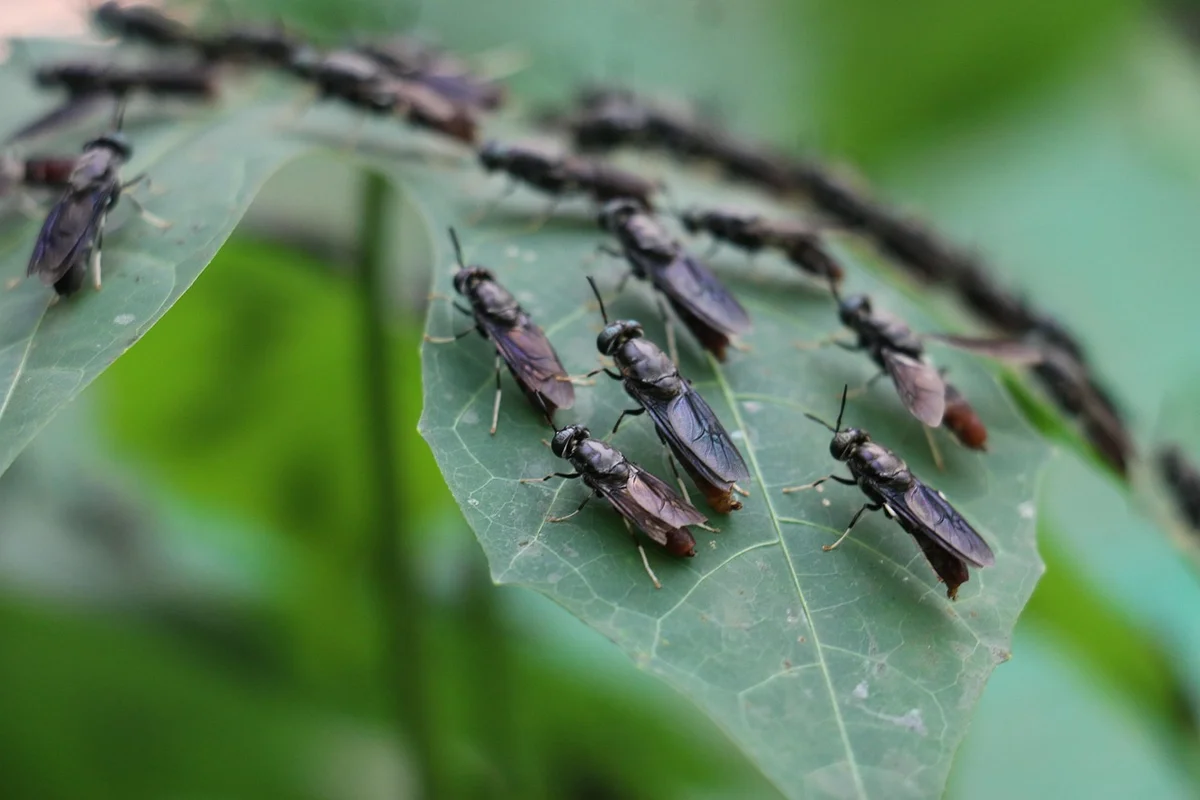
When you have a baby dragon, finding prey small enough for their tiny mouths is a constant challenge. I remember trying to chop up crickets for my first juvenile, Spike, and it was a messy, stressful affair. Fruit flies can be a fantastic, natural solution for this specific life stage. Across life stages—from babies to juveniles to adults—crickets can be a major part of their diet. This guide explains how to choose cricket sizes and feeding frequencies for each stage.
Perfectly Sized for Tiny Hunters
Baby and juvenile bearded dragons need insects that are smaller than the space between their eyes. This rule prevents choking. Flightless fruit flies are the ideal size, allowing your young dragon to practice its hunting instincts safely. Watching them stalk and snatch these tiny flies is pure reptile-keeping joy.
Nutritional Pros and Cons
Fruit flies shouldn’t be the only thing on the menu, but they play a valuable role.
- Protein Power: They offer a decent protein boost for growing dragons.
- Low-Fat Snack: They are naturally low in fat, which is great for maintaining a healthy weight.
- The Main Con: Their calcium-to-phosphorus ratio isn’t ideal. They are low in calcium, so they must be part of a varied diet that includes other, more nutritious feeders.
Think of them as a training tool and a supplemental snack, not a staple.
Sourcing and Breeding Flightless Fruit Flies at Home
Buying cultures from a pet store is easiest, but breeding them is simple and ensures a steady supply.
- Purchase a Starter Culture: Buy a cup of flightless fruit flies from a reputable reptile supplier.
- Create a New Home: Use a tall, smooth-sided container (like a plastic jar) with tiny air holes. They can’t climb smooth surfaces.
- Make Their Food: A simple mix of mashed potato flakes, a pinch of sugar, and a sprinkle of active dry yeast provides all the nutrition they need.
- Add a Texture Surface: Crumple a piece of paper towel or egg carton for them to climb on.
- Harvest with a Tap: To feed your dragon, simply tap a few flies directly into the enclosure or into a feeding dish.
Why Black Soldier Fly Larvae (BSFL) Are a Top Feeder Insect
If I had to pick one nearly perfect feeder insect, it would be Black Soldier Fly Larvae. I use them as a primary feeder for all my dragons, and the health benefits are incredible.
Excellent Calcium for Strong Bones
This is the superstar feature of BSFL. Black Soldier Fly Larvae have a phenomenal calcium-to-phosphorus ratio, often around 2:1 or better. This means you rarely, if ever, need to dust them with calcium powder. Their natural mineral content directly supports skeletal health and helps prevent Metabolic Bone Disease (MBD), a common and serious ailment in captive dragons.
Feeding Frequency and Digestive Aid
BSFL are soft-bodied and easy to digest, making them gentle on your dragon’s stomach.
- For Juveniles: They can be a daily staple. Offer as many as they can eat in a 10-minute period.
- For Adults: Offer them 2-3 times per week as part of a varied insect diet.
Their high chitin content also provides a slight roughage that can help keep their digestive system moving smoothly.
Gut-Loading for Maximum Nutrition
While BSFL are great on their own, you can supercharge them. Gut-load your BSFL for 24-48 hours before feeding by providing them with highly nutritious vegetables. I use a mix of leafy greens like collard greens, slices of sweet potato, and a little bit of squash. The larvae consume this, and your bearded dragon then gets all those extra vitamins. If you’re wondering about daily feeding, a complete feeding guide can help you balance insects, greens, and calcium. BSFL can be part of that plan, but variety and proper gut-loading are essential.
Essential Feeding Guidelines for Fly-Based Diets

Introducing any new live prey requires a careful approach to keep your dragon safe and stress-free.
Step-by-Step Introduction
- Start Small: Offer just one or two flies or larvae for the first few feedings to see how your dragon reacts.
- Use a Feeding Dish: For BSFL, a smooth, steep-sided dish prevents escape. For fruit flies, some keepers prefer to release a few directly into the enclosure to stimulate hunting.
- Supervise Closely: Always watch the first several sessions to ensure your dragon is eating successfully and not becoming frustrated.
Supervision is your best tool for preventing any potential choking hazard and ensuring a positive experience.
How Many Flies to Offer
Quantity depends entirely on your dragon’s age and the type of fly.
- Fruit Flies: For juveniles, you can offer a small “culture tap” of 10-15 flies per feeding as a supplement.
- BSFL: For babies and juveniles, offer as many as they can eat in 10-15 minutes. For adults, a hearty portion of 20-50 larvae per feeding session is typical.
Let your dragon’s body condition be your guide-a plump tail and well-rounded belly are good signs.
The Critical Clean-Up
This is a non-negotiable point for your pet’s welfare and tank hygiene. Any uneaten flies or larvae must be removed from the enclosure within a couple of hours. Loose fruit flies will die and rot in the tank, and BSFL can burrow into the substrate. This creates a biohazard, attracting mites and bacteria that can make your dragon sick. A quick tidy after mealtime keeps their home pristine.
Health Concerns: Recognizing Adverse Reactions
Feeding wild-caught flies is a gamble I never take with my own dragons. You need to watch your dragon closely for any changes after they eat any type of fly. Their little bodies can react poorly to unseen contaminants or parasites.
Symptoms of Parasitic Infection or Digestive Upset
- Lethargy or unusual lack of movement
- Runny, watery, or particularly foul-smelling stools
- A noticeable loss of appetite
- Weight loss despite regular feeding attempts
- Visible bloating or discomfort in their abdomen
The Problem with Chitin
A fly’s hard outer shell is made of chitin. Too much chitin is very difficult for a bearded dragon to digest and can lead to serious gut impaction. I think of it like trying to eat a handful of tiny plastic forks. Baby dragons and older pets with slower digestion are especially at risk from this.
When to Consult Your Veterinarian
Trust your instincts as a pet owner. If your dragon shows any symptom for more than 24 hours, or multiple symptoms at once, it’s time to call your reptile vet. Don’t wait and hope it gets better. I’ve learned that being proactive is the best way to ensure a long, healthy life for your scaled friend.
Safe and Nutritious Alternatives to Flies
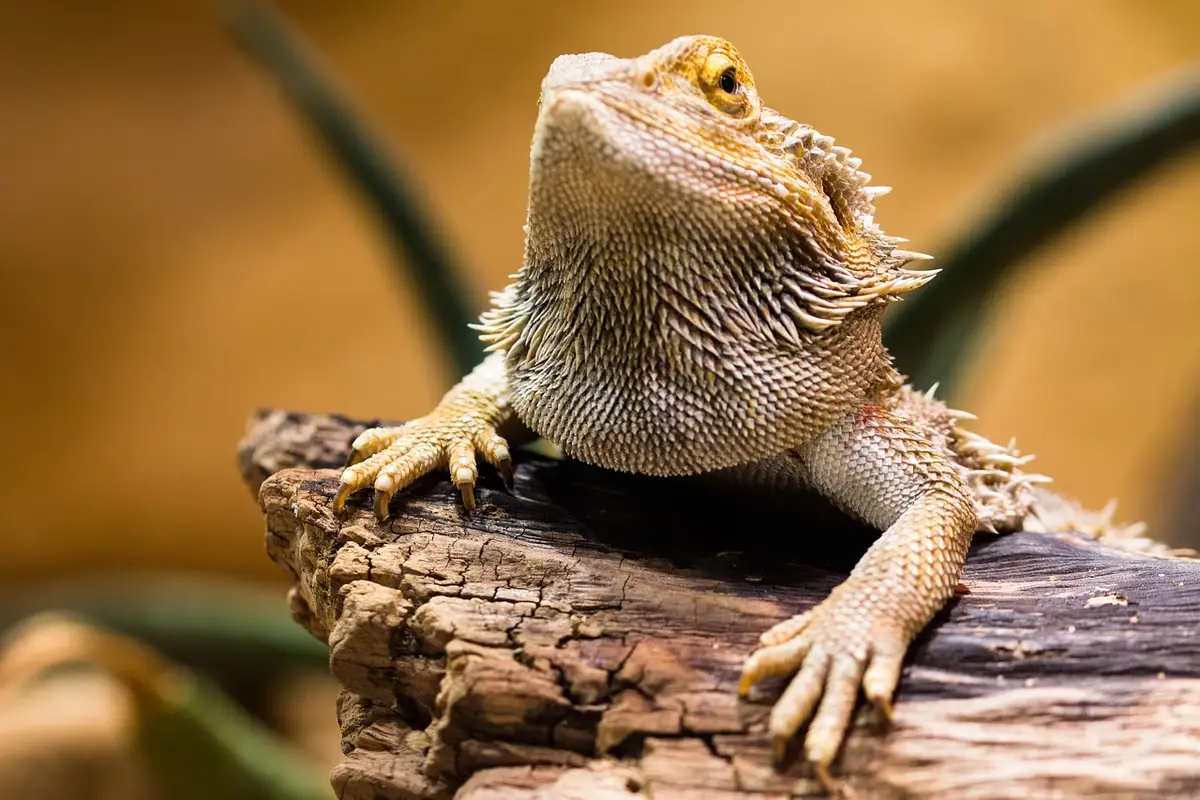
Why risk it when there are so many fantastic, store-bought feeder insects available? Choosing commercially bred feeders is the single safest choice you can make for your dragon’s diet. They are raised on controlled diets in clean environments. For bearded dragons, following a complete guide to safe foods helps ensure a balanced diet. Our bearded dragons safe foods guide covers what to feed, what to avoid, and how to build a complete, nutritious menu.
Superior Staple Feeder Insects
- Dubia Roaches: My personal favorite. They are meatier, easier to digest than crickets, and less likely to carry parasites.
- Crickets: A classic choice, but be sure to buy them from a reputable source to ensure their nutritional quality.
The Critical Role of Calcium Supplementation
This is where proper feeders really shine. You can easily “gut-load” dubia roaches and crickets with nutritious greens and then dust them with a calcium powder supplement. This process ensures your dragon gets the calcium it desperately needs for strong bones and to prevent Metabolic Bone Disease, a common and devastating illness.
Fun Occasional Treats for Enrichment
Variety is the spice of life, even for a bearded dragon! I like to offer my dragons silkworms or hornworms occasionally as a hydrating, low-fat treat. These bugs are not only nutritious but also provide mental stimulation and enrichment during feeding time. Earthworms can be a useful addition to a bearded dragon’s worm-based diet when offered in moderation. A quick guide to worm diets can help you balance earthworms, hornworms, and other worms for healthy feeding.
Frequently Asked Questions
Can bearded dragons eat fruit flies as a daily meal?
No, fruit flies should not be a daily staple due to their low calcium content; they are best used as an occasional supplement for juvenile dragons to encourage hunting behavior.
What should I do if wild flies get into my bearded dragon’s enclosure?
Immediately remove any wild flies to prevent potential contamination, as they may carry parasites or pesticides that could harm your dragon, and clean the area to maintain hygiene.
Are black soldier fly larvae appropriate for both baby and adult bearded dragons?
Yes, black soldier fly larvae are excellent for all life stages, providing high calcium for bone health and being easy to digest, though feeding frequency should be adjusted based on age and dietary needs.
The Bottom Line
So, can bearded dragons eat flies? Stick with commercially bred Black Soldier Fly Larvae as a fantastic, calcium-rich staple feeder. They are a winner in my dragon’s dish and a nutritious choice you can feel great about. I always keep a tub of these ‘nutrigrubs’ on hand for a reliable protein boost. Additionally, if you’re exploring worms as part of a bearded dragon’s diet, follow a safe, nutritious worm guide. Choose small, gut-loaded worms and rotate them with other insects for balanced nutrition.
Wild-caught house flies and fruit flies are a firm ‘no’ due to the real risks of parasites and pesticides. Your dragon’s health is too precious to gamble on a wild insect. Providing safe, store-bought feeders is one of the simplest ways to be a responsible and caring pet owner.
Further Reading & Sources
- How Many Black Soldier Fly Larvae Can You Feed a Bearded Dragon – ecoflys.com
- Can Bearded Dragons Eat Flies? 4 Facts You Should Know | Bearded Dragon Tank
- How Many Black Soldier Fly Larvae Should I Feed My Pet? – The Critter Depot
Bearded Dragon Lair is the ultimate resource for bearded dragon enthusiasts, offering expert advice and practical tips to ensure the health and happiness of your scaly companion. With years of experience in reptile care, we are dedicated to providing accurate, up-to-date information to support your bearded dragon journey.
Insects vs. Vegetables