
Can Bearded Dragons Eat Grapes?
Published on: December 27, 2025 | Last Updated: December 27, 2025
Written By: Beardie Joe
You’re holding a grape, and your bearded dragon is giving you that look, making you wonder if this juicy fruit is a safe treat.
As an owner of multiple beardies, I’ve navigated these exact questions and will help you understand the facts.
We’ll cover the different types of grapes, how to serve them safely, and the right frequency to keep your pet healthy and happy.
Grape Safety for Bearded Dragons
Understanding Oxalates and Sugar in Grapes
I always tell new owners that the two biggest things to watch for in a bearded dragon’s diet are oxalates and sugar. Grapes contain both, which is why they shouldn’t be a regular part of a bearded dragon’s diet.
Oxalates, or oxalic acid, are natural compounds that can bind to calcium inside your dragon’s body. When oxalates bind to calcium, they create a compound that your pet cannot absorb, which can lead to a calcium deficiency over time. I’ve seen the effects of this, and it’s heartbreaking. Metabolic Bone Disease (MBD) is a real risk with a diet too high in high-oxalate foods.
Grapes have a moderate oxalate level. This doesn’t make them poisonous, but it does mean they must be a rare treat. You wouldn’t want to counteract all the good work you’re doing with their calcium dusting.
How Sugar Affects Bearded Dragon Digestion
Think about a bearded dragon’s natural diet in the wild. It’s mostly low-sugar leafy greens and low-sugar insects. Their bodies are not designed to process a lot of simple sugars. In captivity, vegetables are a central part of their diet, and this Bearded Dragons Eat Vegetables Complete Feeding Guide explains how to include them in daily meals.
Grapes are little sugar bombs. That high fructose content can cause some real problems in their digestive tract. Too much sugar can disrupt the healthy gut flora in your bearded dragon’s stomach, leading to diarrhea, bloating, and general discomfort. It’s especially important to avoid feeding them any of the toxic foods that are harmful to bearded dragons.
I think of it like this: their system is a finely tuned machine for breaking down tough chitin and fibrous plants. Sudden sugar rushes just gum up the works. Over the long term, a sugary diet can contribute to obesity and even organ issues like fatty liver disease. It’s just not a risk worth taking for a daily snack.
Types of Grapes and Grape Parts for Bearded Dragons
Seedless vs. Seeded Grapes
If you decide to offer a grape, the choice between seedless and seeded is simple. Always, always choose seedless grapes.
Here is why seeded grapes are a definite no-go:
- Choking Hazard: A grape seed is the perfect size to get lodged in a bearded dragon’s throat. It’s a terrifying situation to witness and can be fatal.
- Impaction Risk: Even if swallowed, that hard seed is difficult to digest and can cause a serious blockage in their intestines. Impaction is a medical emergency.
- No Nutritional Benefit: The seed offers nothing good for your pet. It’s pure risk.
Stick with seedless varieties like Thompson or Flame seedless. They are the only safe option. I only ever have seedless grapes in my house for this exact reason.
Are Grape Leaves or Grape Tomatoes Safe?
This is a common point of confusion because of the similar names. Let’s clear it up.
Grape Leaves: Yes, grape leaves from a grapevine are actually safe for bearded dragons to eat! They are a low-oxalate, fibrous green. I’ve grown my own grapevines for years just to have a safe, pesticide-free source. They make a wonderful occasional addition to a salad mix, providing variety and enrichment. Just be 100% certain they haven’t been treated with any chemicals. On a complete greens list for bearded dragons, grape leaves are considered safe. They should be rotated with other greens and offered in moderation.
Grape Tomatoes: No, these are not the same thing. “Grape tomato” is just a name for a small, oblong variety of tomato. Tomatoes are a nightshade vegetable and are not recommended for bearded dragons. They are acidic and can cause digestive upset. So, while the name is similar, grape tomatoes are off the menu. Stick to the actual fruit of the grapevine, offered sparingly.
Nutritional Value of Grapes in a Dragon Diet
Let’s get straight to the point: grapes are a sugary treat, not a dietary staple. I think of them as the occasional dessert for my dragons, not their main course. Their high water and sugar content means they offer very little of the protein and fiber your bearded dragon needs to thrive. In a complete guide to safe foods for bearded dragons, grapes are an occasional treat, not a staple. A balanced diet centers on greens, insects, and calcium-rich options.
Here’s a quick look at what’s inside a typical grape:
- High Water Content: Great for a little hydration boost, but too much can lead to loose stools.
- Natural Sugars: The primary reason to limit portions. Excess sugar can lead to weight gain and other health issues over time.
- Trace Vitamins: They contain small amounts of Vitamin C and K, which are beneficial but not unique to grapes.
- Low Protein and Fat: Confirms their status as a treat, not a substantial food source.
Balancing Grapes with Calcium Supplementation
This is where many new owners run into trouble. Grapes, like many fruits, have a poor calcium-to-phosphorus ratio. Phosphorus can bind to calcium inside your dragon’s body, preventing its absorption and potentially leading to Metabolic Bone Disease (MBD), a serious and painful condition.
From my own routine, here is how I manage this imbalance:
- Dust Every Time: I always lightly dust the grape pieces with a phosphorus-free calcium powder right before serving.
- Stick to the Schedule: For my adult dragons, grapes are a rare treat, offered no more than once every couple of weeks. This infrequency prevents the phosphorus from building up and causing issues.
- Focus on Greens: The bulk of their diet is always calcium-rich greens like collard and mustard greens, which naturally support their skeletal health.
Preparing Grapes for Your Bearded Dragon
Proper preparation is non-negotiable for your dragon’s safety. A little extra effort here makes all the difference.
Washing and Chopping Techniques
I never skip these steps. Pesticides on the skin are a real danger to our small-scale friends.
- Wash Thoroughly: I rinse grapes under cool running water, gently rubbing each one to remove surface residues. For extra caution, a quick soak in a vinegar-water solution works wonders.
- Peel the Skin (Optional but Recommended): The skin is tough for them to digest and is where most pesticides linger. I usually peel it off, especially for younger dragons.
- Remove All Seeds: This is critical. Seeds are a major choking hazard. Only offer seedless grape varieties and double-check each piece.
- Chop to Size: I chop the grape into small, manageable pieces no larger than the space between my dragon’s eyes. This prevents choking and makes eating much easier for them.
Serving Ideas and Mix-Ins
Grapes should never be a solo act. Mixing them into a nutrient-dense salad is the best way to ensure your dragon gets a balanced meal, even with a treat inside.
Here are a few combinations my dragons go crazy for:
- The Classic Mix: Chopped grapes, torn collard greens, and a few bits of shredded butternut squash.
- The Hydration Helper: A small amount of grape pieces mixed with dandelion greens and a little bit of diced bell pepper.
- The Foraging Fun: I’ll hide a few tiny grape pieces within a pile of arugula to encourage natural foraging behavior.
Remember, the grape is the exciting part of the meal, but the greens are the main event. This method keeps treats fun and safe.
Feeding Guidelines: Portion Size and Frequency
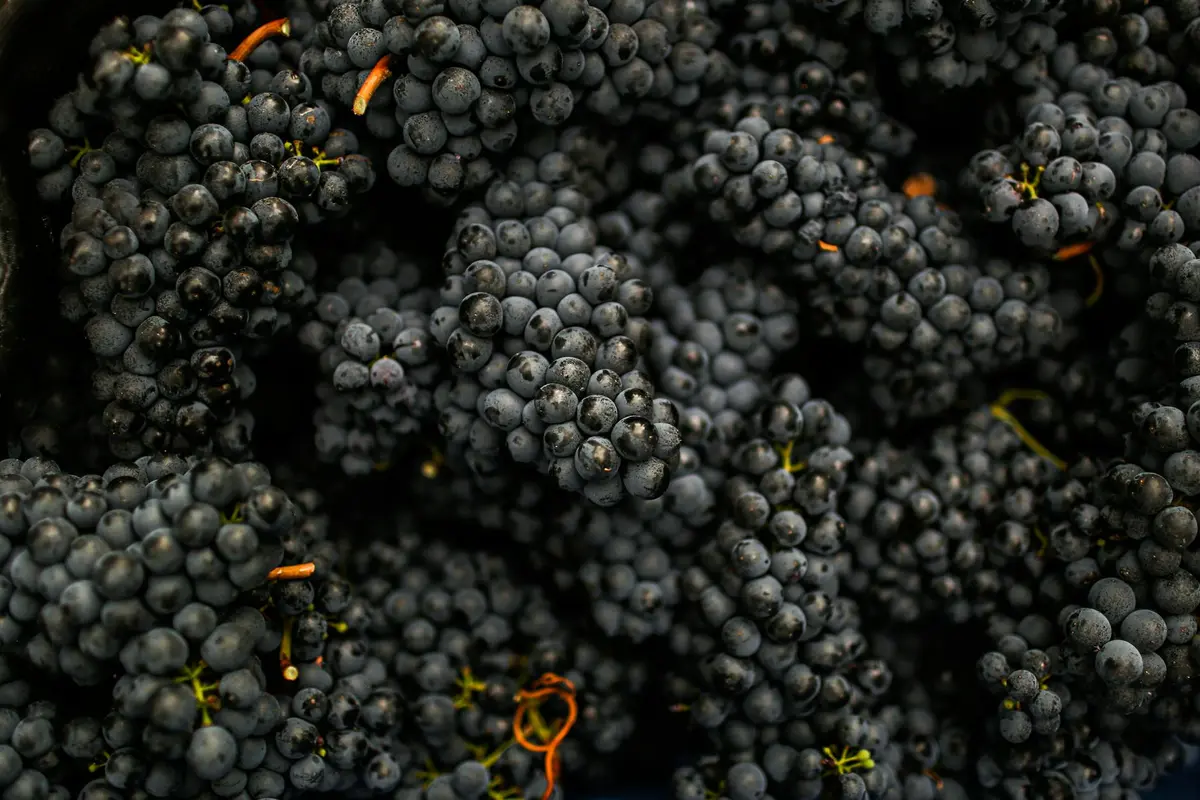
Getting the amount right is just as important as the food itself. Grapes are a treat, and I’ve learned to serve them with a light hand to keep my dragons healthy and excited for their special snack.
Portion Sizes for Juveniles vs. Adults
Think of a grape not as a meal, but as a tiny dessert. The size of your dragon dictates how much of that dessert they get.
- For Juveniles: A single, properly chopped grape piece is more than enough. Their little bodies are growing machines that need protein from insects, not sugar from fruit.
- For Adults: You can offer 2-3 small, seedless pieces, roughly the size of the space between their eyes. An entire grape is almost always too much for one sitting.
How Often to Offer Grapes
Frequency is key. You don’t get dessert every day, and neither should your bearded dragon.
- I use grapes as a high-value reward, maybe once every couple of weeks.
- Think of them as a special occasion treat, not a weekly staple.
- Rotating different safe fruits ensures a more varied and balanced diet. This prevents them from becoming picky eaters holding out for their favorite sugary snack.
Risks and Signs of Adverse Reactions
Even with perfect preparation, things can sometimes go sideways. Being a good pet owner means knowing what to watch for.
What to Do If Your Dragon Chokes or Has Diarrhea
Staying calm is your first and most important job. I’ve had a scare or two over the years, and a clear plan makes all the difference.
If you suspect choking (gasping, pawing at the mouth, panic):
- Do not try to blindly reach into their throat. You could cause serious injury.
- Gently hold your dragon and see if they can dislodge it themselves.
- If they are in clear distress, a very gentle, downward tilt can help. This is a last resort and should be done with extreme care. Immediately contact your reptile vet.
If your dragon develops diarrhea:
- Immediately stop feeding all fruits, including grapes.
- Focus their diet on easily digestible greens and their staple insects.
- Ensure they have fresh water to prevent dehydration. Diarrhea can dehydrate a small animal quickly, so monitor them closely.
- If it doesn’t resolve within a day or two, or if your dragon becomes lethargic, it’s time for a vet visit.
Healthy Alternatives to Grapes

While a grape can be a fun, juicy surprise for your bearded dragon, it’s smart to have a whole menu of safer, more nutritious options ready to go. Rotating their treats prevents them from becoming picky and ensures they get a wider range of vitamins. I always keep a mix of these in my fridge, so I’m never stuck wondering what to offer.
Best Fruits for Occasional Treats
Fruits should make up only a tiny part of your dragon’s diet, but when you do offer them, these are my top picks. Bearded dragons eat blueberries, strawberries, raspberries, and other berries in small amounts. They are generally lower in sugar and oxalates than grapes, making them a better choice for that special snack.
- Blueberries: These are a superstar in my home. My bearded dragon, Draco, goes crazy for them. They’re packed with antioxidants and are a great size for a quick treat. I just make sure to cut any particularly large ones in half.
- Raspberries and Blackberries: Another fantastic berry option. They are soft and easy to eat, but I only offer one or two at a time because of their high water content.
- Papaya: This is a wonderful tropical treat. It’s not only sweet but also contains enzymes that can aid in digestion. I always remove all the seeds and offer just a few small cubes.
- Mango: A real favorite for its flavor and high Vitamin A content, which is great for their eyes and skin. The key is to offer it sparingly due to its sugar levels, and I always peel it and remove the large pit first.
- Watermelon: Perfect for a hydrating snack on a hot day. I stick to the red flesh and avoid the rind and seeds. It’s mostly water, so it’s very low in nutritional value, but it’s a fun, safe way to get some extra fluids into them.
- Figs (fresh): A less common but excellent choice. They are a good source of calcium and fiber. I make sure they are very ripe and soft, and I only offer a small piece once in a while.
No matter which fruit you choose, the golden rule is always to wash it thoroughly and chop it into pieces smaller than the space between your dragon’s eyes. This simple step prevents choking and makes life much easier for your little buddy. Seeing them happily munch on a healthy, colorful treat is one of the small joys of being a reptile owner.
Frequently Asked Questions
Can bearded dragons eat green grapes?
Yes, green grapes are safe for bearded dragons in moderation, as long as they are seedless, thoroughly washed, and chopped into small, manageable pieces to reduce choking risks and digestive issues. However, not all fruits are safe for them.
Can bearded dragons eat red grapes?
Red grapes are equally safe for bearded dragons when prepared correctly, with no significant nutritional differences from green varieties; always choose seedless types and serve sparingly to avoid sugar-related health problems. Ensure they are part of a balanced diet alongside other safe fruits and vegetables.
Do bearded dragons enjoy eating grapes?
Many bearded dragons find grapes appealing due to their sweet taste, but individual preferences vary, and they should only be given as an occasional treat to prevent reliance on sugary foods. In a complete safe feeding guide, grapes are listed as an occasional fruit and should be offered sparingly, alongside a variety of other safe fruits and greens.
Final Thoughts
So, can your bearded dragon eat grapes? Yes, this juicy fruit can be a perfectly safe and hydrating treat when offered correctly. From my own experience, my dragons get visibly excited by the sweet flavor, making it a fun snack for special occasions. This is just one example from a broader list of fruits bearded dragons can eat. To help you feed safely, here’s a complete safe/unsafe fruits list for bearded dragons.
The golden rule is always moderation and preparation. Remember to wash thoroughly, cut into tiny pieces, and remove any seeds to prevent choking. Offering grapes once or twice a month keeps your dragon’s diet varied without the risks of overdoing sugar.
Further Reading & Sources
- r/BeardedDragons on Reddit: Can bearded dragons have grapes?
- Can Bearded Dragons Eat Grapes? | PetMD
- Can Bearded Dragons Eat Grapes? All You Need to Know – Dragon’s Diet
Bearded Dragon Lair is the ultimate resource for bearded dragon enthusiasts, offering expert advice and practical tips to ensure the health and happiness of your scaly companion. With years of experience in reptile care, we are dedicated to providing accurate, up-to-date information to support your bearded dragon journey.
Feeding Guidelines