Can Bearded Dragons Eat Meat and Cheese? Your Diet Guide
Published on: January 12, 2026 | Last Updated: January 12, 2026
Written By: Beardie Joe
You’re staring at your bearded dragon and that leftover piece of meat or cheese, wondering if it’s a safe treat.
As an owner of multiple beardies with years of hands-on reptile care experience, I’m here to give you the straight facts to protect your pet’s health.
We’ll cover why meat and cheese are problematic, what their ideal diet looks like, and the safe, nutritious alternatives I use for my own dragons.
Understanding the Bearded Dragon Diet
As an omnivorous reptile, your bearded dragon needs a mix of animal-based protein and plant-based foods to truly thrive. This balanced approach is the absolute cornerstone of keeping them healthy and active for years to come. I’ve found that thinking of them as tiny, scaly foodies who need a varied menu is the best way to approach their care. If you’re wondering, ‘do bearded dragons eat a complete diet?’, this is where a complete feeding guide for pets comes into play. It translates their omnivorous needs into a practical, age- and size-appropriate menu you can follow day to day.
Bearded Dragon Diet List
Here’s a quick list of safe and nutritious foods I regularly rotate through for my own dragons.
- Safe Insects: Dubia roaches, crickets, black soldier fly larvae, and occasional mealworms or waxworms as treats.
- Staple Greens & Veggies: Collard greens, dandelion greens, mustard greens, endive, butternut squash, and bell peppers.
- Fruits (as occasional treats): Blueberries, raspberries, and finely chopped mango or papaya.
Bearded Dragon Diet by Age
Their nutritional needs shift dramatically as they grow. Getting this ratio right is one of the most impactful things you can do for your dragon’s long-term health.
- Babies & Juveniles (0-12 months): Their diet should be about 80% insects and 20% greens. They need that protein burst for their rapid growth spurts.
- Adults (18+ months): This flips completely. Adults need a diet of about 80% greens and vegetables and only 20% insects to prevent obesity and liver issues.
Essential Greens and Vegetables
I always have a mix of collard, mustard, and dandelion greens in my fridge. Offering a rotating selection of these staple greens is your best defense against nutritional deficiencies and a bored beardie. Variety isn’t just the spice of life for them; it supports robust gut health and ensures they get a full spectrum of vitamins. My dragon, Gandalf, gets noticeably more excited for his salads when I mix in some shredded squash or a few bits of red bell pepper for color.
Can Bearded Dragons Eat Meat?
When we talk about “meat” for bearded dragons, we are specifically and exclusively referring to live, gut-loaded insects. Feeding them cooked meats, processed lunch meats, or raw beef is a direct path to serious health complications and should always be avoided. Their digestive systems are simply not built to handle mammalian proteins or the fats and seasonings we use. This is part of a broader guide on what bearded dragons can and can’t eat, including toxic foods to avoid. Sticking to safe insect prey helps keep them healthy.
I learned this lesson early on when one of my first dragons snagged a tiny piece of plain, cooked chicken. The resulting digestive upset was a stressful weekend for both of us. Stick to the insects they have evolved to eat; it’s the safest and most natural choice for their protein.
Safe Meat and Insect Options
Your go-to insect list should look something like this. I source mine from reputable online breeders to ensure they are healthy and parasite-free.
- Dubia Roaches: A fantastic staple, high in protein and easy to digest.
- Crickets: A classic choice, but be sure to remove any uneaten ones from the tank.
- Black Soldier Fly Larvae (Calciworms®/Phoenix Worms): These are a powerhouse of calcium.
- Silkworms: Great for hydration and protein.
How Much Meat to Feed
Portion control is everything with protein. A good rule of thumb is to offer only as many insects as your dragon can consume in a 10-15 minute feeding session. For a juvenile, this might be 20-50 small crickets twice a day, while an adult may only get 5-10 large dubias every other day. Watching their body condition is key; if they start looking pudgy, it’s time to cut back on the bugs and push those leafy greens.
Can Bearded Dragons Eat Cheese?
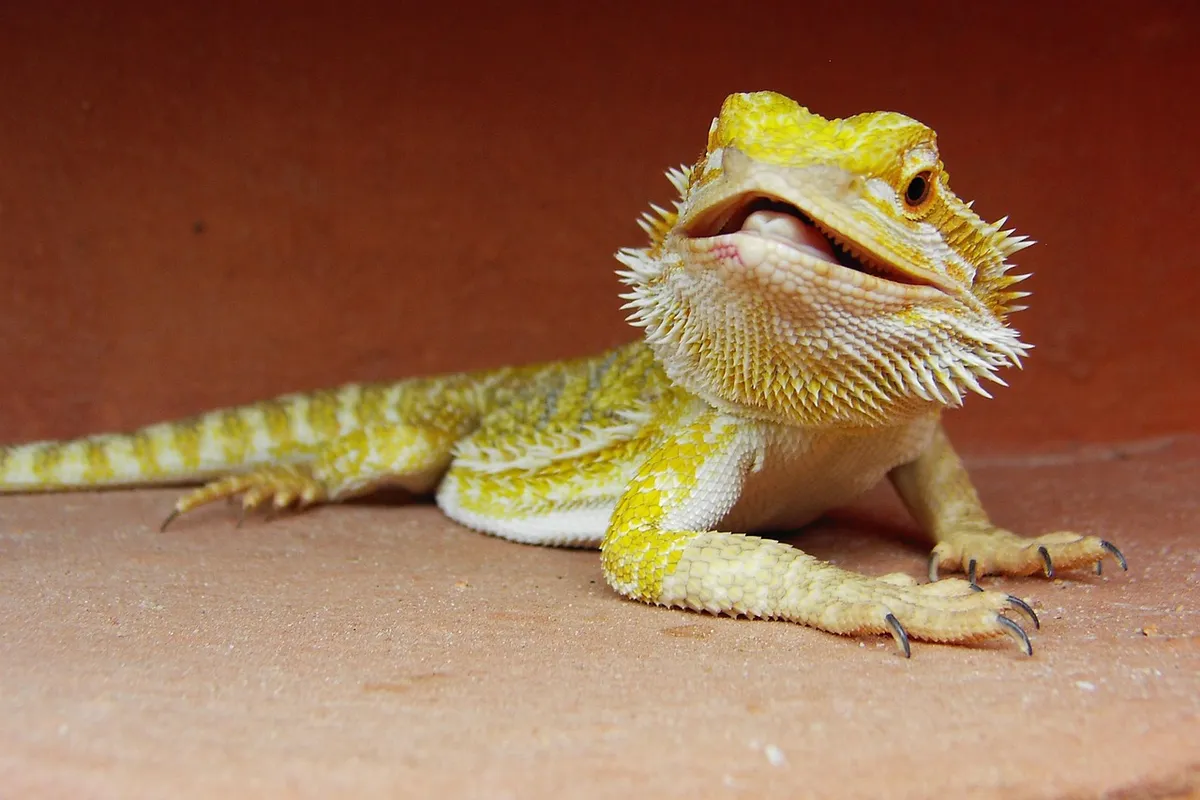
You might wonder if a little cheese could be a tasty treat for your bearded dragon, but the answer is a firm no. Bearded dragons are lactose intolerant, meaning their bodies can’t break down the sugar in dairy products like cheese. I’ve seen firsthand how even a small amount can upset their stomachs, leading to discomfort and health issues. Tomatoes can be offered as an occasional treat when prepared properly. If you’re looking for safe feeding guidance, a bearded dragons eat tomatoes guide can help you navigate portions, prep, and frequency.
Feeding cheese risks their digestive health and hydration. Diarrhea from dairy can quickly dehydrate your dragon, which is dangerous for these desert animals. In my care, I stick to foods that mimic their natural diet to keep them thriving.
If you’re worried about calcium, there are much safer options. Dust their insects with a calcium powder supplement or offer calcium-rich greens like collard greens and dandelion leaves. This approach ensures they get the nutrients without the risks.
Don’t stress if you’ve made this mistake-many owners do. Learning and adjusting is part of being a great pet parent, and your dragon will thank you for it.
Why Cheese is Problematic
- Impaction: Cheese can cause blockages in their digestive tract, leading to serious health emergencies.
- Nutrient imbalances: It’s high in fat and phosphorus, which can disrupt calcium absorption and lead to metabolic bone disease.
- Dehydration: Lactose intolerance often results in diarrhea, sapping essential fluids from their system.
Compare this to safer calcium sources like commercial reptile calcium powders or veggies such as mustard greens. These options provide balanced nutrition without the digestive drama. From my experience, switching to these alternatives keeps dragons active and healthy.
Risks of Feeding Meat and Cheese
Offering meat or cheese might seem like a protein boost, but it poses real dangers. These foods can cause digestive blockages, obesity, and nutrient deficiencies that shorten your dragon’s life. I always remind fellow owners that a natural diet is key to their well-being.
If your dragon accidentally eats meat or cheese, act quickly. Monitor them for signs of distress, ensure they have fresh water, and contact a reptile vet if you notice any unusual behavior. Early intervention can prevent bigger problems.
Advocating for animal welfare means respecting their biological needs. Stick to insects and vegetables to support their health and happiness. In my years of reptile care, I’ve seen how proper nutrition transforms their vitality.
Common Health Issues
- Lethargy: A dragon fed inappropriate foods may become sluggish and less active.
- Bloating: Swelling in the abdomen can signal digestive trouble from rich foods.
- Loss of appetite: Poor diet choices often lead to refusing food altogether.
- Irregular stools: Diarrhea or constipation are red flags that something’s wrong.
Consult a vet if symptoms like these persist or worsen. Regular check-ups help catch issues early, ensuring your dragon stays in top shape. I’ve learned that proactive care makes all the difference in their quality of life.
Safe and Unsafe Foods for Bearded Dragons
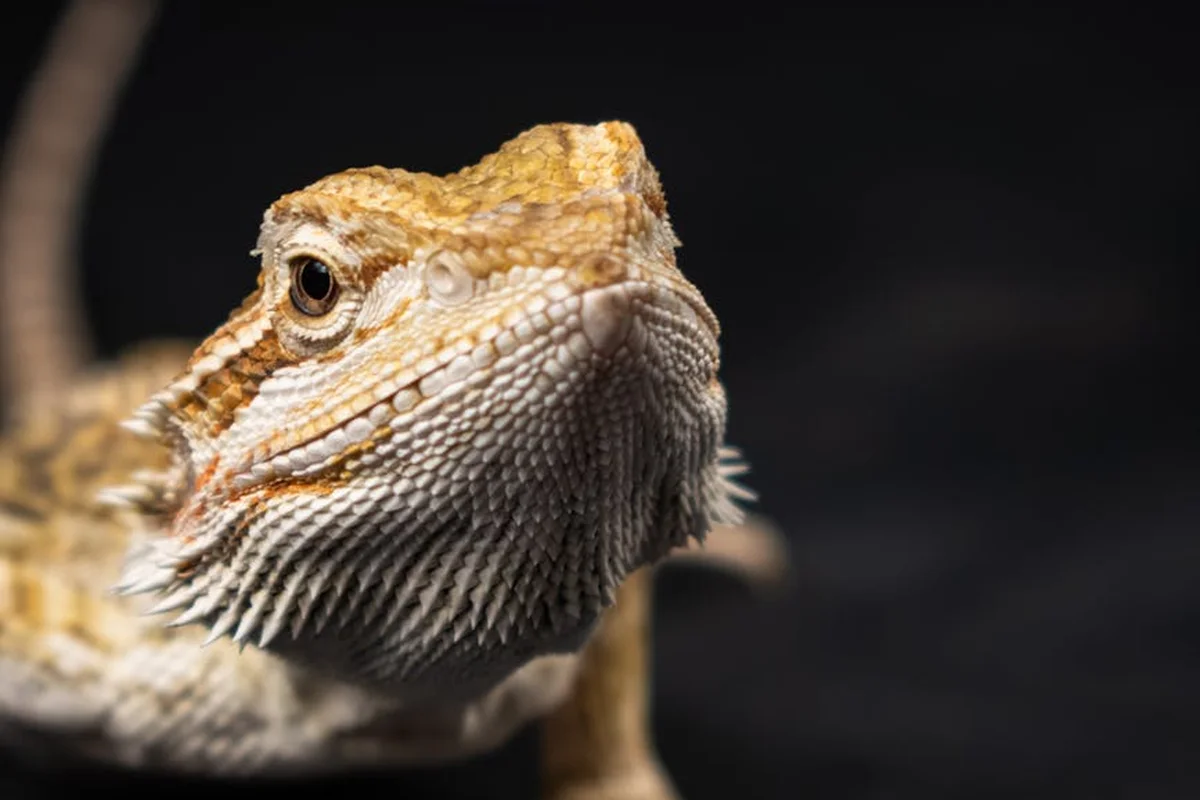
When I first started caring for bearded dragons, I made the mistake of thinking they could eat anything I did. Learning their specific dietary needs transformed how I feed my pets and kept them healthier. If you’re wondering ‘should I feed my bearded dragon daily?’, this complete feeding guide explains daily needs, portion sizes, and how to create a reliable schedule. It walks you through a simple daily feeding plan so you can keep your dragon happy and healthy. Below is a quick-reference table to help you avoid common pitfalls.
| Safe Foods (Do’s) | Unsafe Foods (Don’ts) |
|---|---|
|
|
Introducing new foods can feel nerve-wracking, but I always start with tiny amounts. I watch my dragons closely for any changes in behavior or digestion over the next 24 hours. Mixing a new veggie with their favorites helps them accept it faster.
Foods to Always Avoid
Some household items are downright dangerous for bearded dragons. I never feed avocado because it contains persin, a toxin that can cause heart and breathing issues. Rhubarb is off-limits due to its high oxalic acid, which damages kidneys. Dairy products like cheese lead to severe digestive upset since bearded dragons cannot digest lactose. Sticking to insect and plant-based foods keeps their systems running smoothly. You should especially be cautious when selecting fruits, as not all are safe for dragons; here’s a complete list of safe and unsafe fruits for bearded dragons.
Feeding Guidelines and Supplements

Feeding your bearded dragon isn’t just about what they eat, but how and when. I follow a simple schedule based on age to prevent overfeeding or deficiencies. A complete feeding schedule helps you know exactly how often to feed at each age. Juveniles need insects twice daily, while adults thrive on one insect meal and daily salads. Portion sizes should match what they can finish in 10-15 minutes.
- Hydration: Mist their veggies lightly, offer shallow baths twice a week, and use a drip system for water.
- Calcium and vitamins: Essential for preventing metabolic bone disease and supporting overall health.
- Gut loading: Feed insects nutritious foods like carrots and oats 24 hours before offering them to your dragon.
- Dusting: Lightly coat insects with calcium or multivitamin powders right before feeding.
In my routine, I rotate between calcium with D3 and a multivitamin to cover all bases. I keep a feeding journal to track what each dragon eats, ensuring variety and balance week to week.
Supplementation Tips
Supplements are non-negotiable for a thriving bearded dragon. I use calcium powder without D3 if they have proper UVB light, and with D3 if lighting is insufficient. Multivitamins are given once or twice weekly to fill nutritional gaps. Always dust insects lightly-too much powder can put them off their food. UVB light is critical because it enables vitamin D3 synthesis, allowing calcium to be absorbed properly. Without it, supplements alone won’t prevent bone diseases. Knowing what vitamins bearded dragons need is essential for their health.
Frequently Asked Questions
What is the bearded dragon diet in the wild?
In the wild, bearded dragons are opportunistic omnivores that consume a mix of insects, small vertebrates, and native plants like leaves, flowers, and fruits, adapting to the scarce resources of their arid Australian habitats. In terms of favorites, many bearded dragons rely on live insects as a primary protein source, while greens and other vegetables top their veggie list, with fruits reserved as occasional treats.
What is a bearded dragon diet sheet?
A bearded dragon diet sheet is a simplified written guide that summarizes safe and unsafe foods, helping owners easily reference key dietary do’s and don’ts for maintaining their pet’s health. Vegetables play a crucial role in a bearded dragon’s daily nutrition. The Eat Vegetables: Complete Feeding Guide details which vegetables to offer, how to prepare them, and how often to feed.
What is a bearded dragon diet chart?
A bearded dragon diet chart is a visual aid, often in table or graphic form, that outlines feeding frequencies, portion sizes, and food categories tailored to different life stages, making meal planning straightforward for caregivers.
Final Thoughts
So, can bearded dragons eat meat and cheese? The short and simple answer is no. Their bodies are simply not built to process these rich, fatty foods, and offering them can lead to serious health problems. Stick to the diet they thrive on: a balanced mix of safe, gut-loaded insects and a vibrant salad of fresh greens and vegetables. For a complete guide on safe foods bearded dragons can eat, see our comprehensive guide. It covers what to feed, portion sizes, and how often.
From my own experience, watching them eagerly chase down a cricket or munch on a piece of butternut squash is far more rewarding than risking their health. Your best bet for a happy, healthy dragon is to always double-check any new food and observe how your unique pet responds. When in doubt, your reptile-savvy veterinarian is your greatest resource.
Further Reading & Sources
- Can Bearded Dragons Eat Cheese? – Dragon’s Diet
- What Can Bearded Dragons Not Eat? 10 Foods To Avoid – A-Z Animals
- Can Bearded Dragons Eat Cheese? Vet-Reviewed Nutrition Facts & FAQ | Hepper
Bearded Dragon Lair is the ultimate resource for bearded dragon enthusiasts, offering expert advice and practical tips to ensure the health and happiness of your scaly companion. With years of experience in reptile care, we are dedicated to providing accurate, up-to-date information to support your bearded dragon journey.
Feeding Guidelines