Can Bearded Dragons Eat Potatoes? (Raw, Sweet, and Cooked Risks Explained)
Published on: January 22, 2026 | Last Updated: January 22, 2026
Written By: Beardie Joe
You might be eyeing that potato and wondering if it’s a safe snack to share with your curious bearded dragon.
As an experienced owner of multiple beardies, I help clear up common feeding questions to keep your pet healthy and happy.
We’ll dive into the specific dangers of raw potatoes, explore if sweet potatoes are any safer, and uncover the hidden risks of cooked varieties.
The Quick Answer: Can Bearded Dragons Eat Potatoes?
After caring for my own dragons for years and watching what agrees with them, my straightforward answer is no, potatoes are not a good choice for them.
I do not recommend feeding potatoes to your bearded dragon, even as a rare treat.
Their digestive systems are simply not built to handle the high levels of starch found in potatoes. This dense starch is very difficult for them to break down and can lead to serious digestive upset and impaction.
I’ve seen firsthand how even a small dietary misstep can cause a dragon discomfort, so I keep starchy vegetables like potatoes far away from their food bowl.
Nutritional Breakdown of Potatoes for Bearded Dragons
When you look at a potato’s nutritional profile from a bearded dragon’s perspective, the problems become very clear.
Here is what a potato primarily offers:
- Very high levels of complex starch
- Some dietary fiber
- Traces of vitamins like B6 and C
- Potassium
The most critical issue is the mineral ratio. Potatoes have an extremely poor calcium-to-phosphorus ratio, often around 1:5 or worse. Beardies need a diet where calcium significantly outweighs phosphorus, ideally around 2:1, for proper bone health. This imbalance forces their body to pull calcium from their own bones to process the phosphorus.
Beyond that, potatoes contain oxalates, or oxalic acid. These oxalates bind to calcium in the gut, making it unavailable for absorption and increasing the risk for metabolic bone disease, a common and devastating illness in pet dragons.
When you compare a potato to a staple green like collard or mustard greens, the difference is stark. The ideal bearded dragon vegetable is:
- Low in starch and sugar
- Rich in digestible fiber
- High in bioavailable calcium
- Low in phosphorus and oxalates
Potatoes fail on almost every single one of these points. Offering a potato, even cooked, means you are giving a food that is nutritionally empty and actively harmful for your pet.
Risks of Feeding Different Types of Potatoes
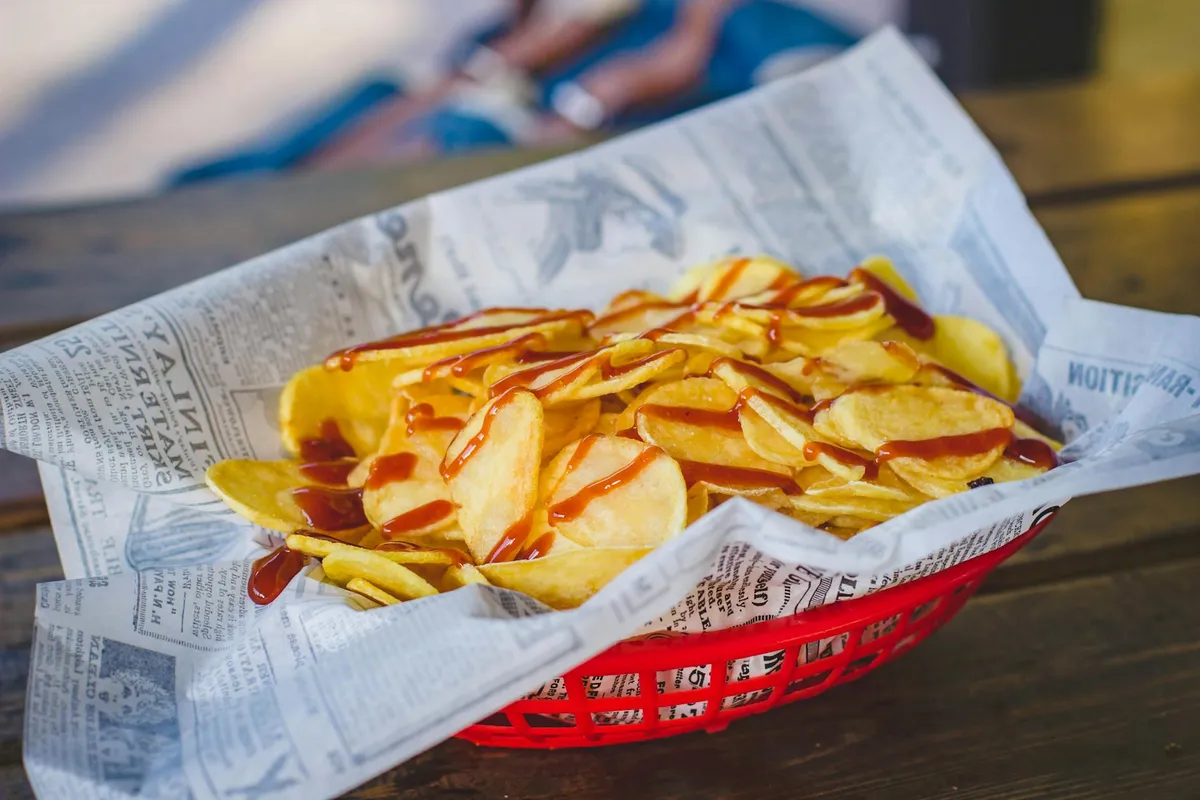
Not all potatoes are created equal in the eyes of your bearded dragon. The form the potato takes dramatically changes the level of risk involved. From the outright dangerous to the merely ill-advised, here’s a breakdown of what you need to know.
Raw Potatoes: Why They Are Dangerous
I made the mistake of considering a tiny piece of raw potato years ago with my first beardie, Draco. I’m so glad I researched first. Raw potatoes are a hard no for these desert pets.
The primary threat is a natural compound called solanine. Solanine is a glycoalkaloid poison that acts as the plant’s natural defense mechanism. It’s highly concentrated in raw potatoes, especially green-tinged skin and sprouts.
Beyond the poison, raw potatoes are packed with raw starches. Your bearded dragon’s gut simply isn’t designed to break them down efficiently. This leads to serious digestive upset, including painful bloating and potential impaction. Unlike raw greens like cauliflower leaves, raw potatoes are not suitable for your pet.
Watch for these symptoms of solanine poisoning:
- Lethargy and weakness
- Vomiting or signs of nausea
- Diarrhea
- Loss of appetite
- Tremors or instability
Cooked Potatoes: Reduced But Present Risks
Cooking does break down some of the solanine and makes the starches more digestible. This doesn’t mean a cooked potato is a safe treat. The cooking process merely turns a dangerous food into a very unhealthy one.
The main issue is the sheer density of carbohydrates. Bearded dragons have a low-energy lifestyle compared to mammals. Feeding them high-carb foods like cooked potato is a fast track to obesity and fatty liver disease. Bearded dragons can’t eat just anything; follow a safe eating guide to avoid toxic foods to avoid. Avoid known toxins like avocado, onions, and rhubarb to keep them healthy.
We also have to consider how we cook potatoes for ourselves. The oils, butter, salt, garlic, and onion powder we use are toxic to reptiles. Even a plain, boiled potato offers zero nutritional benefits they can’t get better from their regular greens. It’s just empty, risky calories.
Sweet Potatoes: A Slightly Safer Option?
Sweet potatoes are often touted as a healthier alternative. They do have more nutritional value, like Vitamin A, but they come with their own set of problems.
While they contain less solanine, they are high in oxalates. Oxalates bind to calcium in your dragon’s body and prevent its absorption. For a species prone to Metabolic Bone Disease, this is a significant concern. They are also still very starchy.
If you absolutely must offer a tiny taste, it must be cooked, plain, and ultra-rare. Think of it as a once-a-year curiosity, not a part of their diet. The risks still outweigh the benefits.
How to Safely Offer Potatoes If You Choose To
Given all the risks, I strongly advise against feeding potatoes. But if you are determined to let your dragon try a minuscule amount after consulting your vet, follow these strict guidelines.
First, moderation is non-negotiable. This should be a one-time, tiny sample, not a recurring snack. Frequency should be never, or at most, once or twice a year as a novelty.
Proper preparation is your only path to minimizing risk:
- Choose an organic sweet potato to minimize pesticide risk.
- Wash and scrub the exterior thoroughly.
- Peel the skin completely to remove the highest concentration of compounds.
- Cook it by boiling or steaming with absolutely no additives-just water.
- Let it cool completely to room temperature.
Portion control is critical. The serving size should be no larger than the space between your bearded dragon’s eyes. Mash it or grate it into a puree-like consistency to eliminate any choking hazard. You can mix this tiny dot into their regular salad. If you’re wondering, “should I feed my bearded dragon daily?”, this portion-control approach is a core part of a complete daily feeding guide. A full plan also accounts for age, size, and habitat to ensure balanced nutrition.
Most importantly, watch your pet closely for the next 48 hours. Monitor their energy levels, appetite, and bowel movements. Any sign of change means you should not offer it again and contact your reptile vet if symptoms seem severe. Your dragon’s long-term health is always the top priority.
What to Do If Your Bearded Dragon Eats Potatoes

If you catch your beardie snacking on a piece of potato, don’t panic. Quick and calm action is your best first line of defense. I’ve been there, and a level head makes all the difference.
- Immediately remove any remaining potato from the enclosure.
- Check their mouth and make sure no large pieces are stuck.
- Provide a fresh bowl of clean water to help them stay hydrated.
- Observe their behavior closely for the next 24-48 hours.
Signs of Potato-Related Illness
Watch for any changes in their normal routine. Understanding healthy vs sick signs helps you spot problems early. Healthy bearded dragons typically stay active, eat regularly, and shed normally. Your dragon’s behavior will tell you everything you need to know if they are feeling unwell. Key symptoms to look out for include:
- Unusual lethargy or lack of movement
- Runny, foul-smelling, or frequent diarrhea
- A sudden and complete loss of appetite
- Visible bloating or discomfort in their belly
When to Contact a Veterinarian
Trust your instincts. You know your pet best. You should call your reptile vet immediately if you see severe lethargy, repeated diarrhea, or if they refuse food for more than two days. Don’t wait for a small issue to become a big emergency.
I remember one time my curious dragon, Spike, managed to nibble on a small piece of sweet potato skin that fell on the floor. I spent the next day watching him like a hawk, checking his basking habits and his next poop. That experience taught me that vigilance after a dietary mistake is just as important as prevention. Luckily, he was fine, but it reinforced why I’m so careful about what’s in his space.
Better Vegetable Alternatives to Potatoes
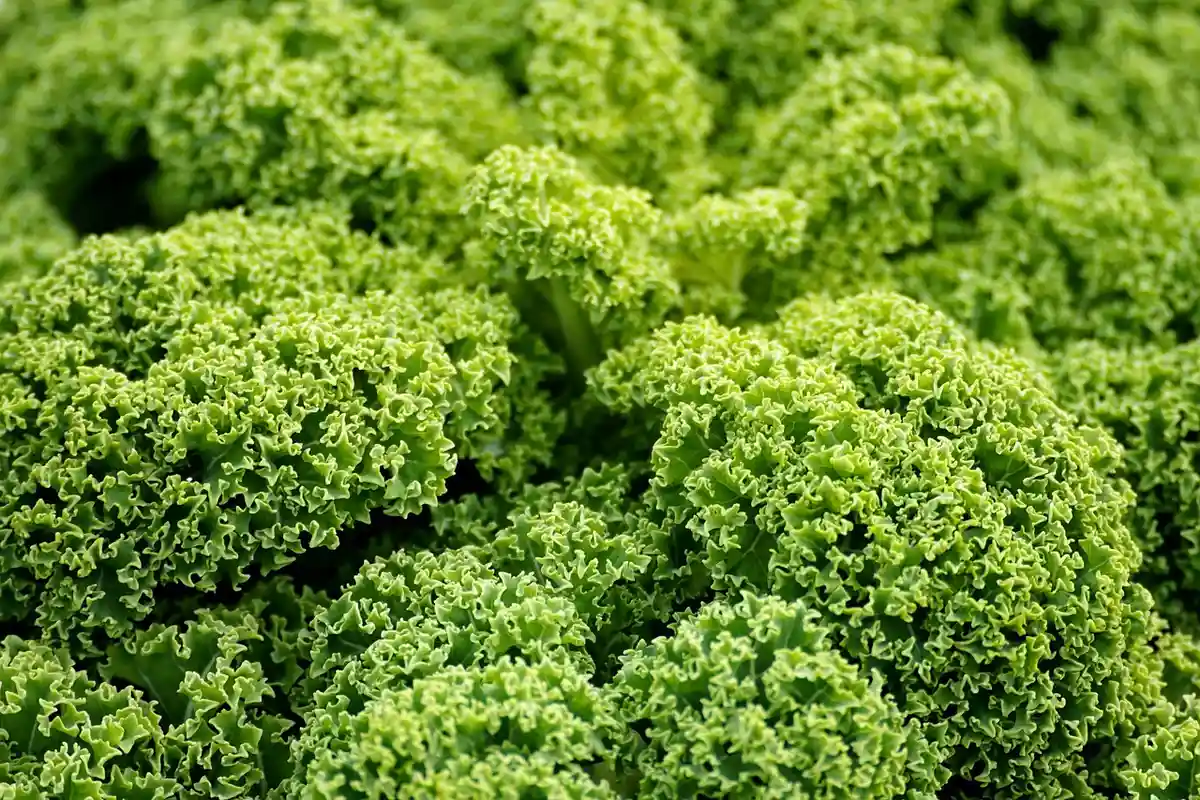
The good news is there are so many fantastic and safe vegetables your bearded dragon will love. Focusing on leafy greens and brightly colored veggies provides a powerhouse of nutrition potatoes simply can’t match. These options support healthy growth, strong bones, and proper hydration. That is exactly the kind of guidance you will find in our bearded dragons eat vegetables complete feeding guide. It walks you through which vegetables to offer, how often, and how to balance them with protein and calcium.
Excellent Staple Vegetables
These can be offered regularly as part of a balanced salad.
- Collard Greens
- Mustard Greens
- Dandelion Greens
- Endive
- Butternut Squash (shredded)
Why These Alternatives Are Superior
These greens and vegetables have a perfect calcium-to-phosphorus ratio, which is critical for preventing metabolic bone disease. They are also packed with vitamin A and fiber, promoting good vision, skin health, and digestion. Potatoes are essentially empty calories with problematic compounds in comparison.
Mimicking the Potato’s Appeal
If your dragon seems to like the starchy texture of a potato, try these safer options that offer a similar mouthfeel.
- Butternut Squash: When grated, it has a firm, satisfying texture.
- Parsnip: A rare treat, but grated raw it provides a similar root vegetable crunch.
- Sweet Potato: Cooked, pureed, and offered very sparingly (once a month) as a special topping.
Frequently Asked Questions
Can bearded dragons eat potatoes?
No, bearded dragons should not eat potatoes due to their high starch content and poor calcium-to-phosphorus ratio, which can lead to digestive issues and health problems like metabolic bone disease. For a complete guide on safe foods for bearded dragons, see our Bearded Dragons Eat Complete Guide: Safe Foods. It explains what to feed, how often, and which foods to avoid to keep your dragon healthy.
Can bearded dragons eat sweet potatoes?
Sweet potatoes are not recommended as they still contain high levels of oxalates and starch, which can interfere with calcium absorption and pose risks to your bearded dragon’s health. To follow a complete, safe feeding guide, include only fruits that are safe in moderation. Offer fruit sparingly—small portions a few times a week—while prioritizing greens and insects.
Are potatoes good for bearded dragons?
Potatoes are not good for bearded dragons because they lack essential nutrients and can cause harm, such as impaction or nutritional deficiencies, making them an unsuitable food choice. Additionally, many people wonder if bearded dragons can eat avocado. Bearded dragons should avoid avocado because of persin and its high fat content, which can cause serious illness.
Final Verdict on Potatoes
After looking at the evidence, my stance is clear: I avoid feeding any form of potato to my bearded dragons, and I recommend you do the same. The risks from oxalates, poor nutritional value, and potential digestive upset simply aren’t worth the gamble with their health. To keep this practical, I also refer to the ultimate safe food list of fruits and vegetables bearded dragons can eat. Sticking to that list helps ensure balanced nutrition and minimizes exposure to unsuitable items.
Your dragon will thrive on a diet of proven, safe staples. Stick to nutrient-packed greens like collard and mustard greens, and use healthier, occasional treats like bell peppers or blueberries instead. This is part of our bearded dragons greens guide. Collard and mustard greens are two of the safest, most nutritious greens they can eat. Your scaly friend will thank you for making the safer, more nutritious choice.
Further Reading & Sources
- Can Bearded Dragons Eat Potatoes? – Dragon’s Diet
- Can Bearded Dragons Eat Potatoes? Vet-Approved Nutritional Guide | PangoVet
- Can Bearded Dragons Eat Sweet Potatoes? Vet-Approved Facts & FAQ | Hepper Pet Resources
Bearded Dragon Lair is the ultimate resource for bearded dragon enthusiasts, offering expert advice and practical tips to ensure the health and happiness of your scaly companion. With years of experience in reptile care, we are dedicated to providing accurate, up-to-date information to support your bearded dragon journey.
Insects vs. Vegetables