Can Bearded Dragons Eat Squash and Zucchini?
Published on: December 8, 2025 | Last Updated: December 8, 2025
Written By: Beardie Joe
If you’re staring at your fresh produce and wondering if those colorful squashes and zucchinis are a safe snack for your scaly friend, you’re asking the right question.
As a long-time owner of multiple bearded dragons with a deep background in reptile care, I’ve personally navigated this exact feeding puzzle and I’m here to give you the clear, safe answers.
This guide will walk you through the safe varieties, proper preparation steps, and how to balance these veggies in a healthy diet.
Understanding Squash and Zucchini for Bearded Dragons
What Are Squash and Zucchini?
Think of squash as a big, diverse family, and zucchini is one of its most popular members. They are all part of the Cucurbitaceae plant family, which also includes cucumbers and melons. Summer squashes, like zucchini and yellow crookneck, have soft, edible skins and a high water content. I find these are the ones I use most often for my dragons. Winter squashes, like butternut and acorn, have a harder, inedible rind and are typically denser and starchier.
Are Squash and Zucchini Safe for Bearded Dragons?
Yes, absolutely. Both summer and winter squash are safe for your bearded dragon to eat. These vegetables are a fantastic way to add variety and vital nutrients to their salad bowl. From my own experience, my bearded dragons have always enjoyed nibbling on shredded zucchini and baked butternut squash cubes. You just need to serve them properly—washed thoroughly, cut into manageable, bite-sized pieces, and always offered raw or cooked plain without any oils, salts, or seasonings. Just make sure to refer to the ultimate safe food list for bearded dragons to ensure you’re providing a balanced diet.
Nutritional Benefits of Squash and Zucchini
Key Vitamins and Minerals
Squash and zucchini are like little power packs of nutrition for your scaly friend. They provide a wide spectrum of vitamins and minerals that support everything from their eyesight to their bone health. This nutritional profile makes them a valuable component of a balanced diet.
| Nutrient | Benefit for Your Bearded Dragon |
|---|---|
| Vitamin A | Supports healthy vision, skin, and immune function. |
| Vitamin C | An antioxidant that aids in healing and overall health. |
| Potassium | Helps with nerve function and muscle control. |
| Manganese | Plays a role in bone development and metabolism. |
| Magnesium | Supports a healthy nervous system and bone strength. |
Hydration and Fiber Content
One of the biggest benefits, especially with zucchini, is the high water content. This moisture is a brilliant way to help keep your bearded dragon hydrated, which is crucial for their kidney health and digestion. I often add a little shredded zucchini to my dragons’ salads on hot days as a refreshing treat.
They are also a good source of dietary fiber. Fiber keeps their digestive system moving smoothly and can help prevent impaction. Think of it as the internal broom that sweeps everything through their gut. Just remember, because of the higher water and fiber, these should be part of a varied diet, not the only thing they eat.
Safe Varieties of Squash and Zucchini
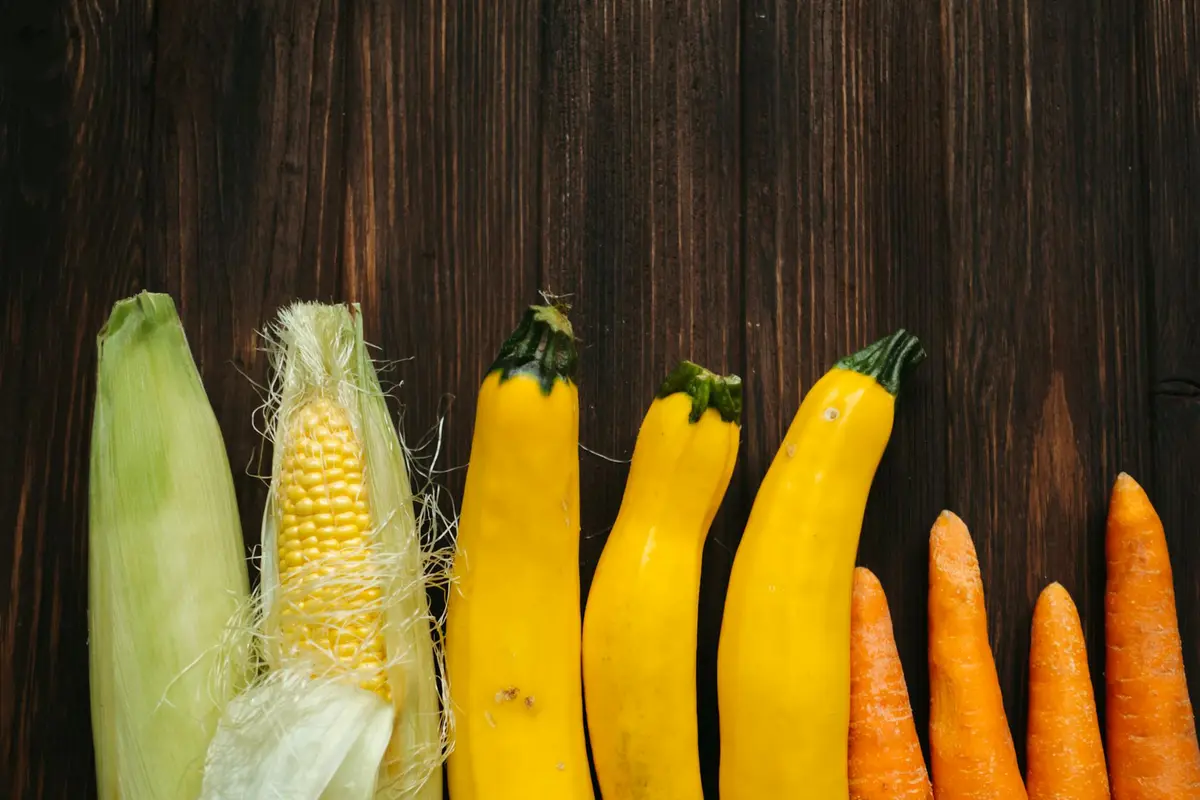
When I’m stocking up on veggies for my dragons, I stick to a few tried-and-true favorites that I know are safe and nutritious. Offering a variety ensures your dragon gets a broader spectrum of vitamins and keeps mealtime interesting for them. When people ask what’s a bearded dragon’s favorite food, many say leafy greens and other top veggies, a bit of fruit, and some crunchy insects. In practice, their favorites often include collards or kale, squash, and occasional insects like crickets or dubia roaches.
Recommended Squash Types
Not all squash are created equal in a bearded dragon’s diet. Here are the ones I regularly feed my own pets.
Butternut Squash
Butternut squash is a superstar in my kitchen. I grate it raw for a soft, easy-to-eat texture. The vibrant orange flesh is packed with Vitamin A, which is fantastic for your dragon’s vision and immune health. My dragons always go for the bright color, and it’s a great staple to mix into their greens.
Acorn Squash
Acorn squash is another excellent choice. It’s a bit softer than butternut, making it simple to prepare. This variety offers a good dose of fiber and Vitamin C, supporting a healthy digestive system. I find its mild flavor is generally well-accepted, even by my pickier eaters.
Parts to Avoid: Seeds, Leaves, and Blossoms
It’s just as important to know what *not* to feed. I’m always meticulous about this part of prep.
- Seeds: These are a major choking hazard and can cause impaction, a serious gut blockage. I always scoop them out completely.
- Leaves and Stems: The plant’s leaves and stems are tough and difficult to digest. They offer little nutritional value and aren’t worth the risk.
- Blossoms: While not toxic, store-bought squash blossoms are often treated with pesticides I don’t want near my pets. It’s safest to skip them.
Sticking to the peeled, deseeded flesh is the safest way to offer these vegetables and prevent any potential health issues.
How to Prepare Squash and Zucchini
Proper preparation is key to making these foods safe and easy for your dragon to eat. Here’s my simple routine.
Step-by-Step Preparation
- Wash Thoroughly: I always scrub the squash’s skin under cool running water to remove any dirt or potential pesticide residue.
- Peel the Skin: The outer skin is tough and fibrous, making it hard for bearded dragons to digest. I use a standard vegetable peeler to remove it completely.
- Remove All Seeds: I cut the squash in half and use a spoon to scrape out every single seed and the stringy pulp from the center cavity.
- Grate or Chop Finely: For young dragons or just for easy mixing, I grate the flesh. For my adults, I chop it into tiny, bite-sized pieces they can’t choke on.
Raw or Cooked: Which Is Better?
I always, always feed squash and zucchini raw to my bearded dragons. Cooking breaks down water-soluble vitamins and removes vital moisture that helps keep your dragon hydrated. The raw form provides the most nutritional benefit and the best texture for them to crunch on. Cooked squash becomes too mushy and loses its nutritional punch. I also include carrots and a variety of greens in their diet, usually raw to preserve nutrients. Greens should be fed daily and carrots a few times a week, adjusted for your dragon’s age and appetite.
Feeding Guidelines and Portion Sizes
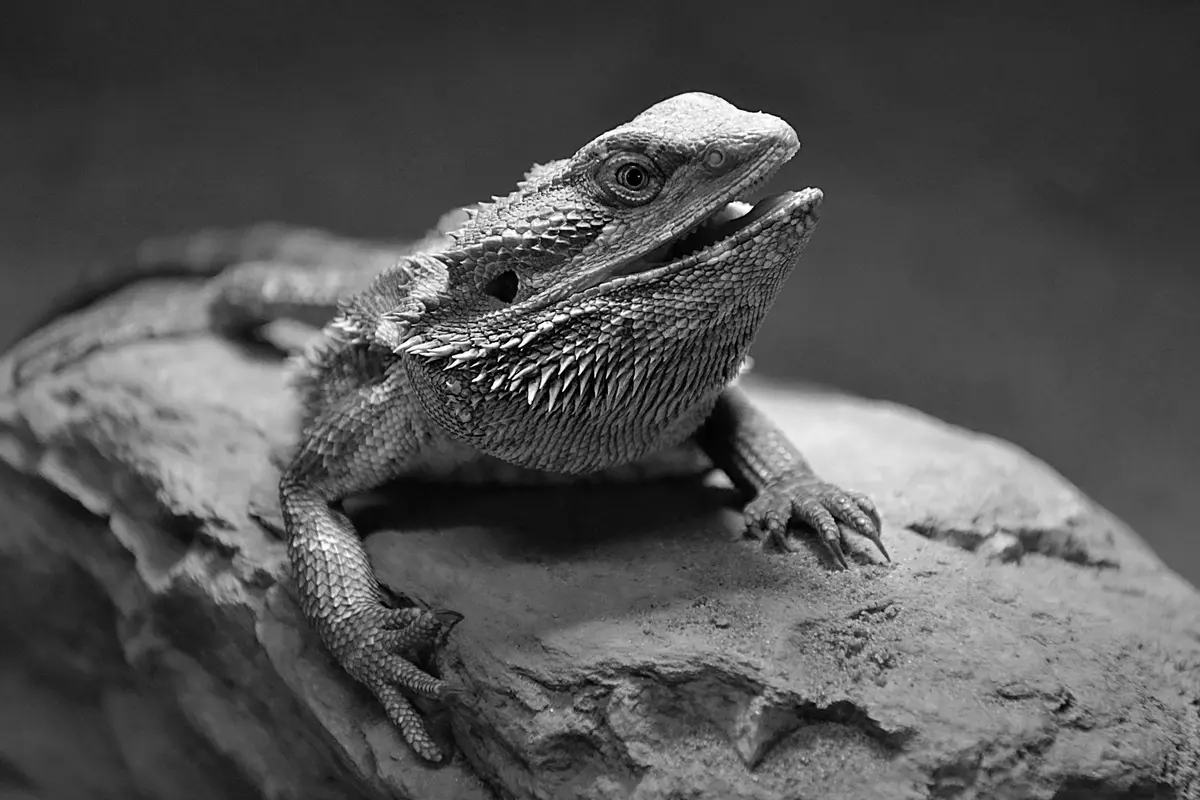
Getting the portion size right is where many new owners get tripped up. I always tell people to think of squash and zucchini as the supporting actors in the salad, not the main star. It keeps their meals interesting without throwing their diet out of balance.
For Juvenile Bearded Dragons
Your little one is a growing machine, and their diet needs to support that rapid development. Their meals should be heavily skewed towards protein.
- Offer finely grated squash or zucchini 2-3 times per week.
- Mix a small pinch of it into their main salad of staple greens like collard or mustard greens.
- The ratio for juveniles should be roughly 80% live insects to 20% vegetables.
- Keep the pieces tiny, no larger than the space between their eyes, to prevent choking.
From my experience raising juveniles, they often go for the moving prey first. I make sure the veggie mix, including the squash, is the first thing in the enclosure so they might nibble on it while waiting for their bugs.
For Adult Bearded Dragons
Adults have completely different nutritional needs, with their diet flipping to be mostly plant-based.
- You can offer shredded squash or zucchini more frequently, about 4-5 times a week.
- It should still be a minor component, making up no more than 10-15% of the total vegetable offering.
- The overall adult diet should be about 80% vegetables and 20% insects.
- I like to create a “salad confetti” for my adults, mixing a tablespoon of shredded squash with a full cup of their primary greens.
Watching my adult dragon, Puff, I see that variety is key to keeping him interested in his salads. A little bit of yellow squash mixed in with his dandelion greens makes all the difference. Bearded dragons eat spring mix as part of a varied greens rotation, so I build a perfect salad around spring mix, dandelion greens, and a few safe vegetables. It’s a tasty, nutritious mix Puff loves.
Potential Risks and What to Watch For
Even healthy foods can have downsides if we’re not mindful. Being informed helps you make the best choices for your scaly friend’s long-term health.
Oxalates and Calcium Balance
This is the single most important concept to grasp when feeding veggies like squash. Oxalates are natural compounds that bind to calcium inside your dragon’s body. Spinach is a common offender, as it contains high oxalate levels that can reduce calcium availability. This is the calcium-oxalate problem explained for bearded dragons.
- When bound, the calcium cannot be absorbed into their bloodstream.
- Over time, a high-oxalate diet can contribute to Metabolic Bone Disease (MBD), a serious and painful condition.
- Both squash and zucchini contain moderate levels of oxalates.
The solution isn’t to avoid these foods, but to balance them with low-oxalate staples like collard greens and bok choy. I think of it as building a nutritional team-no single player should dominate the game. Proper UVB lighting is also non-negotiable, as it allows them to actually use the calcium they do absorb.
Signs of Adverse Reactions
While most beardies handle squash just fine, every dragon is an individual. After introducing any new food, including zucchini, keep a close eye on them for a day or two. For a complete, safe feeding guide on which fruits bearded dragons can eat, check out our fruits guide. It covers safe options, portions, and feeding frequency.
- Lethargy or a lack of normal activity is often the first red flag.
- Watch for any changes in their stool, particularly diarrhea or unusual consistency.
- A loss of appetite for their favorite insects or other familiar foods can signal a tummy upset.
- In very rare cases, you might see swelling around the mouth or throat.
If you notice any of these signs, remove the squash from their diet and consult your reptile veterinarian. Know the difference between healthy and sick signs in bearded dragons by watching for physical symptoms such as appetite changes, lethargy, or abnormal breathing. Trust your gut; you know your bearded dragon’s normal behavior better than anyone.
Incorporating Squash into a Balanced Diet
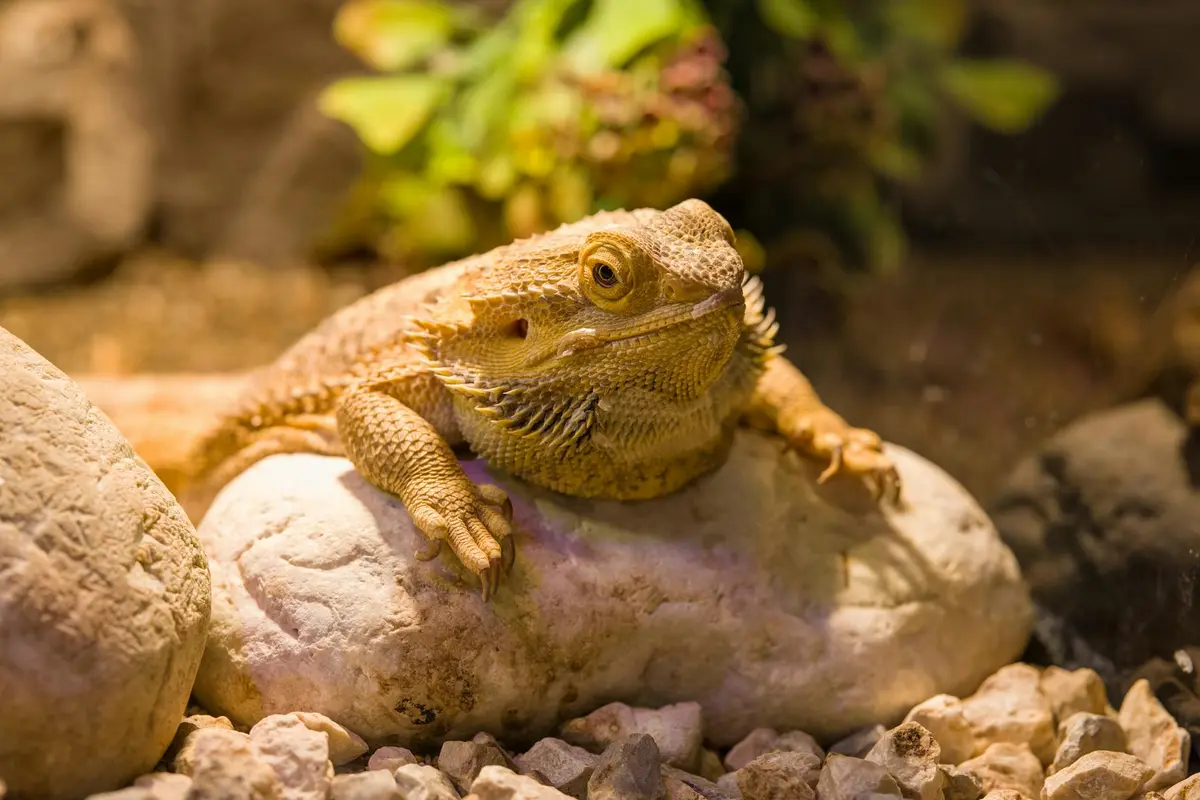
Think of squash and zucchini not as the main course, but as a fantastic supporting actor in your dragon’s dietary play. Their real strength lies in adding valuable moisture, fiber, and variety to a meal, preventing dietary boredom and promoting gut health. I always chop them up and mix them into a larger salad; it’s a simple trick that makes the whole meal more appealing and nutritious.
Complementary Foods
To build a truly balanced plate, you need to pair these soft veggies with other crucial food groups. A meal of just squash lacks the protein and calcium that growing and adult dragons desperately need.
- Leafy Greens: These should be the foundation. I rotate through staples like collard greens, dandelion greens, and mustard greens. They are packed with calcium and other vital nutrients.
- Other Vegetables: For added color and nutrition, I love adding finely chopped bell peppers (any color), shredded carrots (sparingly), and the occasional green bean.
- Live Protein: This is non-negotiable, especially for juveniles. Gut-loaded crickets, dubia roaches, and black soldier fly larvae are my go-to choices for providing essential protein. I always dust them with a calcium supplement right before feeding.
Creating a Varied Meal Plan
Routine is great, but monotony is the enemy of good nutrition. I plan my dragons’ meals for the week to ensure they get a wide spectrum of vitamins and minerals. Here’s a peek at how I structure it.
For a Juvenile Bearded Dragon (under 18 months):
- Monday & Thursday: Collard greens base with diced zucchini, bell peppers, and a main protein of dubia roaches.
- Tuesday & Friday: Mustard greens base with shredded butternut squash, a few carrot shreds, and a main protein of black soldier fly larvae.
- Wednesday & Saturday: Dandelion greens base with yellow squash, a bit of cilantro, and a main protein of crickets.
- Sunday: A “salad mix” day with all their weekly greens and veggies mixed together, with a different protein source like silkworms.
For an Adult Bearded Dragon (over 18 months):
- Monday, Wednesday, Friday: These are their primary salad days. A large mix of 2-3 leafy greens, always including a squash or zucchini for moisture, and other rotating veggies.
- Tuesday & Saturday: Salad day plus a protein feeding. The key for adults is offering fewer insect feeders than you would for a juvenile to prevent obesity.
- Thursday & Sunday: Salad-only days, focusing on high-fiber greens and vegetables to keep their digestive system moving smoothly.
The most important habit I’ve developed is observing my dragons at mealtime. You will quickly learn their personal preferences, which helps you tailor the menu to ensure they actually eat their nutritious food and don’t just pick out the tasty bits.
Frequently Asked Questions
Can Bearded Dragons Eat Pumpkin?
Yes, pumpkin is a safe and nutritious winter squash for bearded dragons when served raw, peeled, and deseeded in small, bite-sized pieces, similar to other safe varieties like butternut squash. This topic is part of a complete guide on bearded dragons and pumpkin, including seeds, guts, and safe preparation tips.
Is Pumpkin Puree Safe for Bearded Dragons?
No, pumpkin puree should be avoided as cooking can degrade essential nutrients and reduce hydration; always offer squash raw to maximize its health benefits for your dragon.
Can Bearded Dragons Eat Squash Blossoms?
No, squash blossoms are not recommended due to potential pesticide exposure and poor digestibility; it’s safest to stick to the prepared flesh of the squash for your pet’s meals.
Final Thoughts
So, can bearded dragons eat squash and zucchini? Absolutely, both are fantastic, hydrating vegetables that can be a regular part of your dragon’s salad. From my own experience, my dragons always get excited for the soft texture and mild taste. Just remember to serve them raw, grated or finely chopped, and always thoroughly washed to keep your pet safe. For a complete feeding guide on bearded dragons and vegetables, see our bearded dragons eat vegetables complete feeding guide. It explains which veggies to include and how to balance them with protein.
The real key to a thriving bearded dragon is offering a rotating menu of safe greens and vegetables. While squash and zucchini are excellent staples, don’t forget to mix in other favorites like collard greens, dandelion leaves, and the occasional bell pepper. Providing this variety ensures your scaly friend gets a full spectrum of nutrients for a long, healthy life. This approach ties into our bearded dragon’s eat complete guide to safe foods, which covers safe foods in depth. In that guide, you’ll find recommended greens, vegetables, and safe protein options with feeding frequencies.
Further Reading & Sources
- Can Bearded Dragons Eat Zucchini? – ABDRAGONS
- Can Bearded Dragons Eat Zucchini? Find Out If This Veggie Is Harmful – Dragon’s Diet
- Can Bearded Dragons Eat Squash? TopFlight Dubia Explained – TopFlight Dubia
Bearded Dragon Lair is the ultimate resource for bearded dragon enthusiasts, offering expert advice and practical tips to ensure the health and happiness of your scaly companion. With years of experience in reptile care, we are dedicated to providing accurate, up-to-date information to support your bearded dragon journey.
Feeding Guidelines