
Can Bearded Dragons Eat Strawberries? A Safe Feeding Guide
Published on: December 25, 2025 | Last Updated: December 25, 2025
Written By: Beardie Joe
If you’re holding a juicy strawberry and wondering if you can share a piece with your scaly friend, you’ve come to the right place.
As a long-time beardie owner, I’ve navigated these exact questions and will help you feed strawberries safely, prioritizing your pet’s health.
We’ll cover if the red berry is safe, whether the green tops and leaves are toxic, and my simple rules for a healthy, happy treat.
Strawberry Safety for Bearded Dragons: The Quick Answer
Yes, your bearded dragon can eat strawberries, but it’s a firm and cautious “yes.” Think of strawberries as a special weekend treat, not a daily food item. I offer them to my dragons maybe once every couple of weeks, and the excitement is real. Besides strawberries, you can rotate in other berries like blueberries and raspberries for variety. Just keep them as small, infrequent treats.
As for the green leafy tops, the answer is a bit more complicated. While not toxic, they are tough, fibrous, and difficult to digest. To be perfectly safe, I always remove the strawberry tops and leaves before offering the fruit to my pets. It’s a simple extra step that prevents any potential digestive upset.
Nutritional Benefits and Risks of Strawberries in a Bearded Dragon Diet
Strawberries are a mix of good and not-so-good, which is why moderation is your best friend. Let’s break down what’s inside this tempting red fruit.
The Good Stuff: Nutritional Benefits
When you offer a strawberry, you’re giving your dragon a little boost of:
- Vitamin C: Supports a healthy immune system.
- Hydration: Strawberries are over 90% water, which can help with fluid intake.
- Manganese: Aids in bone development and metabolism.
- Fiber: Promotes healthy digestion in small amounts.
- Antioxidants: Help combat cellular damage.
The Not-So-Good Stuff: Potential Risks
This is the part where we need to pay close attention. The risks are why strawberries are a treat.
- High Sugar Content: Too much sugar can lead to obesity, tooth decay, and diabetes in reptiles.
- Imbalanced Calcium-to-Phosphorus Ratio: Bearded dragons need more calcium than phosphorus. Strawberries have this backwards, which can hinder calcium absorption.
- Oxalates (Oxalic Acid): These compounds bind to calcium and can contribute to metabolic bone disease (MBD) if fed too often.
- Pesticide Residue: Conventionally grown strawberries often carry high pesticide levels.
Weighing the Pros and Cons
| Benefits | Risks |
|---|---|
| Provides hydration | High in sugar |
| Source of Vitamin C and antioxidants | Poor Calcium-to-Phosphorus ratio |
| Most dragons find them highly palatable | Contains gut-irritating oxalates |
After seeing the effects of MBD in rescues, I am extremely mindful of any food that could disrupt calcium levels. The key is to see strawberries as a fun, occasional flavor—not a nutritional staple. Your dragon will love the taste, and you get the peace of mind knowing you’re keeping them safe, especially when you manage their calcium intake properly.
Are Strawberry Tops, Leaves, and Stems Safe for Your Bearded Dragon?

This is one of the most common questions I get, and I’m glad you’re asking. While the red berry itself is a safe treat, the green parts are a different story. You should always remove the leafy top (the calyx), stem, and any leaves before offering a strawberry to your beardie. I make a habit of popping the green top off with my thumb before I even think about dicing the fruit.
Those green parts contain higher levels of oxalates, also known as oxalic acid. In large quantities, this compound can bind to calcium and prevent your dragon from absorbing it properly. Consistently feeding high-oxalate foods is a fast track to metabolic bone disease, a serious and painful condition we all want to avoid. It’s just not a risk worth taking for a simple treat, especially when there are many safer options like spinach available for comparison.
Beyond the oxalate issue, store-bought strawberry tops can also harbor pesticides and dirt that are difficult to wash off completely. Sticking to the fleshy fruit itself is the safest, most straightforward choice for your scaly friend’s health. In my years of caring for these wonderful reptiles, I’ve found that keeping their diet simple and predictable is a cornerstone of their well-being.
How to Properly Feed Strawberries to Your Bearded Dragon
Feeding strawberries isn’t complicated, but a little prep work makes all the difference. A proper setup ensures your dragon enjoys their treat safely and you get to enjoy watching them. Proper preparation turns a potential hazard into a delightful and safe experience for your pet. If you’re curious about grapes for your dragon, a bearded dragon grapes guide can help. It covers safe grape types, preparation steps, and portion safety.
Follow these simple steps every single time:
- Wash the strawberry thoroughly under cool running water to remove any surface pesticides or dirt.
- Remove the entire green top, stem, and any leaves completely. Discard them.
- Chop the berry into small, bite-sized pieces. The pieces should be no larger than the space between your dragon’s eyes to prevent choking.
- Mix the strawberry pieces into a base salad of staple greens like collard greens or dandelion greens. This encourages them to eat their healthy staples and prevents them from just picking out the sweet fruit.
- Remove any uneaten fresh food from the enclosure after about an hour to prevent spoilage and bacterial growth.
Age-Appropriate Strawberry Feeding Guidelines
How often your bearded dragon can have a strawberry treat depends heavily on their life stage. Their nutritional needs change dramatically as they grow. Tailoring treat frequency to your dragon’s age is a key part of responsible ownership. A complete feeding schedule shows how often to feed and what to include daily, ensuring age-appropriate balance. This helps you decide how often strawberry treats fit into your dragon’s overall diet.
- Juveniles (Under 12 months): Their little bodies are growing rapidly and need a protein-heavy diet with excellent calcium absorption. I recommend offering a tiny piece of strawberry no more than once a month, if at all. Their primary focus should be on insects and calcium-rich greens.
- Adults (1-7 years old): With a more balanced diet of 80% veggies and 20% insects, adults can handle a small treat better. A few small pieces of strawberry once every two weeks is a safe and enjoyable frequency. This is the schedule I follow with my own adult dragons.
- Senior Dragons (7+ years): As they become less active, managing their sugar intake becomes even more critical. Stick to a small treat once a month or even less frequently for your older companion. Monitor their weight and overall health closely.
Remember, a strawberry should never replace a meal. Think of it as the occasional dessert, not a dietary staple. It’s a special little bonus that adds variety and excitement to their routine without compromising their long-term health.
Recognizing Signs of Strawberry-Related Health Issues in Bearded Dragons
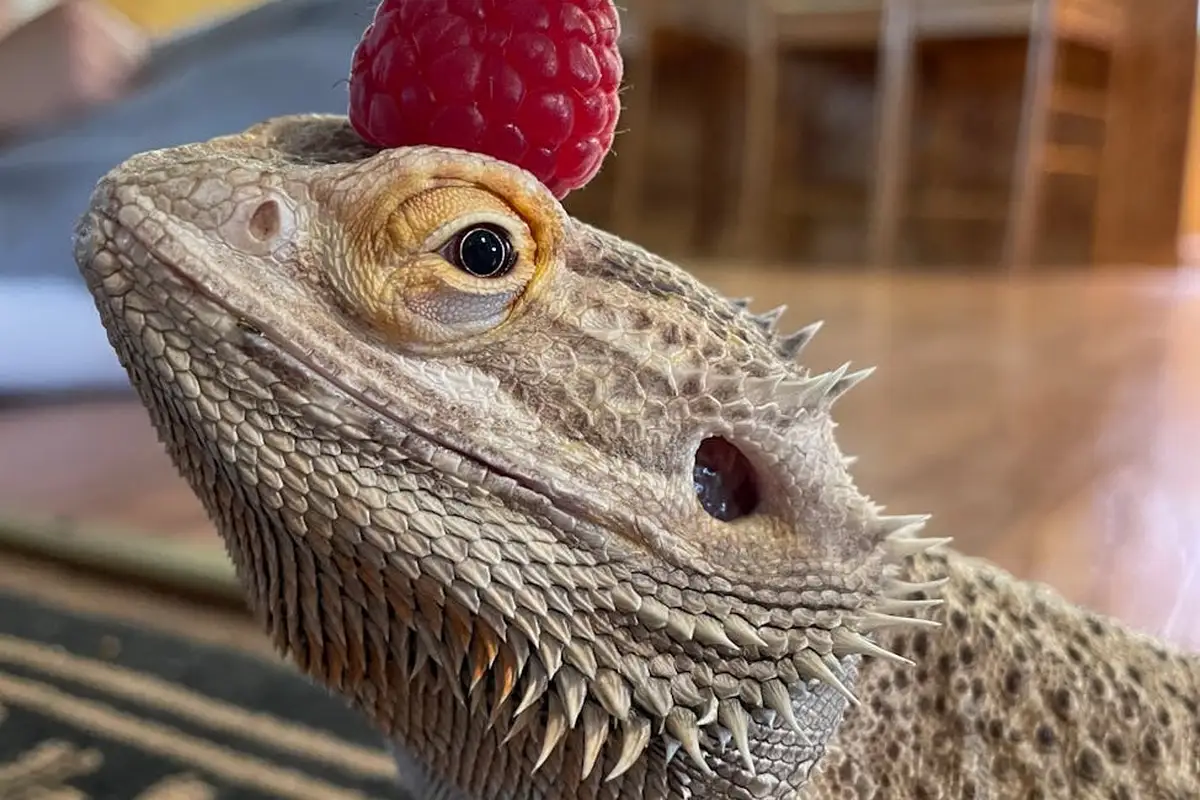
Even with careful moderation, strawberries can sometimes cause problems. I’ve learned to watch my dragons like a hawk for a day or two after a strawberry treat. Your first clue something is wrong is often a change in their bowel movements. Runny, overly watery, or particularly foul-smelling stool can signal that the sugar and water content was just too much for their system to handle.
Beyond digestive upset, keep an eye on their energy levels and appetite. A dragon that becomes unusually lethargic or refuses their staple greens after eating fruit might be feeling unwell. A sudden loss of interest in their regular food is a red flag that warrants attention. In very rare cases, you might even see a small allergic reaction, like swelling around the mouth. If your bearded dragon won’t eat, check enclosure conditions and feeding routine. If appetite doesn’t return, consult a reptile veterinarian.
- Digestive Distress: Watery diarrhea, bloating, or a lack of appetite.
- Lethargy: Unusual inactivity or sleeping more than normal.
- Oral Irritation: Pawing at the mouth or visible swelling.
- Weight Changes: Rapid weight gain from sugar or weight loss from refusing food.
If you notice any of these symptoms, the first step is to remove all fruit from their diet immediately and ensure they are well-hydrated with fresh water. Persistent symptoms for more than a day mean it’s time to call your reptile vet. I always err on the side of caution; a quick phone call is better than a worried night.
Safer Fruit and Vegetable Alternatives for Your Bearded Dragon’s Diet

While strawberries are a fun, occasional blip on the menu, the core of your dragon’s diet should be reliable and nutritious staples. I build my dragons’ meals around a foundation of leafy greens and vegetables, using fruit as a tiny, exciting accent maybe once a week—just like in this guide that explains the best safest options for fruits and veggies.
For a much safer and more frequent fruit treat, I often turn to blueberries or raspberries. They are still sugary, but their smaller size makes portion control easier. Mashed banana or a single piece of peeled mango can also be a huge hit without the pesky leaf concerns of strawberries. Just remember, these are all treats, not meals.
Excellent Daily Vegetable Staples
- Collard, Mustard, and Dandelion Greens: The absolute best foundation for any salad.
- Butternut Squash: My dragons go crazy for the bright orange color and it’s packed with Vitamin A.
- Bell Peppers (all colors): A fantastic source of hydration and vitamins, and they add a great crunch.
- Green Beans: A low-oxalate option that’s perfectly safe for regular munching.
Occasional Fruit Treats (Safer than Strawberries)
- Blueberries: Rich in antioxidants and easy to serve one or two at a time.
- Raspberries: Another great berry option with a soft texture.
- Papaya: Offers digestive enzymes that can be beneficial in small amounts.
- Watermelon: Primarily water, but a hydrating, rare summer treat on a hot day.
The golden rule in my house is that veggies make up 80-90% of the plant-based diet, while fruit is a tiny, <10% bonus. This balance prevents nutritional deficiencies and obesity, ensuring your scaly friend lives a long, healthy, and active life. Always wash all produce thoroughly to remove any pesticide residue before serving.
Frequently Asked Questions
Do bearded dragons enjoy the taste of strawberries?
Yes, most bearded dragons find strawberries highly palatable and often show excitement, such as increased activity or eagerness, when offered this sweet fruit as an occasional treat. It’s always important to be cautious when introducing any new fruit to your pet’s diet, so check out our list of safe and unsafe fruits for bearded dragons.
How often can strawberries be included in a bearded dragon’s diet?
Strawberries should only be a rare treat, with adults having a few small pieces once every two weeks, while juveniles and seniors should have them less frequently or not at all to prevent health issues.
What are the risks of feeding strawberry greens to bearded dragons?
Strawberry greens, including tops and leaves, contain higher oxalate levels that can hinder calcium absorption and potentially lead to digestive problems, so it’s best to avoid them entirely.
The Strawberry Verdict
So, can your bearded dragon eat strawberries? Yes, but think of them as a sweet, occasional dessert, not a dietary staple. A small piece once or twice a month is a safe and happy treat that provides a hydration boost and a little variety. I always remove the stem and leaves first. For a complete safe feeding guide on fruits bearded dragons can eat, see our full guide. These tips help keep your dragon on a balanced diet.
When it comes to the green tops and leaves, the answer is a firm no. It’s simply not worth the risk of potential toxicity or digestive upset for your scaled friend. Stick to the red berry flesh, offer it sparingly, and you’ve got a safe, special snack that your dragon will love. For bearded dragons, dragon fruit flesh can be a safe occasional treat—offer it in moderation and watch for digestive upset.
Further Reading & Sources
- r/reptiles on Reddit: Feeding a Bearded Dragon strawberries
- Can Bearded Dragons Eat Strawberries? Nutritional Value vs. Risk – Dragon’s Diet
- Can Bearded Dragons Eat Strawberries? Health Benefits & Risks | Hepper Pet Resources
Bearded Dragon Lair is the ultimate resource for bearded dragon enthusiasts, offering expert advice and practical tips to ensure the health and happiness of your scaly companion. With years of experience in reptile care, we are dedicated to providing accurate, up-to-date information to support your bearded dragon journey.
Feeding Guidelines