
Do Bearded Dragons Bond With Their Owners? (Recognizing, Attachment & More)
Published on: May 30, 2026 | Last Updated: May 30, 2026
Written By: Beardie Joe
You watch your bearded dragon calmly perched on your shoulder and can’t help but wonder-is this just tolerance, or a real connection?
I’ve shared my home with multiple bearded dragons for years, and I’m here to walk you through the subtle ways they show affection based on my own experiences.
We’ll look at the clear signs of bonding, how attachment develops over time, and simple steps you can take to strengthen your unique relationship.
Understanding Bearded Dragon Social Behavior
In the wild, bearded dragons are primarily solitary reptiles. They don’t form family groups or hunt in packs. Their social interactions are mostly limited to mating and, unfortunately, competing for resources. This solitary nature is key to understanding that their version of “bonding” is different from a dog’s or cat’s.
So, how do they perceive us, these giant creatures who provide food and warmth? They see us as a non-threatening part of their environment, a consistent source of good things. Your bearded dragon forms positive associations with you, linking your presence and touch with safety, food, and comfort. I’ve seen this with my own dragons; the one who was most hand-fed as a juvenile is now the most eager to climb onto my arm.
While reptile brains are wired differently from mammals, research into reptile cognition shows they are capable of learning and complex behaviors. They can recognize their primary caretaker and distinguish them from strangers. This capacity for recognition and association is the foundation of the unique relationship we build with them. It’s not a fluffy, emotional bond, but a practical and trusting one built on consistent, positive experiences.
Signs Your Bearded Dragon Is Bonding With You
Bonding goes beyond simple tolerance. A tame bearded dragon will allow handling, but a bonded one often seeks it out or clearly enjoys it. The key difference is in their active participation and displays of comfort. Look for a combination of these signals over time, not just a single event.
Positive Interaction Cues
These are the active choices your dragon makes to engage with you. They see you as more than just a moving tree.
- Voluntarily climbing onto your hand or arm when you open the enclosure door.
- Scrambling to the front of the tank and “glass surfing” when they see you, showing excitement.
- Responding to the sound of your voice with a head tilt or by moving closer.
- Curling up on your lap or chest and falling asleep, a huge sign of ultimate trust.
- Gently nibbling or licking your hand or clothing to investigate you.
When my beardie Pancake hears my specific morning greeting, he often perks up and waits by his food bowl, a clear association he’s made.
Calm Behavior Indicators
This is about the absence of stress signals and the presence of relaxed body language. A calm dragon is a happy, trusting dragon.
- No puffing up of the beard, no hissing, and no attempt to flee when you reach in.
- Their body remains flat and relaxed in your hand, not tense or arched.
- They close their eyes slowly or partially while you’re petting them, a sign of contentment.
- They willingly eat from your hand or eat food you are holding nearby.
- They don’t blacken their beard, which is a primary sign of stress or agitation.
A relaxed posture during handling is one of the most reliable signs that your bearded dragon feels safe and secure with you. This trust is earned, not given, and it’s the cornerstone of your bond. If you want to know for sure whether your dragon really likes you, learn the 12 key signs of trust. Tracking these cues will tell you when your bearded dragon is comfortable and confident around you.
How to Build Trust and Encourage Bonding

Building a connection with a bearded dragon is a slow, gentle dance, not a race. It all starts with letting your dragon set the pace while you provide unwavering, positive consistency. I’ve raised several dragons from skittish juveniles to calm, hand-seeking adults, and the process never gets old.
Steps for Gradual Socialization
Rushing interactions is the quickest way to shatter trust. Follow these steps for a stress-free introduction.
- Start by simply sitting near the enclosure during calm periods, allowing your dragon to get used to your presence and scent.
- Progress to placing your hand inside the tank without moving for a few minutes each day, always approaching from the side and below their line of sight.
- Once they seem comfortable, offer a tasty treat from your open palm, like a small piece of squash or a hornworm.
- Begin with short, supportive handling sessions of just 5-10 minutes, gradually increasing the time as they relax.
Patience is your most valuable tool, as forcing interaction will only teach your dragon to fear you. Consistency in your gentle approach builds a predictable and safe world for them.
Creating a Safe, Low-Stress Environment
Your dragon’s home is their castle, and it must feel secure for bonding to occur.
- Provide multiple hiding spots so they always have a place to retreat and feel safe.
- Ensure the enclosure is in a quiet part of the home, away from loud TVs and high-traffic areas.
- Maintain correct temperatures and UVB lighting, as physical discomfort directly leads to stress and irritability.
- Avoid sudden movements or loud noises above their tank, which can be perceived as a predator attack from above.
A stressed dragon is a distant dragon, so their physical and psychological comfort is the foundation of your relationship.
Handling Techniques for Trust
How you pick up and hold your dragon speaks volumes. Proper technique prevents fear and builds confidence.
Always scoop your dragon from below, supporting their entire body and all four legs. Never grab from above. Once they are in your hands, let them sit on your open palm or against your chest. I find my bearded dragon, Ember, loves to snuggle into the crook of my elbow where he feels completely cradled. Knowing how to support them properly is essential if you’re going to handle them often.
Reading their body language is non-negotiable. A stressed dragon will have a blackened beard, a puffed-up body, or a gaping mouth. If you see these signs, it’s time to gently end the session and try again later. Respecting their “no” is one of the most powerful ways to build long-term trust.
Routine and Care for Attachment
Bonding isn’t just about dedicated handling time; it’s about weaving yourself into the fabric of their daily life.
- Be the source of all good things! Hand-feeding greens or their favorite bugs creates a powerful positive association.
- Incorporate your presence during routine care, like talking softly to them while you mist the tank or change their water.
- Stick to a predictable schedule for lights-on, feeding, and lights-off. This predictability builds a profound sense of security.
When you become a reliable part of their world’s rhythm, you stop being a giant threat and start being their person. My dragons now perk up and come to the front of the tank when they hear my voice in the morning, knowing it’s almost breakfast time.
Training and Enrichment for Stronger Bonds
Training isn’t just for dogs; it’s a fantastic way to engage your bearded dragon’s brain and strengthen your connection. Working together on simple tasks builds communication and mutual understanding.
Target Training Basics
Target training is a simple and effective way to start. You’re teaching your dragon to touch a target (like a chopstick with a colored ball on the end) with their nose.
- Present the target stick near your dragon’s face. The moment they show any interest, even just looking at it, immediately reward them with a small, high-value treat.
- Wait for them to accidentally bump the target with their nose, and instantly reward. This is the “click” moment they understand.
- Once they are consistently bumping the target, you can slowly move it short distances for them to follow.
Keep sessions incredibly short-just 2-3 minutes-and always end on a positive note. Their attention spans are short, and pushing too long leads to frustration for both of you.
Enrichment Ideas for Socialization
Beyond training, enrichment keeps your dragon’s life interesting and gives you more opportunities to interact.
- Create a safe, supervised “playpen” area outside the enclosure with different textures to explore, like a small rock, a towel, and a branch.
- Take them for short, supervised “adventures” in a secure, reptile-proofed room. Always watch them closely!
- Hide their favorite treats in a puzzle feeder or under a paper cup to stimulate their natural foraging instincts.
- Vary your interactions-sometimes it’s handling, sometimes it’s target training, sometimes it’s just letting them climb on you while you watch TV.
Using positive reinforcement, like a tasty treat or gentle praise, whenever they choose to interact with you reinforces that being with you is a wonderful experience. This turns obligation into a genuine, sought-after connection.
Differentiating Bonding from Stress or Illness

It’s easy to get excited and misinterpret what your bearded dragon is trying to tell you. I’ve been there myself, thinking a behavior was cute only to realize it was a cry for help. The key to understanding your dragon lies in observing the context and combination of their behaviors. Sometimes that stare is your dragon’s way of gauging your presence or inviting interaction. To understand “why does my bearded dragon stare at me?”, you look at that gaze alongside other behaviors they show.
- Contrast bonding behaviors with stress signals like hiding or aggression
- Provide guidance on when behaviors might indicate health issues
- Advise on observation techniques to accurately interpret actions
A dragon that willingly climbs onto your hand is showing trust. One that runs and hides every time you approach is likely stressed or scared. Pay close attention to their body language and the timing of their actions.
Common Stress Signals
Your bearded dragon has a whole vocabulary of physical tells. Learning them is your superpower as a pet owner. A stressed beardie will often look flat, dark, and attempt to make itself look larger to appear threatening.
- Dark beard (especially when not in breeding season)
- Puffing up their body and beard
- Gaping mouth with a hiss (this is a definite back-off signal)
- Frantic glass surfing or scratching at enclosure walls
- Consistently hiding and refusing to come out
Common stress triggers include a new environment, loud noises, excessive handling, an incorrect tank temperature, or even seeing their own reflection.
When to Seek Veterinary Care
Your dragon’s health is the foundation of your entire relationship. A sick animal cannot feel safe enough to bond. Any sudden change in behavior, especially when paired with physical symptoms, warrants a call to your exotic vet.
- Lethargy that lasts for more than a day
- Loss of appetite or refusing favorite foods
- Swollen joints or limbs
- Runny or discolored stools
- Visible lumps or injuries
I never hesitate to call my vet with questions. It’s always better to be safe and ensure your scaly friend is pain-free and healthy.
Daily Care Routines That Foster Attachment
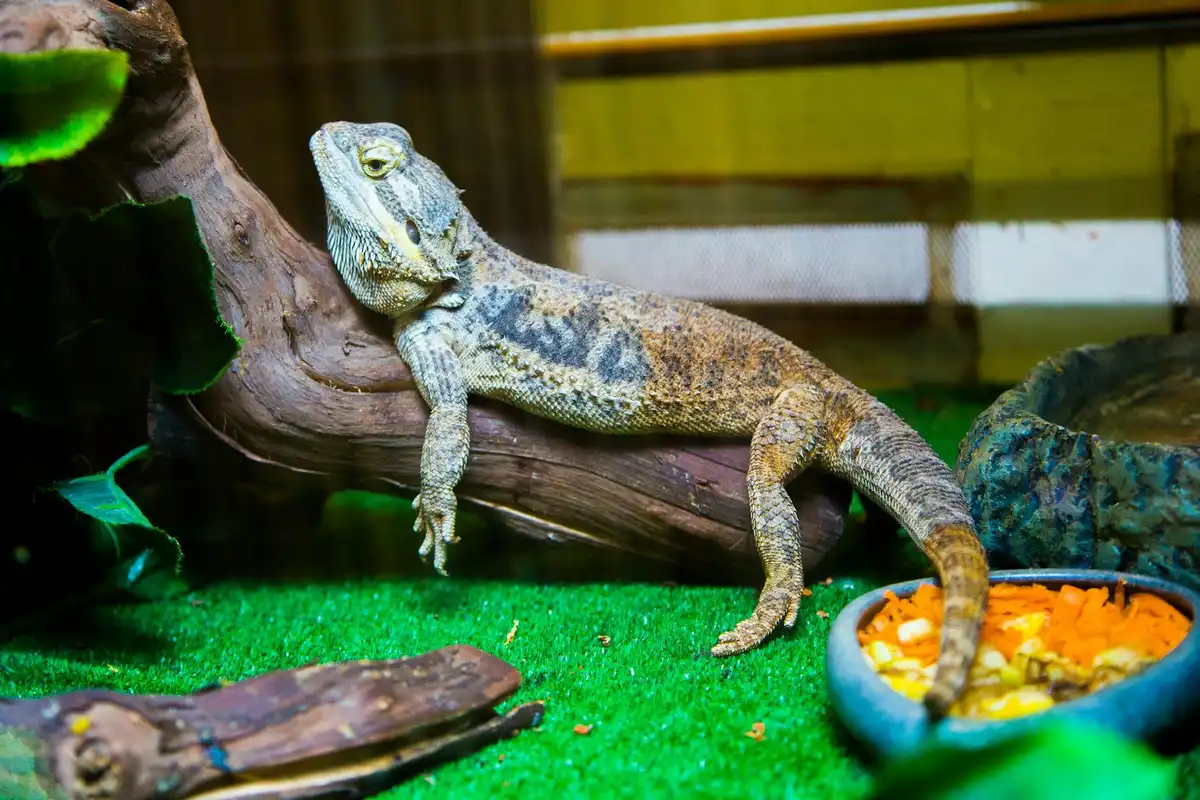
Bonding isn’t a separate activity you schedule-it’s woven into every single interaction you have each day. Consistency and predictability in your care build a framework of trust that attachment can grow on.
- Integrate bonding into essential care like feeding and habitat setup
- Suggest ways to make routine interactions trust-building
- Highlight the impact of consistent, gentle care on long-term attachment
Every time you change their water, offer food, or clean their tank without causing stress, you are reinforcing that you are a source of good things, not danger.
Feeding and Interaction
Mealtime is the ultimate bonding opportunity. I make it a point to be the one who delivers the good stuff. Hand-feeding greens or a favorite berry creates a powerful positive association between your presence and a wonderful experience.
- Start by offering treats from your fingers.
- Talk softly to them while they eat so they get used to your voice.
- Move slowly and avoid sudden gestures that could startle them.
- If they seem nervous, place the food down and let them approach it.
This turns a basic need into a moment of connection.
Enclosure Setup for Safety and Comfort
A stressed dragon is a dragon that cannot bond. Their home must be a sanctuary. Providing plenty of hiding spots and proper temperature gradients allows your dragon to regulate its own comfort, which reduces baseline anxiety.
- Include multiple hides on both the warm and cool side of the tank.
- Use safe, sturdy branches and rocks for climbing and basking.
- Position the enclosure in a quiet, low-traffic part of your home.
- Ensure the lid is secure to prevent escape attempts and the stress that comes with them.
When your dragon feels fundamentally safe in its environment, it is much more likely to see you as a friend rather than a threat.
Frequently Asked Questions
How long does it typically take for a bearded dragon to show signs of bonding?
Bonding time varies, but with consistent, positive interactions, most bearded dragons start showing trust within a few weeks to months. Patience is key as each dragon has its own personality and pace. To get your bearded dragon to like you and build trust, pair gentle handling with daily, calm interactions and a predictable routine. Consistency reinforces safety and closeness.
Do bearded dragons bond with more than one person?
Yes, bearded dragons can form positive associations with multiple people, especially if those individuals are consistently involved in their care and handling. However, they often show a stronger preference for their primary caretaker. Thinking about a bearded dragon as the right pet? Consider the pros and cons—their distinctive, candid look and generally calm demeanor, balanced against the need for a proper enclosure, heat, UVB, and daily care.
Is it easier to bond with a juvenile or adult bearded dragon?
Juvenile bearded dragons are generally more adaptable and may bond more quickly, but adults can also form strong attachments with patient and consistent care. The key is regular, gentle interaction regardless of age.
Your Bearded Dragon’s Heart
While they may not show affection like a cat or dog, bearded dragons absolutely form a unique bond with their people. I’ve seen it time and again with my own dragons-that special recognition and trust is a real and wonderful thing. It’s a quiet friendship built on consistent, gentle care.
Focus on the small signs: the relaxed posture, the calm acceptance of handling, and the eager anticipation at mealtime. Your patience and respect for their unique reptile nature are what build this lasting connection. Cherish the slow, steady trust you earn; it’s a rewarding experience for any dedicated owner.
Further Reading & Sources
- r/BeardedDragons on Reddit: How do I bond with my bearded dragon?
- How to Bond with Your Bearded Dragon – Dragon’s Diet
- Bonding With a Beardie | Galena Animal Medical Clinic
Bearded Dragon Lair is the ultimate resource for bearded dragon enthusiasts, offering expert advice and practical tips to ensure the health and happiness of your scaly companion. With years of experience in reptile care, we are dedicated to providing accurate, up-to-date information to support your bearded dragon journey.
Socialization Techniques