
Can You Get Salmonella from a Bearded Dragon? (How to Stay Safe)
If you’ve ever worried about getting sick from handling your bearded dragon, you’re asking the right question for your health and your pet’s.
I’ve cared for multiple bearded dragons for years and want to give you the straight facts to keep your family and your scaly companion safe.
We’ll look at how Salmonella spreads, the simple daily habits that prevent it, and what to do if you have concerns about your health.
Understanding Salmonella and Its Connection to Bearded Dragons
Salmonella is a type of bacteria that causes an illness called salmonellosis in people. It’s notorious for causing stomach cramps, diarrhea, and fever. What many new owners don’t realize is that salmonella is incredibly common in the reptile world, including our beloved bearded dragons. It’s a standard part of their gut flora.
This is a classic case of a zoonotic disease, or zoonosis. This simply means an illness that can pass from animals to humans. The tricky part with bearded dragons is that they are often asymptomatic carriers. Your dragon can be perfectly healthy, happily munching on its greens, all while carrying salmonella bacteria in its digestive tract and shedding it in its droppings. I’ve cared for many dragons over the years, and you’d never know which ones were carriers just by looking at them. This is especially concerning because bearded dragons can transmit diseases to humans, particularly salmonella infections.
Why should this matter to you as a pet owner? Well, it’s all about managing risk. Knowing that this bacteria could be present allows you to set up simple, effective habits that keep everyone in your household-especially kids, the elderly, or anyone with a weaker immune system-safe and healthy. It doesn’t mean you can’t enjoy your pet; it just means being a little smarter about your daily routine.
How Salmonella Transmission Happens from Bearded Dragons to Humans
Transmission usually isn’t from a bite or a scratch. It’s much more subtle than that. The bacteria spreads through the fecal-oral route. This means you accidentally transfer the bacteria from a contaminated surface or your hands to your mouth. It sounds gross, but it happens more easily than you might think during everyday care.
- Direct Handling: This is the most common path. You handle your dragon, feeling their scales and their calm weight on your hand. Any salmonella on their skin or feet from walking in their enclosure can now be on your hands.
- Enclosure Contact: Everything inside the tank can be contaminated-the decor, the food and water dishes, the substrate. Reaching in to change water or grab a hide is a potential point of contact.
- Cross-Contamination: This is a big one in my home. You handle your dragon or something from its tank, and then you touch the kitchen counter, your phone, a remote control, or a towel without washing your hands first.
Certain habits significantly increase the risk. I always advise fellow owners to be mindful of these specific actions.
- Not washing hands thoroughly with soap and water immediately after handling your pet or anything in its habitat.
- Kissing your bearded dragon or letting it roam on surfaces where you prepare or eat food.
- Cleaning your dragon’s tank or supplies in the kitchen sink or bathtub without proper disinfection afterward.
- Allowing young children to handle the dragon without very close supervision and immediate handwashing.
Bacterial exposure truly occurs in these small, forgettable moments, not from dramatic events. It’s the hand you wipe on your jeans after spot-cleaning the tank, or the quick snack you grab without thinking after handling your pet. Being aware of these moments is your first and best line of defense.
Recognizing Salmonella Symptoms in Humans and Your Pet
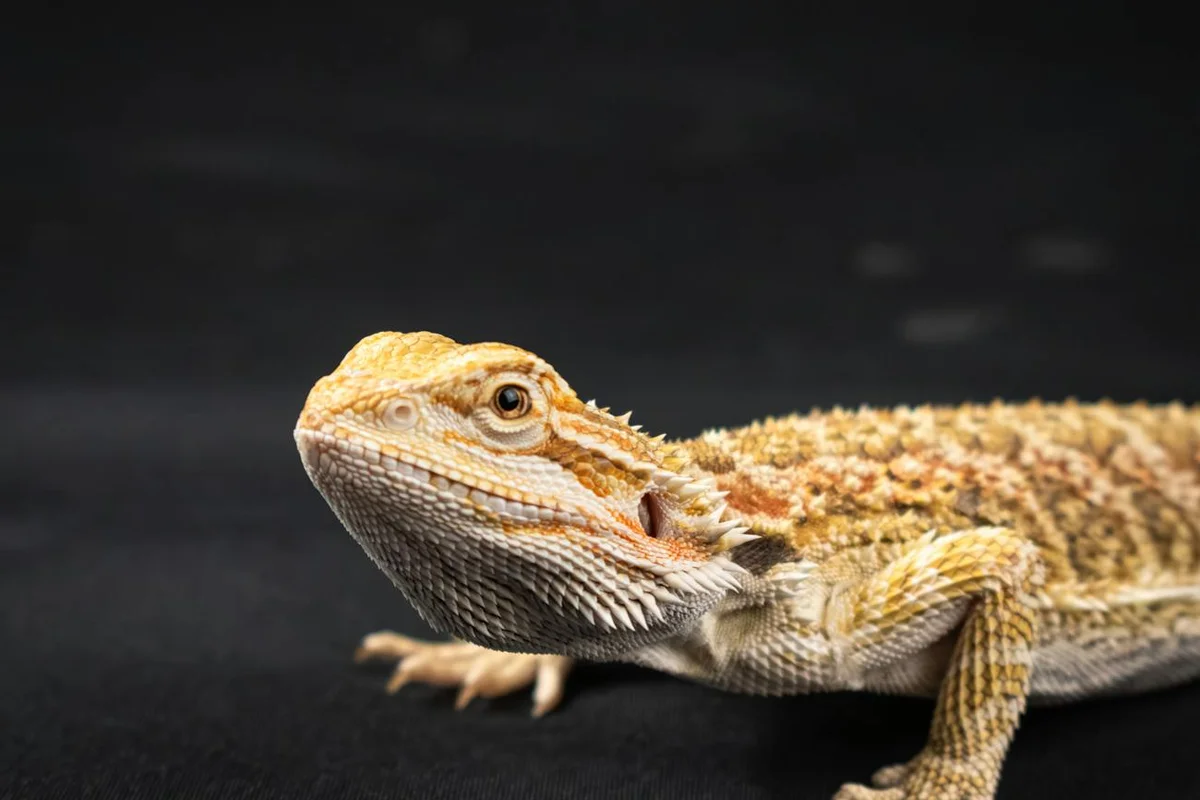
Spotting the signs of salmonella early makes a huge difference for you and your scaly friend. The symptoms can be quite different between people and dragons.
Symptoms in Humans
In people, symptoms typically show up 6 hours to 6 days after exposure and can last for several days. The most common signs are gastrointestinal and can feel like a severe stomach bug.
- Diarrhea (that can be bloody)
- Fever
- Stomach cramps and abdominal pain
- Nausea and vomiting
- Headaches
Symptoms in Your Bearded Dragon
Your bearded dragon can carry and shed salmonella bacteria without ever appearing sick. When they do show symptoms, it’s often a sign of a more significant health issue. There are 12 critical health symptoms that should never be ignored in a sick bearded dragon. A lethargic dragon who refuses food is a dragon that needs your attention. If you notice any other warning signs, contact an exotic vet promptly.
- Lethargy and lack of normal activity
- Loss of appetite or refusing favorite foods
- Unusual, runny, or particularly foul-smelling droppings
- Weight loss
When to Seek Help
Don’t hesitate to contact a professional. I’ve made that call myself a few times, and it always brings peace of mind.
- Seek medical attention if you or a family member experience severe symptoms like a high fever, dehydration, or diarrhea lasting more than 3 days. This is especially critical for young children, the elderly, or those with compromised immune systems.
- Call your exotic veterinarian if your bearded dragon shows any combination of the symptoms listed, especially lethargy paired with not eating. They can run tests and provide the proper care for your pet.
Essential Hygiene Practices to Reduce Salmonella Risk
The good news is that the risk of getting sick is very low with consistent hygiene. I treat my dragon’s care routine the same way a chef treats food safety-it’s all about preventing cross-contamination.
Proper Handwashing is Non-Negotiable
This is your single most powerful tool. You must wash your hands thoroughly with soap and water immediately after every interaction with your dragon or anything in its enclosure. I do this without fail.
- Wet your hands with clean, running water.
- Apply soap and lather thoroughly, scrubbing the backs of your hands, between your fingers, and under your nails for at least 20 seconds.
- Rinse well under running water.
- Dry your hands using a clean towel or air dryer.
Hand sanitizer is a temporary solution if soap and water aren’t immediately available, but it is not a replacement for a proper wash.
The Power of Gloves
I keep a box of disposable gloves right next to my dragon’s tank. Wearing gloves during messy tasks like tank cleaning or handling droppings provides a fantastic physical barrier. It just makes the clean-up process easier and safer.
Feeding and Water Bowl Hygiene
Salmonella loves a damp, dirty environment. Your dragon’s food and water dishes are prime real estate for bacteria to multiply.
- Wash food and water bowls daily with hot, soapy water, preferably in a sink that isn’t used for food preparation. I have a dedicated tub just for my reptile supplies.
- Rinse fresh vegetables thoroughly before offering them to your dragon.
- Remove uneaten live insects and fresh food within a few hours to prevent spoilage and bacterial growth.
- Never clean your dragon’s supplies in the kitchen sink or with sponges you use for your own dishes.
Safe Handling and Daily Care for Your Bearded Dragon

I handle my bearded dragons every single day, and over the years, I’ve developed a simple routine that keeps everyone—human and reptile—safe and healthy. It all comes down to managing germs before they have a chance to spread. Pair this with a Thrive Complete Care Checklist for bearded dragons to keep the daily routine on track. It helps you cover hygiene and essential daily checks at a glance.
Smart Handling Habits to Keep You Safe
Think of your hands after handling your dragon or anything in its tank as being “dirty.” The goal is to clean them before you touch anything else or start handling your bearded dragon.
- Always wash your hands thoroughly with soap and water immediately after handling your pet, its food, or anything inside its enclosure.
- Never kiss or snuggle your bearded dragon close to your face. As much as we love them, their home is not our face.
- Avoid eating, drinking, or handling food for yourself in the same area where you care for your dragon.
- Keep your dragon off kitchen counters, dining tables, and other surfaces where food is prepared or eaten.
The single most effective habit you can build is washing your hands the moment you are done interacting with your pet’s habitat.
Special Considerations for Families
If you have young children, elderly family members, or anyone with a compromised immune system at home, you need to be extra vigilant. Their bodies are less equipped to fight off infections.
- Supervise all interactions between children and the bearded dragon. Guide their hands and make handwashing a non-negotiable, fun ritual afterward.
- For immunocompromised individuals, it’s often safest to be an observer rather than a handler. They can still enjoy the dragon’s personality without the direct contact risk.
- I have a firm rule in my house: the bearded dragon does not enter the kitchen. Establishing clear zones prevents accidental contamination of food spaces.
Building a Safety-First Routine
When I first got into reptiles, I was so excited that I’d often forget to wash my hands after a handling session. I quickly learned that consistency is everything. Now, my routine is automatic: handle the dragon, put them back, walk directly to the sink. Making safety habits as routine as feeding them turns precaution into second nature. It feels just as normal as turning off the lights when you leave a room.
Cleaning and Sanitizing the Bearded Dragon Enclosure
A clean tank is a healthy tank, and a healthy dragon is far less likely to shed high levels of bacteria. I do a full, deep clean of my enclosures every four weeks, with spot cleaning daily. This aligns with a bearded dragon tank cleaning guide that emphasizes a regular schedule and straightforward methods. I also rely on safe, reptile-friendly cleaners and thorough rinsing to ensure a safe solution for my dragon.
Your Step-by-Step Deep Cleaning Routine
- Relocate Your Dragon: Move your bearded dragon to a secure, temporary holding bin. This keeps them safe and out of the way.
- Remove Everything: Take out all decorations, food and water bowls, hides, and branches.
- Dispose of Substrate: Completely remove and discard all loose substrate (like sand or soil).
- Scrub and Soak: Wash all removable items and the empty tank with hot, soapy water. I use a dedicated scrub brush that never gets used for anything else. A vinegar and water solution (50/50) works great for breaking down mineral deposits.
- Disinfect: This is the crucial step. Use a veterinary-grade disinfectant or a diluted bleach solution (1 part bleach to 10 parts water). Spray all surfaces, let it sit for 10-15 minutes to do its job, then rinse everything thoroughly with clean water. Proper rinsing is critical to remove any chemical residue that could harm your pet.
- Dry Completely: Allow the tank and all items to air dry completely before adding fresh substrate and putting your dragon back home.
Choosing Safe and Effective Cleaning Products
You don’t need fancy, expensive products. Simplicity and effectiveness are key.
- For Daily Spot Cleaning: A paper towel and warm water are perfect for quickly cleaning up poop and urates.
- For Weekly Wipes: A damp cloth is all you need to wipe down the glass and smooth surfaces.
- For Deep Cleaning: A diluted bleach solution or a commercial reptile-safe disinfectant (like F10SC or chlorhexidine) are your best bets for killing germs.
- Avoid using harsh household cleaners with strong fragrances or pine/ phenol ingredients, as these can be toxic to reptiles.
How Regular Cleaning Prevents Problems
Think of your dragon’s enclosure as their entire world. They eat, sleep, and poop in that space. Feces are the primary source of Salmonella bacteria. By promptly removing waste and regularly disinfecting the environment, you are physically removing the bacteria before it can multiply to dangerous levels. A clean habitat is your first and most powerful line of defense, not just for your family, but for the long-term health of your scaly friend.
Debunking Common Myths About Salmonella and Bearded Dragons

I hear a lot of fear and confusion around this topic, and it often stems from a few persistent myths. Let’s clear the air so you can enjoy your scaly friend with confidence.
Myth: All Reptiles Are a High-Risk Salmonella Threat
This is the big one. The blanket statement that all reptiles are dangerous is simply not true. The risk isn’t from the bearded dragon itself, but from how we manage their environment and our own hygiene. Bearded dragons are not inherently “dirty” or “disease-ridden” pets; they become a risk factor only when proper care protocols are ignored. I’ve shared my home with these wonderful creatures for years without a single health scare, precisely because I follow the rules—especially when it comes to handling and safety around them.
Myth: You Can Tell a Bearded Dragon is “Clean” by Its Appearance
A bearded dragon can look perfectly healthy and have a beautiful, clean enclosure, but salmonella bacteria can still be present in their droppings. Salmonella is an invisible passenger, not something you can see on your pet’s skin or scales. That’s why a complete health check guide is essential to tell if your bearded dragon is truly healthy. It highlights key signs to watch—appetite, weight, shedding, droppings, and daily activity—and what to do if you notice concerns. Assuming a “clean-looking” dragon is a safe dragon is a dangerous misconception. My healthiest, most vibrant dragon is still a reptile who carries this natural gut flora.
The Real Facts: Prevention is Simple and Effective
The truth is, you hold all the power to prevent infection. It’s not about being afraid of your pet; it’s about being smart about your habits.
- Wash Your Hands: This is the single most important step. Always wash your hands thoroughly with soap and water after you handle your dragon, touch anything in its tank, or clean up its poop. I keep a bottle of hand sanitizer right next to my dragon’s enclosure for a quick clean before I go wash properly at the sink.
- Keep Them Out of the Kitchen: Do not let your bearded dragon roam on countertops, tables, or in the kitchen sink. I have a specific “dragon play pen” set up in the living room for out-of-tank time. This keeps their environment separate from your food prep areas.
- No Kissing, As Tempting As It Is: I know, they have the cutest little faces. But do not kiss your bearded dragon or let it touch your face. This is a direct route for bacteria to enter your mouth.
- Clean Habitats are Safe Habitats: Spot-clean poop daily and do a full, deep clean of the entire enclosure regularly. A consistent cleaning schedule is your best defense, turning a potential risk into a non-issue. I do a full breakdown of my tanks every month without fail.
From my experience, the people who get sick are almost always those who didn’t know these basic rules. Treating your bearded dragon’s space with the same hygiene awareness you’d use when handling raw chicken completely eliminates the risk. It becomes second nature, and you get all the joy of pet ownership with zero worry. Plus, knowing which foods bearded dragons can’t eat—and which are toxic foods to avoid—helps complete a practical care guide you can rely on.
Frequently Asked Questions
Can bearded dragons be cured of Salmonella?
No, Salmonella is a natural part of a bearded dragon’s gut flora and cannot be eliminated, but consistent hygiene practices can prevent it from spreading to humans.
How long does Salmonella survive on surfaces in the enclosure?
Salmonella bacteria can live for weeks on surfaces, so regular disinfection and cleaning are essential to minimize the risk of contamination.
Is it safe to have a bearded dragon if someone in the household is pregnant?
Yes, but pregnant individuals should avoid direct handling and ensure thorough handwashing after any contact with the dragon or its environment to reduce any potential risk.
Final Thoughts
So, can you get salmonella from a bearded dragon? Yes, it’s a real possibility, but it is also entirely preventable. The risk is not a reason to fear your pet, but a reason to practice consistent, simple hygiene. Bearded dragons and their humans share a two-way risk: people can pass germs to a dragon, and those germs can come back to us. That’s why consistent handwashing protects both of us. I’ve shared my home with these incredible reptiles for years without a single issue by making handwashing a non-negotiable habit.
Focus on cleanliness with their habitat, be mindful of where they roam, and always wash your hands after handling them or anything in their enclosure. By being a vigilant and clean keeper, you can enjoy all the joys of bearded dragon ownership while keeping your household happy and healthy. Proper hygiene extends to them too.
Further Reading & Sources
- Salmonella Outbreak Linked to Pet Bearded Dragons – June 2024 | Salmonella Infection | CDC
- Reoccurring Salmonella Cotham Outbreak Linked to Pet Bearded Dragons – United States, 2024 | MMWR
- r/BeardedDragons on Reddit: Has anyone contracted salmonella from their bearded dragon?
Bearded Dragon Lair is the ultimate resource for bearded dragon enthusiasts, offering expert advice and practical tips to ensure the health and happiness of your scaly companion. With years of experience in reptile care, we are dedicated to providing accurate, up-to-date information to support your bearded dragon journey.
Common Diseases