DIY Bearded Dragon Accessories: Harness, Hammock, and Clothes
Published on: November 17, 2026 | Last Updated: November 17, 2026
Written By: Beardie Joe
Want to add some personalized fun to your bearded dragon’s life without breaking the bank?
I’ve crafted these items for my own dragons for years, and I’m here to guide you through safe, simple projects that prioritize your pet’s comfort.
You’ll learn how to make a secure outdoor harness, a cozy lounging hammock, and some adorable, safe clothing options.
Getting Started with DIY Bearded Dragon Accessories
Creating your own reptile gear is one of the most rewarding parts of being a beardie owner. Handmade items are not only kinder to your wallet, but they let you build a habitat that’s perfectly tailored to your dragon’s unique personality and needs. You control the materials, ensuring everything is safe and non-toxic. This mindset also ties into bearded dragon enrichment ideas. Simple homemade foraging toys or climbing structures can keep your beardie active and curious.
I started making my own accessories years ago after my first dragon, Smaug, kept outgrowing store-bought hammocks. Watching him comfortably sprawl on a hammock I sewed myself gave me a sense of pride that a purchased item never could. It strengthened our bond and gave me a creative outlet centered entirely on his well-being.
Crafting a Safe and Adjustable Bearded Dragon Harness
A good harness lets your dragon safely explore the outdoors without the risk of a sudden sprint into the bushes. The goal is to create a secure yet comfortable fit that doesn’t put pressure on their spine or restrict movement. This sets the stage for safe outdoor time and bearded dragon harness training. With gradual exposure and positive reinforcement, you can practice short outdoor sessions to build confidence. With a few simple materials, you can make a custom harness that beats any generic pet store version.
Materials for Your DIY Harness
Choosing the right materials is the most critical step for your dragon’s safety and comfort.
- Fabric: Use soft, breathable materials like felt, flannel, or ultra-suede. Avoid anything rough, like canvas or burlap, which can chafe their delicate skin.
- Hardware: A small, lightweight plastic D-ring and a plastic slider buckle. Metal can get too hot in the sun.
- Tools: Fabric scissors, a flexible measuring tape, a needle, and strong thread.
- Upcycled Ideas: An old felt hat, a soft belt, or even the sleeves from a worn-out flannel shirt can be perfect, cost-free materials.
Step-by-Step Harness Construction
- Measure your dragon’s chest, right behind their front legs. Add 2 inches to this measurement for the chest strap.
- Measure the length from the center of their chest, over their shoulders, to the center of their back. This is your body strap.
- Cut two strips of fabric: one for the chest strap (using your first measurement) and one for the body strap (using your second). Make each strip about 1 inch wide.
- Sew the D-ring securely onto the center of the body strap.
- Attach one end of the chest strap to the center of the body strap, creating a “T” shape. Reinforce this stitch.
- For an adjustable fit, thread the chest strap through the plastic slider buckle before sewing the final connection. This lets you easily loosen it as your dragon grows.
Ensuring a Perfect Fit
A proper harness fit is snug but not tight. You should be able to comfortably slide one or two fingers between the harness and your dragon’s body. Watch for these signs of a bad fit during the first few uses.
- Too Loose: Your dragon can easily wiggle a leg or their head out. Shorten the chest strap.
- Too Tight: The fabric digs into their skin, or they struggle to walk normally. Loosen the straps immediately.
- Rubbing: Any sign of red or irritated skin means the material is too abrasive. Switch to a softer fabric like flannel.
Acclimating Your Dragon to the Harness
Most bearded dragons are not fans of wearing clothes at first. Patience is your best tool for helping them accept their new harness without stress. Rushing this process will only create fear. Even a scared or aggressive dragon can be picked up safely—approach slowly, let them sniff your hand, and slide both hands under the body to support chest and hind legs. Never grab the tail or make sudden moves; stay calm and lift smoothly.
- Let them see and sniff the harness for a few days before trying to put it on.
- Drape the unfastened harness over their back for just 30 seconds, offering a treat afterward.
- Fasten the harness and let them wear it indoors for five minutes. Distract them with handling or food.
- Gradually increase the wearing time by a few minutes each session over a week.
Building a Comfortable DIY Reptile Hammock

Seeing my bearded dragons lounge in their hammocks is one of my great joys. A hammock provides crucial vertical space and a comfy spot for basking and observing their domain. It’s a simple upgrade that dramatically enriches their enclosure. For new owners, the top 5 budget-friendly enclosures offer solid options that balance cost with safety and space. They let you upgrade without breaking the bank while keeping your beardie happy.
Choosing Your Hammock Design
You have two main paths for hammock materials, and I’ve tried both with my crew.
- Mesh Fabric: This is my personal favorite. It allows air to circulate and lets any spilled water pass through, which helps prevent moisture buildup. It’s also easy to wipe clean.
- Solid Fabric (like cotton): This feels softer and can hold heat well for basking. The downside is that it can get dirty faster and needs to be washed regularly if your dragon has an accident on it.
Always choose a fabric that is durable and easy to sanitize for your dragon’s health.
Hammock Assembly Steps
Let’s build a simple, no-sew hammock. This is the method I use most often because it’s quick and effective.
- Cut your chosen fabric into a square. A 12×12 inch square is a great starting size for an adult dragon.
- Place one suction cup in each corner of the fabric.
- Gather the fabric around the suction cup’s hook and secure it tightly with a sturdy zip tie.
- Trim the excess zip tie tail with scissors to prevent any sharp edges.
- Repeat for all four corners.
Reinforcing the corners with a double zip tie is a trick I use for my heavier dragons to prevent any unexpected drops.
Proper Installation and Placement
Where you put the hammock is just as important as how you build it.
- Stick the suction cups firmly to a smooth, clean glass or acrylic surface. I always press the center of the cup until I hear a solid “pop.”
- Install it in a corner for extra stability, using two walls for support.
- Place the hammock high enough so your dragon can’t accidentally burn itself on the heat lamp, but within their preferred basking temperature zone.
- Ensure it’s not directly under the spot where water drips from a dripper or mister to keep it dry.
A well-placed hammock becomes a favorite basking perch and lookout point.
Sewing Simple and Safe Bearded Dragon Clothes
Let’s be perfectly clear: bearded dragons do not need clothes. Clothing is strictly for very short periods, like a quick photo session, and should always prioritize your pet’s welfare. I only dress my dragons for a few minutes at a time, and I watch them like a hawk. Many bearded dragons do enjoy gentle petting, especially along the back or shoulders where they feel secure. Watch for signs they’re comfortable, like leaning into your hand, and avoid sensitive spots if they stiffen or move away.
Taking Accurate Measurements
A good fit is everything. An outfit that is too tight can restrict breathing and movement.
- Use a soft measuring tape.
- Measure the width around the widest part of their belly.
- Measure the length from the base of their neck to the start of their tail.
- For a simple vest, you’ll also need the distance between their front legs.
Always add an extra half-inch to your measurements for a comfortable, non-binding fit. A growing juvenile will need a new pattern every few months.
Constructing Your Dragon’s Outfit
We’ll make a basic, open-backed vest. Use only lightweight, breathable 100% cotton fabric.
- Fold your fabric in half.
- Draw a simple T-shape based on your measurements. The top of the T is the width, and the long part is the length.
- Cut out the T-shape through both layers of fabric.
- Unfold it, and you’ll have a vest with a head hole and two leg holes.
- Sew or use fabric glue to hem the edges, especially around the leg holes, to prevent fraying.
If you want to add decoration, lightly hand-stitch a felt shape on, but avoid anything they could chew or swallow.
Avoiding Common Clothing Issues
Your number one job is to keep your dragon safe and stress-free.
- Overheating is a major risk. Never put clothes on your dragon under their basking light or for more than 10-15 minutes.
- Watch for signs of stress like puffing up, trying to wriggle out, or a black beard. If you see these, remove the outfit immediately.
- Ensure the outfit does not rub against their legs or arm pits, as this can cause sores.
The moment your dragon seems uncomfortable, the fashion show is over. Their well-being is always the top priority.
Essential Safety Tips for All DIY Reptile Accessories
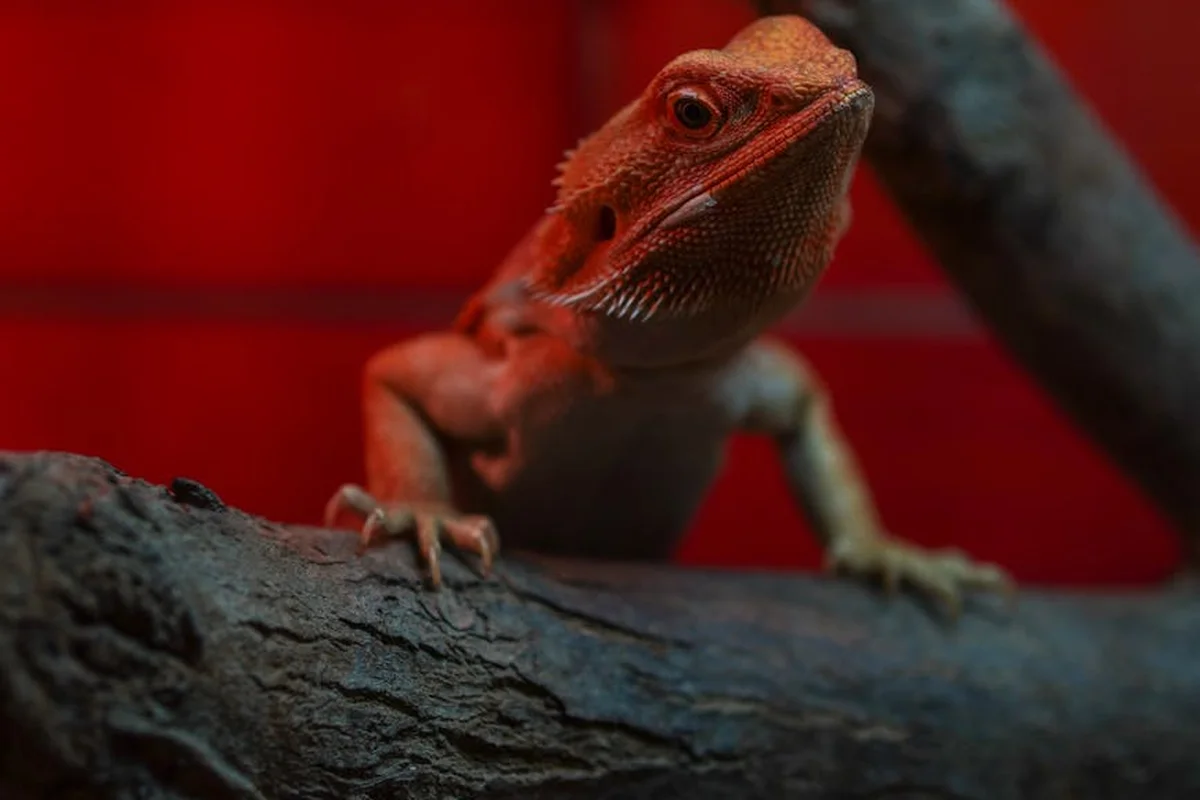
Crafting for your scaly friend is incredibly rewarding, but their safety is the absolute top priority. I’ve learned through years of caring for my own dragons that a simple, well-made accessory is always better than a complex, unsafe one.
- Avoid any small parts like buttons, beads, or loose threads that could be accidentally swallowed.
- Only use materials that are confirmed non-toxic, especially since bearded dragons often explore with their tongues.
Material Safety and Selection
Choosing the right materials is your first and most important step. When in doubt, stick to simple, natural fibers and avoid anything with chemical treatments or strong odors.
- Safe Materials: Untreated cotton, fleece, jute rope, natural wood, and plastic buckles (for harnesses).
- Hazardous Materials: Anything with sticky adhesives, treated leather, rubber, metallic wires, or synthetic fabrics that can fray easily.
Breathable fabrics prevent overheating, and washable materials make cleaning up after messy meals a breeze.
Supervision and Usage Guidelines
Even the safest DIY project requires smart usage. A harness is a tool for supervised exploration, not a permanent outfit for your pet.
- Only put a harness or clothing on your dragon when you are actively supervising them, like during safe, controlled outdoor time.
- Remove all accessories, including hammocks, during feeding time to prevent accidental ingestion of substrate or fabric.
Hammocks can stay in the enclosure permanently, but you must check them daily for loose threads or weakened supports.
How to Regularly Inspect Accessories for Wear and Tear
Make inspection a part of your daily routine. A quick two-minute check when you spot-clean the tank can prevent a major accident. That habit fits neatly into a bearded dragon tank cleaning schedule, highlighting safe methods and solutions. Sticking to the guide helps keep the enclosure clean and your dragon healthy.
- Run your fingers over all seams and edges, feeling for loose threads or holes.
- Check straps and ties for any signs of fraying or stretching.
- Look for discoloration, which can indicate bacterial growth and means it’s time for a wash.
Signs Your Dragon is Uncomfortable and When to Remove Items
Your bearded dragon will tell you if they don’t like an accessory; you just have to understand their body language. If your dragon is pancaking, gaping, or trying to frantically rub the item off, take it off immediately. To tell if your dragon likes you, watch for the 12 key signs of trust. Recognizing these cues helps you strengthen your bond.
- Puffing out their beard or turning their beard black.
- Attempting to hide or constantly trying to escape the item.
- Stressed darkening of their skin color, especially on the belly.
Gathering Your DIY Materials and Tools
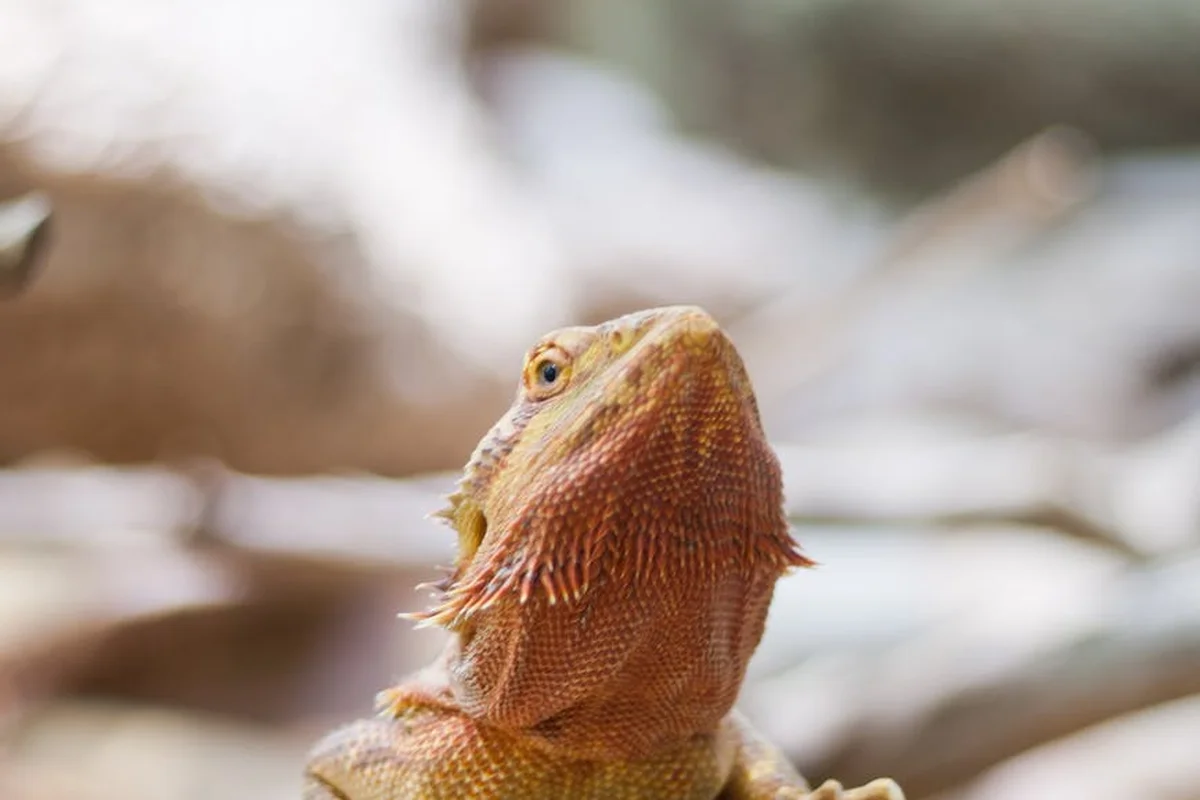
You don’t need a professional workshop to create amazing things for your dragon. Most of what you need is probably already in your home, hiding in closets and junk drawers. In this DIY bearded dragon enclosure building guide, you’ll learn how to turn everyday materials into a safe, custom habitat. These budget-friendly steps make enclosure building approachable for beginners.
- Common Household Items: Old t-shirts, pillowcases, fleece blankets, shoelaces, and sturdy plastic clips from old backpacks or bags.
- Budget-Friendly Tip: Visit the remnant bin at your local fabric store for high-quality materials at a fraction of the cost.
- Essential Tools: A sharp pair of fabric scissors, a measuring tape, a needle and strong thread, and a lighter to carefully melt the ends of cut ropes to prevent fraying.
Upcycled and Eco-Friendly Options
Some of my dragons’ favorite items have come from things I was about to throw away. Upcycling is not only kind to your wallet, but it’s also a wonderful way to reduce waste and be kinder to our planet.
- An old, clean baby sock with holes cut for legs makes a quick, fun sweater for a chilly dragon.
- Turn an old, sturdy hand towel into a super-comfy hammock by securing the corners with jute rope.
- Using materials you already own means you know exactly what’s in them, which eliminates the worry of unknown chemical treatments.
Where to Find Supplies
You can find everything you need without stepping into a specialty pet store. General craft stores, hardware stores, and even grocery stores often have the perfect components.
- Look for rolls of cotton webbing in the sewing aisle for harness straps.
- The hardware section is great for sturdy D-rings and plastic buckles.
- When choosing materials, prioritize smooth textures and strong, tight weaves that won’t snag your dragon’s claws.
Frequently Asked Questions
How often should I clean my bearded dragon’s DIY accessories?
Clean hammocks and clothes weekly or immediately if soiled to prevent bacterial growth. Use mild, reptile-safe soap and warm water, then air dry completely before reuse.
Are these DIY projects suitable for juvenile bearded dragons?
Yes, but ensure all accessories are appropriately sized and adjust as they grow. Monitor closely for any signs of discomfort or restricted movement, as juveniles can outgrow items quickly.
Can my bearded dragon wear the harness for extended periods?
No, harnesses should only be used during supervised outdoor time and removed immediately after. Prolonged wear can cause stress, overheating, or skin irritation, so limit sessions to short, controlled outings. This is part of a safe bearded dragon free-roam house and outdoor guide. Always supervise and assess the area before letting your dragon roam.
Final Thoughts
Getting crafty for your beardie is a fantastic way to bond and enrich their world. Whether you’re sewing a simple hammock or fashioning a tiny harness, the most rewarding part is seeing them enjoy something you made with your own hands. I’ve spent many happy afternoons watching my dragons lounge on their custom hammocks, and that personal satisfaction is hard to beat. If you’re after do play bearded dragon fun activities, try simple enrichment toys like climbing props, foraging boxes, or lightweight DIY toys. Rotate toys to keep playtime fresh and interesting.
Just remember that their comfort and safety are the ultimate goals. Always prioritize secure materials, proper fit, and, most importantly, your dragon’s clear signals. Not every dragon will love wearing a little shirt, and that’s perfectly okay. The best DIY projects are the ones that make your specific scaly friend’s life better and more interesting.
Further Reading & Sources
- Bearded Dragon Accessories
- Options for Bearded Dragon Decorations & Enrichment | ReptiFiles
- 11 DIY Bearded Dragon Décor Ideas to Make Today (With Pictures) | Hepper Pet Resources
Bearded Dragon Lair is the ultimate resource for bearded dragon enthusiasts, offering expert advice and practical tips to ensure the health and happiness of your scaly companion. With years of experience in reptile care, we are dedicated to providing accurate, up-to-date information to support your bearded dragon journey.
Habitat Accessories