Bearded Dragon Age Guide: Determining Age and Life Stages
Published on: November 14, 2026 | Last Updated: November 14, 2026
Written By: Beardie Joe
Have you ever looked at your bearded dragon and wished you knew their exact birthday and life story?
As a long-time owner of several beardies, I’ve spent years learning their subtle age cues, and I’m here to help you do the same.
This guide will walk you through practical methods to estimate age, a detailed breakdown of each life stage, and how to provide the best care from juvenile to senior years.
How to Determine Your Bearded Dragon’s Age
Figuring out your bearded dragon’s age can feel like detective work, especially if you adopted them without paperwork. I’ve found that a combination of physical signs gives you the best estimate, as no single feature tells the whole story. Let’s break down what to look for. If you’re curious about gender as well, our bearded dragon gender complete guide walks you through the signs and timing for accurate results. It’s a natural next step after estimating age.
Key Physical Markers for Age Estimation
Look at your dragon from snout to tail. Here are the most reliable indicators I use with my own pets:
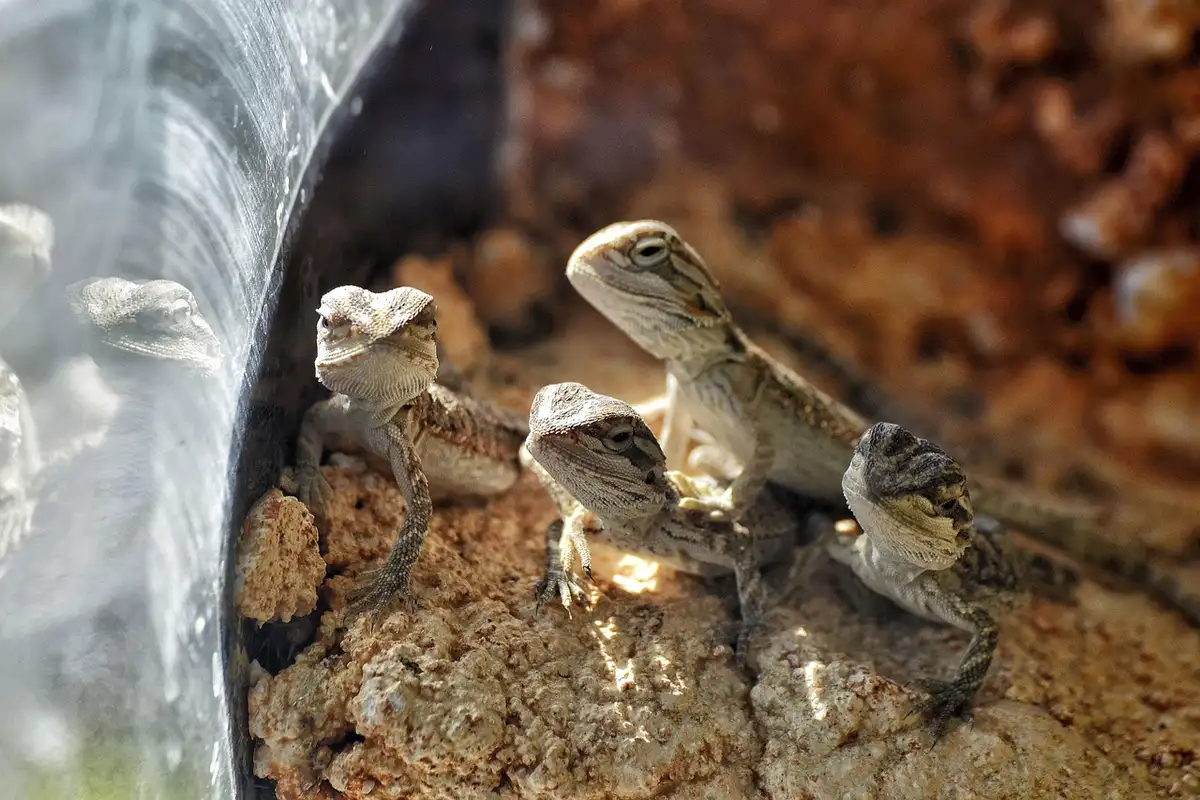
- Body Length: This is your most straightforward clue. A hatchling (0-2 months) is typically 3-4 inches long. By six months, they often hit 11-16 inches. A full-grown adult (18+ months) usually reaches 16-24 inches.
- Head and Body Proportions: Babies look a bit out of proportion with oversized heads and feet. As they mature, their bodies fill out and become more muscular and balanced. An adult has a broad, triangular head and a thick, robust torso.
- Spine and Scale Texture: Run your finger gently down their back. Juveniles have very sharp, pronounced spikes. In adults, these spikes become thicker and blunter. Their overall skin texture also feels tougher and more leathery.
- Sexual Maturity Signs: You can’t see these until they are older. Males develop prominent femoral pores on the underside of their thighs and a wider tail base. These characteristics usually become visible between 8 and 12 months of age.
Common Mistakes in Age Guessing
I’ve seen many well-meaning owners get tripped up. Avoid these pitfalls for a more accurate guess.
- Relying Solely on Size: A small dragon isn’t always a young one. Stunted growth from poor nutrition or inadequate tank space is very common in rescues. I’ve cared for a three-year-old dragon who was the size of a juvenile.
- Confusing Shedding for Youth: Frequent shedding does indicate growth, but adults shed too! They just do it less often. An adult shedding is often just maintaining healthy skin, not necessarily getting bigger.
- Overestimating Based on Behavior: A lazy dragon isn’t necessarily an old one, and a hyper one isn’t always a baby. Their activity level is heavily influenced by temperature, diet, and overall health.
Understanding Bearded Dragon Life Stages
Knowing which life stage your dragon is in helps you provide the perfect care. Their needs change dramatically from a tiny hatchling to a dignified senior. A Thrive Complete Care Checklist can guide you through the essentials for each life stage.
Hatchling and Neonatal Stage
(Birth – 3 Months)
These little ones are all about rapid growth and are incredibly fragile. I call this the “insatiable insect” phase.
- They are tiny, usually 3-4 inches long, and can be skittish.
- Their diet should be about 80% live insects and 20% greens. They need multiple feedings of appropriately-sized bugs throughout the day.
- They shed almost constantly, sometimes in patches, as they grow so fast.
Juvenile and Subadult Phases
(3 Months – 18 Months)
This is the gangly “teenage” phase where they really find their personality and bulk up.
- This is their most rapid growth period. You’ll see a noticeable size increase every few weeks.
- Their diet begins to shift. Start offering more fresh salads daily, aiming for a 50/50 split between insects and veggies by the time they near adulthood.
- They are typically very active and curious, exploring their enclosure and interacting with you more.
Adult and Senior Years
(18 Months – 7+ Years)
Your dragon is now fully grown and settled into their routine. With great care, they can live a long, healthy life well into their senior years. As they enter their later years, end of life care focuses on comfort and minimizing stress, with regular veterinary checks and a calm, easily digestible diet. Monitor for signs of aging and seek advice from a vet if any concerns arise.
- Growth has stopped. Their focus is on maintaining a healthy weight.
- An adult’s diet flips to about 80% fresh vegetables and 20% insects. Overfeeding protein to an adult can lead to obesity.
- Senior dragons (usually 6-7 years and older) may slow down, sleep more, and eat less. Providing comfortable basking spots and easy-to-digest foods becomes a top priority for their comfort.
Growth Milestones and Size Guide
Measuring Body Length and Weight
Grab a soft measuring tape and a small kitchen scale. To measure length, have your dragon on a flat surface and gently stretch the tape from the tip of their nose to the end of their tail. Don’t force it if they scrunch up—just try again later when they’re calm. For weight, use a digital scale with a bowl or container on it; always tare the scale to zero after placing the container. Tracking these measurements over time helps you monitor your bearded dragon’s size growth patterns. Regularly recording length and weight can help you notice growth spurts or signs that warrant a vet check.
I track my dragons’ stats in a simple notebook every two weeks. This regular tracking creates a powerful health baseline that lets you spot potential issues before they become serious. It’s one of the easiest and most effective things you can do.
Here is a general size and weight guide. Remember, these are averages and individual dragons can vary.
| Age | Length (Inches) | Weight (Grams) |
|---|---|---|
| Hatchling (0-2 months) | 3 – 9 | 4 – 40 |
| Juvenile (2-7 months) | 8 – 16 | 40 – 400 |
| Sub-Adult (8-18 months) | 16 – 20 | 400 – 550 |
| Adult (18+ months) | 18 – 24 | 380 – 850 |
Interpreting Growth Patterns
A steady, consistent growth curve is the goal. Don’t panic over small, temporary plateaus. A sudden halt in growth or unexpected weight loss is a much clearer signal that something is wrong than a week of slower gains. I’ve seen many new owners worry unnecessarily.
Look for these patterns in your dragon’s growth chart:
- Rapid Juvenile Growth: From 2 to 6 months, your dragon should be putting on size almost visibly. Their appetite is often insatiable during this phase.
- Sub-Adult Slowdown: Growth in length slows significantly. Your dragon will start filling out, building muscle and mass rather than just getting longer.
- Adult Maintenance: A healthy adult’s weight should remain relatively stable, with minor fluctuations. They are no longer growing in length.
If your dragon is consistently undersized, the cause is usually one of three things: insufficient UVB lighting, a diet too low in protein (for juveniles), or internal parasites. I learned this the hard way with my first dragon, Darwin, whose growth was stunted by a weak UVB bulb. If your dragon isn’t growing as expected, these factors are exactly what to check to fix stunted growth. Correcting UVB exposure, increasing dietary protein for juveniles, and ruling out parasites can help your dragon catch up.
Caring for Your Bearded Dragon Through Each Life Stage
Diet and Nutrition by Age
Their dietary needs change dramatically as they grow. Getting this right is fundamental to their health and longevity.
- Hatchlings & Juveniles (0-7 months): This is their all-you-can-eat bug buffet phase! Offer a diet of about 80% live insects and 20% fresh greens. They need multiple feedings of appropriately-sized bugs (like crickets or dubia roaches) throughout the day to fuel their explosive growth. Always dust insects with a calcium supplement.
- Sub-Adults (8-18 months): Start transitioning the ratio. Aim for a 50/50 split between insects and salads. You can reduce feedings to once or twice a day. This is when I really push for salad variety to establish good habits.
- Adults (18+ months): Their diet flips. An adult dragon’s diet should be roughly 80% fresh, leafy greens and vegetables and only 20% insects. Offer a large salad daily and insects every other day or so. Overfeeding protein to an adult is a common mistake that can lead to obesity and liver problems.
Habitat and Environmental Needs
Your dragon’s world needs to evolve with them. A hatchling in a massive, poorly laid-out enclosure can get stressed and fail to thrive.
Start with a 40-gallon tank for a juvenile, but plan for an upgrade. The absolute minimum enclosure size for a single adult bearded dragon is a 120-gallon (4x2x2 feet) tank. I will never house an adult in anything smaller; it provides the floor space and height required for proper thermoregulation and enrichment. Proper sizing is crucial as dragons grow.
Beyond tank size, focus on these age-specific adjustments:
- For Babies: Ensure the temperature gradient is perfect. The basking spot must be around 105-110°F to support their metabolism and digestion. Use a simpler setup with fewer, smaller decorations to make finding food and heat easier for them.
- For Juveniles & Sub-Adults: This is when you can add more climbing branches and enrichment. Their basking spot can be slightly lower, around 100-105°F. Monitor them as they grow to ensure all furniture remains safe and they can’t get stuck.
- For Adults: Stability is key. Maintain a basking spot of 95-105°F and a cool side around 80°F. Focus on providing sturdy, robust climbing structures that can support their full weight. UVB tube lighting must be replaced every 6-12 months, as it loses potency even if the bulb still lights up.
Recognizing Signs of Aging and Senior Care
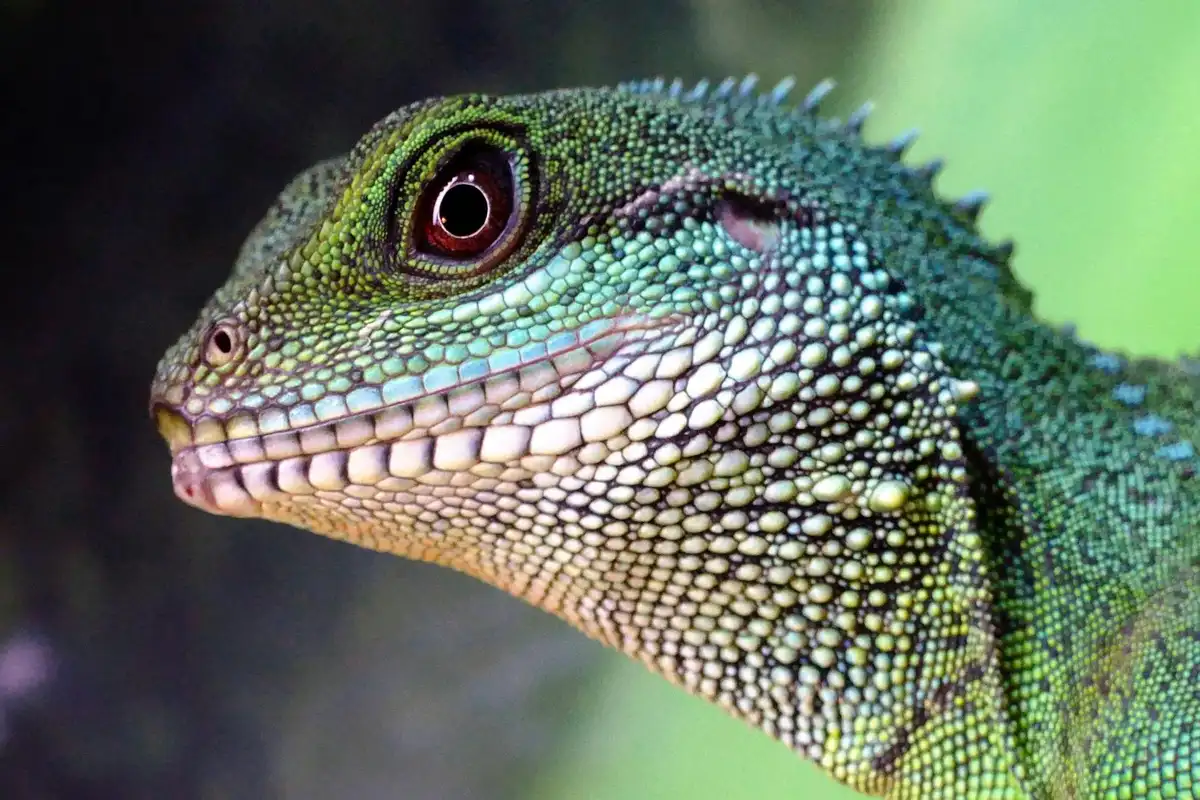
Watching your scaly friend grow from a tiny, frantic hatchling into a dignified, slower-moving senior is a unique journey. I’ve been through it several times now, and while it can be bittersweet, their golden years can be incredibly rewarding with the right care.
Health Watch in Older Dragons
As dragons enter their senior years, typically around age six or seven, their bodies start to change. Being proactive about these changes is the single best thing you can do for their long-term health. You’ll want to keep a close eye on a few key areas.
- Mobility and Activity: You might notice your dragon isn’t climbing as much or seems stiffer when moving. This can be a normal sign of arthritis or joint pain, something my old boy, Gimli, started to show around age eight.
- Appetite and Digestion: Their metabolism slows down. They may eat less frequently or prefer softer foods. I often found that chopping greens finer and offering more hydrating veggies like zucchini helped my seniors.
- Weight and Body Condition: Keep a gentle eye on their weight. Some dragons naturally slim down, while others might gain weight if their diet isn’t adjusted for lower activity levels. A sudden, sharp weight loss always warrants a vet visit.
- Eyes and Senses: Their eyesight can diminish, and they may become less reactive. You might need to hand-feed them or make sure their food is very easy to find.
- Skin and Shedding: Shedding often takes longer and can be more difficult for older dragons. They might need more frequent warm soaks to help loosen stubborn skin.
Enhancing Quality of Life for Seniors
Caring for a senior dragon is all about comfort and easing their daily routine. Small, thoughtful adjustments to their habitat can make a world of difference in their quality of life. It’s about making their world easier to navigate.
- Simplify the Enclosure: Lower basking platforms and ramps prevent dangerous falls. I replaced tall branches with flatter, wider rocks that were easier for my old dragons to get on and off.
- Softer Substrate: Consider using reptile carpet or tile instead of loose substrate. It’s easier on their older joints and eliminates any risk of impaction if their digestion isn’t what it used to be.
- Gentle Hydration: Offer warm soaks more frequently, not just for shedding but for hydration and to soothe stiff muscles. Always supervise bath time closely.
- Diet Modification: Shift their diet to be easier to eat and digest. This means smaller, softer insects like dubia roaches or even Repashy Grub Pie gel diets, alongside finely chopped greens.
- Consistent Vet Care: Schedule check-ups with a reptile vet at least once a year. They can help manage age-related conditions like kidney issues or metabolic bone disease before they become severe.
Breeding and Sexual Maturity in Bearded Dragons
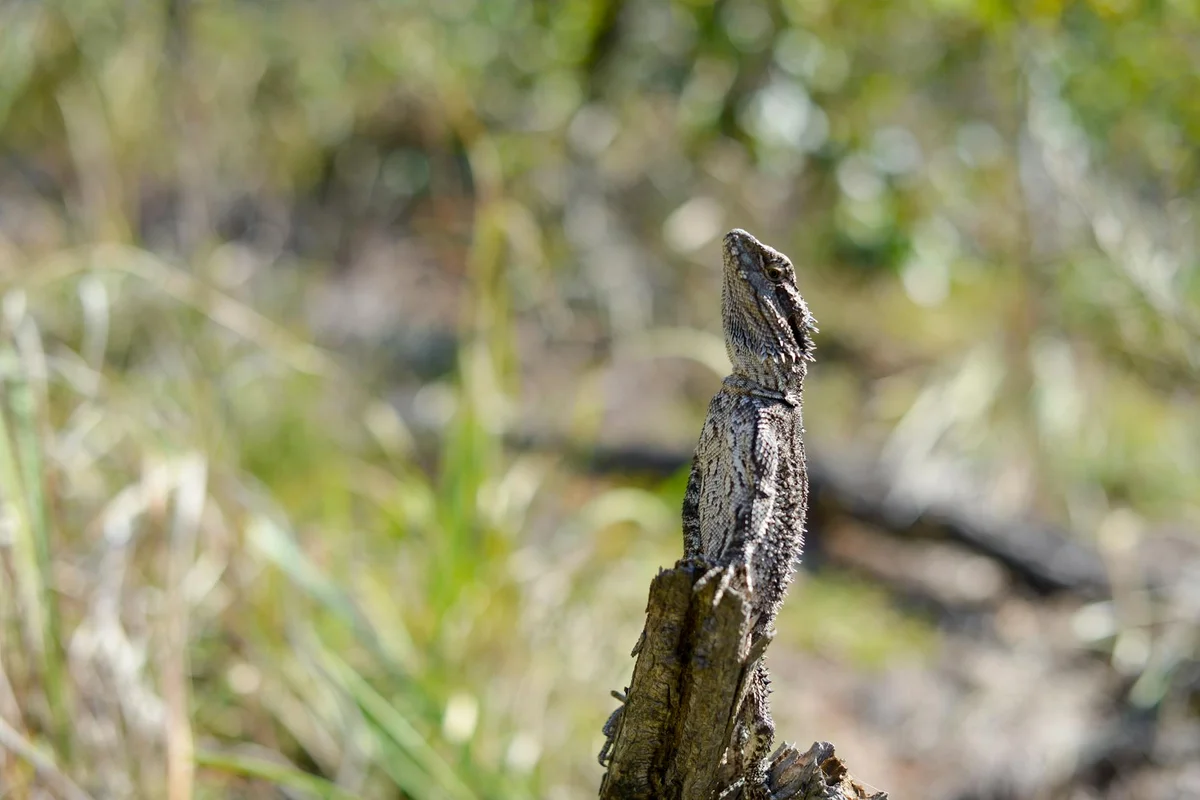
Breeding bearded dragons is a serious commitment that should not be undertaken lightly. It’s resource-intensive and carries risks for the animals, especially the female. I’ve assisted with a few clutches over the years, and the experience cemented my belief that it should only be done with extensive preparation and for the right reasons. This includes understanding bearded dragon genetics and morphs to ensure responsible breeding.
Identifying Reproductive Maturity
Bearded dragons can become sexually mature long before they are physically or mentally ready for the strains of breeding. Sexual maturity is more about physical development and behavior than a specific birthday. You’ll see clear signs in both males and females. Recognizing these signs is especially important to distinguish from just old age or the natural lifecycle stages of bearded dragons.
- Males: You’ll notice the development of prominent femoral pores on the underside of their thighs, which look like little black dots. They will also display more dominant behaviors, such as frantic glass surfing, head-bobbing, and their beards turning black frequently.
- Females: A mature female might “wave” her arm in a submissive gesture. The most telling sign is that she will start to dig obsessively, even if she isn’t gravid (carrying eggs). You may also be able to feel small, undeveloped follicles in her abdomen.
Age Considerations for Breeding
Just because a dragon *can* reproduce doesn’t mean it *should*. Breeding a dragon too young can permanently stunt her growth and lead to life-threatening complications like egg-binding. The ethical timeline for breeding is non-negotiable for the animal’s welfare.
- Ideal Age: A female should be at least 18 to 24 months old and weigh a minimum of 350-400 grams. This ensures her body is fully developed and has sufficient calcium reserves to produce healthy eggs without leaching it from her own bones.
- Physical Readiness: She should be in peak physical condition-not overweight or underweight-with a strong, broad body. A vet check-up to confirm health is a must before even considering it.
- Frequency Limit: Even a healthy, mature female should not be bred more than once, maybe twice, per year. Producing eggs is incredibly taxing on her body. I firmly believe in giving them a full year to recover between clutches.
- Male Readiness: While males can mature faster, it’s best to wait until they are at least 18 months old to ensure they are robust and their sperm is viable.
Frequently Asked Questions
What is the average lifespan of a bearded dragon?
With proper care, bearded dragons typically live 8 to 12 years in captivity, though some can reach up to 14 years or more. Factors like diet, habitat, and genetics play a key role in their longevity. How old do bearded dragons live in captivity and how to maximize their lifespan.
How can I tell if my bearded dragon is male or female?
Males usually have prominent femoral pores and a wider tail base, while females tend to have smaller pores and a narrower tail. These differences become more noticeable around 8 to 12 months of age.
What is the best way to handle a bearded dragon at different ages?
For hatchlings, keep handling sessions brief to reduce stress, while juveniles and adults can enjoy longer, gentle interactions. Always support their entire body and avoid sudden movements to build trust over time.
Final Thoughts
Figuring out your bearded dragon’s exact age can be tricky, but by looking at their size, behavior, and physical features, you can make a solid guess. The most rewarding part isn’t knowing their birthday, but understanding their current life stage so you can provide the perfect care they need right now. I’ve found that focusing on their present needs always leads to a healthier, happier dragon. Consider a month-by-month growth guide to see how big your dragon should be at each age. It helps you tailor feeding, lighting, and enclosure changes to their stage.
Whether you have a speedy juvenile or a dignified senior, cherish every stage. Your attentive care and deep bond are the true secrets to helping them live a long, vibrant life by your side.
Further Reading & Sources
- Life Stages and Cycle of a Bearded Dragon | Loving Your Pet
- The Phases Of A Bearded Dragon’s Life (& some diet tips)
- Life Cycle – Bearded Dragon Lady
Bearded Dragon Lair is the ultimate resource for bearded dragon enthusiasts, offering expert advice and practical tips to ensure the health and happiness of your scaly companion. With years of experience in reptile care, we are dedicated to providing accurate, up-to-date information to support your bearded dragon journey.
Hatchling Care