Do Bearded Dragons Eat Their Shed? (And Why Appetite Changes During Shedding)
If you’ve ever caught your bearded dragon eating its old skin, you’re not alone in wondering what’s going on.
As a long-time owner of multiple beardies, I’ve guided many reptiles through this natural process and I’m here to give you clear, experienced answers.
We’ll uncover why they eat their shed, explain the common drop in appetite, and share how you can help your pet feel comfortable.
The Truth About Bearded Dragons Eating Their Shed Skin
If you catch your dragon munching on a piece of their old skin, don’t panic. I’ve seen all of my beardies do this at one time or another. It’s a completely normal behavior. Think of it as a little post-shedding snack. Eating their shed is an instinctual behavior that helps them recycle nutrients and conceal their presence from potential predators in the wild. In captivity, you can help their shed go smoothly by providing a warm bath or humid hide to support safe peeling. If shedding is stubborn, don’t pull on the skin—consult a reptile veterinarian for guidance.
While it’s not harmful, it’s also not something you need to encourage or worry about if they don’t do it. My oldest dragon, Jasper, often leaves his shed for me to clean up, while my younger one, Pippin, acts like it’s a delicacy. You don’t need to force them to eat it, as they get all the necessary nutrients from their balanced diet. When it comes to bugs, some are safe options (like appropriately sized crickets or dubia roaches), while others can be dangerous (fireflies or pests treated with pesticides). Always opt for gut-loaded, pesticide-free safe vs dangerous feeder insects.
Just keep an eye out for any large pieces, especially around their toes and tail tip, that they haven’t removed. Those bits can restrict blood flow if left on. Your main job is to ensure the shed comes off completely, not to serve the shed for dinner.
Why Shedding Causes Appetite Changes in Bearded Dragons
It is incredibly common for a bearded dragon’s appetite to plummet right before and during a shed. I’ve learned not to stress when my dragons suddenly turn their noses up at their favorite roaches. This is a temporary phase. That said, if the lack of appetite lasts beyond the shed or comes with other symptoms, you should investigate causes and solutions. Common culprits include temperature, hydration, and stress, and there are practical fixes you can try. A decreased appetite is a standard part of the shedding process and is rarely a cause for alarm on its own.
Physical Discomfort and Skin Irritation
Imagine wearing a suit that’s several sizes too small, and it’s tight, dry, and itchy all over. That’s similar to what your beardy feels like. The old skin becomes very tight and uncomfortable as it separates from the new layer underneath.
- The skin feels tight, dry, and can be very itchy.
- Their entire body can feel sensitive to the touch.
- The physical act of chewing and swallowing food can feel like a chore.
This general physical discomfort is the primary reason they lose interest in food. They just feel too crummy to eat.
Prioritizing Shedding Over Feeding
From an evolutionary standpoint, shedding is a vulnerable time. A dragon in the wild with loose, flaky skin is more visible to predators. Their body’s energy is entirely focused on the critical task of renewing their skin. Bearded dragons shed regularly across life stages—baby, juvenile, and adult. A simple shed guide for bearded dragons helps owners know what to expect at each stage.
- Their biological resources are diverted to the shedding process.
- Activities like hunting and digesting become secondary priorities.
- You might notice them rubbing against rocks and decor more than basking.
Shedding is an energy-intensive process that temporarily overrides their desire to eat. It’s their body’s way of saying, “Let’s handle one big job at a time.”
Hydration Status and Digestive Slowdown
Proper hydration is the secret to a smooth shed and a healthy digestive system. The shedding process itself pulls moisture from their body into the new skin layer.
- Mild dehydration from shedding can make them feel less hungry.
- Their digestion may naturally slow down during this time.
- Eating a large meal with a sluggish gut can lead to impaction.
Their reduced appetite is a protective mechanism to prevent digestive issues when their system isn’t running at full speed. Focus on offering water and hydrating foods like a hornworm instead of forcing insects.
How Long Appetite Changes Typically Last During Shedding
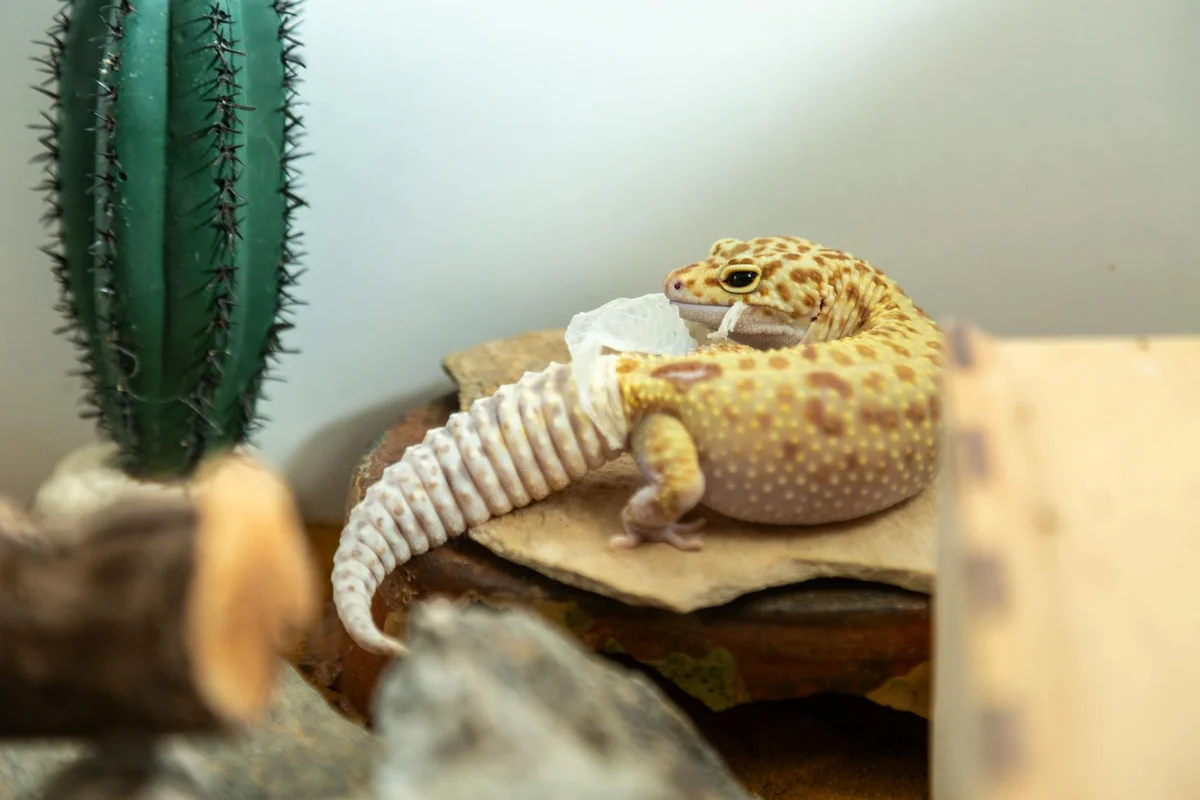
You can expect your bearded dragon’s appetite to be a bit off for about three to seven days during the peak of their shed. I’ve found it usually starts a day or two before the old skin really begins to lift and lasts until most of it has flaked away (about how long it typically takes).
The duration isn’t set in stone. It depends on a few key factors:
- Their age: Baby and juvenile dragons shed more frequently and in patches, so their appetite dips might be shorter but more common.
- The shed’s location: A full-body shed is more uncomfortable and can cause a longer fast than a small patch on a leg.
- Your individual dragon: Just like people, each beardie has their own personality. Some of mine barely skip a meal, while one will go on a full hunger strike for nearly a week.
I always watch my dragon, Pancake, closely. The moment I see him actively rubbing on rocks and the skin starts coming off in big pieces, I know his appetite will return within 24-48 hours. It’s a huge relief every single time.
Identifying Normal Behavior Versus Health Concerns
It’s vital to know the difference between a simple shedding fast and a sign of illness. A temporary loss of appetite is normal; a complete refusal of all food and water is not.
Here are the signs that your dragon’s behavior is a typical, healthy part of shedding:
- They are still drinking water, especially during baths.
- They might eat a favorite treat, like a hornworm, but ignore their greens.
- They remain alert and active, even if they are scratching more.
- Their eyes are bright, not sunken.
- They are clearly focused on rubbing against decor to remove the old skin.
Now, here are the red flags that signal a potential health problem unrelated to shedding. If you see these, it’s time for a vet visit.
| Normal Shedding Behavior | Concerning Health Signs |
|---|---|
| Reduced appetite for a few days | No appetite for more than 10-14 days, even after the shed is complete |
| Still drinking water | Signs of dehydration like wrinkled skin, sunken eyes, or lack of skin elasticity |
| Alert and trying to rub off skin | Lethargy, weakness, or keeping eyes closed all day |
| Weight remains stable | Visible weight loss or a prominent hip bone structure |
| No change in poop frequency | Runny, foul-smelling, or bloody stool, or no bowel movements |
Trust your gut as a pet owner. You know your scaly friend better than anyone. If something feels off, even if it coincides with a shed, seeking professional advice is the most caring thing you can do.
What to Feed Your Bearded Dragon During the Shedding Process
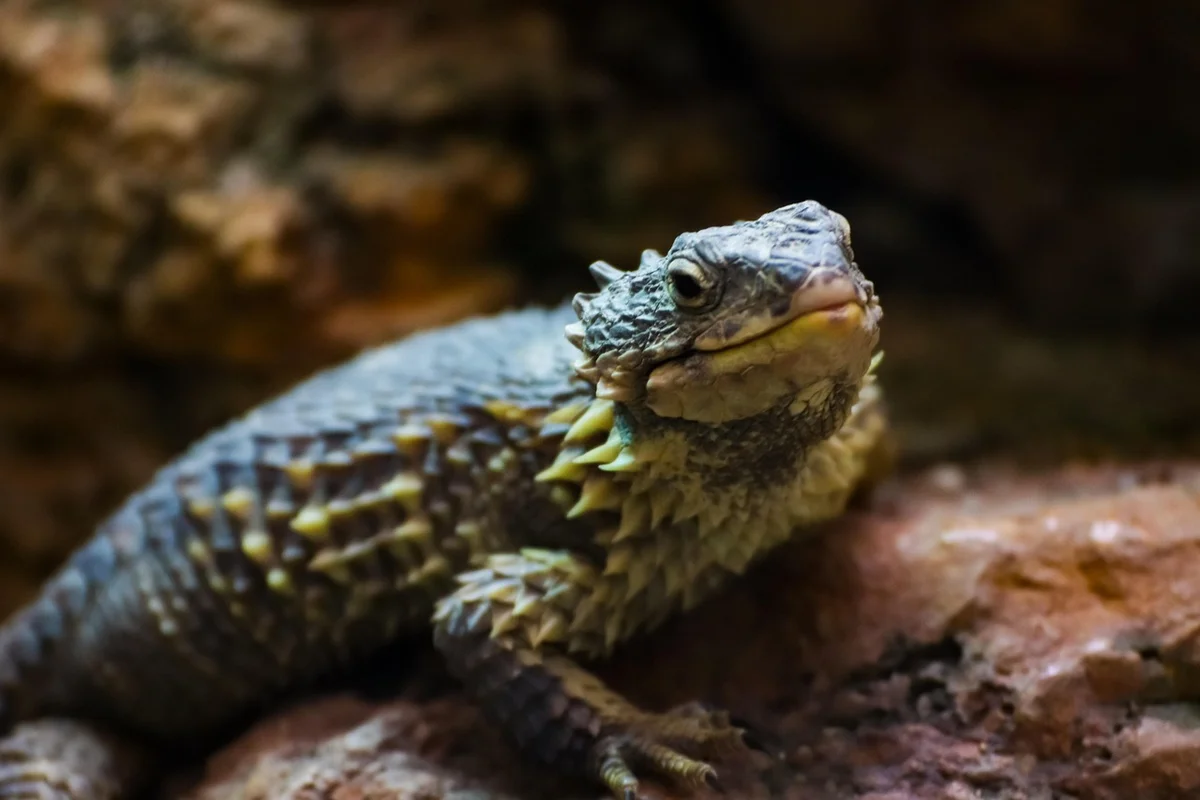
When your dragon is shedding, their appetite can be a real puzzle. They might turn their nose up at their favorite roaches or seem completely disinterested in food. This is totally normal. If you’re wondering why your bearded dragon won’t eat and what to do about it, shedding is a common factor to consider. The best approach is to offer their regular diet but focus intensely on hydration-rich foods. I always make a point of offering extra water-heavy veggies during this time.
Think of foods that are gentle and easy to eat. Their skin can feel tight and uncomfortable, so a softer meal is often more appealing.
- Hydrating Greens: Dandelion greens, escarole, and bok choy are excellent choices. They provide moisture and essential nutrients without being tough.
- Water-Rich Vegetables: Grated zucchini, slices of cucumber, and bell peppers are like a refreshing drink and a snack in one. My beardie, Puff, goes crazy for a chilled cucumber slice when he’s shedding.
- Softer Insects: If they are willing to eat bugs, offer hornworms or silkworms. They are squishy, easy to digest, and packed with moisture. I often find these are accepted when crickets are refused.
- Reduce Hard-Shelled Prey: I temporarily cut back on mealworms and superworms. Their harder exoskeletons can be more difficult to process when your pet is already feeling stressed.
Don’t be discouraged if they skip a meal or two. The priority is ensuring they are taking in water, not necessarily a huge volume of solid food. A temporary dip in appetite is far less concerning than dehydration.
Supporting Your Bearded Dragon for a Healthy Shed
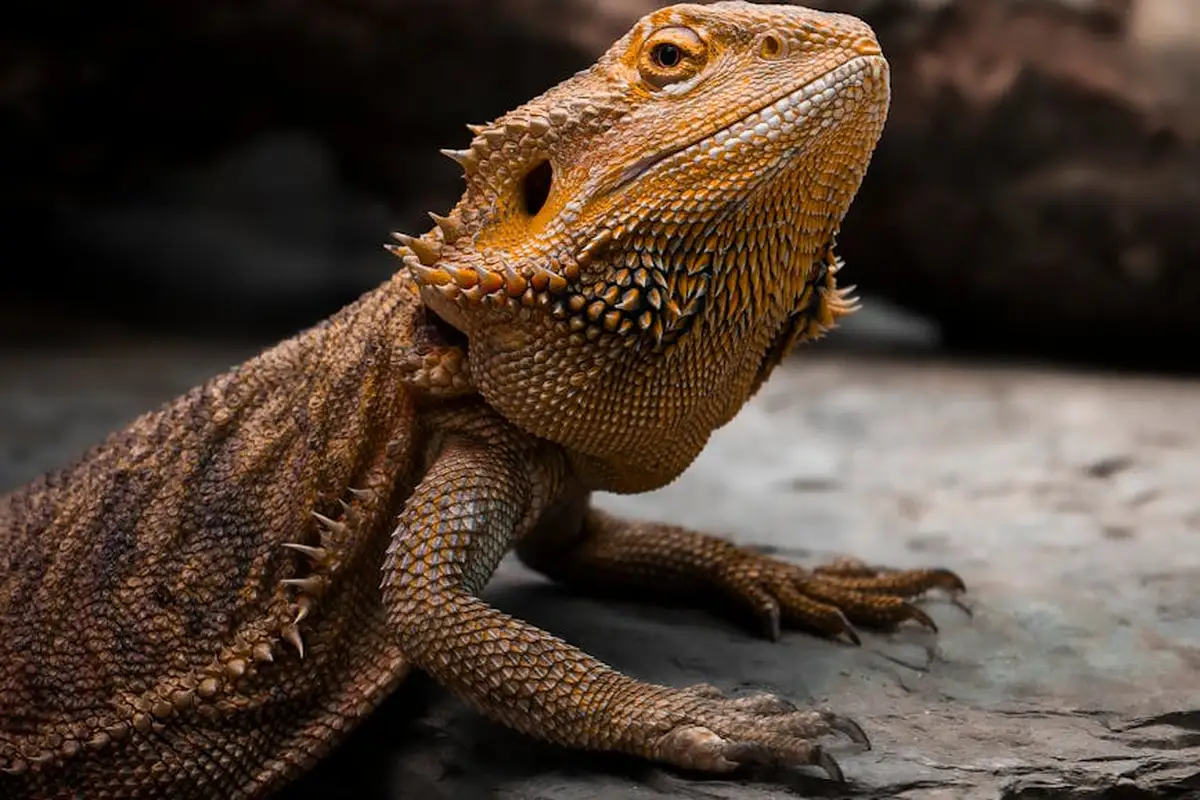
A smooth shed doesn’t happen by accident. It’s something we, as owners, can actively help facilitate. A little extra care during this time makes a world of difference in their comfort and how quickly the old skin comes off.
Optimizing Enclosure Conditions
Your dragon’s habitat plays a starring role in the shedding process. The right environment helps loosen the old skin naturally and prevents painful complications. Sometimes a shed can get stuck, and I help my bearded dragon shed by giving a warm soak and gently rubbing the stubborn spots. If the shed won’t loosen, I seek advice from a reptile veterinarian.
- Provide Ample Rough Surfaces: Rocks, slate tiles, and rough branches are essential. Your dragon will rub against these textures to help peel the shed away. I have a specific piece of driftwood in my tank that gets a lot of “shedding attention.”
- Ensure Proper Basking Temperatures: A correct heat gradient is non-negotiable. The basking spot should be between 95-110°F. This warmth helps circulate their blood and makes the skin more pliable.
- Check Your Humidity: Aim for a humidity level around 30-40%. You can measure this with a digital hygrometer. If the air is too dry, the shed can become brittle and stick, leading to dangerous retained shed, especially on toes and the tail tip.
Encouraging Hydration and Comfort
Sometimes, the skin needs a little extra help to let go. Your actions here are all about adding moisture from the outside in.
- Offer Lukewarm Soaks: A shallow bath in lukewarm water for 10-15 minutes is my go-to remedy. It hydrates the skin and often causes large pieces of shed to loosen and fall off right in the bath. Never leave your dragon unattended during a soak.
- Gentle Misting: Lightly misting your dragon and the enclosure walls once or twice a day can boost local humidity. Some dragons will even drink the water droplets right off their snouts.
- NEVER Pull the Shed: This is the most critical rule. You must resist the urge to peel or pull any loose-looking skin. You can seriously tear their new, delicate skin underneath, causing pain, bleeding, and potential infection. Let it come off on its own timeline.
Watching a dragon shed can test your patience, but trust the process. With the right support, they will emerge looking bright, vibrant, and feeling much more comfortable. If you’re new to bearded dragons, check out our beginner’s guide to bearded dragons for the basics. It also explains shedding as part of overall care.
Frequently Asked Questions
How often do bearded dragons shed?
Shedding frequency varies with age; juveniles may shed every few weeks due to rapid growth, while adults typically shed every few months as part of their natural cycle.
Is it safe to handle my bearded dragon while it’s shedding?
Minimize handling during shedding to avoid causing stress or discomfort, as their skin is sensitive; brief, gentle interactions are fine if needed for care.
What should I do if my bearded dragon has stuck shed?
Increase humidity with lukewarm baths and misting, and provide rough surfaces for rubbing; if the shed remains stuck after a few days, especially when using tap water for bathing, consult a veterinarian to prevent injury.
Final Thoughts
So, to put it simply, yes, your bearded dragon eating its shed is a completely normal and even beneficial behavior for them. From my own experience, it’s their instinctive way of recycling nutrients and covering their tracks. It’s a clever little survival tactic that’s hardwired into them. If you’re wondering why your bearded dragon is shedding, check out my complete care guide on shedding. It explains the causes, what’s normal, and how to support a healthy shed.
Just remember that a decreased appetite during the shedding process is also perfectly standard. Their focus is on the uncomfortable task of getting that old skin off, not on mealtime. Offer fresh water, keep their habitat stress-free, and trust that their hearty appetite will return once they are bright and shiny and feeling like themselves again. It’s nothing to worry about.
Further Reading & Sources
- Bearded Dragon Not Eating While Shedding: Expert Q&A
- r/BeardedDragons on Reddit: New(ish) friend not eating much during shed?
- Bearded Dragon Shedding 101 – Dragon’s Diet
Bearded Dragon Lair is the ultimate resource for bearded dragon enthusiasts, offering expert advice and practical tips to ensure the health and happiness of your scaly companion. With years of experience in reptile care, we are dedicated to providing accurate, up-to-date information to support your bearded dragon journey.
Feeding Guidelines