Why Is My Bearded Dragon Shedding? A Complete Care Guide
If you’ve spotted flaky patches on your bearded dragon and felt a pang of worry, you’re in the right place. That shedding skin is a totally normal, healthy part of their life.
I’ve cared for my own group of beardies for years, and I’m here to walk you through this process with clear, compassionate advice from my hands-on experience.
We’ll break down the reasons they shed, show you how to help them through it comfortably, and highlight the signs that something might be wrong.
Why Bearded Dragons Shed: The Basics of Ecdysis
That flaky, papery skin you’re seeing is a completely natural process called ecdysis. Think of it like your dragon is outgrowing its old clothes. Their skin, made of keratin, isn’t elastic like ours. To accommodate a growing body, they must literally step out of their old skin to reveal a new, larger layer waiting underneath. It’s a brilliant piece of reptile biology.
This isn’t just about getting bigger. Shedding serves three key purposes for your scaly friend.
- Growth: This is the primary driver, especially for young dragons. I’ve watched my own dragons seem to double in size after a big shed when they were juveniles.
- Skin Renewal: Shedding removes old, worn-out skin, parasites, and any minor injuries, keeping their coat healthy and vibrant.
- Health Indicator: A regular, complete shed is a great sign of a healthy dragon. Problems with shedding can often point to underlying issues with nutrition, humidity, or overall health.
The frequency of this process is a direct window into your dragon’s life stage. Younger dragons experiencing rapid growth will shed much more often than a settled, mature adult. It’s their body’s way of keeping up with itself. If you’re wondering how fast bearded dragons grow, shedding frequency is a helpful hint to their growth rate and speed. This explanation covers growth rate and the factors that influence it.
The Normal Bearded Dragon Shedding Cycle
Knowing what’s normal can save you a lot of worry. A healthy shed has a predictable rhythm, though every dragon is a little different.
- Juveniles (0-12 months): Expect a shed as often as every 1-2 weeks. They are growing at an incredible rate!
- Adults (18+ months): Shedding slows dramatically. A full-body shed might only happen 2-4 times a year, often in smaller, patchy sections.
The entire process, from first signs to the last bit of skin coming off, typically takes 1-2 weeks. You’ll know a shed is coming when your dragon’s normally bright color turns a dull, grayish-white. Their skin will look tight and opaque. If shedding is slow or parts won’t come off, you should help your bearded dragon shed its skin safely—never force the peel. A warm soak or gentle damp rubbing can help loosen stubborn areas and support a healthy shed.
Common signs of a healthy, progressing shed include:
- Rubbing against rocks, branches, and other enclosure decor.
- Increased scratching with their back feet.
- Seeming a little more irritable or lethargic than usual.
- Loss of appetite right before and during the peak of the shed.
Shedding usually happens in patches rather than all at once like a snake. You’ll often see it start on the head, tail, and feet before moving to the larger body sections. This patchy approach is completely normal for bearded dragons. It’s important to know how long it takes and what to expect during this process.
Age-Related Shedding Patterns
Watching the shedding pattern change is one of the clearest signs your dragon is maturing.
- Babies & Hatchlings: They seem to be in a near-constant state of shed. This is perfectly normal and a sign they are thriving.
- Juveniles: Shedding is still very frequent but becomes more distinct, with clear start and end points between growth spurts.
- Adults: Growth has mostly stopped, so shedding is primarily for skin renewal. My adult dragon, Smaug, might shed one foot one month, and a patch on his back a few months later. It becomes a slow, rolling process across the body.
This slowdown is a natural part of aging. If your adult dragon starts shedding as frequently as a juvenile, it might be time for a vet visit to rule out any health concerns like skin infections.
Signs of Shedding Problems and Retained Shed
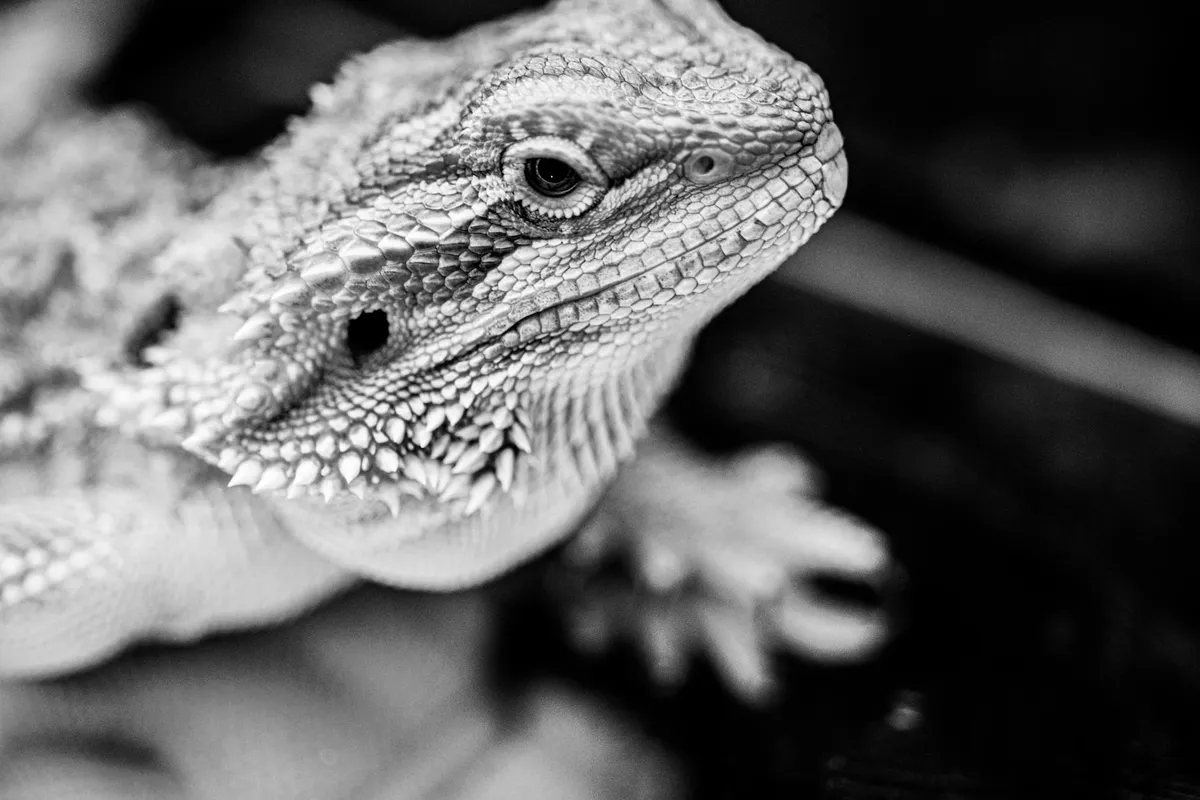
Watching a healthy shed is satisfying, but sometimes the process doesn’t go smoothly. You need to recognize the red flags that indicate your bearded dragon needs a little extra help. I’ve learned to spot these issues early with my own dragons. When shedding stalls or gets stuck, I help my bearded dragon shed with gentle methods and safe care. If needed, I consult a vet for stubborn cases.
Symptoms of Unhealthy Shedding
- Patchy Shed: Skin comes off in tiny, uneven flakes instead of large pieces.
- Stuck Skin: Dry, tight patches, especially on the toes, tail tip, and around the eyes, that won’t come loose.
- Lethargy: A noticeable drop in energy that lasts much longer than their usual pre-shed sluggishness.
- Loss of Appetite: Refusing food for an extended period is a classic sign of stress or discomfort.
- Dark Stress Marks: Persistent dark patterning on their belly and beard that doesn’t fade.
- Rubbing and Scratching: Excessive rubbing against decor can indicate the shed is irritating them.
Understanding Retained Shed
Retained shed, or dysecdysis, is skin that fails to come off completely. This isn’t just a cosmetic issue; it’s a serious health risk that can lead to infection or even the loss of toes and tail tips. The old, dead skin acts like a tight band, cutting off circulation to those delicate areas. I always do a thorough check of my dragon’s toes after every shed for this very reason.
Behavioral Changes to Watch For
Your dragon’s mood is a big clue. A grumpy, reclusive dragon who hides more than usual and flinches at touch is communicating their discomfort clearly. This is their way of saying the process is stressful and they need a calm, supportive environment.
Common Causes of Shedding Issues
Most shedding problems stem from a few key areas in their care. Getting these fundamentals right is the single best way to prevent shedding troubles before they start.
- Dehydration and Low Humidity: Skin needs moisture to separate from the new layer underneath. Without it, the shed gets stuck. This is the number one issue I see.
- Poor Diet and Malnutrition: A lack of essential vitamins and minerals, especially vitamin A, leads to poor skin quality and difficult sheds.
- Improper UVB Lighting: Inadequate UVB prevents proper calcium metabolism, which is vital for healthy skin cell development and shedding.
- Incorrect Basking Temperatures: If their basking spot isn’t hot enough, their metabolism slows down, hindering the entire shedding cycle.
- Unsuitable Substrate and Enclosure: A lack of rough surfaces to rub against, or a substrate that is too damp or abrasive, can complicate a shed.
Optimal Care During the Shedding Process
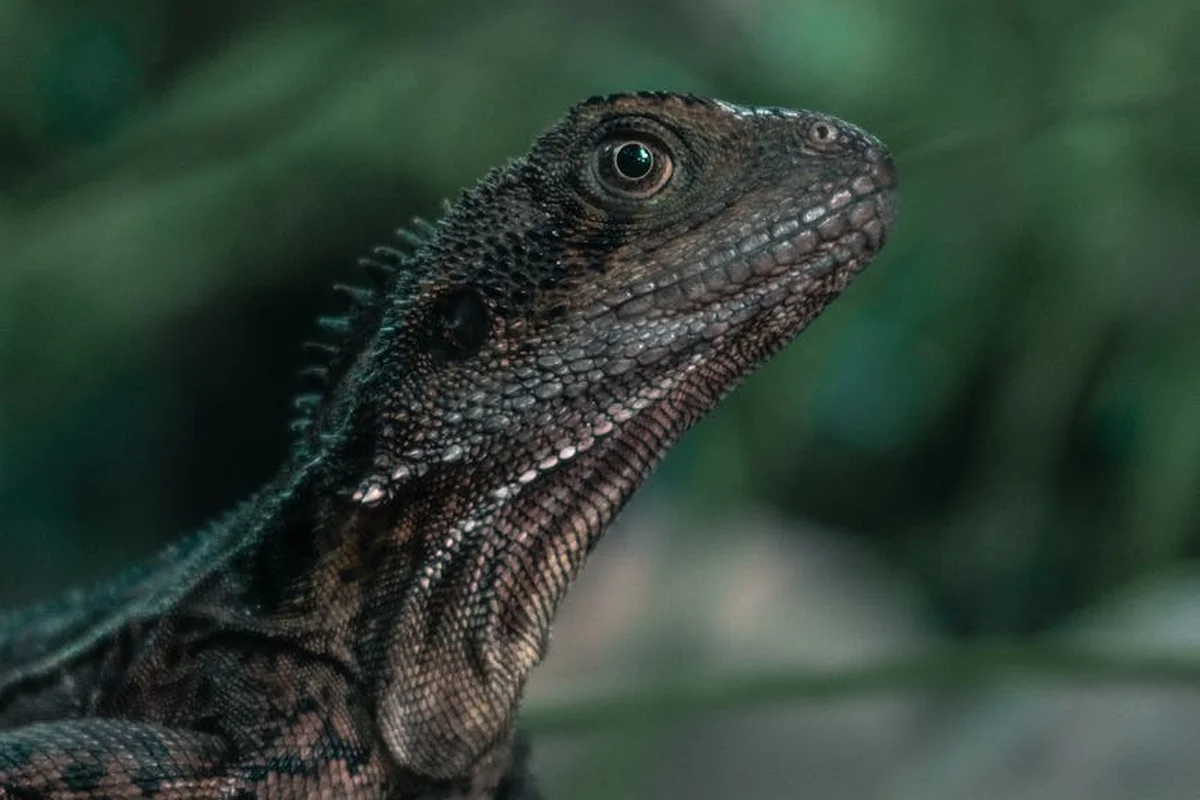
This is your time to shine as a pet owner. A proactive and gentle approach makes the world of difference for your scaly friend’s comfort.
Hydration and Humidity Support
- Provide a shallow, lukewarm bath for 15-20 minutes daily during a heavy shed.
- Gently mist your dragon and the enclosure walls (not the substrate) once or twice a day.
- Ensure a clean water bowl is always available, and you can even drip water on their snout to encourage drinking.
Proper hydration is the most effective tool you have for helping a difficult shed along.
Gentle Assistance Methods
- Let them soak in a warm bath to soften the skin.
- Provide rough-textured decor like rocks, logs, and slates for them to rub against naturally.
- After a bath, you can gently roll loose skin between your fingers, but never pull.
You must resist the urge to pick or pull at lifting skin, as this can tear their delicate new scales underneath and cause serious injury. I learned this the hard way with my first dragon, leaving a small scar I’ll always regret.
Diet and Supplementation for Healthy Skin
What your dragon eats directly builds the quality of their new skin. Think of their diet as the building blocks for a smooth, successful shed.
- Offer highly hydrated vegetables like cucumber, bell peppers, and zucchini.
- Gut-load feeder insects with nutritious greens to pass on those nutrients.
- Dust insects with a high-quality calcium powder containing Vitamin D3 at most feedings.
- Provide a multivitamin supplement once or twice a week to cover all bases, including Vitamin A.
A well-supplemented diet ensures their body has all the raw materials it needs to grow strong new skin and push the old off efficiently.
Environment and Husbandry Adjustments
A few small tweaks to their home can reduce shedding stress significantly.
- Basking Spot: Verify the basking area surface temperature is between 95-110°F for adults.
- Humidity Control: Maintain a humidity level of 30-40%, using a digital hygrometer to monitor it. A brief spike during shedding is okay.
- Safe Substrates: Use tile, paper towel, or a reptile-safe non-particulate carpet. Avoid loose substrates like sand during a problematic shed.
- Reduce Stress: Limit handling to only what’s necessary and ensure they have plenty of hiding spots to feel secure.
Monitoring your dragon’s behavior is the final piece of the puzzle; a comfortable dragon will show you with their body language that your care is working. Wondering, ‘do I make my bearded dragon happy?’ Look for the 10 signs that your pet is content and thriving.
When to Worry: Troubleshooting Shedding Problems
Most of the time, a shed is a normal, healthy process. But sometimes, our scaly friends need a little extra help. Knowing the difference between a minor hiccup and a real emergency can save you and your dragon a lot of stress. I’ve had to learn this through experience with my own dragons, and it’s always better to be cautious.
Scenarios That Need a Vet’s Attention
You should schedule a visit with a reptile-savvy veterinarian if you notice any of the following. These are signs that the shed is not just stuck, but is causing a deeper problem.
- Signs of Infection: Look for any red, swollen, or weepy areas under the old shed. A foul smell is a major red flag for a bacterial or fungal infection.
- Prolonged Retained Shed: If a piece of shed, especially on toes, the tail tip, or over the eyes, has been stuck for more than two weeks and isn’t improving with home care.
- Blackened or Shriveled Extremities: A toe or tail tip that looks dark, dry, and shriveled is a sign that the retained shed is cutting off blood flow. This is an urgent situation.
- Lethargy and Loss of Appetite: While some dragons get a bit grumpy during a shed, a complete lack of energy or refusal to eat for several days is a concern.
Identifying Serious Issues vs. Minor Delays
It can be tricky to tell what’s normal and what’s not. Here’s a quick guide to help you decide.
- Minor Delay: A patch of skin looks loose and wrinkled for a few days but is slowly coming off. Your dragon is still active, basking, and eating, even if a little less than usual.
- Serious Issue: The skin is tight, dry, and constricting, like a rubber band. It’s been stuck for over a week with no progress. The area underneath looks irritated or discolored. Your dragon is constantly scratching at one specific spot until it bleeds.
First-Aid Steps Before the Vet
If you spot a problematic patch of shed, there are a few safe things you can try at home before you pick up the phone.
- Give a Warm Bath: A 15-20 minute soak in shallow, lukewarm water can help soften the skin. Never leave your dragon unattended in the water.
- Gently Encourage the Shed: After the bath, you can use a very soft-bristled toothbrush to *gently* brush the area. The skin should slide off with almost no pressure. If it doesn’t, stop.
- Use a Shedding Aid: Commercial shedding sprays or a light misting with plain water can provide extra moisture. I’ve found a simple humid hide box in the enclosure works wonders for problem shedders.
- Do Not Pull: This is the most important rule. Never, ever pick or pull at the shedding skin. You can seriously tear their new, delicate skin underneath and cause an infection.
Finding Support in the Bearded Dragon Community
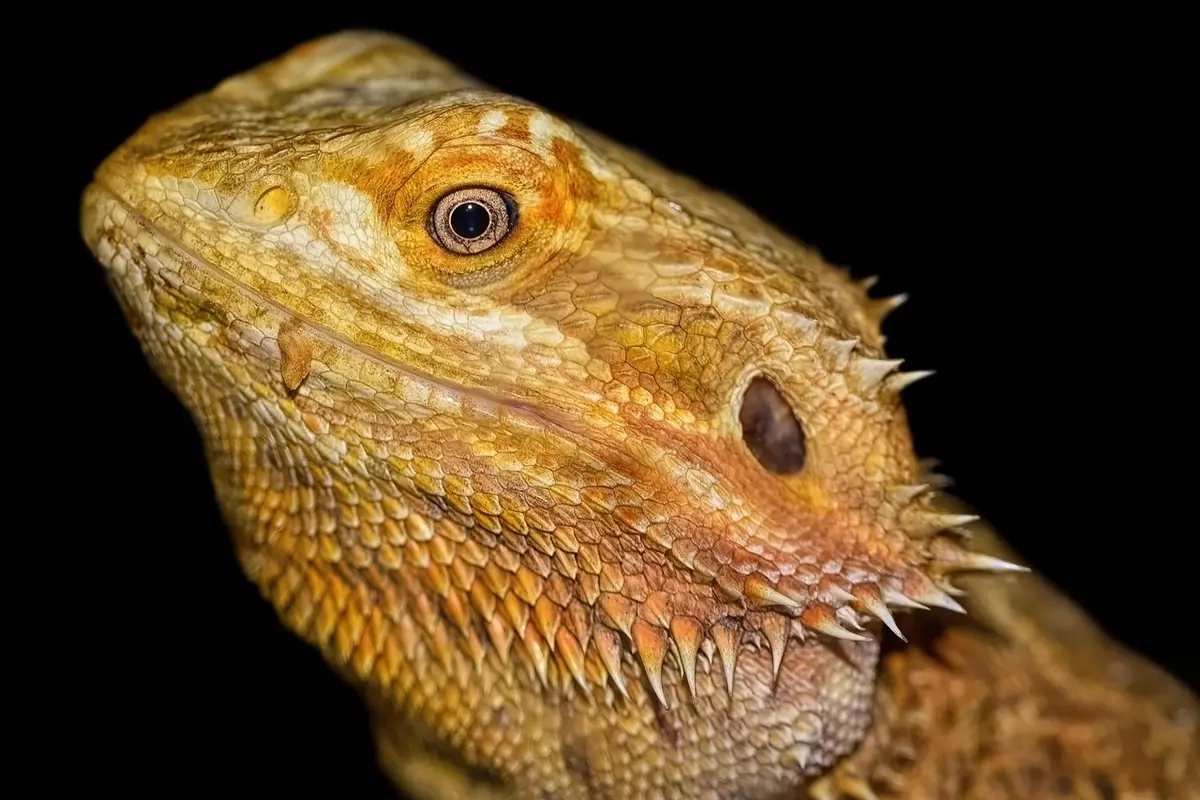
Raising a bearded dragon is a journey, and you don’t have to do it alone. The online bearded dragon community is a fantastic resource filled with experienced owners who have likely seen it all. I’ve learned some of my best care tips from other keepers. For complete beginners, a bearded dragon complete beginners guide can walk you through setup, diet, lighting, and daily care. It’s a great companion to the community’s tips as you start this journey.
Reputable Online Forums and Groups
Seek out groups that are moderated and focus on evidence-based care. These platforms are great for getting multiple perspectives on a single issue.
- Bearded Dragon.org Forums
- The Bearded Dragon subreddit (r/BeardedDragons)
- Various dedicated Facebook groups (search for “Bearded Dragon Care” or “Advanced Bearded Dragon Keepers”)
Sharing and Learning from Others
Don’t be shy about posting pictures and asking questions. Seeing photos of other dragons going through the same thing can be incredibly reassuring. You can learn about different enclosure setups, feeding tricks, and subtle behavioral cues that are hard to find in a book. Just remember that while advice is helpful, it doesn’t replace a vet’s diagnosis.
When to Consult a Reptile-Savvy Veterinarian
The community is wonderful for general advice and moral support, but its limits are clear.
- You need a definitive diagnosis for an illness or injury.
- Your dragon requires prescription medication.
- The problem involves potential surgery, like for severe impaction or tail rot.
- You’ve tried suggested home remedies without any success.
Always have the contact information for a qualified reptile vet on hand before you ever need it. A quick internet search for “exotic veterinarian” or “reptile vet” in your area is a great first step for any new owner, but make sure to find a reptile vet who is experienced with your specific species.
Frequently Asked Questions
Is it harmful if my bearded dragon eats its shed skin?
No, this is a normal behavior that may help them recycle nutrients and keep their enclosure clean. Just monitor to ensure it doesn’t lead to digestive issues like impaction.
How can I create a humid hide for my bearded dragon during shedding?
Use a small, enclosed container with an entrance hole, line it with damp sphagnum moss or paper towels, and place it in the warm area of the enclosure to provide a localized humid microclimate.
What are the signs that my bearded dragon’s shedding is complete?
The skin will be fully removed, their coloration will brighten and return to normal, and they will exhibit regular behaviors like active basking and a restored appetite.
Final Thoughts
Shedding is a perfectly normal and healthy sign of a growing, thriving bearded dragon. Your main jobs are to provide a good habitat, resist the urge to help, and keep a watchful eye for any true trouble signs. I’ve learned through my own dragons that patience is the ultimate virtue during this itchy time. Bearded dragons shed at different frequencies as they grow—babies, juveniles, and adults. Knowing how often each stage sheds helps guide care for each dragon.
Trust the process, offer your gentle support, and you’ll both get through it. You are now equipped with the knowledge to handle your dragon’s shedding with confidence and care. With calm handling and patience, you can tame your bearded dragon and build trust. Gentle handling strengthens your bond over time. You’ve got this!
Further Reading & Sources
- Bearded Dragon Shedding 101 – Dragon’s Diet
- r/reptiles on Reddit: My bearded dragon is shedding for the first time
- Bearded Dragon Shedding | FUSION Bearded Dragons
Bearded Dragon Lair is the ultimate resource for bearded dragon enthusiasts, offering expert advice and practical tips to ensure the health and happiness of your scaly companion. With years of experience in reptile care, we are dedicated to providing accurate, up-to-date information to support your bearded dragon journey.
Signs of Illness