
Do Bearded Dragons Like to Climb? (And Can They Tackle Glass, Trees, and Walls?)
Published on: August 13, 2026 | Last Updated: August 13, 2026
Written By: Beardie Joe
If you’ve ever seen your bearded dragon scaling a branch or attempting a glass wall, you’ve witnessed their curious climbing nature firsthand.
As an owner of multiple beardies with a background in reptile care, I’ll help you understand this behavior from my own experience.
We’ll explore their love for climbing, their surprising abilities on different surfaces, and how to keep your adventurous pet safe.
The Drive to Climb: Natural Instincts and Preferences
Bearded dragons absolutely possess a natural drive to climb. While not fully arboreal like chameleons, they are considered semi-arboreal. In the wild, they’re often spotted on fence posts, low tree branches, and rocky outcrops. This instinct to seek a higher vantage point is hardwired into them for basking, surveying their territory for food, and spotting potential predators.
I’ve seen this firsthand with my own dragons. My oldest, Ember, has a specific driftwood branch she scrambles up every single morning to catch the first rays of her heat lamp. She doesn’t just sit there; she actively explores every level of her enclosure, from the ground up. That look of focused determination as she hoists herself up is a clear sign of a lizard engaged in a natural and enjoyable behavior.
You can tell if your bearded dragon enjoys climbing by watching for these specific behaviors:
- Consistently seeking out the highest perch in the enclosure for basking.
- Actively scrambling up rocks, branches, or ramps instead of just walking around them.
- Displaying a curious, alert posture when surveying their domain from an elevated spot.
- Glass surfing on the bottom half of the tank can sometimes be a frustrated attempt to reach something higher up.
Climbing Surfaces Explored: Glass, Trees, and Walls
A bearded dragon’s climbing success depends heavily on the surface texture. Their primary tools are their sharp claws and surprising upper body strength. They are adept at hooking their claws into tiny imperfections to pull themselves upward, much like a rock climber using fingerholds. The rougher the surface, the better their grip will be. If a bearded dragon isn’t active, add enrichment such as new textures and safe climbing branches to encourage movement.
Tackling Glass Surfaces
Watching a bearded dragon try to climb a smooth glass wall is equal parts amusing and pitiful. They will often stand on their hind legs and frantically scratch at the surface. Glass offers zero grip for their claws, making it an impossible surface for them to scale. This is why you often see “glass surfing,” where they slide down repeatedly. To keep them safe, ensure the glass in their terrarium is securely sealed and that there are no sharp edges on any vents or doors they might try to scramble over. If you’re wondering why it happens and how to stop it, the answer lies in addressing underlying causes like stress, boredom, or poor enclosure design. Improving enrichment, temps, and safe climbing options can dramatically reduce glass surfing.
Navigating Trees and Branches
This is where bearded dragons truly shine. Natural wood branches with bark are the perfect climbing gym. The rough, textured surface gives their claws something to sink into. Providing sturdy, well-anchored branches mimics their Australian scrubland habitat and provides essential mental and physical exercise. Not all wood is safe for bearded dragons—some woods and finishes can be toxic or irritants. I avoid pine, cedar, and any treated or painted wood, sticking with sanitized manzanita or grapewood. I always use sanitized manzanita or grapewood branches in my enclosures; my dragons spend hours navigating them.
Attempting Walls and Vertical Spaces
Your bearded dragon might attempt to climb the textured background walls inside their terrarium. If the background is made of foam or has a rocky texture, they might have some success. Always ensure all enclosure decor is firmly secured to the walls to prevent a terrifying collapse. Outside the tank, a typical indoor wall is far too smooth for them to climb. Their attempts are usually a sign they feel exposed and are looking for an escape route, so it’s best to gently return them to a safe, familiar space. If you’ve noticed them climbing and hitting the glass, it can be due to their reflection or feeling exposed by the enclosure walls. Try reducing glare, adding hiding spots, and placing a background to break up the view to help minimize this behavior.
Health and Enrichment Benefits of Climbing
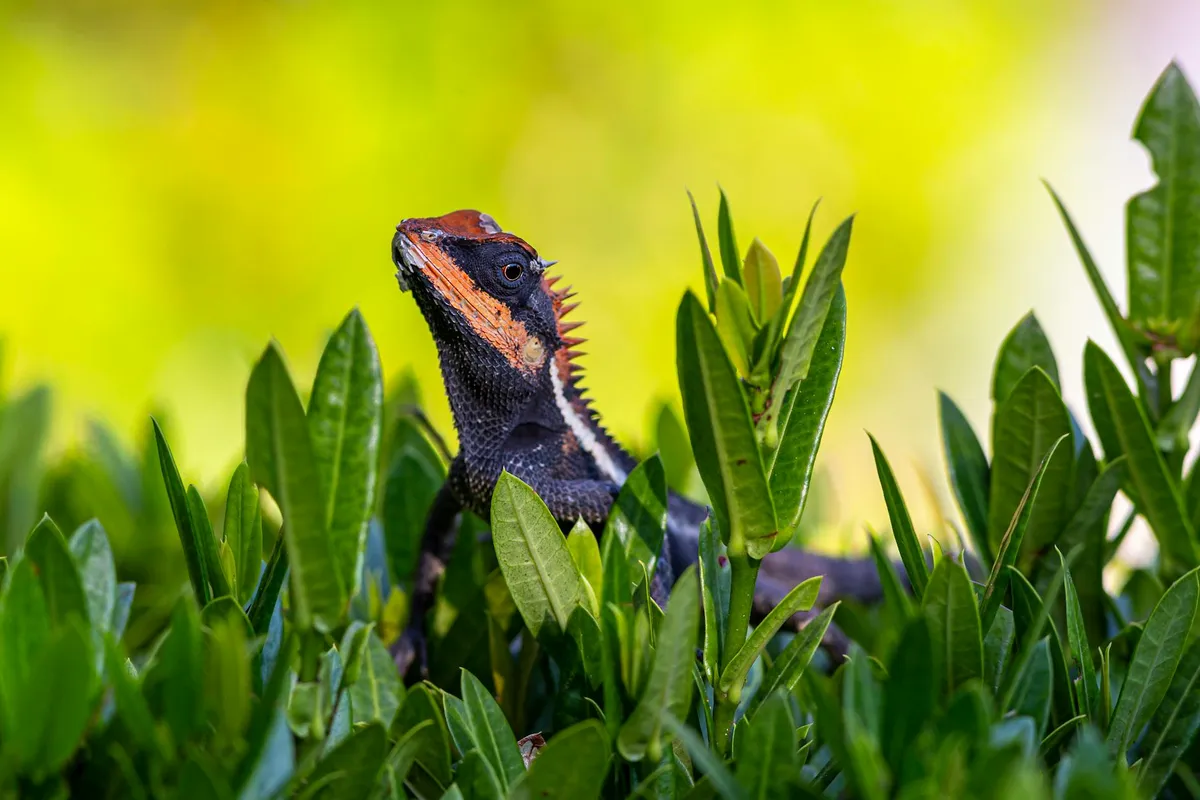
Watching my beardies, Puff and Spike, scale their branches is one of my favorite parts of the day. It’s not just cute; it’s a full-body workout. This regular climbing exercise is fantastic for building and maintaining strong muscle tone across their legs, back, and shoulders. You’ll notice they become more agile and powerful over time.
It also does wonders for their nail health. In the wild, climbing on rough surfaces files their nails down naturally. Providing textured climbing surfaces in captivity mimics this, helping to keep their claws at a manageable length and reducing the need for stressful trims.
Beyond the physical perks, climbing is a massive mental boost. A bearded dragon with nothing to do is a bored, and potentially stressed, dragon. Exploring a well-decorated enclosure with vertical elements provides vital mental stimulation, reducing stress and preventing lethargic behavior. For bearded dragon enrichment ideas, rotating climbing structures and adding scent or texture variety can keep them engaged. I’ve seen my own dragons become much more active and curious after I upgraded their habitat with more things to climb.
Most importantly, climbing lets them act like wild bearded dragons. In their natural Australian habitat, they are semi-arboreal, meaning they frequently climb trees and rocks to bask, survey their territory for food or rivals, and find a safe spot to sleep. Allowing them to climb satisfies this deep-rooted instinct, leading to a much happier and more well-adjusted pet.
Creating a Climbing-Friendly Enclosure
Setting up a great climbing space is easier than you might think. The goal is to create a safe, engaging, and three-dimensional world for them. Here’s how I’ve set up enclosures that my dragons absolutely love.
- Start with a primary basking branch positioned directly under the heat and UVB lamps.
- Add secondary branches or vines that create pathways to different areas and levels.
- Incorporate stable platforms or shelves at various heights to serve as resting spots.
- Use a mix of angled and horizontal branches to vary the climbing challenge.
- Ensure the decor leads to all key areas: the basking spot, the cool hide, and the food dish.
Placement is everything. Your heat and UVB gradient needs to be vertical as well as horizontal, allowing your dragon to thermoregulate by moving up and down, not just side to side. The highest basking spot should be the warmest area. Your substrate choice matters, too; a solid, non-particulate floor like tile or a reptile carpet provides a stable base for any climbing structures.
Choosing the Right Climbing Decor
Not all wood or decorations are created equal. I always lean towards natural, untreated materials.
- Seek out hardwoods like oak, maple, or manzanita. They are sturdy and safe.
- Thoroughly clean and bake any branches you collect from outdoors to kill pests.
- Avoid wood from coniferous trees like pine or cedar, as the sap and aromas can be toxic.
- Steer clear of any decor with sharp edges, loose fibers, or small, ingestible parts.
- Reptile-specific vines, cork bark rounds, and reptile hammocks are all excellent, safe, store-bought options.
Safety Measures and Setup Tips
A fun climbing environment must also be a secure one. A fall from even a moderate height can cause serious injury.
- Anchor all heavy branches and platforms securely to the sides or bottom of the tank to prevent tipping.
- Regularly check the stability of all climbing structures, ensuring they can’t wobble or collapse under your dragon’s weight.
- Keep an eye on humidity levels; consistently high humidity can make wooden structures slippery and promote mold growth.
- Make sure all climbing elements are placed well away from the top of the enclosure to prevent your ambitious dragon from using them as a ladder to escape.
- Position decor so there is a clear, safe path down, preventing your dragon from getting stuck or having to jump.
Taking these few extra minutes to secure everything gives you peace of mind and ensures your dragon’s climbing adventures are always safe ones. I do a quick stability check every time I clean the tank, and it’s become a simple, essential habit.
Common Climbing Hazards and How to Avoid Them
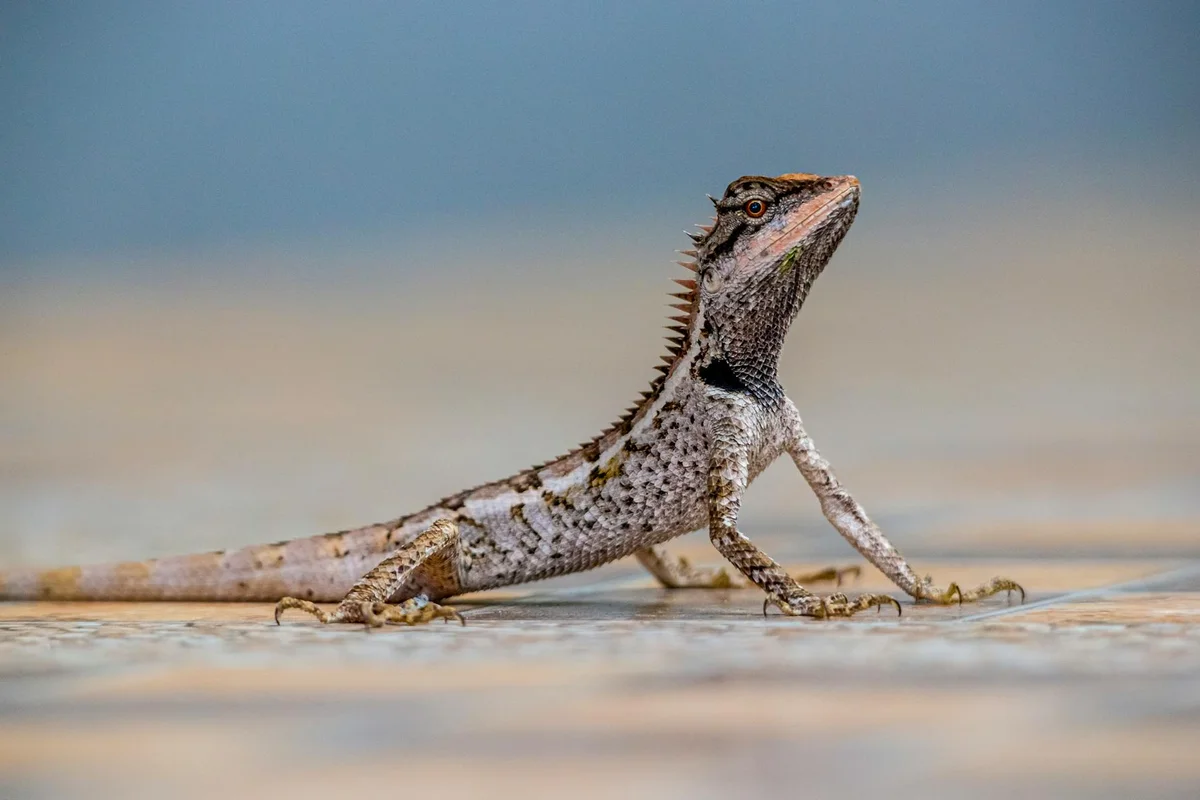
Watching a bearded dragon climb is a joy, but their adventurous spirit can sometimes lead them into trouble. Their boldness doesn’t always match their coordination, and a fall from even a modest height can cause serious injury. I’ve learned this through years of sharing my home with these scaly explorers. That’s why I keep jump height and distance in mind and design enclosures to minimize risky leaps. Safe ramps and soft landings help protect their curious climbs.
The main risks boil down to a few key areas:
- Falls from Height: Bearded dragons are not always graceful. A misjudged leap or a slippery branch can lead to a nasty fall, resulting in broken bones or internal injuries.
- Nail Damage or Loss: Rough surfaces can catch and tear their nails. I’ve had a dragon snag a nail on a cheap, frayed rope, and it was a stressful experience for both of us until it healed.
- Escape Attempts: If they can climb it, they will try to get over it. An insecure screen top or a decor item placed too close to the enclosure wall is an open invitation for an escape artist.
Prevention is always better than a frantic trip to the vet. Here is my go-to safety checklist.
- Perform weekly health checks. Gently examine their nails, toes, and belly for any signs of abrasions, swelling, or stuck shed.
- Always supervise out-of-tank climbing sessions. I never leave my dragons alone on furniture they could fall from.
- Place soft landing zones below high climbing areas inside the tank. A flat piece of cork bark or a reptile-safe carpet can cushion a fall.
- Secure all climbing structures firmly. Nothing should wobble or shift under their weight.
- Ensure the enclosure lid is always locked or weighted down. A determined beardie is stronger than you think.
I once had a young dragon, Pippin, take a tumble from a basking branch I thought was secure. He was fine, but the scare taught me a lasting lesson about double-checking stability. That moment solidified my belief that a safe environment is the greatest gift we can give our pets.
Top Climbing Gear Recommendations
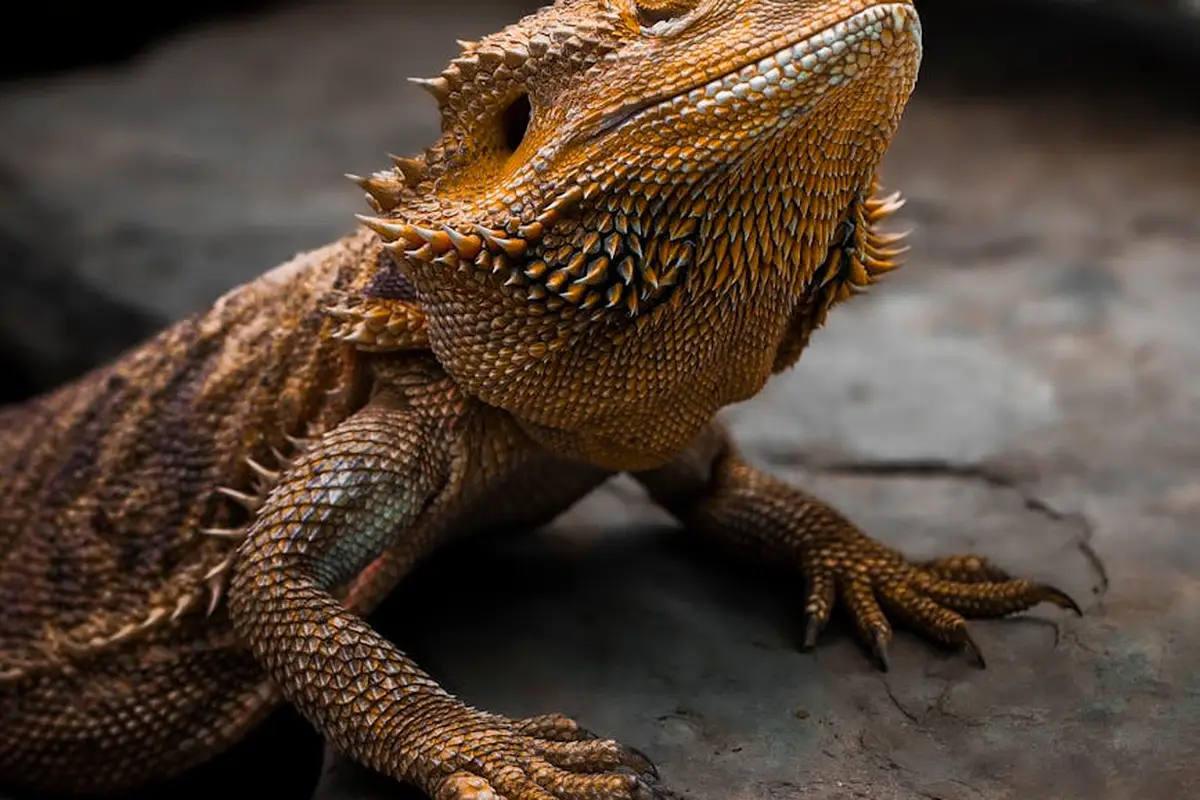
Choosing the right climbing gear turns your dragon’s home from a box into a playground. The goal is to provide enrichment that mimics their natural behaviors without introducing risk.
When you’re shopping, always prioritize a few key features.
- Material Durability: Look for solid woods, thick ropes, and sturdy plastics that can’t be easily chewed or shattered.
- Ease of Cleaning: Surfaces should be non-porous or easily wiped down. Bacteria loves to hide in tiny crevices.
- Enclosure Compatibility: Measure your tank before you buy! An item that’s too large makes the space cramped and dangerous.
Based on my own trial and error, here are the products that have become staples in my reptile room.
- Reptile Hammocks: These are an absolute must-have. My dragons use them for basking, climbing, and napping. I prefer the ones with strong suction cups and a soft, fake-vine material that’s easy to clean.
- Cork Rounds and Flats: This is my top choice for a naturalistic look. Cork bark is naturally textured for grip, durable, and has antibacterial properties. It works as a cave, a ramp, and a climbing wall all in one.
- Mopani Wood Branches: This wood is incredibly hard and dense, so it doesn’t rot easily. Its gnarly, twisted shape creates perfect climbing challenges. Just sand any sharp points smooth.
- Magnetic Ledges: These are fantastic for maximizing vertical space. They stick securely to the tank glass and provide a high-up perch for basking and surveying their kingdom.
- Reptile-Friendly Ropes & Nets: I use thick, hemp rope ladders. They provide a great texture for nail filing and are much safer than thin, frayable strings.
Watching your dragon confidently navigate a well-designed habitat is one of the most rewarding parts of being a keeper. Investing in safe, engaging structures directly contributes to their physical health and mental well-being.
Frequently Asked Questions
Can bearded dragons climb on carpeted surfaces?
Bearded dragons may attempt to climb on low-pile carpet, but it offers poor grip and can risk nail damage or entanglement. For safety and enrichment, use reptile-specific climbing decor with textured surfaces instead. Scratch marks on cage walls or the floor can indicate a need for more enrichment, space, or proper heat and lighting. Understanding why this happens helps you adjust the habitat to prevent it.
Is it safe for bearded dragons to climb on human furniture?
Climbing on furniture is generally unsafe due to the risk of falls, exposure to cleaning chemicals, or unstable surfaces. Always supervise out-of-tank activities and prioritize secure, enclosed climbing environments.
Do bearded dragons need special training to climb?
No, climbing is an innate behavior that bearded dragons perform instinctively without training. Simply provide sturdy, varied climbing structures in their habitat to support their natural abilities and curiosity. If you notice digging, it can be a sign of healthy nesting instincts or exploration; but persistent or frantic digging may indicate environmental stress or potential health concerns warrant review.
Final Thoughts
So, do bearded dragons like to climb? Absolutely, their instinct to explore vertical spaces is a core part of their curious nature. From the sturdy branches in their tank to the textured walls you provide for enrichment, climbing is a fantastic form of exercise and mental stimulation for them. If you’re wondering whether bearded dragons are good pets for beginners, this complete guide covers basic setup, daily care, and what to expect. It also highlights climbing needs, lighting, heating, and safe enrichment to help you decide.
Just remember that their climbing abilities have limits. Always prioritize a safe environment by avoiding slippery surfaces like glass and ensuring any furniture is secure and easy to descend. By offering the right climbing opportunities, you’re not just entertaining your dragon-you’re helping them thrive.
Further Reading & Sources
- Climbing walls | Behavior
- bearded dragon climbing alot! | Reptile Forums
- r/BeardedDragons on Reddit: Why does my bearded dragon try and climb the walls of his enclosure?
Bearded Dragon Lair is the ultimate resource for bearded dragon enthusiasts, offering expert advice and practical tips to ensure the health and happiness of your scaly companion. With years of experience in reptile care, we are dedicated to providing accurate, up-to-date information to support your bearded dragon journey.
Decoration and Enrichment