How Big Do Bearded Dragons Get? (From Hatchling to Full Size)
Published on: February 14, 2026 | Last Updated: February 14, 2026
Written By: Beardie Joe
If you’re staring at your new, tiny bearded dragon and wondering just how much space they’ll eventually need, you’ve come to the right place.
As a long-time owner who’s raised multiple beardies from hatchlings, I’m here to walk you through their growth, drawing from my own hands-on experience with their care.
We’ll break down their growth from a few inches to their full adult length, explain the key factors that determine their final size, and show you how to track their healthy development.
Bearded Dragon Growth Stages and Average Sizes
Watching your bearded dragon grow is one of the most rewarding parts of being an owner. Their growth happens in distinct stages, each with its own unique size range and care requirements. I’ve raised several from tiny hatchlings, and it’s amazing how quickly they change. If you’re curious about the timeline, bearded dragons typically grow from hatchling to adult within about 12–18 months, with complete maturation often by around 2 years.
Hatchling Bearded Dragon Size
When you first bring home a baby beardie, they are incredibly small and delicate. They typically measure between 3 to 4 inches from snout to tail tip. Their tiny size makes them seem almost weightless, often tipping the scales at a mere 4 to 6 grams. I always handle my new hatchlings with extra care because they can be surprisingly quick and skittish.
This initial stage is all about rapid development.
- They can grow nearly an inch per week with proper care.
- Their appetite is immense for their body size.
- You will notice significant changes in their proportions almost daily.
Juvenile Bearded Dragon Size
The juvenile stage is the real growth spurt. This period, spanning from about 2 to 7 months old, is when you’ll truly see them transform. Your dragon will bulk up significantly, developing the strong, sturdy body they’re known for. They typically reach between 8 to 18 inches in length during this phase.
Feeding is absolutely critical at this life stage.
- Their diet should be heavy in live insects for protein.
- You will need to upgrade their tank size more than once.
- This is when their unique personality and head bobbles often start to appear.
Adult Bearded Dragon Size
Your beardie is considered an adult once they reach about 18 months of age. Most healthy adults will reach a full length of 16 to 24 inches, with about half of that being their tail. A well-cared-for adult will have a plump, strong body and a healthy weight between 350 and 550 grams. I find this stage the most enjoyable, as their growth stabilizes and their behavior becomes wonderfully predictable.
Reaching full size is a milestone.
- Growth slows to a near halt after 12-18 months.
- Their diet shifts to include more vegetables and greens.
- A consistent, healthy weight is a better indicator of health than length alone.
Key Factors That Influence Bearded Dragon Size
Not all bearded dragons grow to the exact same size. A dragon’s ultimate size is a combination of genetics, care, and a little bit of luck. I’ve seen clutch mates from the same parents grow to noticeably different sizes under different care regimens. If you’re curious about how fast they grow, here’s a quick look at bearded dragon growth rate explained and what affects it. We’ll explain the key factors behind growth speed and how to support healthy development.
Male vs Female Bearded Dragon Size Differences
Sex plays a significant role in the final size and shape of your beardie. Male bearded dragons are generally larger and bulkier than females, with broader heads and more muscular jaws. This is one of the most reliable ways to tell them apart once they mature. Beyond size, males and females can differ in temperament and daily care needs. Comparing these sex-based traits helps you tailor housing, feeding, and handling for your bearded dragon.
Here are the key physical differences:
- Males often have larger femoral pores on the underside of their thighs.
- They tend to be longer and can have a more robust overall appearance.
- Females may have a slightly slimmer, more streamlined body shape.
Impact of Species and Morph on Size
The common pet bearded dragon is the Central Bearded Dragon (Pogona vitticeps), which is the size standard we’ve discussed. However, different species and specialized breeding can create dramatic variations in size. Always ask your breeder about the specific lineage of your dragon. For hobbyists, a bearded dragon species morph identification guide can help you recognize the various morphs and species. It’s a handy reference for understanding what traits come from which lineage.
You might encounter other types:
- Rankin’s Dragons are a smaller species, maxing out around 12 inches.
- German Giant Morphs are a larger lineage that can exceed 26 inches.
- Standard morphs, like leatherbacks, don’t typically affect overall length but can change body mass.
How to Accurately Measure Your Bearded Dragon
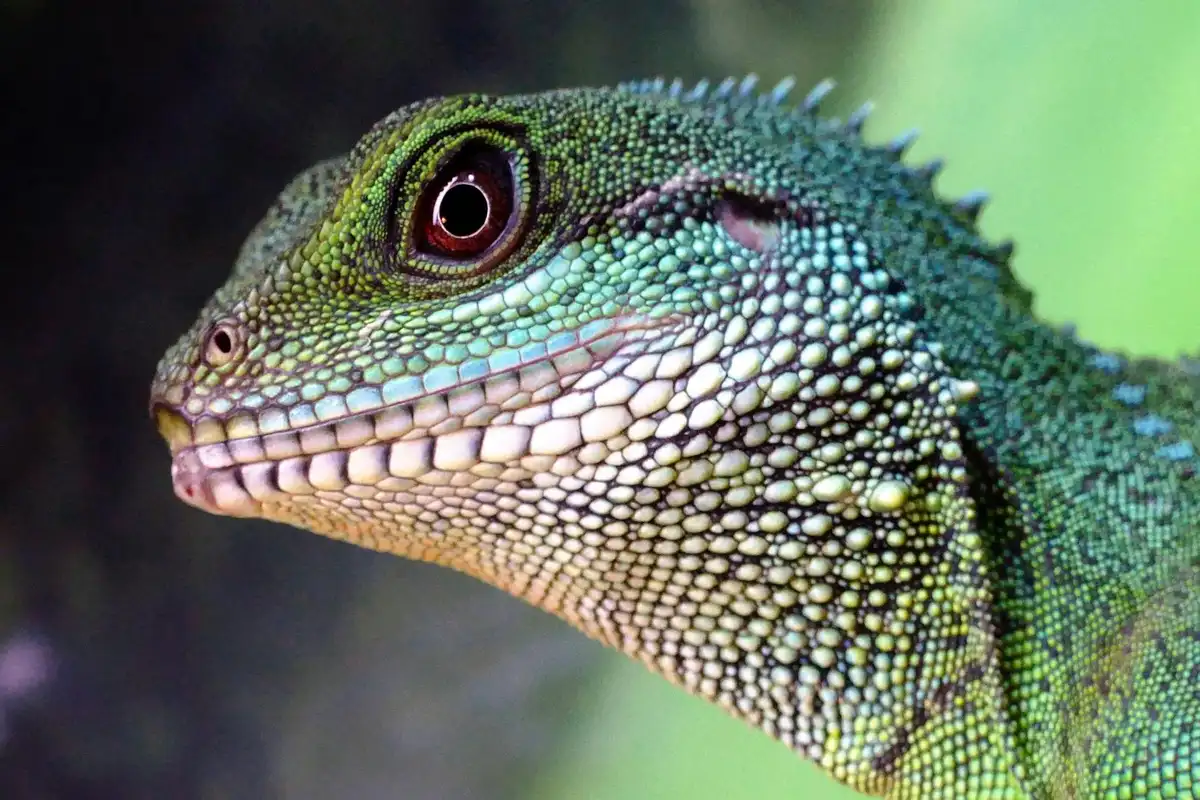
Keeping track of your dragon’s growth is one of the most rewarding parts of ownership. I love charting their progress; it’s a fantastic way to ensure they are thriving. Regular measurements give you a clear, objective picture of their health beyond just a quick glance.
Measuring Snout-to-Vent Length
In the reptile world, we often use Snout-to-Vent Length (SVL) instead of total length. This measures the body from the tip of the nose to the opening of the vent (the cloaca). SVL is the gold standard for determining the actual body size and age appropriateness of your bearded dragon. It excludes the tail, which can vary in length and doesn’t reflect torso health.
Here’s how I do it safely and easily:
- Place a clear plastic ruler on a flat, stable surface like a table.
- Gently position your bearded dragon beside the ruler, ensuring they are calm and straight.
- Carefully align the tip of their snout with the “0” mark on the ruler.
- Note the measurement at the base of their tail, right before the vent opening.
If your dragon is a bit wiggly, you can use a piece of string to follow their spine from nose to vent, then measure the string against the ruler. Patience is key-never force your dragon into position. I’ve found doing this during their calm, basking time works best.
Measuring Total Length and Weight
While SVL tells you about body condition, total length is fun to know and track! For weight, a simple digital kitchen scale that measures in grams is perfect.
My routine for a full check-up looks like this:
- For Total Length: Use the same soft string method. Run it from the nose, over the head, along the spine, and all the way to the very tip of the tail. Mark the string and measure it against a ruler. This gives you the full length from snout to tail tip.
- For Weight: Place a small, empty container (like a tupperware) on the scale and press “Tare” to zero it out. Gently place your dragon inside the container. This weekly weigh-in is a powerful early warning system for health issues like weight loss or gain.
I keep a simple notebook log for my beardie, Pancake, noting his SVL, total length, and weight every two weeks. Seeing those numbers climb steadily is a sure sign you’re providing a fantastic home.
If your dragon is too big for a container, you can weigh yourself first, then weigh yourself holding your dragon, and subtract the difference. It’s a little less precise, but it gets the job done for larger adults!
Recommended Tank Sizes for Each Life Stage
Getting the tank size right from the start is one of the most impactful things you can do for your bearded dragon’s health and happiness. I’ve found that a properly sized enclosure reduces stress dramatically, leading to a more active and curious pet. A cramped space can cause pacing, glass surfing, and even a loss of appetite.
Hatchling and Juvenile Tank Dimensions
Many new owners are tempted to start with a small tank, thinking it will be less intimidating for a tiny dragon. I made that mistake with my first one! The truth is, even hatchlings are surprisingly active and need room to run, climb, and explore their environment.
- Starter Tank (Hatchling to 2-3 months): A 20-gallon long tank (30″ x 12″ x 12″) is the absolute minimum I would recommend. It works for a short period while they are very small.
- Juvenile Tank (3-10 months): This is a rapid growth phase. Upgrade to a 40-gallon breeder tank (36″ x 18″ x 18″) as soon as possible, ideally within the first few months. The extra floor space is crucial.
- My Personal Advice: If your budget allows, skip the small tanks entirely. I now start all my new juveniles in their permanent 120-gallon adult enclosure. It saves money on intermediate tanks and they use every bit of the space without any issues.
Adult Bearded Dragon Tank Requirements
Once your dragon reaches its full length, it needs a true forever home. An adult bearded dragon is a substantial reptile, and its tank should reflect that. Housing a full-grown dragon in anything less than a 120-gallon tank is, in my opinion, doing them a disservice. They are terrestrial animals that roam far and wide in the wild.
- Minimum Adult Enclosure: 120-gallon tank or a 4′ x 2′ x 2′ (Length x Width x Height) custom build. This provides the essential floor space for exercise and proper thermoregulation.
- Why Bigger is Better: A larger tank allows you to create a perfect temperature gradient. Your dragon can move from a hot basking spot to a much cooler area with ease. It also lets you get creative with enrichment like climbing branches and hiding spots.
- Tank Features to Look For:
- Front-opening doors. These are less stressful for your pet than reaching in from above.
- Good ventilation to prevent respiratory issues.
- Substrate barriers if you plan on having a deep substrate area.
Seeing my adult dragon, Thor, fully stretch out and sprint across his 4x2x2 enclosure is a joy. That confident, natural behavior is the best reward for providing a spacious and stimulating home.
Addressing Common Growth and Health Concerns
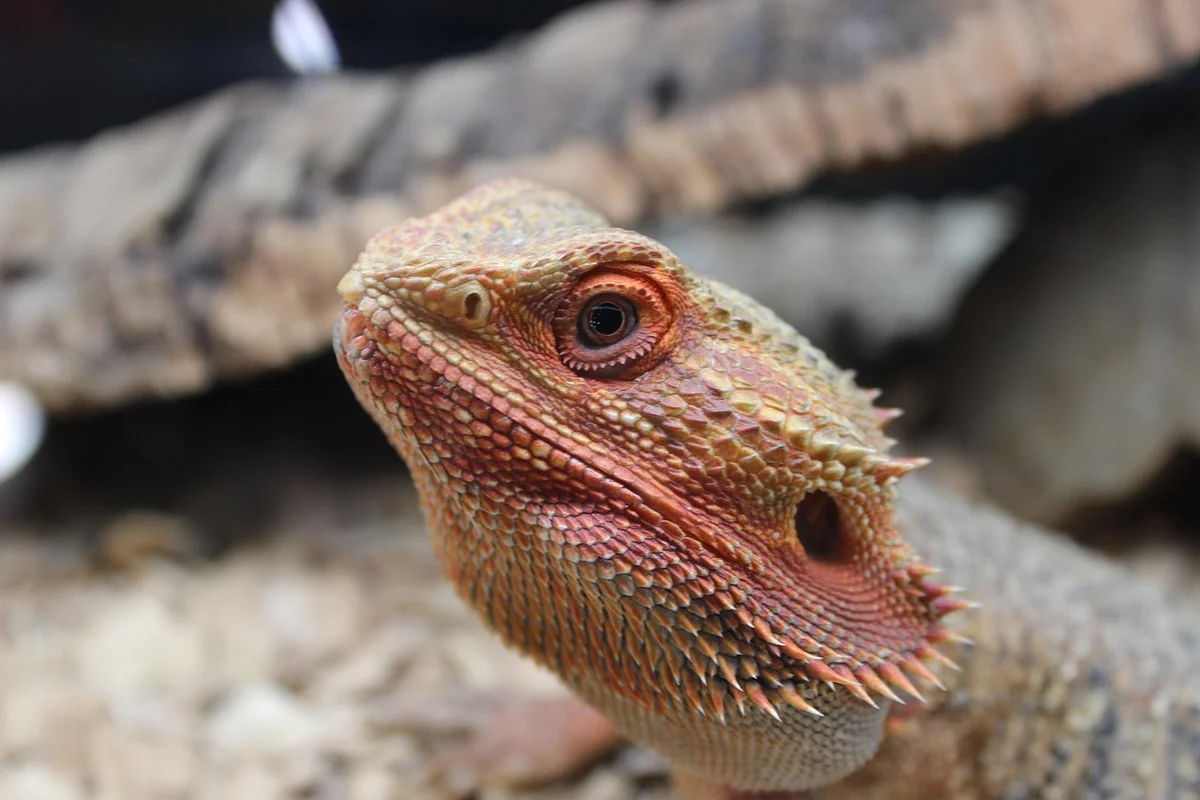
Signs of Stunted Growth in Bearded Dragons
Watching your beardie grow is one of the most rewarding parts of ownership. When growth seems to stall, it’s a clear signal that something is off. From my own experience, a healthy dragon should have a steady, noticeable growth pattern, especially in their first year. If you’re curious about exact sizes, a month-by-month growth guide can tell you what to expect at each stage. It helps you distinguish normal growth from slow growth or stunting.
Here are the red flags I look for that suggest a growth problem.
- Consistently Low Weight for Their Size: A dragon should feel solid, not hollow or bony. You can gently feel their hip bones and spine; if they are sharp and prominent, it’s a concern.
- Lethargy and Lack of Appetite: A young dragon refusing food for more than a couple of days needs attention. They are growing machines and require consistent fuel.
- Soft or Rubbery Jaw (a sign of Metabolic Bone Disease): This is a serious condition often linked to poor UVB lighting or calcium deficiency. The jaw should feel firm.
- Tail and Limbs Appear Thin and Stringy: The base of the tail and the limbs should be plump and muscular, not skinny.
- They Are Significantly Smaller Than Other Dragons Their Age: While size varies, a drastic difference often points to an underlying issue.
Spotting these signs early gives you the best chance to correct the problem and get your scaly friend back on a healthy track. I’ve nursed a rescue dragon through this, and the turnaround with proper care is incredible.
Diet and Environment Fixes for Better Growth
If you suspect stunted growth, don’t panic. You can almost always trace it back to a few key areas. Think of their habitat and diet as the two pillars of their health. Strengthen these, and you’ll see a difference.
Let’s start with their diet. This is where most growth issues begin.
- Protein is Paramount for Juveniles: Babies and juveniles need a diet of about 80% live insects. Offer appropriately-sized feeders like dubia roaches and crickets 2-3 times daily.
- Never Skip Gut-Loading: You are what you eat, and so is your dragon. Feed your insects nutritious greens and commercial bug food for 24-48 hours before offering them to your beardie.
- Calcium and Vitamin Supplementation is Non-Negotiable: Lightly dust insects with a calcium powder (with D3) at almost every feeding for juveniles, and a multivitamin a couple of times a week.
- Introduce Fresh Greens Early: Even if they ignore them at first, always have a fresh salad of collard greens, dandelion greens, and butternut squash available.
A balanced and consistent feeding routine provides the fundamental building blocks for strong bones and muscle development. I make my dragon’s salad every morning with my own coffee-it’s our little routine.
Now, let’s tackle the habitat. A perfect diet can be undone by a poor environment.
- UVB Lighting is Their Lifeline: They require a high-output, tube-style UVB light that spans about 2/3 of their enclosure. This allows for proper calcium absorption. Replace these bulbs every 6-12 months, as the invisible UVB output degrades.
- Check Your Temperatures with a Digital Gauge: The basking spot surface temperature should be 100-110°F for babies, cooling to 95-105°F for adults. The cool side must be 75-85°F. Without this heat, they cannot properly digest their food.
- Provide Ample Space: A cramped enclosure causes stress. A 120-gallon tank is the recommended minimum for an adult. Stress is a major appetite suppressant.
- Ensure Proper Hydration: Some dragons won’t drink from a bowl. I gently mist my dragon’s nose with water or offer water from a dropper. Soaking in shallow warm water 1-2 times a week also helps with hydration.
Fixing the habitat is often the quickest way to see a positive change in your dragon’s behavior and appetite. It creates a foundation where they feel safe, warm, and ready to thrive.
Optimal Diet and Supplements for Healthy Growth
Getting your bearded dragon’s diet right is the single most important factor in helping them reach their full, healthy size. I’ve raised many dragons from tiny hatchlings, and I can tell you firsthand that what you feed them directly fuels their growth spurts. If you’re wondering whether you should feed them daily, a complete feeding guide can help you plan daily portions and balance their diet. It covers what to feed, how often, and how to adapt as they grow.
Feeding Guidelines for Young Bearded Dragons
Baby and juvenile bearded dragons are growing machines, and their diet needs to reflect that high-energy demand. Their bodies are building bone and muscle at an incredible rate, requiring a diet rich in protein. For practical guidance on exactly what to feed and how often during this growth phase, check out our baby bearded dragon feeding guide. It covers ideal food types, portions, and supplements to support healthy growth.
Here is the basic feeding structure I follow for my young dragons:
- Primary Diet: 80% live insects, 20% fresh greens and vegetables.
- Feeding Frequency: Offer as many appropriately-sized insects as they can eat in 10-15 minutes, three times a day.
- Staple Insects: Dubia roaches, black soldier fly larvae, and crickets are excellent, nutritious staples.
- Treat Insects: Waxworms and hornworms are like dragon candy-great for hydration and putting on weight, but only offer once a week.
Portion control is not the goal with juveniles; let them eat! I always make sure the insects are no larger than the space between my dragon’s eyes to prevent impaction. A shallow dish of fresh, chopped greens like collard greens and dandelion greens should always be available, even if they mostly ignore it at this age. Introducing a variety of greens early helps them accept these healthy foods as adults.
Supplement Schedule for All Ages
Even the most perfect diet can lack specific vitamins and minerals essential for bone development and overall health. This is where supplements come in. Think of them as a vital insurance policy for your dragon’s growth.
I use a simple two-powder system: a pure calcium powder and a multivitamin powder. My personal schedule looks like this:
- Baby & Juvenile Dragons (0-12 months):
- Calcium Powder (without D3 if using a UVB light): Dust insects for one feeding, every single day.
- Multivitamin Powder: Dust insects for one feeding, two times a week.
- Adult Dragons (12+ months):
- Calcium Powder: Dust insects for one feeding, 3-4 times a week.
- Multivitamin Powder: Dust insects for one feeding, once a week.
The key is to lightly coat the insects, not drown them. You should still be able to see the insect through a fine, dusty layer. Proper supplementation is non-negotiable for preventing Metabolic Bone Disease (MBD), a common and devastating illness in captive dragons. I always keep a dedicated “dusting” container to shake the insects in-it’s less messy and ensures an even coat.
Bearded Dragon Size Charts and Growth Timelines
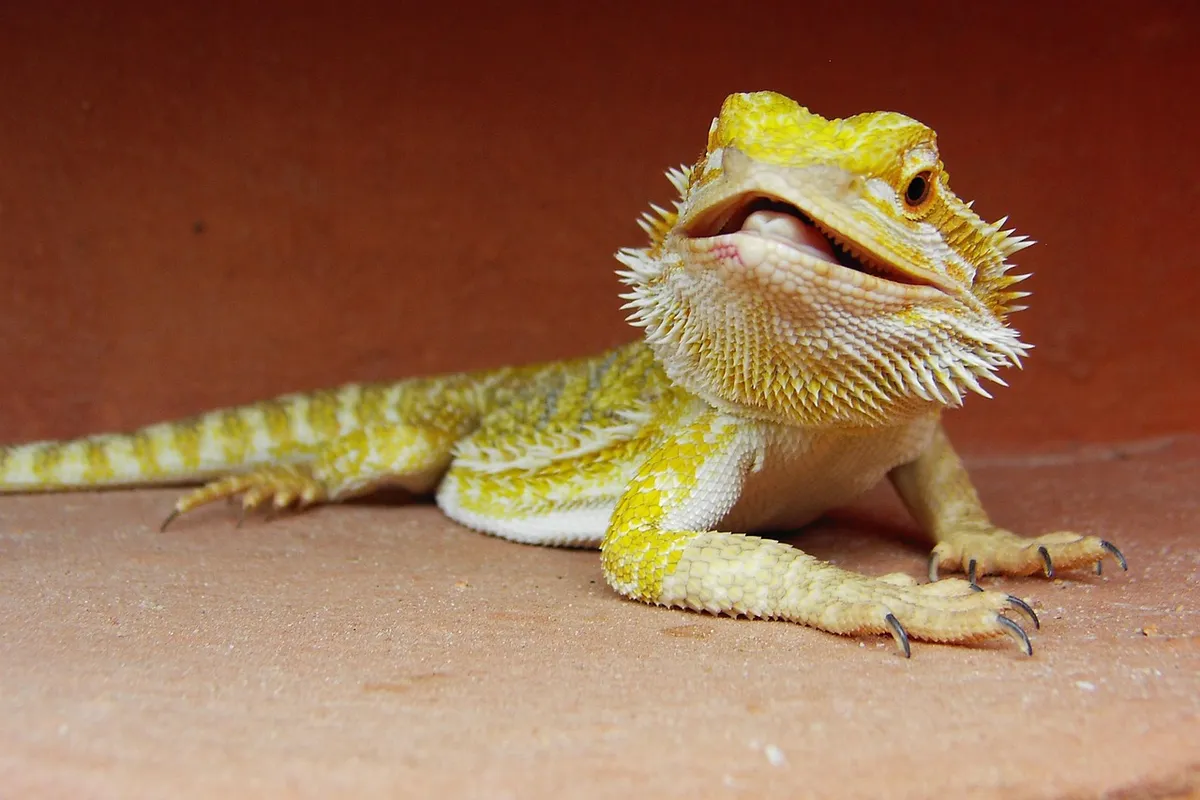
Watching my own dragons, Puff and Smaug, grow from tiny hatchlings was a fascinating journey. Their growth isn’t always a smooth, predictable line, and that’s perfectly normal. This chart gives you a solid baseline for what to expect as your scaly friend matures.
Bearded Dragon Size Chart by Age
Remember, these are averages! Genetics, diet, and overall health play huge roles. I’ve found that males, like my Smaug, often end up on the larger end of the scale.
| Age | Average Length (Head to Tail) | Average Weight |
|---|---|---|
| Hatchling (0-2 months) | 3 – 4 inches | 4 – 6 grams |
| Juvenile (2-7 months) | 8 – 18 inches | 40 – 400 grams |
| Sub-Adult (8-18 months) | 16 – 20 inches | 400 – 550 grams |
| Adult (18+ months) | 16 – 24 inches | 400 – 600 grams |
The most rapid growth happens in those first few months. You’ll literally see a size difference week-to-week during the juvenile stage if their care is spot-on. Don’t panic if your dragon seems to plateau for a bit; they often have growth spurts followed by slower periods.
Comparing Bearded Dragon Sizes to Common Objects
Sometimes numbers on a chart don’t paint the full picture. Comparing their size to everyday items makes it much easier to visualize their development. This is how I often explain it to new owners visiting my reptile room.
- Hatchling (3-4 inches): Think about the size of your thumb or a standard golf ball. They are incredibly tiny and delicate at this stage.
- 2-Month-Old (8-10 inches): They’re now about the length of a standard TV remote or a large banana. This is when their personalities really start to emerge.
- 6-Month-Old (12-16 inches): Your dragon is now comparable to a sub sandwich or a full-sized burrito. They have substantial heft but are still lanky teenagers.
- Adult (18-24 inches): A full-grown beardie is similar in length to two standard 2-liter soda bottles placed end-to-end or a small pillow. This is the substantial, sturdy lizard you see happily pancaking on a warm rock.
Holding Puff now, as a full-grown adult, it’s hard to believe he was once that tiny hatchling smaller than my hand. Providing consistent, proper care is the single biggest factor in helping them reach their full, healthy size.
Frequently Asked Questions
How big do bearded dragons get in centimeters?
Bearded dragons typically grow from about 8 to 10 cm as hatchlings to 41 to 61 cm as full-grown adults, with their size varying based on genetics and care. These values illustrate the general bearded dragon size growth patterns from infancy to maturity. Tracking growth over time helps owners recognize normal development and identify potential issues early.
What is the average adult bearded dragon size in feet?
An adult bearded dragon usually measures between 1.3 to 2 feet in total length, making them a substantial pet that requires adequate space in their enclosure.
How does a bearded dragon’s size compare to a standard household item?
A full-grown bearded dragon is often similar in length to a standard pillow or two 2-liter soda bottles placed end-to-end, giving a clear visual of their sturdy build. Many readers also ask about bearded dragon color morphs and what those color patterns mean. We’ll address common questions like which morphs are rare and how color relates to care requirements.
Wrapping Up
Watching your bearded dragon grow from a tiny hatchling into a magnificent, full-sized lizard is one of the most rewarding parts of being an owner. You can generally expect a healthy beardie to reach a final length of 16 to 24 inches and a weight between 300 and 600 grams. Their rapid growth in that first year is truly something to behold! If you want a precise, age-by-age breakdown of weights, our complete weight guide has you covered.
Remember that their ultimate size is a direct reflection of their care. Providing a spacious enclosure, proper UVB lighting, and a nutritious diet is your recipe for raising a thriving, impressive giant. I’ve found that the bond you build while supporting them through each life stage makes the journey even more special.
Further Reading & Sources
- r/BeardedDragon on Reddit: How big do the dragons get and what is the appropriate cage size?
- How Big Do Bearded Dragons Get? – Dragon’s Diet
- Central bearded dragon – Wikipedia
Bearded Dragon Lair is the ultimate resource for bearded dragon enthusiasts, offering expert advice and practical tips to ensure the health and happiness of your scaly companion. With years of experience in reptile care, we are dedicated to providing accurate, up-to-date information to support your bearded dragon journey.
Hatchling Care