How Big Should Your Bearded Dragon Be? A Month-by-Month Growth Guide
If you’re watching your bearded dragon and wondering if they’re the right size for their age, you’re asking the exact question I had with my first dragon.
Having raised many bearded dragons from tiny hatchlings to full-grown adults, I use my real-world experience to help you track healthy growth without the guesswork.
This guide provides a clear month-by-month size chart, explains the major growth stages you can expect, and shares my personal tips for supporting their development.
Understanding Bearded Dragon Growth Stages
Watching a bearded dragon grow from a tiny hatchling to a majestic adult is one of the most rewarding parts of being a reptile parent. Their growth happens in distinct stages, each with its own unique needs and charming quirks. I’ve raised several dragons from babies, and it’s fascinating to see their personalities develop right along with their size. If you’re curious about how fast they grow, here’s a quick overview of their growth rate and what influences it. Understanding the pace of growth helps you plan feeding, lighting, and overall care as they mature.
Here are the three main life stages you’ll witness:
- Baby (0-3 months): This is the “insatiable eating machine” phase. They are tiny but grow at an astonishing rate.
- Juvenile (3-12 months): The “teenage” stage where growth is still rapid but begins to steady. Their appetite remains huge.
- Adult (12+ months): Growth slows and eventually stops. This is the “maintenance” phase of their life.
Key growth milestones to look for:
- Most rapid growth occurs between 2 and 8 months of age.
- You’ll notice significant size changes almost weekly during the juvenile stage.
- Their head and limbs will start to look more proportional as they leave the baby stage.
- Appetite may slow slightly as they approach their first birthday, signaling the end of their major growth spurt.
Monthly Bearded Dragon Size and Weight Chart
This chart is a general guide based on my experience with well-cared-for dragons. Remember, your dragon is an individual and may not follow this chart exactly, and that’s perfectly okay. Genetics play a huge role. One of my dragons, Pip, was always on the smaller side of the scale, while another, Smaug, was a giant who consistently measured above average.
| Age (Months) | Length (Inches) | Length (Centimeters) | Weight (Grams) |
|---|---|---|---|
| 1 | 3 – 4 | 8 – 10 | 4 – 6 |
| 2 | 5 – 9 | 13 – 23 | 8 – 40 |
| 3 | 8 – 11 | 20 – 28 | 22 – 110 |
| 4 | 9 – 12 | 23 – 30 | 40 – 115 |
| 5 | 11 – 16 | 28 – 41 | 100 – 280 |
| 6 | 13 – 18 | 33 – 46 | 180 – 360 |
| 7 – 8 | 14 – 19 | 36 – 48 | 250 – 400 |
| 9 – 10 | 16 – 20 | 41 – 51 | 280 – 450 |
| 11 – 12 | 16 – 22 | 41 – 56 | 350 – 550 |
| 12+ (Adult) | 16 – 24 | 41 – 61 | 380 – 600+ |
Regarding male and female differences, males often end up slightly larger and heavier, with broader heads and more pronounced femoral pores. A fully grown male might reach 22-24 inches, while a female often tops out around 18-20 inches. But again, this is a general trend, not a strict rule.
Baby Bearded Dragon Growth (0-3 Months)
Baby bearded dragons are all legs, appetite, and curiosity. Their metabolism is incredibly high, and they need a constant supply of food to fuel their rapid development. I remember my dragon, Ember, at two months old—she would easily eat 30-40 small crickets twice a day and still look at me like I was starving her! Still, you may wonder exactly how much to feed. A complete feeding guide by age breaks it down by weeks and months to help you feed the right amounts.
Feeding routine is critical at this stage:
- Offer live, protein-rich insects (like pinhead crickets or small dubia roaches) 2-3 times per day.
- They should have as many appropriately-sized insects as they can eat in a 10-15 minute period.
- Fresh, finely chopped greens (like collard or mustard greens) should be available at all times.
To monitor for healthy weight, just observe their body condition. A healthy baby dragon should have a plump tail base and a rounded, but not distended, belly. Their ribs should not be visible. A digital kitchen scale is your best friend for tracking their progress weekly. For exact benchmarks, consult a complete bearded dragon weight guide that outlines expected weights by age and size. It helps you compare your pet’s current weight to standard ranges.
Juvenile Bearded Dragon Growth (3-12 Months)
This is when you really see your dragon take shape. The growth is still fast, but you might notice it happens in spurts rather than a constant upward climb. They will start to fill out, becoming less lanky and more robust. This is also the time you will likely need to upgrade their enclosure to a full-sized adult tank (a 120-gallon is ideal). Adhering to a bearded dragon tank size guide from baby to adult requirements helps ensure your dragon has the space it needs at each life stage. By upgrading as recommended, you maintain proper heat, lighting, and exercise opportunities.
Their diet needs a slight adjustment:
- You can reduce insect feedings to once or twice a day.
- The portion size per feeding will be larger as the insect size increases.
- Their salad intake should significantly increase, making up about 40-50% of their overall diet.
Don’t be alarmed if you see a temporary slowdown in growth around 8-10 months. This is normal as their body starts to prepare for the final push to adulthood. As long as they are active, alert, and eating well, there’s no need for concern.
Adult Bearded Dragon Size (12+ Months)
By their first birthday, most bearded dragons have reached their full length. Growth plateaus, and your focus shifts from supporting rapid development to maintaining a healthy weight. They might continue to fill out and gain a little more muscle mass until they are about 18 months old, but the dramatic size increases are over. Understanding bearded dragon size growth patterns can help you tailor feeding and housing as they mature. Monitoring length and weight helps keep growth on a healthy trajectory.
The average full size for a captive bearded dragon is 16 to 24 inches from nose to tail tip. Hatchlings start at just a few inches long and typically reach that full size within 12 to 24 months with proper care. Maintaining a healthy weight is about balancing their now-adult diet, which should be about 80% vegetables and 20% insects.
Watch for these signs of overfeeding or underfeeding:
- Overfeeding: Sagging, bulging sides (fat pads), a very thick tail base, and lethargy. I had to put my dragon Gizmo on a “salad diet” for a few weeks after he got a little too chunky!
- Underfeeding: Prominent hip bones, a skinny tail that looks deflated, visible spine or ribs, and lack of energy.
How to Measure Your Bearded Dragon’s Size and Age
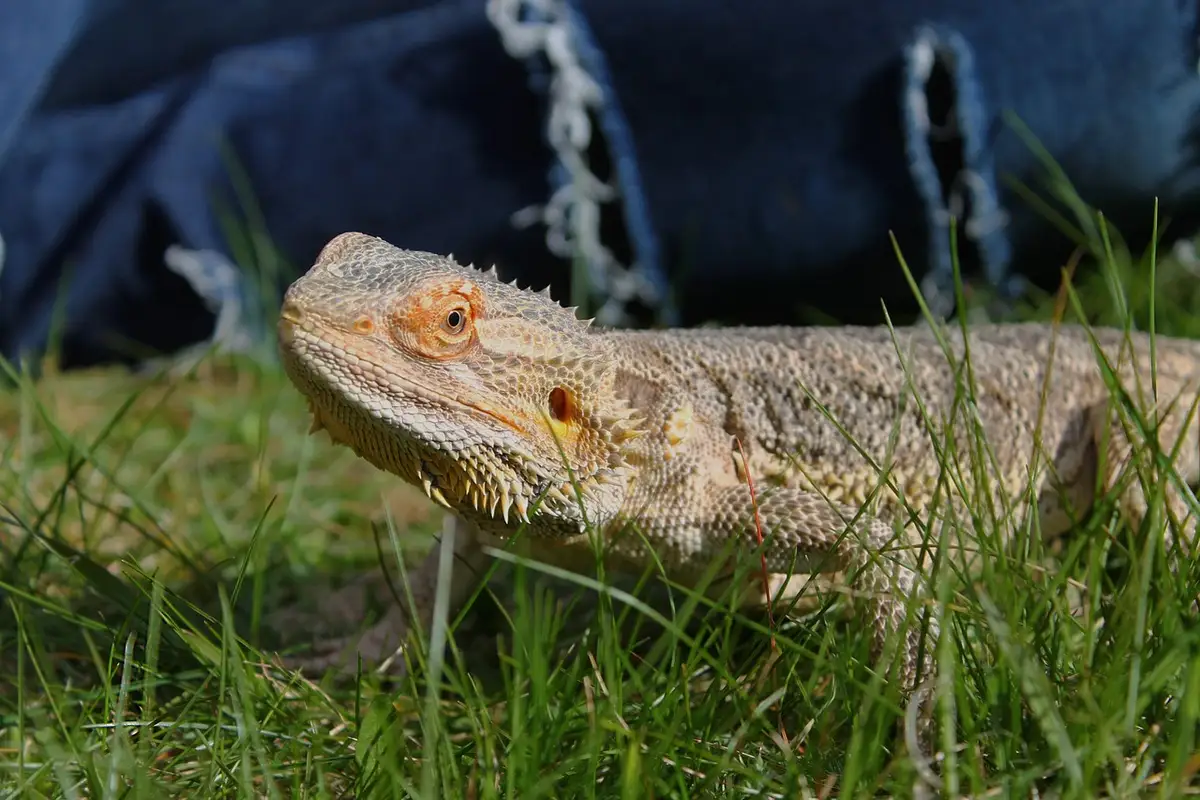
Knowing your dragon’s exact size helps you track their health. I measure my crew every two weeks. It’s a simple routine that gives you peace of mind.
Step-by-Step Measuring Guide
- Gather your tools: a soft fabric tape measure and a small digital kitchen scale.
- Place a small, empty container on the scale and press “Tare” to zero it out.
- Gently place your bearded dragon inside the container to get their weight.
- For length, encourage your dragon to walk in a straight line on a flat surface.
- Lay the soft tape measure from the tip of their snout to the very end of their tail.
Always support their entire body when handling them, and keep sessions short to minimize stress. A calm dragon is much easier to measure accurately.
Estimating Age Based on Size
- Under 3 inches: Likely a newborn (0-1 month).
- 5 to 9 inches: Probably a juvenile (2-3 months).
- 11 to 16 inches: Could be a sub-adult (4-7 months).
- 16 to 24 inches: Typically an adult (8+ months).
This is just a rough guide. Genetics, diet, and overall care cause huge variations, so your dragon might not fit these numbers perfectly. I’ve had a dragon who was small for his age but was perfectly healthy and just a late bloomer.
Common Bearded Dragon Growth Issues and Fixes
Sometimes growth doesn’t go as planned. Spotting these issues early is the key to getting your pet back on track.
- Stunted Growth: The dragon is significantly smaller than average for its age.
- Overweight Dragon: A bloated belly, fat pads on the head that bulge, and difficulty moving.
- Uneven Development: The body looks disproportionate, like a large head on a thin body.
Fixing these problems almost always comes down to three areas: diet, lighting, and habitat. Check that your UVB bulb is less than a year old and that basking temperatures are correct. Review their diet to ensure proper insect and vegetable ratios.
I once took in a rescue, a little guy I named Pebble. He was half the size he should have been. We worked together for months, focusing on a nutrient-packed diet and perfecting his habitat, and watching him finally catch up was one of the most rewarding experiences of my life.
Diet and Nutrition for Optimal Growth
Food is fuel for growth. What and how much you feed changes dramatically as your dragon ages.
- Babies (0-4 months): Offer live insects 3-5 times a day, as many as they can eat in 10-15 minutes. Veggies should be available daily.
- Juveniles (5-12 months): Feed insects 2-3 times daily. Increase the portion of salad in their diet.
- Adults (12+ months): Diet shifts to about 80% fresh salads and 20% insects, fed over 1-2 meals per day.
Every single insect feeding should be dusted with a calcium powder supplement. I also use a multivitamin powder a couple of times a week. Proper calcium and Vitamin D3 are non-negotiable for building strong bones and preventing a debilitating condition called Metabolic Bone Disease.
Environmental Factors Affecting Size
Your dragon’s home is their world. If that world isn’t right, their body can’t grow properly.
- Enclosure Size: A tank that’s too small stresses them and restricts movement. A 120-gallon tank is the recommended minimum for an adult.
- Temperature Gradients: Your dragon needs a hot basking spot (around 95-110°F) and a cooler side (around 80°F) to properly digest food and regulate their metabolism.
- UVB Exposure: This is as critical as food. A strong, tube-style UVB light allows them to synthesize Vitamin D3, which is needed to absorb calcium from their diet.
Investing in a proper setup from the start is the best preventative medicine you can provide. I’ve seen the heartbreaking effects of poor habitat firsthand, and it’s a struggle no animal should have to endure. A correct environment lets them thrive, not just survive.
When to Seek Veterinary Care for Growth Concerns
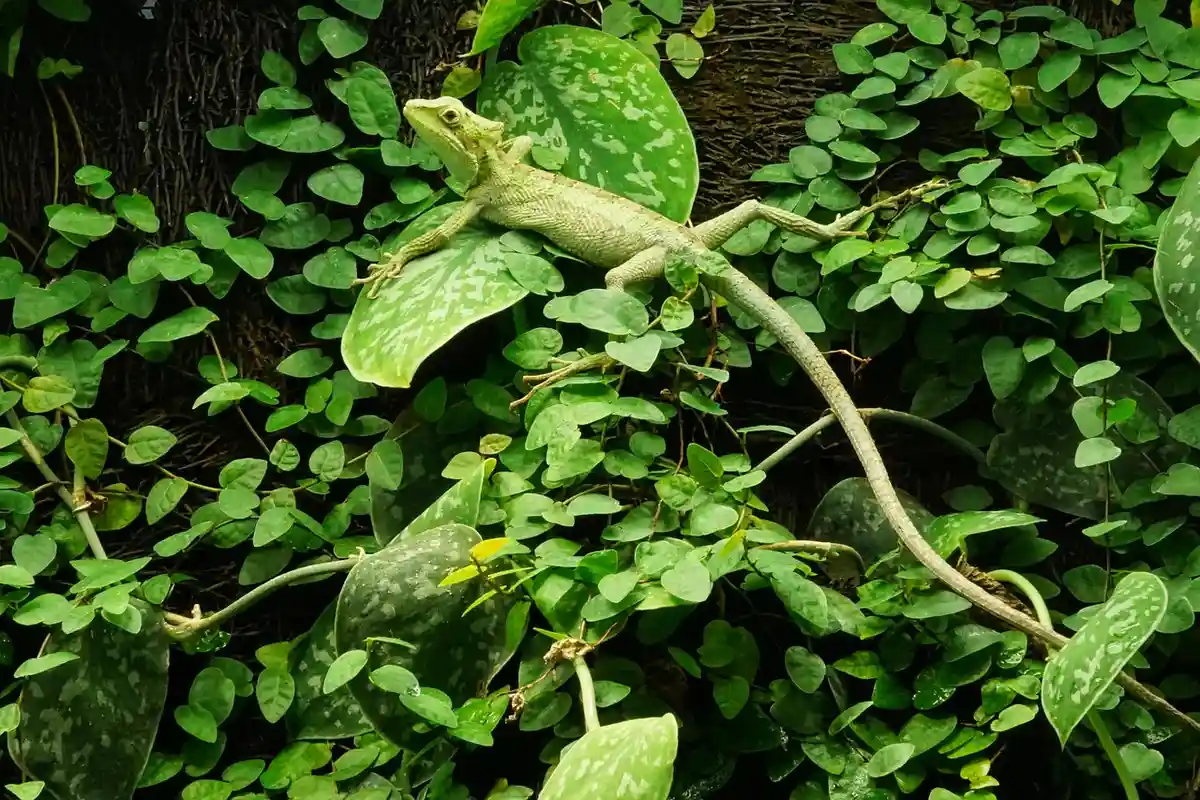
Watching your bearded dragon grow is one of the most rewarding parts of being a pet parent. But sometimes, growth doesn’t go according to plan. Trust your gut-if something feels off with your dragon’s size or development, it probably is. From my own experience, catching an issue early makes all the difference. If your dragon’s growth seems stalled, it’s worth exploring common causes of stunted growth and how to fix them. With the right care, you can help your bearded dragon reach its full potential.
Here are the major red flags that should prompt a call to your reptile vet:
- No noticeable growth or weight gain for two to three months.
- Actual weight loss or a visibly thinner body and tail.
- Obvious deformities in the limbs, jaw, or spine.
- Consistently low energy levels and a lack of appetite.
- Swollen joints or difficulty moving around the enclosure.
Before you head to the vet, there are a few things you can do to help pinpoint the problem. Gathering this information will make your vet visit much more productive.
- Review your feeding logs: What insects, greens, and supplements have you been offering?
- Check your habitat logs: Are your basking spot and cool side temperatures correct? When was the last time you changed your UVB bulb?
- Note any behavioral changes: Is your dragon hiding more, glass surfing, or acting lethargic?
I can’t stress enough how valuable regular check-ups are. An annual wellness exam isn’t just for sick dragons; it’s a proactive tool for catching hidden health issues. A vet can spot subtle signs of metabolic bone disease or parasites long before they cause a major growth stall. Think of it as preventative maintenance for your scaly friend.
Promoting Healthy Bearded Dragon Growth
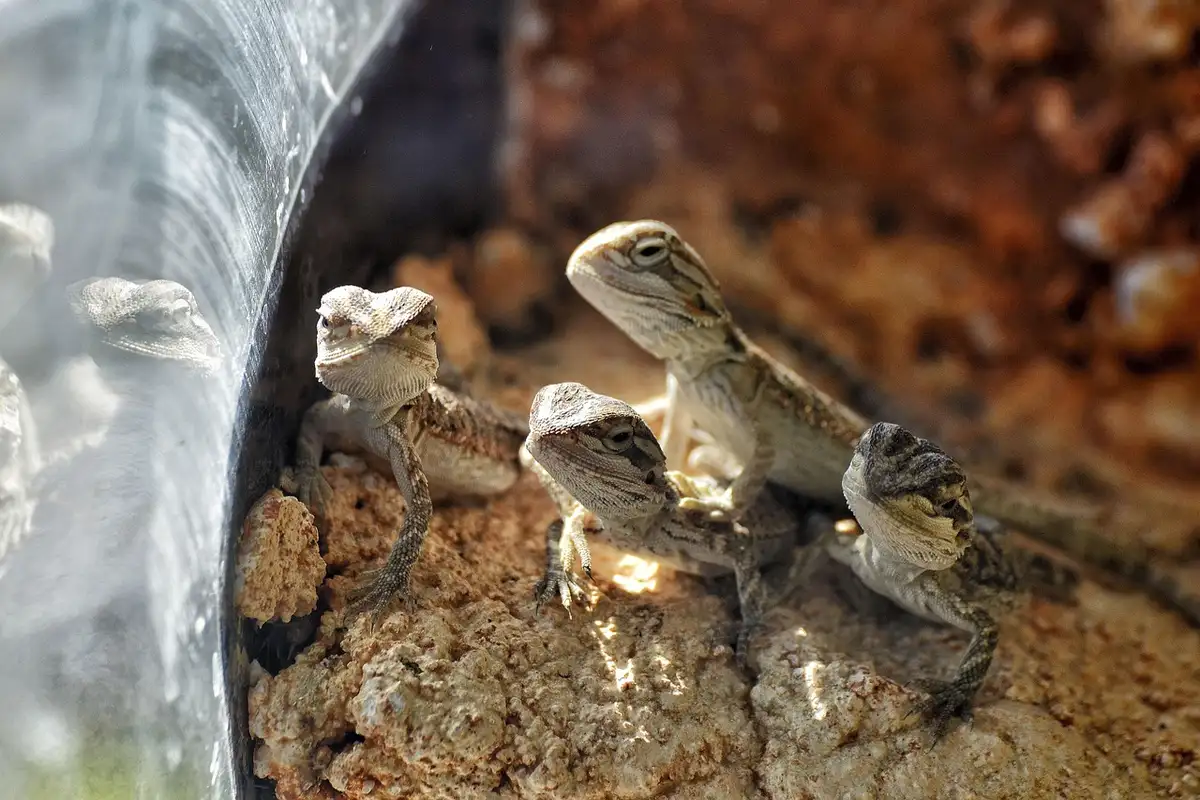
A thriving bearded dragon is the product of consistent, quality care. It’s not about one magic trick, but about getting all the fundamentals right, day in and day out. Healthy growth is built on a solid foundation of proper nutrition, lighting, and a stress-free home. To put those basics into action, many keepers rely on a thrive complete care checklist. It outlines daily, weekly, and monthly tasks to ensure your dragon thrives rather than just survives.
Let’s break down the core practices that directly support steady, healthy development.
- Balanced Diet: Offer a variety of gut-loaded insects and fresh, leafy greens appropriate for your dragon’s life stage. Always dust food with the right calcium and vitamin supplements.
- Correct Lighting: Provide a high-output UVB tube light that spans half the enclosure and is replaced every 6-12 months. This is non-negotiable for calcium absorption and metabolism.
- Stress Reduction: Maintain a consistent day/night cycle, provide plenty of hiding spots, and handle your dragon gently and confidently to build trust.
Consistency is what turns these practices into results. Here is a simple routine to keep your dragon on track.
Daily Routines
- Offer fresh greens and vegetables.
- Provide fresh, clean water.
- Feed live insects appropriate to their age.
- Spot clean any waste from the enclosure.
- Observe their behavior and appetite during feeding time.
Weekly Routines
- Deep clean the entire habitat.
- Weigh your dragon to track growth trends.
- Give a thorough soak in shallow, warm water for hydration.
- Check and record basking and ambient temperatures with a reliable thermometer.
My final piece of advice is to embrace patience. Reptile care is a marathon, not a sprint, and growth happens on their schedule, not ours. I’ve raised dragons that were slow to start but eventually hit every milestone. Your steady, loving care is the most powerful tool you have. Stay consistent, stay observant, and enjoy the incredible journey of watching your tiny hatchling become a magnificent, full-grown beardie. From day one, gentle handling helps build trust as your beardie grows from baby to adult. With patience, you can bond with your bearded dragon from baby to adult through consistent, positive interactions.
Frequently Asked Questions
How often should I feed my bearded dragon for optimal growth?
Feeding frequency changes with age; babies need 2-3 insect feedings daily, juveniles 1-2 times, and adults primarily require daily salads with insects only a few times a week. This schedule ensures they get the necessary protein for growth without overfeeding as they mature.
When should I replace my bearded dragon’s UVB light?
UVB bulbs should be replaced every 6 to 12 months, as their output diminishes over time even if the bulb still appears lit. Consistent, high-quality UVB exposure is critical for calcium absorption and preventing metabolic bone disease.
Can handling my bearded dragon too much stunt its growth?
Excessive or stressful handling can impact appetite and overall well-being, which may indirectly affect growth. It’s best to keep handling sessions short, gentle, and infrequent, especially for young dragons who are still acclimating to their environment.
Final Thoughts
Seeing your bearded dragon grow from a tiny hatchling to a magnificent adult is one of the most rewarding parts of being a reptile keeper. Remember that the numbers in this guide are averages, and your dragon’s individual journey is what truly matters. Typically, bearded dragons grow from hatchling to adult in about 12–18 months, though some individuals may take up to 2–3 years to fully mature. With consistent care, you’ll see steady progress toward that adult form. Focus on providing excellent nutrition, proper heat, and a spacious home, and their growth will follow its own healthy path.
In my years of caring for these wonderful creatures, I’ve learned that consistent, attentive care is the real secret to a thriving dragon. Don’t get too hung up on the scale; instead, let their bright eyes, energetic behavior, and healthy appetite be your ultimate guide to their well-being.
Further Reading & Sources
- Understanding Bearded Dragon Size and Growth – Talis Us
- How Big Do Bearded Dragons Get? – Dragon’s Diet
- Bearded Dragon Growth Charts – Dachiu Bearded Dragons
Bearded Dragon Lair is the ultimate resource for bearded dragon enthusiasts, offering expert advice and practical tips to ensure the health and happiness of your scaly companion. With years of experience in reptile care, we are dedicated to providing accurate, up-to-date information to support your bearded dragon journey.
Hatchling Care