How Fast Do Bearded Dragons Grow and Run? (Growth Rate & Speed Explained)
If you’re watching your bearded dragon and wondering just how quickly they’re growing or how fast they can actually move, you’re asking the right questions.
I’ve raised many bearded dragons myself, and I’m here to give you the clear, experienced answers you need for their proper care.
We’ll explore their incredible growth journey from hatchling to adult and break down exactly how their surprising speed works in your home.
Understanding Bearded Dragon Growth Rate
When we talk about a bearded dragon’s growth rate, we’re really tracking two things: their length and their weight. The most accurate way to measure their length is by using something called Snout-to-Vent Length (SVL), which is the distance from the tip of their nose to the opening of their vent (their cloaca). This gives you the true body length, excluding the tail, which can vary a lot. Watching their weight on a small gram scale is just as important for a full picture of their development. Understanding how these measurements map to bearded dragon size growth patterns can help you anticipate milestones as they mature. Growth often accelerates in juveniles and slows as they approach adulthood.
Keeping a close eye on this growth is one of the most fundamental parts of being a good owner. A steady, consistent growth rate is the single best indicator that your care-their diet, lighting, and habitat-is spot on. When I first got my dragon, Atlas, I tracked his weight every week. This habit helped me catch a slight slowdown early, which turned out to be a simple fix with his UVB bulb. It’s a non-negotiable part of proactive, compassionate pet care.
The pace of growth is absolutely explosive when they’re young. Juveniles are like little eating machines, packing on size and weight at a rate that slows to a near crawl once they hit adulthood. An adult dragon over 18 months old might not grow in length at all, with changes mostly related to muscle tone or seasonal weight fluctuations.
Bearded Dragon Growth Timeline by Age
Hatchling to Juvenile Growth Milestones
From the moment they hatch, these little guys are on a mission to get bigger. The first six months of a bearded dragon’s life are a period of incredibly rapid development, where they can grow over an inch per month. If you’re wondering how big your bearded dragon should be by month, a simple growth guide can map those milestones. It helps you tailor feeding and care as Atlas grows. They start out so tiny and fragile, but you can almost watch them grow day by day with proper feeding. I remember being stunned by how quickly Atlas outgrew his first small hide.
Here is a simple chart to give you a general idea of what to expect. Remember, every dragon is an individual, so use this as a guide, not a strict rulebook.
| Age | Average Size (SVL) | Average Weight |
|---|---|---|
| 0-1 Month (Hatchling) | 3 – 4 inches | 4 – 6 grams |
| 2-3 Months | 5 – 9 inches | 8 – 40 grams |
| 4-6 Months (Juvenile) | 8 – 13 inches | 60 – 250 grams |
Young Adult to Adult Size Development
After the six-month mark, the growth rate begins to taper off significantly. Between 6 and 12 months, your dragon transitions from a juvenile into a young adult, filling out and reaching most of their final length. They’ll continue to build muscle and may gain a bit more size, but the dramatic, rapid growth is behind them. This is when their personality really seems to solidify, too. When shopping at pet stores, you’ll often see dragons labeled as ‘adult’ or ‘juvenile’—but true adulthood depends on age and development, not the label. Understanding these lifecycle stages helps you anticipate future care as your dragon ages.
This is also the stage where sex plays a major role in their final size. Male bearded dragons are typically larger, bulkier, and have bigger heads than their female counterparts, often by an inch or two in total length. A robust male might reach 22-24 inches, while a healthy female often tops out around 18-20 inches. Knowing this helps you set realistic expectations and ensures you aren’t worried about a smaller, but perfectly healthy, female dragon. These size differences between the sexes often come with variations in temperament and care needs between the sexes. Tailoring your enclosure, handling, and feeding to whether you have a male or female helps you keep each dragon healthy and confident.
Key Factors Influencing Growth Pace
Diet and Nutrition for Optimal Growth
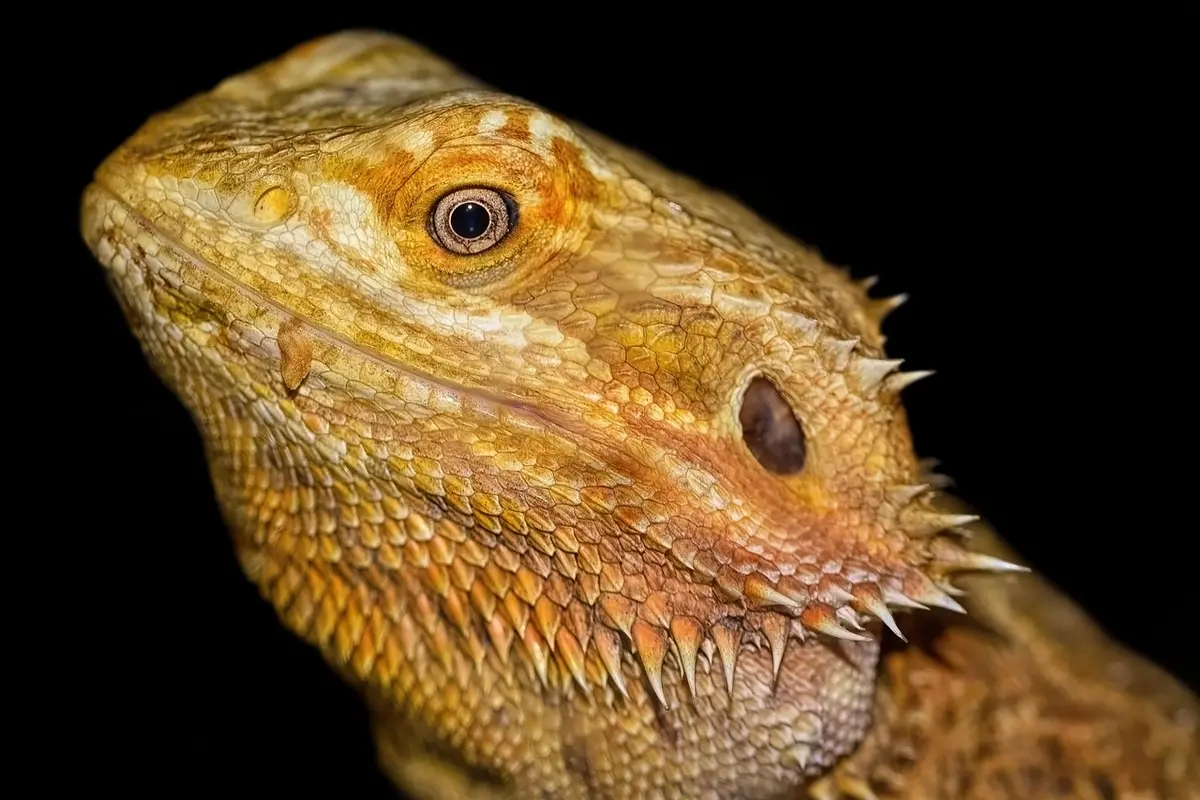
What you feed your bearded dragon is the single biggest factor you control for their growth. I’ve raised many dragons from tiny hatchlings, and the difference a proper diet makes is astonishing. A balanced diet directly builds the framework for a strong, healthy, and sizable dragon. If you’re wondering whether to feed your bearded dragon daily, a complete feeding guide can help you plan daily portions and ensure the right balance of insects, greens, and supplements.
- Protein Intake: Growing juveniles are absolute insect vacuums, needing live feeders like dubia roaches and crickets 2-3 times daily. This high protein fuels their rapid initial growth spurt.
- Calcium Intake: Without proper calcium, their bones can’t keep up with their growth. I always dust insects with a high-quality calcium powder (with D3) at almost every feeding for babies.
- Caloric Intake: The sheer volume of food a juvenile can consume is impressive. They need this constant energy to sustain their incredible growth rate, which can slow dramatically if they aren’t eating enough.
- Hydration: Many dragons won’t drink from a water bowl. I provide hydration through daily soaks in shallow warm water and by offering water-rich greens like bell peppers and zucchini.
Their diet undergoes a major flip as they mature. By the time they reach adulthood, their diet should be roughly 80% fresh vegetables and 20% protein. This shift is natural and prevents obesity in your full-grown pet.
Environmental and Husbandry Factors
You can offer the best food in the world, but if their home isn’t set up correctly, your dragon simply won’t thrive. Their environment is their entire world, and it dictates their metabolism. Proper heat and light are non-negotiable for converting food into growth.
- Basking Temperature: A basking spot of 95-110°F is essential. This heat allows them to properly digest their food. If it’s too cool, their digestion stalls, and nutrients aren’t absorbed.
- UVB Lighting: This is as critical as food. UVB light enables them to synthesize vitamin D3, which is required to use that calcium you’re feeding them. No UVB means metabolic bone disease, stunting growth and causing severe deformities.
- Enclosure Temperature: The overall tank needs a proper heat gradient, from the hot basking spot down to a cooler side around 80°F. This lets them self-regulate their body temperature, which keeps their systems running smoothly for optimal growth.
I learned this the hard way with my first dragon. An inconsistent or incorrect setup doesn’t just slow growth; it can permanently impact their long-term health and size.
How Fast Can Bearded Dragons Run?
Bearded Dragon Sprint Speed and Behavior
For an animal that spends most of its day basking motionless, a bearded dragon’s burst of speed can be genuinely shocking. When they decide to move, they can really go. A healthy adult bearded dragon can hit a top speed of around 9 miles per hour in a short sprint. If your dragon is typically active but seems less inclined to move, start by checking basking temperature and enrichment to encourage activity. If concerns persist, consult a reptile veterinarian.
You’ll most often see this lightning-fast dash when they feel threatened and are trying to escape a perceived predator. It’s a stark contrast to their usual, almost comically slow, deliberate walking pace. This sprint is a survival instinct, reserved for moments of high stress or when chasing down a particularly fast-moving insect.
What Influences Their Running Ability
Not every dragon is a track star. Their running ability is a great indicator of their overall well-being. A dragon that is lethargic and slow may be trying to tell you something is wrong. A dragon’s speed is directly linked to its physical health, body weight, and muscle condition.
- Health: An underweight dragon will lack energy, while an obese one will be too heavy to run effectively. Parasites or illness will also zap their strength and speed.
- Age: Juveniles and young adults are typically the most agile and fastest. As they enter their senior years, you’ll notice a natural slowdown in their movements and top speed.
- Environmental Stimuli: A sudden loud noise or a shadow passing over the tank can trigger a sprint. In a safe, calm environment, you may rarely see them run at all.
From my observations, a spry, fast-moving juvenile is a healthy one. Watching how your dragon moves can give you invaluable insight into their comfort and physical state.
Monitoring Your Dragon’s Growth and Health
Tools and Methods for Tracking Growth
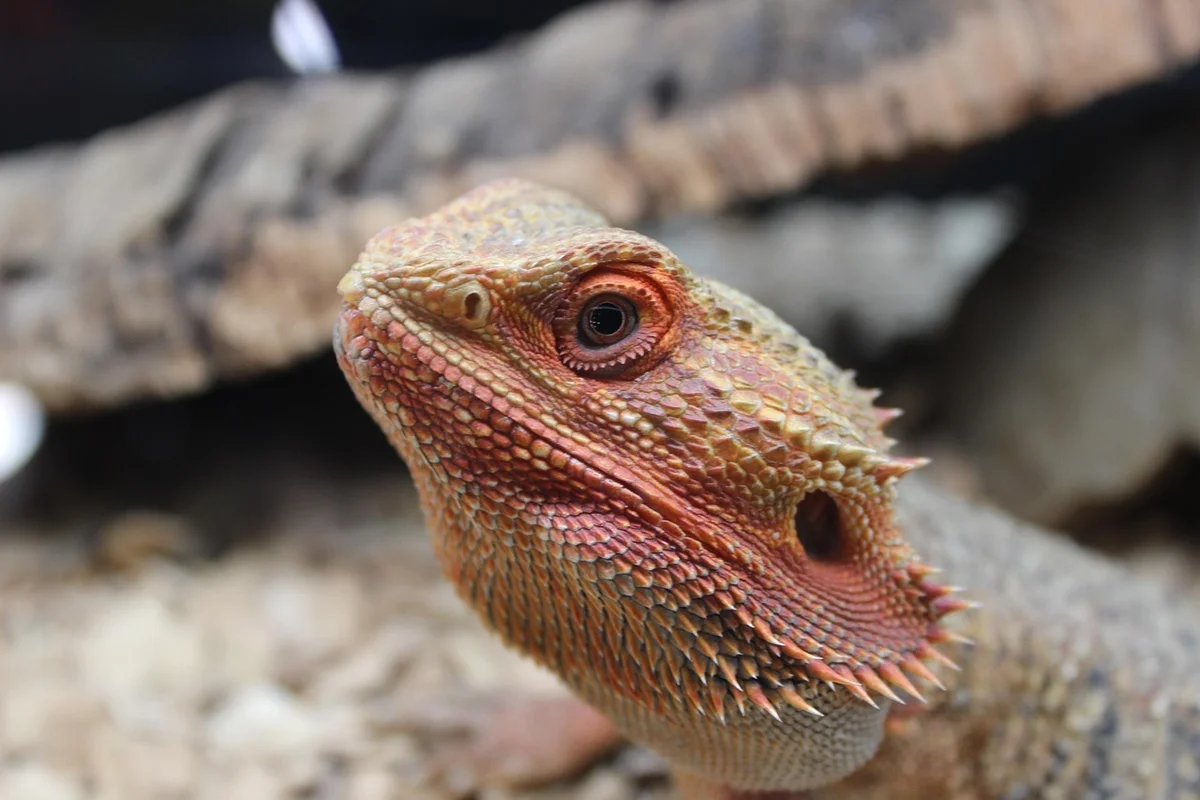
Keeping a simple growth chart was a game-changer for me. I track my dragons about every two weeks when they’re young, slowing to once a month as they approach adulthood.
- For weight, use a small digital kitchen scale. Place a small, empty container on it, zero it out (tare it), then gently place your dragon inside.
- For length, a soft tailor’s measuring tape works best. Gently stretch it from the tip of their nose to the end of their tail. You can also mark their length on a piece of paper against the glass of their tank.
- Take a photo from the same angle each time. Seeing their body condition change over months is incredibly helpful.
Recognizing a healthy growth rate is about steady, consistent gains, not necessarily being the biggest dragon on the block. You want a plump tail base and a well-filled body without visible hip bones or ribs. Stunted growth often shows as a thin body, a skinny tail, and a head that looks too large for their body.
Adjusting Care Based on Growth Changes
Your dragon’s needs evolve dramatically as they grow. What worked for a baby won’t suffice for a juvenile or adult.
- Diet: Babies are like teenagers, needing a diet of about 80% live insects and 20% greens. As they grow, flip that ratio. An adult’s diet should be 80% fresh vegetables and 20% insects to prevent obesity.
- Lighting: That UVB bulb that was perfect when your dragon was 6 inches away from it becomes ineffective when they are 12 inches away. Follow the manufacturer’s distance guidelines and replace the bulb every 6 months, even if it still lights up.
- Space: A 40-gallon tank might be fine for a baby, but an adult needs a 120-gallon enclosure. They need room to run, thermoregulate, and exhibit natural behaviors.
The best way to prevent both obesity and malnutrition is to pay close attention to their body shape and adjust their food intake accordingly. A fat dragon is not a healthy dragon, and it puts immense strain on their organs. In my bearded dragon overweight underweight visual guide, you’ll find clear reference images to compare your dragon’s body shape. This helps you catch weight changes early and adjust care as needed.
Troubleshooting Growth and Speed Issues
Common Reasons for Slow Growth
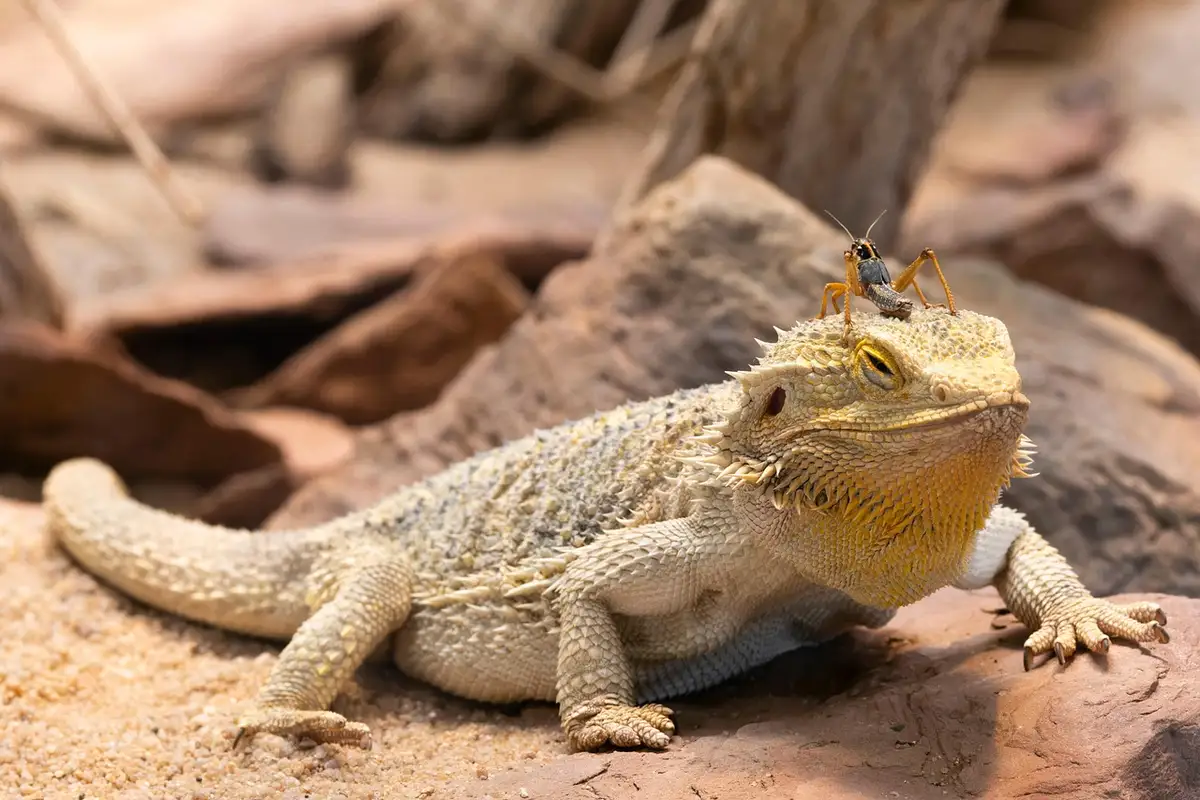
If your dragon’s growth seems to have hit a wall, a few key areas are usually to blame. I’ve had to troubleshoot this myself with a rescue dragon.
- Improper UVB Lighting: This is the number one culprit. Without proper UVB, they cannot metabolize calcium, which is fundamental for bone growth.
- Incorrect Temperatures: Bearded dragons need heat to digest their food. If their basking spot isn’t hot enough (95-110°F for babies/juveniles), they can’t process nutrients for growth.
- Parasites: An internal parasite load will steal all the nutrients from their food, leaving your dragon skinny and lethargic.
- Inadequate Diet: This includes both not enough food and the wrong kind of food. Feeding only lettuce, for example, offers no real nutritional value.
- Genetics and Stress: Some dragons are just naturally smaller. Chronic stress from an insecure environment or an overly active household can also suppress growth.
Solutions start with a full habitat review: double-check your temperatures with a digital thermometer, confirm your UVB setup, and offer a varied, gut-loaded insect diet. If basics are correct, a vet visit for a fecal test is the logical next step.
When to Seek Veterinary Help
As a pet advocate, I believe it’s always better to be safe and get a professional opinion. You are your dragon’s voice.
- You see a sudden, dramatic weight loss or a complete lack of appetite for more than a few days.
- Their feces are consistently runny, bloody, or have a strangely foul odor.
- They are lethargic and lack their usual running speed or alertness for an extended period.
- You notice visible bone deformities, a soft or rubbery jaw (a sign of Metabolic Bone Disease), or persistent swelling in any limbs.
- They have not shed in a very long time, or patches of shed seem stuck and won’t come off.
Early intervention for any health issue dramatically improves the outcome and reduces suffering for your animal. Don’t wait until your dragon is critically ill. A qualified reptile vet can provide a diagnosis and treatment plan that online advice simply cannot.
Frequently Asked Questions
How can I encourage my bearded dragon to be more active and run?
Provide a spacious enclosure with enrichment like branches and hides to stimulate natural behaviors, and offer regular, supervised time outside the tank to promote exploration and exercise. Ensuring proper temperatures and a varied diet can also boost their energy levels and motivation to move.
What is the average lifespan of a bearded dragon and how does growth relate to it?
Bearded dragons typically live 8-12 years with proper care, and consistent, healthy growth during their first year helps establish a strong foundation for longevity. From hatchling to adult, most bearded dragons reach full size within about 12-18 months. Once they reach adulthood, growth slows naturally, and maintaining a balanced diet and ideal habitat supports their overall health and lifespan.
Are there any supplements I should use to support healthy growth and energy?
In addition to calcium with D3, a reptile-specific multivitamin supplement can provide essential nutrients like vitamins A and E, which support growth, immune function, and energy levels. Bearded dragons typically rely on a calcium with D3 supplement as part of their vitamin plan, paired with a reptile multivitamin as needed. A simple bearded dragon vitamins guide can help you decide when to use calcium D3 and multivitamins, and how often to administer them. Always follow product guidelines to prevent over-supplementation and consult a vet for personalized advice.
Final Thoughts
Watching a bearded dragon grow from a tiny hatchling into a majestic adult is one of the most rewarding parts of being an owner. Their rapid growth in the first year is a direct reflection of the quality of care you provide, from a nutritious diet to proper habitat setup. It’s a journey I’ve loved with every one of my dragons. If you’re new to bearded dragons, this bearded dragon complete beginners guide will walk you through the basics. You’ll learn how to set up the enclosure, feed a balanced diet, and keep your dragon healthy.
And while their running speed might surprise you, it’s a natural behavior that reminds us of their wild instincts. Providing a safe, enriching space for them to occasionally sprint is a simple way to honor their nature and support their wellbeing. Enjoy every stage of their incredible growth and unique personality.
Further Reading & Sources
- Bearded Dragon Growth – From Hatchling to Adult
- How Big Do Bearded Dragons Get? (Size & Growth Charts)
- Bearded Dragon Growth Rate and Age Estimate
Bearded Dragon Lair is the ultimate resource for bearded dragon enthusiasts, offering expert advice and practical tips to ensure the health and happiness of your scaly companion. With years of experience in reptile care, we are dedicated to providing accurate, up-to-date information to support your bearded dragon journey.
Hatchling Care