Why Is My Bearded Dragon Less Active and Eating Less in Winter?
Published on: February 25, 2026 | Last Updated: February 25, 2026
Written By: Beardie Joe
If your bearded dragon has suddenly become a lazy, picky eater as the weather cools, you’re likely feeling a mix of confusion and concern.
I’ve cared for multiple beardies for years and have guided many reptile owners through this exact seasonal shift.
In this article, we’ll cover the natural behavior called brumation, how to tell if it’s sickness versus seasonal, and my essential care tips to keep your dragon safe.
Is It Brumation or Something Else?
Seeing your dragon slow down can be worrying. I’ve been there, watching my boy Klaus and wondering if he was sick or just being a normal reptile. The key is learning to spot the difference between brumation and illness. Brumation is a natural, healthy slowdown, while sickness often comes with other troubling signs.
Signs of Healthy Brumation
When a bearded dragon brumates, they are essentially hibernating. Their body is designed for this. Brumation is a natural process for many bearded dragons and isn’t necessarily a sign of illness. However, if brumation lasts too long or you notice other warning signs, consult a vet. Here’s what a normal brumation looks like:
- Sleeping for long periods, sometimes days or weeks at a time.
- A significant decrease in appetite or a complete stop in eating.
- Preferring to stay in one hide or a cool, dark part of the enclosure.
- General lethargy and less interest in interaction.
My dragon Klaus will often burrow into the corner of his hide and not move for days. It’s a deep, restful sleep. A brumating dragon will still appear alert and hold its weight when it is briefly awake.
Red Flags That It Might Be Sickness
You know your pet best. Trust your gut. If you see any of these signs, it’s likely not brumation.
- Weight loss that is rapid or severe. You’ll see a sunken fat pads on their head and a thinner tail.
- Lethargy that seems weak or limp, not just sleepy.
- Visible signs of illness like mucus around the nose or mouth, sunken eyes, or labored breathing.
- Runny, unusually smelly, or discolored stools.
- Blackbearding for extended periods, which can indicate stress or pain.
If you notice any combination of these symptoms, a visit to a qualified reptile vet is your best and kindest course of action. It’s always better to be safe and get them checked.
| Brumation (Normal) | Potential Illness |
|---|---|
| Sleeps deeply but is alert when awake | Consistently lethargic, weak, or unresponsive |
| Eats little to nothing but maintains body weight | Loses weight rapidly; body looks thin or sunken |
| No other physical symptoms | Shows symptoms like mucus, labored breathing, or abnormal feces |
Optimizing Your Dragon’s Winter Environment
Whether your dragon is brumating or just feeling the winter blues, their habitat needs can shift. Night temperatures can drop and feel too cold for them. Keep the tank warm enough with a thermostat and safe heat source. Creating a consistent and supportive environment is the most caring thing you can do for them during this time.
Fine-Tuning Temperature and Lighting
Even during brumation, their basic needs don’t vanish. I make a few key adjustments to Klaus’s setup.
- Maintain the Basking Spot: Keep the basking area at the usual temperature (around 95-110°F for adults). They may not use it much, but it must be available when they need to warm up.
- Allow a Cool Zone: The cool side of the tank can drop into the 70s (°F). This temperature gradient is vital so they can self-regulate.
- Stick to the Light Schedule: Continue providing 10-12 hours of UVB and white light daily. This maintains their circadian rhythm. Do not turn the lights off for weeks on end.
A stable day/night cycle tells their body what season it is and prevents unnecessary stress.
Supporting a Healthy Slowdown
Your daily routine should adapt to their lower energy levels.
- Hydration is Key: Offer water regularly. Gently mist their nose with water or offer a shallow bath once a week to encourage drinking. Dehydration is a real risk.
- Skip the Food Pressuring: Do not try to force-feed a brumating dragon. This can cause food to rot in their gut, leading to serious impaction.
- Provide a Cozy Hide: Ensure they have a comfortable, enclosed hide on the cool side of the tank where they can feel secure and sleep undisturbed.
From my experience, the less you fuss over a brumating dragon, the better. Your role shifts from active feeder to a quiet, observant guardian. You’re providing the safety net while their body does what it knows how to do.
Spotting the Red Flags: When It’s Not Just Winter
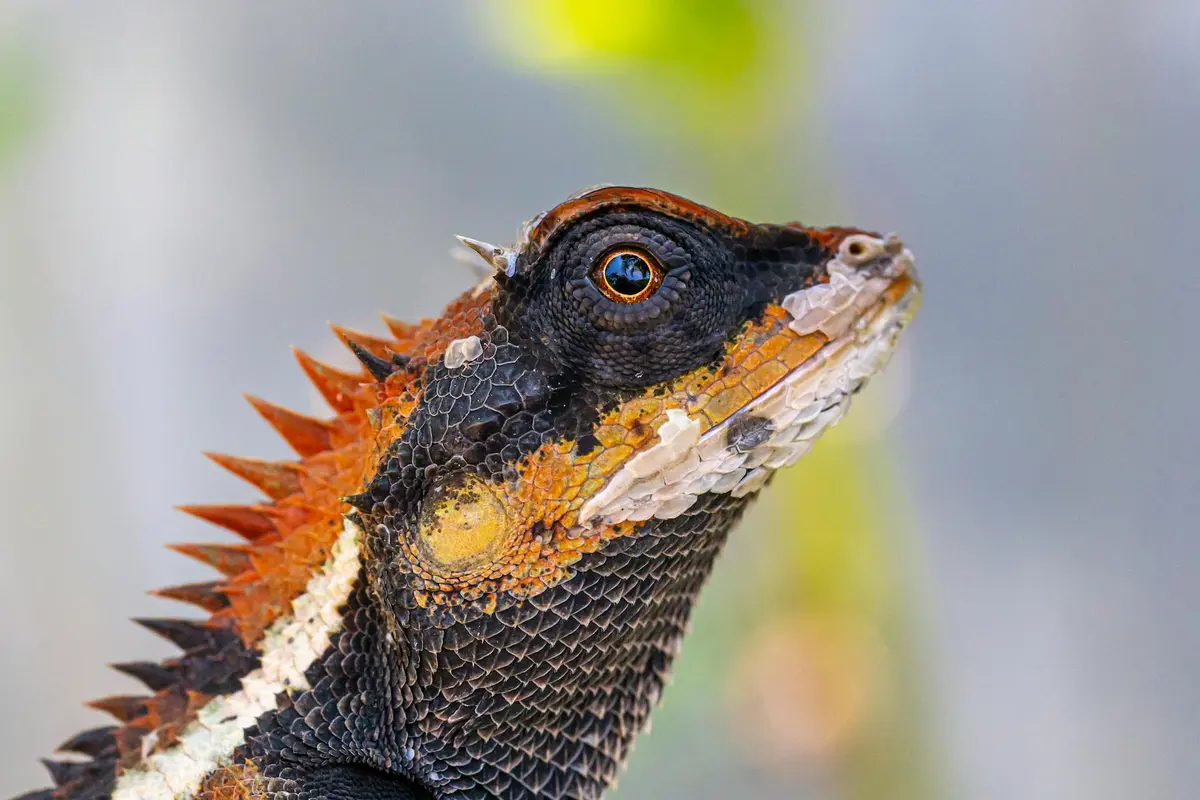
I’ve had bearded dragons for over a decade, and I know that winter slowdown can feel unsettling. Your dragon might sleep more and eat less, which is often normal brumation behavior. But sometimes, what looks like seasonal laziness is a cry for help. For many keepers, the big questions are when bearded dragons brumate and what the seasonal timing looks like. We’ll cover common questions and signs to watch for. Trust your gut-if something feels off, it probably is.
Watch for these warning signs that suggest a health issue, not just winter rest:
- Rapid weight loss or a visibly sunken belly
- Lethargy so extreme they don’t move for days, even when handled
- Discharge from the eyes, nose, or mouth
- Swollen joints or limbs, or difficulty moving
- Abnormal, runny, or bloody feces
- Black bearding that lasts for hours, indicating stress or pain
In my own experience, one of my dragons, Spike, once seemed extra sluggish. I thought it was just the cold, but he had a respiratory infection. Catching illness early can make all the difference for their recovery and comfort.
When to Call the Vet
If you notice any red flags, don’t wait. Reptiles hide illness well, so changes are a big deal. Always err on the side of caution and consult a reptile-savvy veterinarian. I make it a habit to weigh my dragons weekly in winter-it helps me spot subtle changes before they become emergencies.
Practical Winter Care and Feeding Adjustments
Caring for a bearded dragon in winter is about tuning into their natural rhythms. I adjust my routine to support their lower energy levels without compromising their health. Small changes in their environment and diet can keep them safe and comfortable through the colder months. Understanding when temperatures dip too cold is essential, as outlined in a bearded dragon critical temperature guide. It helps me decide when to heat the enclosure, adjust basking opportunities, or provide a warmer retreat.
Feeding Adjustments for Winter
Your dragon’s appetite will drop, and that’s okay. Force-feeding can cause stress. Instead, focus on quality over quantity.
- Offer smaller, more digestible meals like soft greens and finely chopped veggies
- Reduce high-protein insects to once or twice a week
- Always gut-load insects and dust with calcium-nutrition is key even when they eat less
- Provide fresh water daily; some dragons will drink from a shallow dish or dropper
I’ve found that offering food in the late morning, when they’re most likely to be alert, increases the chance they’ll take a bite. Patience is your best friend during feeding time in winter.
Habitat and Environmental Tweaks
Your dragon’s tank needs to mirror the subtle shifts of winter. Here’s how I set up my enclosures:
- Check basking spot temperatures daily-aim for 95-100°F, but don’t be surprised if they use it less
- Ensure the cool side stays around 75-80°F to prevent chilling
- Reduce UVB and heat lamp hours gradually to simulate shorter days; I use a timer for consistency
- Provide cozy hiding spots so they can retreat and feel secure
I once forgot to adjust my timer, and my dragon, Ember, became restless. Consistency in light and heat reduces stress and supports their natural cycle.
Handling and Interaction
Your dragon might not want to be handled as much. Respect their space. Short, gentle interactions are better than long sessions. Observing from a distance can tell you a lot about their well-being without disturbing their rest.
Caring for Dragons That Don’t Brumate
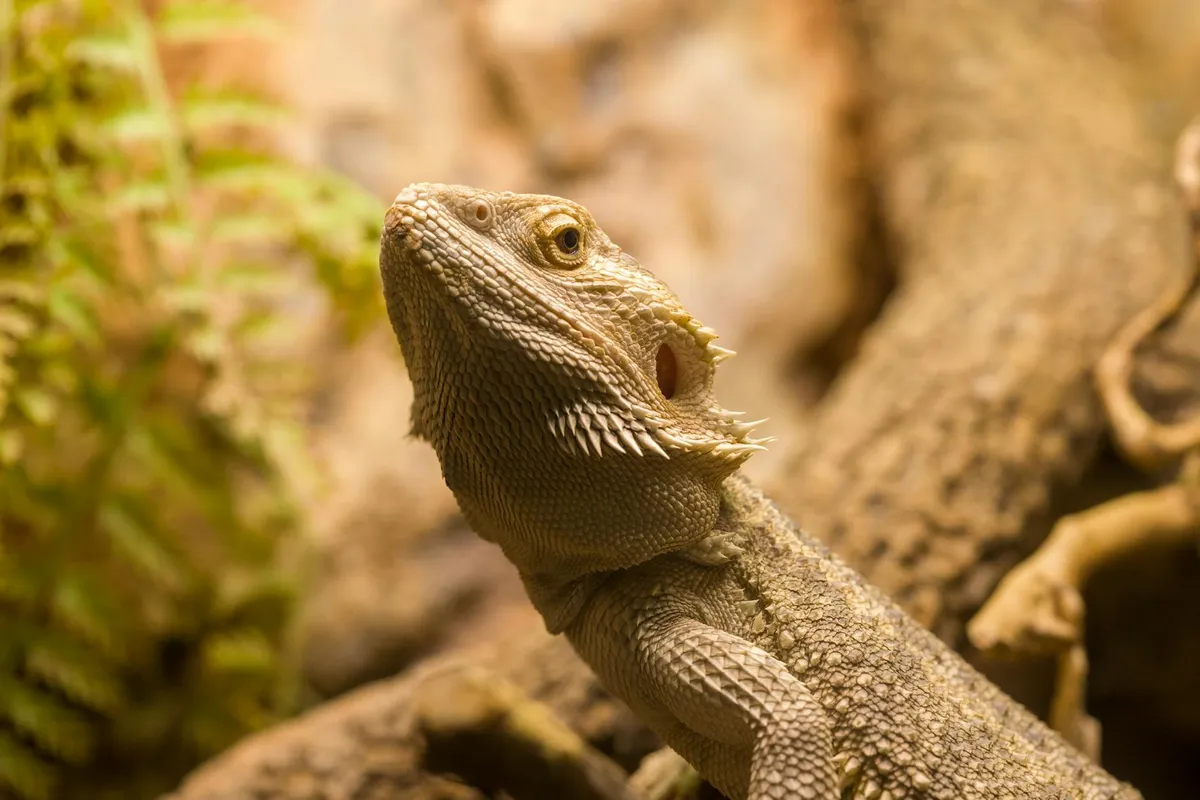
Not every bearded dragon reads the brumation handbook. Many of my own dragons have shown only subtle winter slowdowns, which requires a different care strategy than full brumation. Your dragon might just be feeling the seasonal blues, not a deep hibernation instinct.
Why Some Dragons Just Slow Down
A partial slowdown is different from true brumation. Think of it as your dragon choosing to be a couch potato for a few months instead of checking out completely.
- Mild Climate Captivity: Our homes don’t have the dramatic seasonal shifts of the Australian outback. Central heating and consistent food access can confuse their natural rhythms.
- Individual Personality: Just like people, some dragons are naturally more active than others. I’ve had one dragon who barely changed all winter and another who napped for three months straight.
- Age Factor: Younger dragons, bursting with growing energy, are often less likely to fully brumate than mature adults.
Adjusting Your Care Routine
When your dragon is less active but not brumating, you need to become a master of fine-tuning. The goal is to support their body without forcing them to be summer-level active.
1. Reevaluate the Heat and Light
Your dragon’s metabolism is directly tied to temperature. Even a small drop can make them sluggish.
- Check your basking spot temperature with a reliable digital thermometer. It should still be a steady 100-110°F for adults.
- Ensure your UVB bulb isn’t older than 6 months. A weak UVB bulb can sap their energy and affect appetite.
- Consider adding an extra half-hour of light in the morning to mimic a slightly longer “day.”
2. Modify Feeding Schedules and Portions
Pushing food on a sleepy dragon can cause more harm than good. I always let my dragons’ appetites guide me during this time, not a rigid schedule.
- Offer smaller, easily digestible meals. Think softer greens like squash instead of tough kale.
- Reduce high-fat feeders like waxworms. Stick with dubia roaches or crickets.
- If they refuse a meal, don’t panic. Simply remove the uneaten food and try again in two days.
3. Encourage Gentle Activity
A little movement can help stimulate their appetite and prevent muscle loss.
- Try a short, 10-minute supervised exploration outside the tank.
- A warm bath can often perk them up and encourage a bowel movement.
- Place their food dish a short distance from their favorite basking spot to prompt a small journey.
Watch their behavior closely. A dragon that is alert when awake, has clear eyes, and shows occasional interest in food is likely just experiencing a normal seasonal lull. This is the time for watchful support, not major intervention. Spotting stress signs early can help reduce your bearded dragon’s anxiety. Addressing these signals promptly keeps them calmer.
Frequently Asked Questions
Do bearded dragons shed their skin more often in winter?
Shedding frequency often decreases in winter due to reduced activity and metabolism, but ensure proper humidity and offer warm baths to assist if shedding occurs.
How long can bearded dragon brumation last?
Brumation periods vary by individual but typically last from a few weeks to several months, with some dragons waking briefly before resuming rest. Longer brumation is possible, but monitor for brumation duration and warning signs. If brumation extends beyond a few months or the dragon shows reduced appetite or weight loss, consult a reptile vet.
Why is a consistent light schedule vital during the winter months?
Maintaining a stable light cycle regulates their internal clock, prevents stress, and supports overall health, even if they are less active.
Final Thoughts
Seeing your bearded dragon slow down as the days get shorter can be unsettling, but it’s almost always a natural and healthy process. I’ve learned through my own dragons that this winter sluggishness is their biology at work, not a sign of poor care. Trust your pet’s instincts and provide a calm, quiet environment for them to rest, especially when they seem to be sleeping more than usual.
Your main job is to be a vigilant observer. Keep a close watch on their weight and overall condition, and always consult a reptile vet if you notice any worrying signs of illness. By understanding and respecting their seasonal rhythms, you’re ensuring your scaly friend stays happy and healthy all year round.
Further Reading & Sources
- Brumation in Bearded Dragons | VCA Animal Hospitals
- Winter | General Discussion
- Brumation in Bearded Dragons
Bearded Dragon Lair is the ultimate resource for bearded dragon enthusiasts, offering expert advice and practical tips to ensure the health and happiness of your scaly companion. With years of experience in reptile care, we are dedicated to providing accurate, up-to-date information to support your bearded dragon journey.
Heating and Lighting