
How to Clean a Bearded Dragon’s Pores: A Simple Guide to Femoral Pores and Nose Plugs
If you’ve noticed waxy, dark plugs on your bearded dragon’s legs or nose, you’re facing a common issue many owners encounter.
As someone who’s cared for multiple bearded dragons, I’ve safely managed this many times and will guide you through a gentle, stress-free process.
You’ll learn how to spot clogged femoral pores, the correct way to clean them and nose plugs, and when to seek professional help.
What Are Bearded Dragon Pores and Why Do They Matter?
Those little dots you see on your bearded dragon aren’t just random markings. On the underside of their back legs, in a line across each thigh, are the femoral pores. Up on their snout, you’ll find the nose plugs, which are essentially specialized pores in the nostrils. This kind of anatomy is often discussed in a bearded dragon morph identification guide, which helps hobbyists distinguish different morphs and regional varieties. Knowing these features makes it easier to identify your dragon’s morph at a glance.
Femoral pores secrete a waxy substance used for scent marking and communication. It’s how they tell other dragons, “I was here,” and convey information about their health and status. Nose plugs are a completely normal part of their shedding process, acting like tiny filters to keep substrate and debris out of their nasal passages. Both are vital for their skin health and overall well-being in their own unique ways.
I remember the first time I noticed the waxy buildup on my oldest dragon, Smaug. I was concerned, thinking it was some kind of injury or infection. A more experienced keeper gently explained it was just his femoral pores doing their job. It was a huge relief and my first real lesson in how intricately designed these creatures are. That curiosity turns toward bearded dragon teeth dental anatomy as well—bearded dragons have small, sharp teeth along the jaws that help them chew tough foods. Understanding this dental setup adds another layer to appreciating their biology.
Spotting the Signs of Clogged Femoral Pores and Nose Plugs
Healthy pores are flat or have minimal, whitish waxy caps that look like tiny spikes. Nose plugs are usually visible but not protruding. You need to know what to look for when things go wrong.
- Femoral pores appear significantly enlarged, swollen, or raised.
- The waxy secretion turns dark brown or black and looks impacted.
- You might see your dragon rubbing their back legs on rough surfaces in their tank more than usual.
- The area around the pores can look reddened or irritated.
- For nose plugs, look for a plug that is much larger than usual or only partially shed.
- Your dragon may rub their face on decorations or scratch at their snout with their foot.
When Smaug’s pores were at their worst before I learned proper care, his usual calm demeanor shifted. He became noticeably restless and would spend long periods trying to scratch and rub the impacted areas on his log. It was clear he was uncomfortable. Seeing that behavioral change was what finally clued me in that this was more than just a cosmetic issue.
Healthy pores are subtle and integrated with the skin. Clogged pores are obvious; they look like dark, oversized plugs stuck in the skin. If you see what looks like a large, dark seed stuck in each pore, it’s time for action. Never ignore these signs, as severe impaction can lead to serious infection.
Common Causes of Clogged Pores in Bearded Dragons
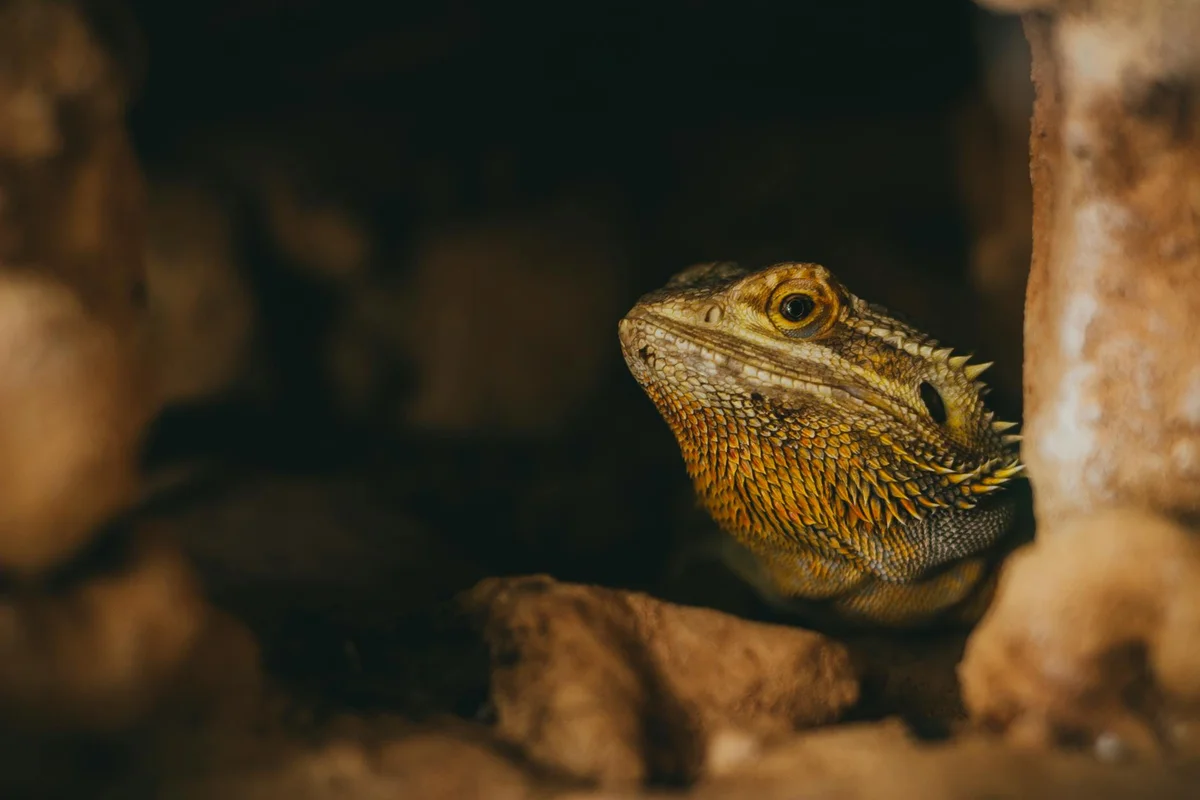
Seeing those little dark spots on your beardie’s legs or a crusty bit on their nose can be worrying. I’ve been there with my own dragons. Clogged pores often happen when their environment or diet doesn’t quite match what their bodies naturally expect. Sometimes those symptoms can also hint at allergies. Bearded dragon allergies can show up as itchy skin or crusty patches.
- Substrate: Loose, sandy bedding or fine particle substrates are a big culprit. They can get packed into those pores, much like dirt under a fingernail.
- Humidity: Consistently high humidity levels can soften the waxy secretions, making them stickier and more likely to trap debris. It’s a delicate balance.
- Diet: An improper diet, particularly one too high in fatty insects like waxworms, can cause their bodies to produce an overabundance of that waxy secretion.
- Lack of Rough Surfaces: In the wild, they’d rub against rocks and rough bark, which naturally files down the pore buildup. A smooth tank with only plastic decorations doesn’t provide this natural filing service.
I learned this the hard way with my first beardie, Jasper. His tank was all smooth slate and plastic plants. Adding a few large, rough river rocks and a piece of driftwood for climbing made a world of difference in managing his pore health naturally.
Step-by-Step Guide to Cleaning Femoral Pores Safely
If you’ve noticed a significant buildup, a gentle cleaning might be needed. The goal is to help, not to cause stress or injury. I always take a deep, calming breath before starting-they can sense your energy.
Gathering Your Supplies
You don’t need a vet’s toolkit, just a few simple, safe items. Having everything within arm’s reach before you even pick up your dragon is key to a smooth, low-stress process.
- Warm water (not hot, test it on your wrist)
- Soft cotton swabs (Q-tips)
- A clean, soft-bristled toothbrush (brand new, never used for teeth!)
- Plain water is often best, but a drop of mild, reptile-safe soap can be used for stubborn gunk.
From experience, I strongly advise against any harsh chemicals, alcohol, or human acne products. Their skin is far more sensitive than ours.
Gentle Cleaning Techniques
Patience is your best tool here. Rushing can lead to a scared dragon and a damaged pore.
- Start with a soothing soak. Place your beardie in a shallow bath of warm water for about 15 minutes. This softens the hardened material significantly.
- After the soak, use a cotton swab dipped in the warm water. Gently press the skin around the pore, not directly on it. You’re encouraging the plug to come out, not digging for it.
- For more crusted-on buildup, use the soft toothbrush with warm water to gently brush the area in a circular motion.
- The most important rule is to stop if the plug doesn’t come out with soft pressure. Forcing it can cause pain, bleeding, and a serious infection.
To keep your dragon calm, talk to them in a soft, steady voice and perform this in a quiet room. I often do this after their evening bath when they are naturally more relaxed and sleepy. This approach is part of a calm, stressed bearded dragon guide to de-stressing your pet. Gentle, consistent handling helps ease tension and rebuild trust. If they struggle too much, just try again another day. Their trust is more important than one stubborn pore.
How to Handle Nose Plugs Without Stress
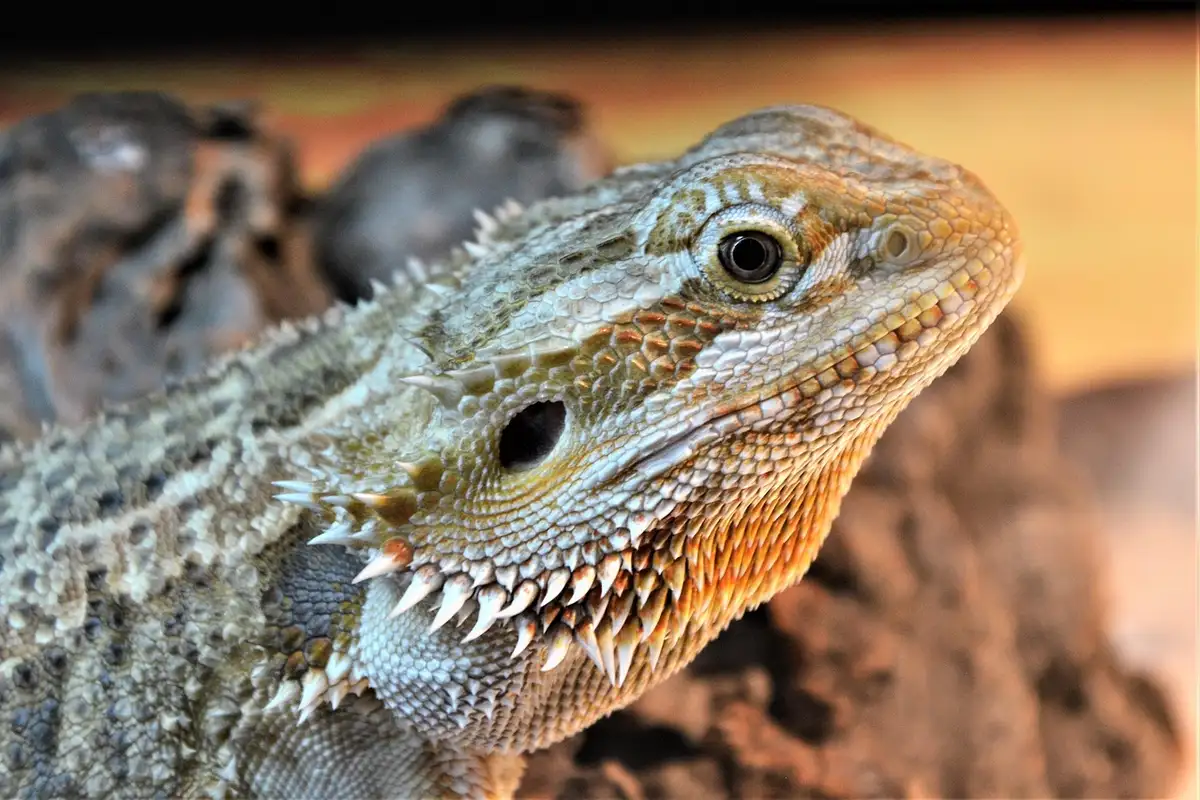
Nose plugs, or nasal plugs, are those little bits of dried skin and substrate that can get stuck in your dragon’s nostrils. Seeing them can be unsettling, but a gentle approach is everything.
The safest way to handle a nose plug is to encourage it to come out on its own. I never, ever dig at them with tweezers or my fingernails. You can easily cause injury or push debris further in. Instead, I create a warm, humid environment. A nice, warm bath often does the trick, as the steam can help soften the plug.
If a bath doesn’t work, I take a clean cotton swab, soak it in warm water, and gently hold it against the nostril for a minute. The goal is to moisten the plug so it becomes dislodged with a simple, gentle wipe. You might even see your beardie sneeze it out after this!
Normal Nose Plugs vs. Problematic Ones
- Normal: A single, small, dry flake that appears during a shed. It usually comes out easily or falls out on its own.
- Problematic: A plug that is large, impacted, or has been there for multiple sheds. Watch for any signs of labored breathing, wheezing, or a constant rub against decor.
I remember my boy, Smaug, had a stubborn nose plug that just wouldn’t budge after a shed. He kept rubbing his face on his log. After a warm bath didn’t work, I used the damp cotton swab method, holding it steady and letting him wiggle a bit. He finally gave a big, dramatic sneeze, and the plug shot right out. He immediately stopped rubbing and seemed so much more comfortable. Patience and a soft touch won the day.
When Clogged Pores Need Veterinary Attention
While many clogs can be handled at home, some situations are a clear signal to pick up the phone and call your reptile vet. Knowing the difference can save your dragon a lot of pain. Bearded dragons benefit from regular veterinary checkups as part of responsible care. Having a quick guide helps you know when to go to the vet and what counts as an emergency.
You should seek immediate veterinary care if you see any redness, swelling, or a discolored discharge (like yellow or green pus) from the pores. Bleeding during your gentle cleaning attempts is another major red flag. If you’ve tried the warm soaks for a week with zero improvement, or if the plugs seem to be getting larger, it’s time for professional help.
Ignoring a severely infected pore can lead to a painful abscess forming underneath the skin. An abscess is a walled-off infection that cannot be resolved with soaks alone and requires veterinary intervention to be lanced and cleaned. Left untreated, the infection can spread, leading to systemic illness.
I had a rescue dragon come to me with what I thought were just severely clogged femoral pores. They were dark, rock-hard, and much larger than any I’d seen. I started my usual warm bath routine, but after a few days, the area around them became red and swollen. I knew immediately this was beyond a simple clog and took him to the vet. The vet confirmed they were impacted and mildly infected. They safely removed the plugs under controlled conditions and gave me a topical antibiotic. It was a powerful reminder that even with the best home care, some problems need an expert’s touch. Since then, I monitor for early signs of an impacted spot and use vet-guided spot care if needed. Prevention comes from a clean enclosure, proper temperatures, and regular checks.
Preventing Clogged Pores with Smart Bearded Dragon Care
Prevention is always better than a cure, and this is especially true for pore health. I’ve found that a few simple habitat and routine adjustments make a world of difference in keeping those pores clear naturally.
Choose the Right Substrate
The ground covering in your dragon’s tank plays a huge role. Loose, dusty substrates like sand or crushed walnut can easily get packed into pores. I strongly recommend using a solid substrate like slate tile, a reptile carpet, or even non-adhesive shelf liner for the main living area. These are easy to clean and don’t create the fine particles that lead to clogs. In a bearded dragon tank cleaning guide, this step fits into a regular schedule for maintenance. We’ll cover safe solutions and proven methods for routine cleaning and substrate changes.
Make Health Checks a Habit
Don’t wait for a problem to become obvious. When you take your dragon out for handling, make a quick visual check part of your routine. A fast glance at their belly and nose during regular interaction takes seconds and can help you spot issues early. This isn’t a stressful exam; it’s just being an observant pet parent. Check out this guide for more tips on handling and caring for your bearded dragon.
Diet and Enrichment for Natural Maintenance
What your dragon eats and how they live can help keep pores clear from the inside out.
- Diet: Offer a variety of crunchy insects like crickets and roaches. The act of chasing and crunching helps with natural wear. Proper hydration is also key, so ensure they have fresh water and enjoy their regular baths.
- Enrichment: Provide rough surfaces for them to climb and rub against. A sturdy rock or a piece of driftwood in the enclosure allows them to naturally scrape and massage their pores as they move about their territory.
Building a Healthy Pore Care Routine
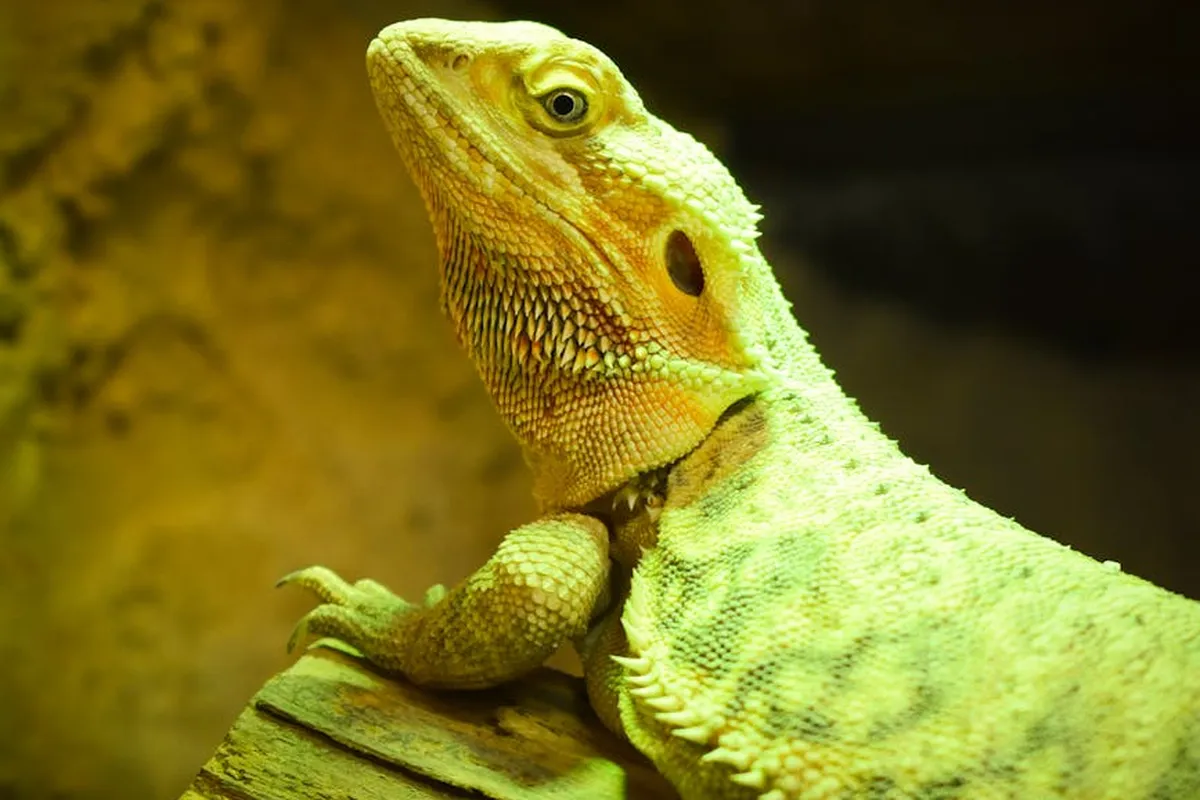
Consistency is your best friend here. A simple, low-stress routine prevents small issues from turning into big problems.
A Simple Monitoring Schedule
You don’t need a complex chart. Just incorporate these checks into your weekly and monthly pet care.
- Weekly: Do a visual check of the femoral pores and nose during handling or bath time. Look for any discoloration or buildup.
- Monthly: If you notice a slight waxy buildup, a warm bath might be all that’s needed to soften it. Gently running your thumb over the pores in the water can often dislodge any loose material.
The Golden Rule: Gentle and Infrequent
More is not better when it comes to pore cleaning. Your primary goal should always be to support the body’s natural processes, not to constantly intervene. Over-cleaning can irritate the pores, damage the skin, and cause more harm than good. Only step in with a more involved cleaning if a significant, hardened plug has formed and isn’t resolving on its own.
The Reward of Consistent Care
Sticking to this gentle, observant routine does more than just prevent clogs. A dragon that isn’t dealing with the discomfort of clogged pores is a more active, curious, and happy pet. This consistent care builds trust and ensures your scaly friend stays healthy and comfortable for years to come.
Frequently Asked Questions
How often should I clean my bearded dragon’s femoral pores?
Cleaning should only be done when you notice significant buildup, not on a regular schedule, to avoid irritating the pores. Over-cleaning can cause more harm, so focus on prevention with rough surfaces and proper habitat setup.
What are the signs that my bearded dragon is in pain from clogged pores?
Watch for behaviors like excessive rubbing on decor, restlessness, or a decrease in activity and appetite. If your dragon seems unusually agitated or avoids using its back legs, it could indicate discomfort or stress requiring attention.
Can I use coconut oil or other oils to soften clogged femoral pores?
Avoid using oils as they can trap debris and lead to further impaction or infection. Stick to warm water soaks and gentle brushing with a soft toothbrush for safe and effective cleaning.
Final Thoughts
Keeping your bearded dragon’s pores clean is a straightforward part of responsible ownership that prevents bigger issues down the line. In my experience, a proper habitat setup with rough surfaces for climbing and rubbing does most of the work for you. A simple warm bath is often all that’s needed to soften and remove any buildup. Do bearded dragons benefit from baths? If you’re considering bathing, here’s a quick step-by-step guide for bathing and drying to keep them safe and comfortable.
Always remember that gentle pressure is the key-never pick or squeeze aggressively. For those stubborn nose plugs, patience and a damp cotton swub are your best tools. If anything seems stuck, inflamed, or just doesn’t feel right, a visit to a reptile-savvy vet is the safest and kindest choice for your scaly friend.
Further Reading & Sources
- r/BeardedDragons on Reddit: Can someone explain the do’s and don’t’s of femoral pores?
- Treating Blocked Femoral Pores
- Bearded Dragon Femoral Pores and How to Care for Them – PetHelpful
Bearded Dragon Lair is the ultimate resource for bearded dragon enthusiasts, offering expert advice and practical tips to ensure the health and happiness of your scaly companion. With years of experience in reptile care, we are dedicated to providing accurate, up-to-date information to support your bearded dragon journey.
Bath Time Fun