How Long Does Bearded Dragon Brumation Last? (And When Should You Worry?)
Published on: February 21, 2026 | Last Updated: February 21, 2026
Written By: Beardie Joe
If your bearded dragon has suddenly become a sleepy, disinterested lump, you’re likely witnessing brumation, a natural but often confusing reptile hibernation.
I’ve navigated this with my own dragons for years, and I’m here to give you the clear, caring guidance you need to support your pet through this phase.
We’ll explore the typical brumation timeline, outline the completely normal behaviors, and pinpoint the exact warning signs that demand a vet visit.
Understanding Bearded Dragon Brumation
What Exactly Is Brumation?
Think of brumation as your bearded dragon’s version of a long, deep winter’s nap. It’s a state of dormancy, not sleep, that reptiles in the wild use to conserve energy during the colder months when food is scarce. This isn’t a sickness; it’s a deeply ingrained, natural biological process driven by changes in temperature and light cycles. I’ve seen it in my own dragons for years—their bodies slow way down. Their metabolism drops, and they spend most of their time hiding and resting. It can be startling the first time you see it, but it’s completely normal for a healthy adult. So, is brumation normal for bearded dragons, or could it be a sign something’s wrong? Generally, yes—it’s normal in healthy adults, but watch for warning signs like continued weight loss or dehydration.
Typical Signs Your Bearded Dragon is Starting Brumation
Your dragon won’t send you a text message saying, “Hey, I’m brumating now!” You have to read the signs. They usually start appearing as the days get shorter. Look for a combination of these behaviors:
- Sleeping more often and for much longer periods.
- A significant loss of appetite or a complete refusal to eat.
- Spending almost all their time in their hide or a dark corner.
- General lethargy and a lack of interest in exploring or basking.
The key is that a brumating dragon will still be alert when you handle them and will generally hold their head up. This is different from a sick dragon, which often appears weak and limp.
The Bearded Dragon Brumation Timeline
Average Duration of the Dormant Period
There is no single answer, as every dragon is an individual. From my experience, a typical brumation period can last anywhere from a few weeks to four full months. One of my dragons, Puff, consistently brumates for about ten weeks every winter, like clockwork. During brumation, these dragons can log long hours of sleep, sometimes with minimal movement. Baby bearded dragons often show different sleep patterns that change as they grow older and settle into longer rest periods. It’s common for them to go through cycles of deep sleep where they don’t move for days, followed by a day or two of slight activity, before settling back down. Don’t be alarmed by this on-and-off pattern.
Factors That Influence How Long Brumation Lasts
Several things can affect the length of your dragon’s sleepy season. Understanding these helps you see why your friend’s dragon might brumate differently than yours.
- Age: Juvenile dragons under a year old rarely brumate. It’s primarily a behavior of sexually mature adults.
- Health & Weight: A dragon that was underweight before brumation may not have the fat reserves to sustain a long period and could wake up sooner.
- Genetics & Individuality: Some dragons are just hardwired for a long winter rest, while others have a very light brumation.
- Environmental Cues: Even in a controlled tank, subtle changes in your home’s ambient light and temperature can trigger and influence the duration.
The most critical factor is the animal’s overall health heading into this dormant phase. A healthy, well-fed dragon is built to handle a longer brumation period safely.
Caring for Your Bearded Dragon During Brumation
Adjusting Your Husbandry Routine
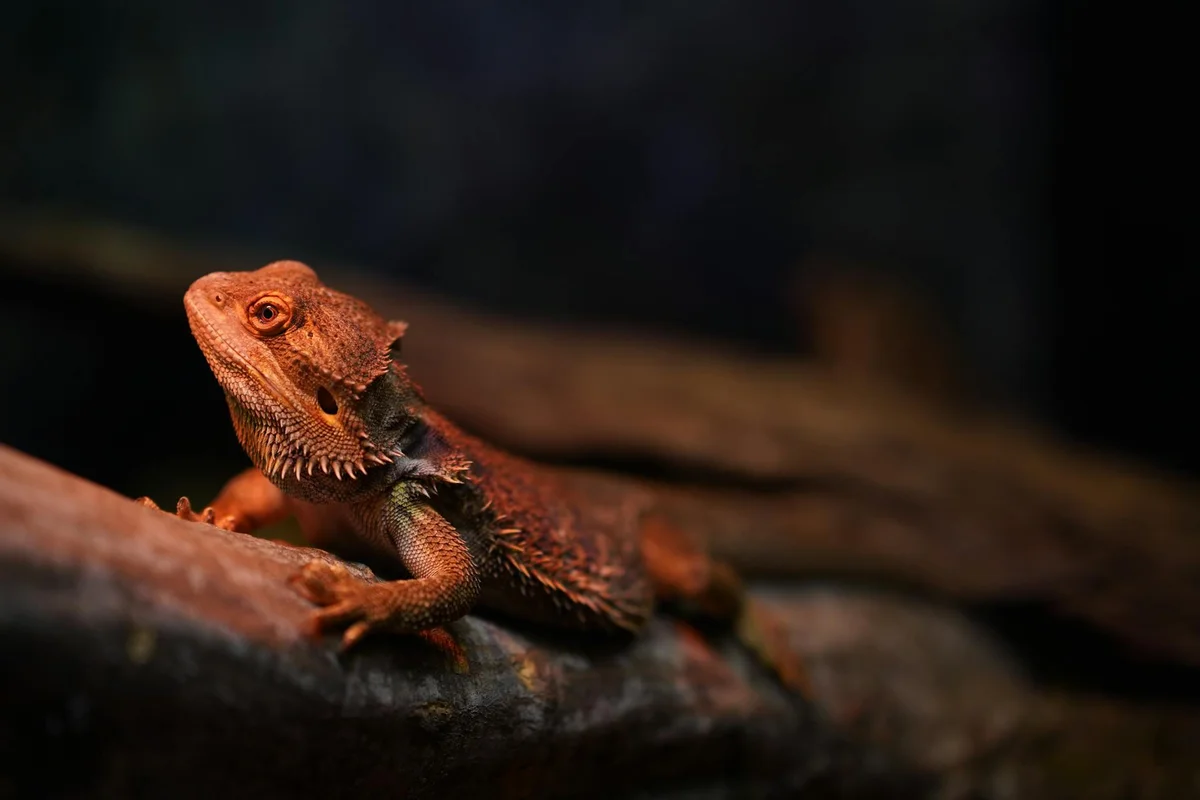
When your dragon starts to slow down, your care routine needs to pivot. Your primary goal shifts from active maintenance to providing a safe, quiet environment for their long rest. I’ve found this adjustment period crucial for my own dragons’ well-being.
Here is my step-by-step approach to adjusting their habitat:
- Gradually Reduce Daylight Hours: Over a week or two, shorten their light cycle from the usual 12-14 hours down to 8-10 hours. This simulates the natural shortening of days.
- Turn Off the Basking Light: Once they are fully in their sleepy state, you can turn off the heat lamp. They don’t need to digest food, so the extra heat is unnecessary.
- Keep the Enclosure in a Cooler Spot: A room temperature between 65-75°F (18-24°C) is perfect. Avoid drafty areas or spots that get direct sunlight.
- Do Not Offer Food: Their digestive system has shut down. Offering food can lead to dangerous impaction because they cannot process it.
Handling Appetite Loss and Water Intake
Seeing your voracious eater suddenly refuse food can be unsettling. Remember, a complete loss of appetite is a hallmark of brumation, not a symptom of illness. I’ve had dragons go three months without a single bite.
Hydration, however, is a different story. While their need for water plummets, you should still offer it.
- Provide a Shallow Water Dish: Keep a clean, shallow bowl of fresh water in the enclosure. They may wake up briefly for a small drink.
- Offer Weekly Soaks: Once a week, I give my brumating dragons a lukewarm, shallow bath for about 15 minutes. This encourages hydration through their vent and helps prevent slight dehydration.
- Watch for Wrinkled Skin: Gently pinch the skin on their side. If it doesn’t snap back quickly, they might need a soak.
Monitoring Health: Normal vs. Worrisome Signs
What’s Normal During the Dormant Period?
Brumation looks a lot like being profoundly lazy, and that’s perfectly okay. A healthy brumating dragon will be mostly still but can still show brief moments of alertness. My dragon, Boris, sometimes shifts position in his hide, which always reassures me. If you’re trying to tell whether your bearded dragon is brumating, there are 12 key signs to look for. These cues can help you differentiate brumation from normal behavior.
- Sleeping for days or weeks at a time.
- Burrowing or hiding constantly.
- Very infrequent, small, urate-only bowel movements.
- Occasionally opening an eye or slightly moving when you check on them.
- A slow, but not drastic, weight loss.
Red Flags: When Brumation Might Be Something Else
It’s vital to distinguish deep sleep from a health crisis. Trust your gut; you know your dragon’s normal behavior better than anyone. If something feels off, it probably is. Know the healthy signs your dragon normally shows, like regular eating and active behavior. Notice any changes, such as weight loss or lethargy, which may indicate illness.
Here are the warning signs that warrant a vet visit:
- Rapid Weight Loss: A slight decrease is normal, but you should not see their hip bones or spine becoming sharply prominent.
- Sunken Eyes: This is a classic sign of serious dehydration.
- Mucus in the Mouth or Nose, or Labored Breathing: These can indicate a respiratory infection.
- Lethargy Accompanied by a Black Beard: A black beard outside of a shedding or display context can signal pain or severe stress.
- Runny or Foul-Smelling Stool: If they do pass anything, it should be a firm urate. Anything else suggests illness.
Post-Brumation: Waking Up and Recovery
Helping Your Dragon Ease Back to Normal Life
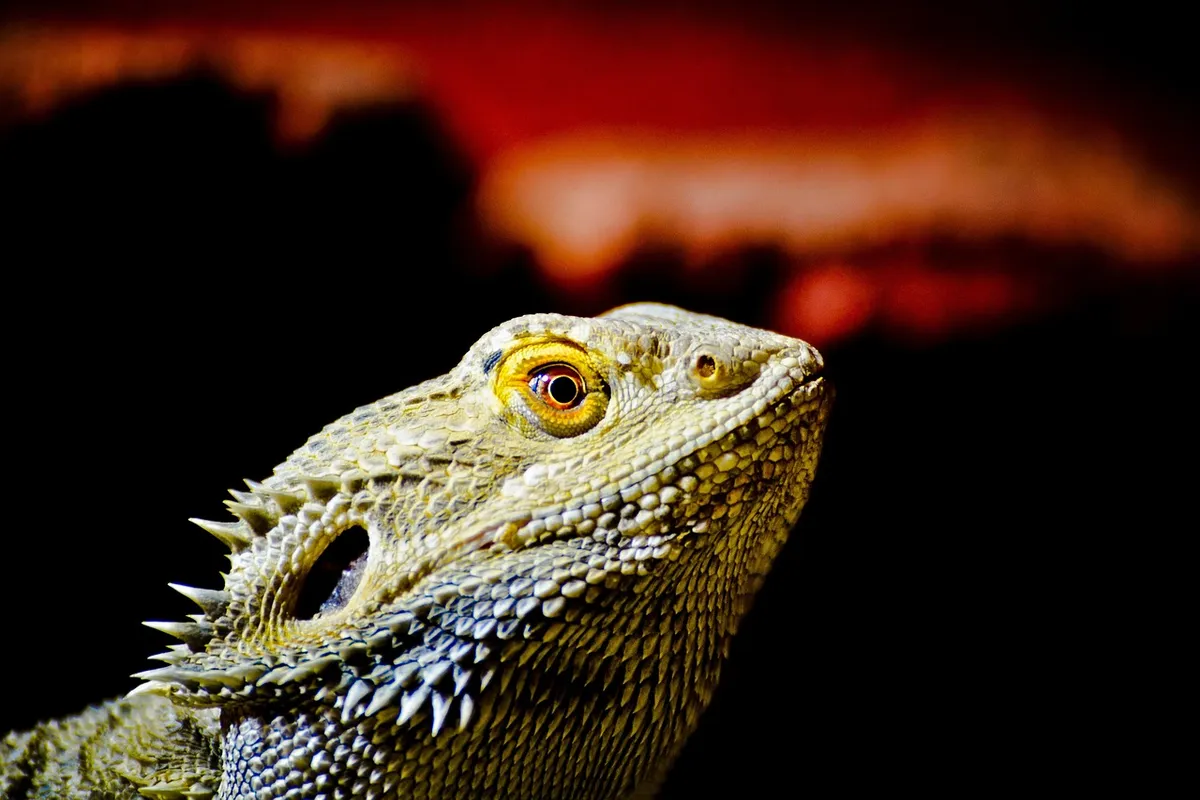
When your bearded dragon begins stirring from brumation, it’s a gentle process that requires patience. I always treat this phase like waking a sleepy friend—slowly and with care. From my own experience, rushing this transition can cause stress and digestive issues. If you’re wondering whether you should wake your bearded dragon from brumation, do it safely and gradually. I’ll outline practical steps to help you do that risk-free.
Start by reintroducing hydration and nutrition in small steps. Offer a shallow dish of fresh water first, as many dragons wake up quite thirsty. You might even see them soak themselves, which is a great sign. If dehydration is suspected, do hydrate your bearded dragon with small, steady sips and short soaks. If there’s no improvement, consult a reptile veterinarian.
- Provide lukewarm water soaks for 10-15 minutes to encourage drinking and hydration.
- Begin feeding with small, soft, easy-to-digest foods like squash baby food or finely chopped greens.
- Gradually reintroduce live insects, starting with smaller ones like dubia roaches or bsfl.
- Keep handling minimal and gentle until your dragon seems more alert and active.
Adjust their habitat to support recovery. Make sure their basking spot is warm and UVB lighting is fully operational to kickstart their metabolism. I’ve found that a consistent day-night cycle really helps reset their internal clock.
What to Expect in the First Few Weeks
The first weeks post-brumation can be unpredictable, but most dragons follow a similar pattern. Your dragon’s appetite and energy levels will likely return in waves, not all at once. Don’t be alarmed if some days they eat ravenously and other days they pick at food.
- Appetite may be low for the first 5-7 days, then gradually increase.
- You might notice weight loss initially, but healthy dragons should begin regaining within two weeks.
- Shedding is common as their body functions ramp up-this is a positive sign!
- Behavior can vary: some dragons become more social, while others remain reserved.
Monitor their weight weekly using a small digital scale. Keeping a simple log of weight and eating habits helps you spot trends and catch problems early. In my home, I track this for each of my dragons so I know what’s normal for them.
When to Worry and Seek a Vet Check
Specific Scenarios That Demand Professional Help
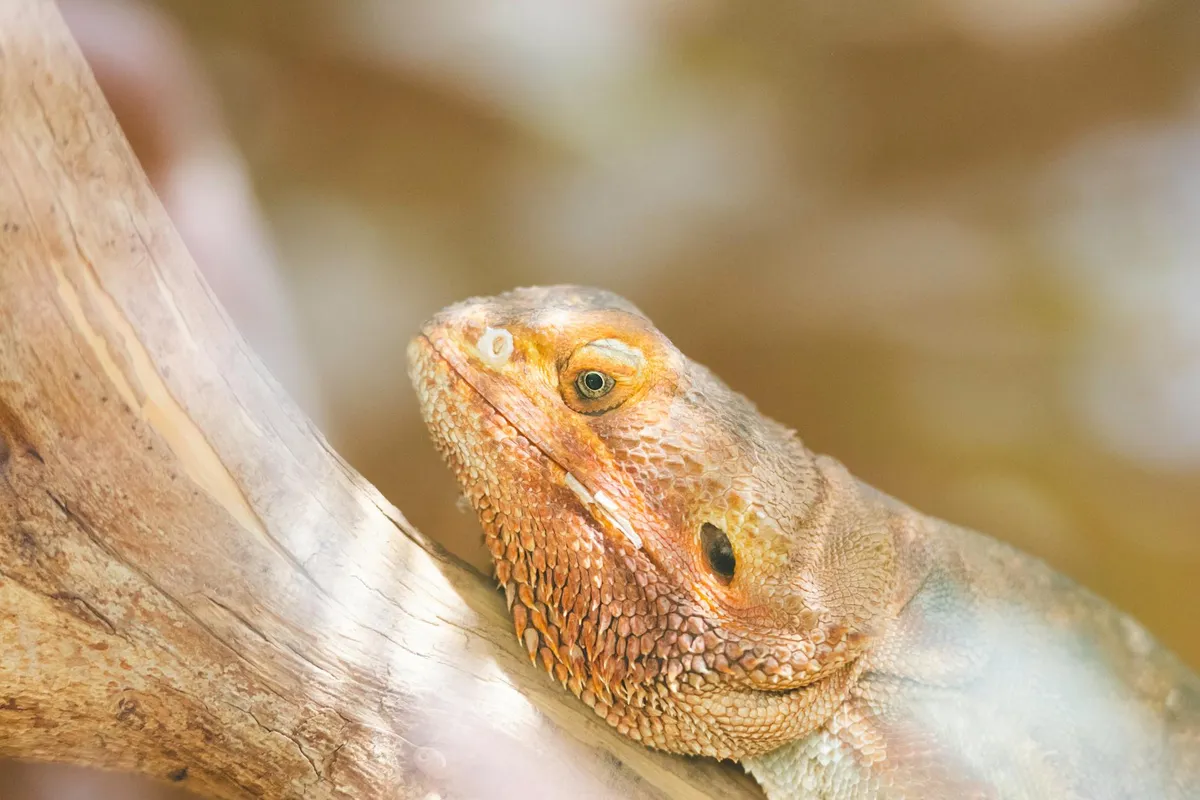
While brumation is natural, certain warning signs should prompt a vet visit. Trust your instincts-if something feels off, it’s better to be safe and get expert advice. I’ve taken dragons in for checks even when I wasn’t sure, and it always brought peace of mind.
- No interest in food or water for over 7-10 days after fully waking.
- Continued weight loss or failure to gain weight after two weeks.
- Lethargy, weakness, or inability to move normally.
- Sunken eyes, wrinkled skin, or other signs of severe dehydration.
- Swelling, discharge from eyes/nose, or labored breathing.
- Black bearding, gaping, or other stress behaviors that persist.
Any one of these symptoms warrants a call to your reptile vet. Early intervention can prevent a minor issue from becoming a serious health crisis. I always keep my vet’s number handy, just in case.
Pre-Brumation Health Assessment
A thorough health check before brumation can prevent many post-brumation worries. I make it a rule to schedule a vet visit each fall for any dragon that might brumate. This proactive step has saved me from emergencies more than once.
- Request a fecal exam to check for parasites, which can worsen during inactivity.
- Ensure your dragon is at a healthy weight-neither too thin nor overweight.
- Verify body condition: clear eyes, firm muscles, no lumps or injuries.
- Discuss your dragon’s brumation history and any past health issues with the vet.
This assessment gives you a baseline for comparison when they wake up. Knowing your dragon started brumation in good health makes it easier to identify true problems later. My vet and I use this time to plan what to watch for based on each dragon’s unique needs.
Frequently Asked Questions
When is the typical bearded dragon brumation time of year?
Bearded dragon brumation usually occurs in the fall and winter months, as shorter daylight hours and cooler temperatures signal this natural dormancy period. In captivity, this can vary based on your local climate and indoor habitat conditions. Many keepers wonder when bearded dragons brumate and how seasonal timing works. Here are common questions about when brumation starts and what to expect.
Does brumation differ for bearded dragons in the UK?
In the UK, bearded dragons may brumate during the same autumn and winter seasons, but since most are kept indoors, the timing is often influenced by their controlled environment rather than outdoor weather. Ensure their enclosure mimics natural light cycles to support a healthy brumation process.
Is brumation the same as hibernation?
Brumation is a reptile-specific form of dormancy similar to hibernation, but bearded dragons may wake occasionally to drink water, whereas true hibernation in mammals involves continuous deep sleep. Both are survival strategies for conserving energy during colder periods. This raises the question: should you feed during brumation, and when should you resume feeding after it ends? In general, feeding is avoided during brumation and resumed after the dragon becomes active again.
Final Thoughts
Brumation is a natural, healthy process that typically lasts a few weeks to a few months, and it’s vital to trust your dragon’s instincts during this time. The key is to focus less on the calendar and more on your pet’s overall condition before, during, and after this deep rest. Provide a quiet, safe space and let your dragon guide the process. Not all bearded dragons brumate, so knowing what to expect can help you be better prepared.
Your role is one of a watchful guardian. Trust the knowledge you’ve built about your specific pet, and you’ll know the difference between a dragon taking a long nap and one that needs your help. When in doubt, a quick call to your reptile-savvy vet is always the right move for your peace of mind and your dragon’s well-being.
Further Reading & Sources
- Bearded Dragon Brumation Care: A Complete Guide
- Bearded Dragon Brumation – The Critter Depot
- Bearded dragon brumation – how to identify and deal with it
Bearded Dragon Lair is the ultimate resource for bearded dragon enthusiasts, offering expert advice and practical tips to ensure the health and happiness of your scaly companion. With years of experience in reptile care, we are dedicated to providing accurate, up-to-date information to support your bearded dragon journey.
Heating and Lighting