When Do Bearded Dragons Brumate? Seasonal Timing and Common Questions
Published on: March 18, 2026 | Last Updated: March 18, 2026
Written By: Beardie Joe
If your bearded dragon is suddenly sleeping more and eating less, you are likely witnessing the start of brumation, their version of hibernation.
As an owner of multiple bearded dragons, I have personally guided my pets through this natural cycle many times and will help you spot the signs with confidence.
This article will walk you through the specific seasons brumation occurs, the common behaviors to expect, and my top care tips to support your dragon.
What Triggers Brumation in Bearded Dragons?
Brumation isn’t a switch that gets flipped on a specific date. It’s a complex biological process driven by your dragon’s internal clock responding to the world outside their tank. In my experience, the most significant trigger is a consistent, noticeable change in their environment that mimics the arrival of the cooler, drier winter season in their native Australian habitats. It’s their body’s way of conserving energy when resources would naturally be scarce. During brumation, minimize handling and keep the enclosure calm and stable. Ensure water is always available and monitor for signs of dehydration or distress.
Key Environmental Cues for Brumation
Your dragon is highly attuned to its surroundings. Here are the primary signals that tell them it’s time to wind down. If you spot stress signs in your bearded dragon, addressing the triggers can reduce their anxiety. Being attuned to those cues helps you keep them calm.
- Shorter Daylight Hours: This is the biggest one. As days get shorter in the fall and winter, the reduced photoperiod from their UVB and basking lights is a major cue.
- Temperature Drops: A consistent, slight drop in ambient room temperature, especially at night, reinforces the seasonal shift. I’ve noticed my own dragons become less active when our household thermostat is set lower in the winter.
- Changes in Barometric Pressure: This one is fascinating. Even indoors, dragons can sense the seasonal shifts in weather patterns and pressure, which can influence their behavior.
- Food Availability: In the wild, insect populations drop. A decreased interest in food from your dragon can be both a sign of an impending brumation and a contributing trigger.
How Long Does Brumation Typically Last?
There is no one-size-fits-all answer, and this is where many new owners get anxious. Brumation can last anywhere from a few weeks to four full months, with the average often falling between one and three months. I’ve had dragons sleep for a solid six weeks and others that were in and out of a lethargic state for nearly three months. Many owners wonder how long does brumation last and when to worry. If brumation lasts beyond four months, or your dragon remains lethargic, refuses to eat, or shows signs of dehydration, consult a reptile vet.
Duration depends on the individual dragon’s age, health, and even their unique genetics. Adult dragons are more likely to undergo a longer, deeper brumation than younger ones. The key is to not panic about the timeline and instead focus on monitoring their health throughout the process. You can learn more about how long dragons can go without eating during different stages.
Recognizing the Signs of Brumation
Distinguishing brumation from illness is a critical skill for an owner. The behaviors can look similar, but the context is different. Brumation signs appear gradually and are tied to those seasonal environmental cues, while sickness often comes on suddenly and may be accompanied by other symptoms.
Normal Brumation Behaviors
If your dragon is preparing for brumation, you will likely observe a sequence of these behaviors, similar to those listed in the signs for brumation in bearded dragons. They are all perfectly normal.
- Decreased Appetite: This is usually the first sign. They will slowly, or sometimes abruptly, stop showing interest in food.
- Increased Sleep and Lethargy: You’ll find them sleeping more during the day and being generally less active and alert when awake.
- Hiding Constantly: They will seek out a dark, secure spot in their enclosure, often burrowing or staying in their hide for most of the day.
- Less Frequent Bowel Movements: Since they aren’t eating, they will not poop. A healthy dragon will have emptied its system before fully settling down.
When to Monitor Closely
While brumation is natural, you must stay vigilant. Some signs are red flags that indicate a potential health problem, not a normal sleep cycle.
- Rapid Weight Loss: A small amount of weight loss is expected. You should be concerned if you can see their hips or spine becoming sharply defined.
- Sunken Eyes or Wrinkled Skin: These are classic signs of dehydration, which can become dangerous during brumation.
- Mucus in the Mouth or Nose, or Wheezing: These are signs of a respiratory infection and require immediate veterinary attention.
- Remaining in a Lethargic State During Warmer Months: If it’s spring or summer and your dragon shows these signs, illness is a more likely culprit than brumation.
My rule of thumb is to always do a quick health check every one to two weeks during brumation, gently offering water and visually assessing their body condition. I once had a dragon, Spike, who seemed fine but felt a little too light; a quick vet visit confirmed he just needed some supplemental hydration. It’s always better to be proactive for their welfare.
Preparing Your Bearded Dragon for Brumation
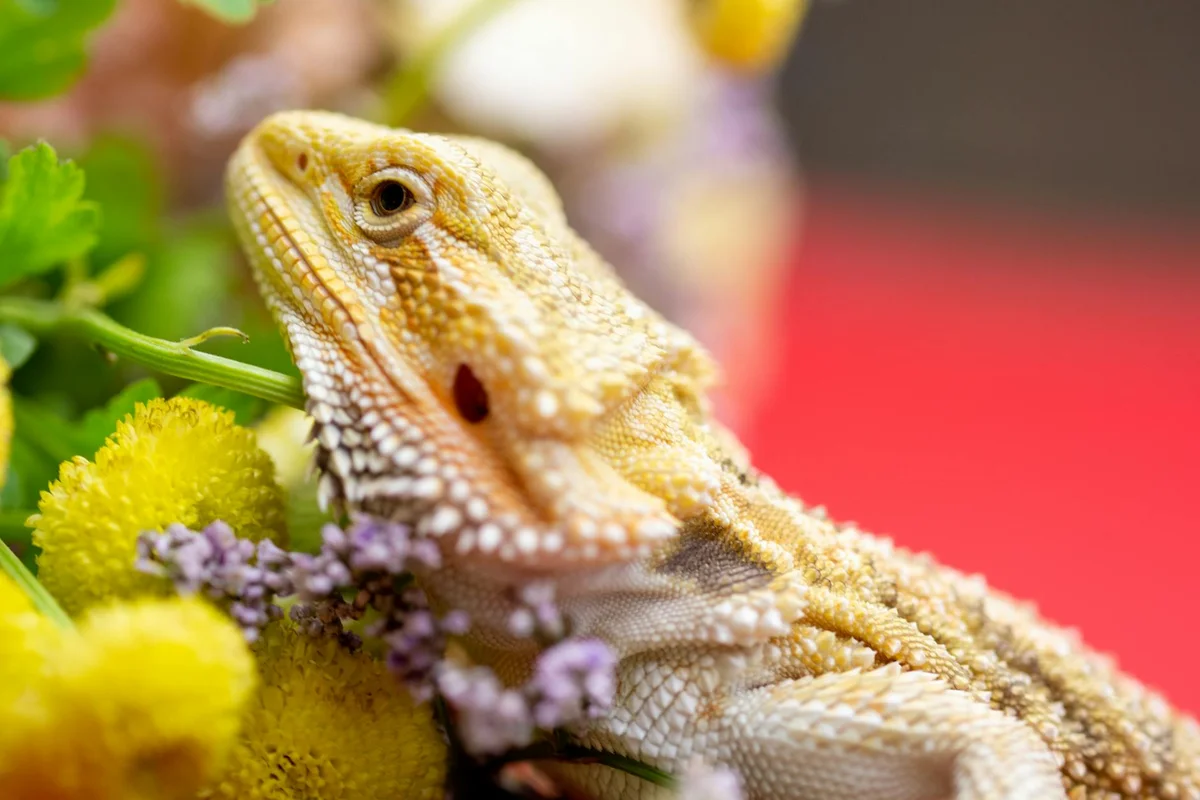
Setting Up the Enclosure
Think of this as creating a cozy, secure bedroom for your dragon’s long nap. The goal is to mimic the natural, sheltered spots they would find in the wild.
- Provide a dedicated hide. I always use one that is enclosed on three sides and large enough for my dragon to fit their entire body inside comfortably.
- Switch to a softer, more burrow-friendly substrate. I’ve had great success with plain, shredded paper or reptile-safe mulch during this period.
- Remove any items that could be knocked over or disturb their rest, like tall, unstable decorations.
- Ensure the enclosure is in a quiet, low-traffic area of your home to minimize stress from vibrations and noise.
A proper setup reduces stress significantly, allowing your pet to settle into their natural cycle peacefully.
Health Preparation Steps
This is the most critical part of the process. Sending an unhealthy dragon into brumation is very risky.
- Schedule a Vet Visit: I make it a non-negotiable rule to get a fecal exam and a general health check-up. This confirms they are parasite-free and in good condition.
- Gradually Reduce Feeding: About one to two weeks before you expect them to slow down, stop offering insects. A week later, stop offering greens. Their digestive tract must be completely empty to prevent food from rotting inside them during brumation.
- Monitor Weight: Weigh your dragon at the start of the wind-down period. A healthy, well-fed dragon will have the fat reserves to see them through.
- Offer Hydration: Continue to provide a shallow bath or mist their nose for drinking until they fully refuse it.
Never underestimate the importance of an empty stomach; it is the single most important factor for a safe brumation.
Caring for Your Dragon During Brumation
Managing Hydration and Weight
Your dragon’s metabolism will be running at an extremely low rate, but they still need your watchful eye.
- Weigh them every two to three weeks using a digital kitchen scale. A small, gradual weight loss is normal. A sharp drop is a red flag.
- Once every few weeks, you can offer water. Gently place them in a shallow, lukewarm bath or mist water on their snout. Do not force it if they aren’t interested.
- Do not offer any food. Waking their digestive system without a consistent heat source to process the food can make them very sick.
Regular, gentle weight checks are your best tool for ensuring their health while they sleep.
Lighting and Temperature Adjustments
You are essentially simulating the cooler, shorter days of an Australian winter inside their tank.
- Reduce Daylight Hours: I gradually reduce their UVB and basking light cycle from 12-14 hours down to 8-10 hours a day.
- Lower the Temperature: The basking spot temperature should be lowered to around 80-85°F (27-29°C). The cool side of the tank can safely drop to the high 60s°F (around 20°C).
- Keep the UVB On: Even with reduced hours, I always keep the UVB lamp running on its new timer. They may still move around occasionally and need those rays for calcium metabolism.
Maintaining a consistent, cooler temperature is key to keeping them in a stable brumation state.
Waking Up from Brumation: Post-Care Steps
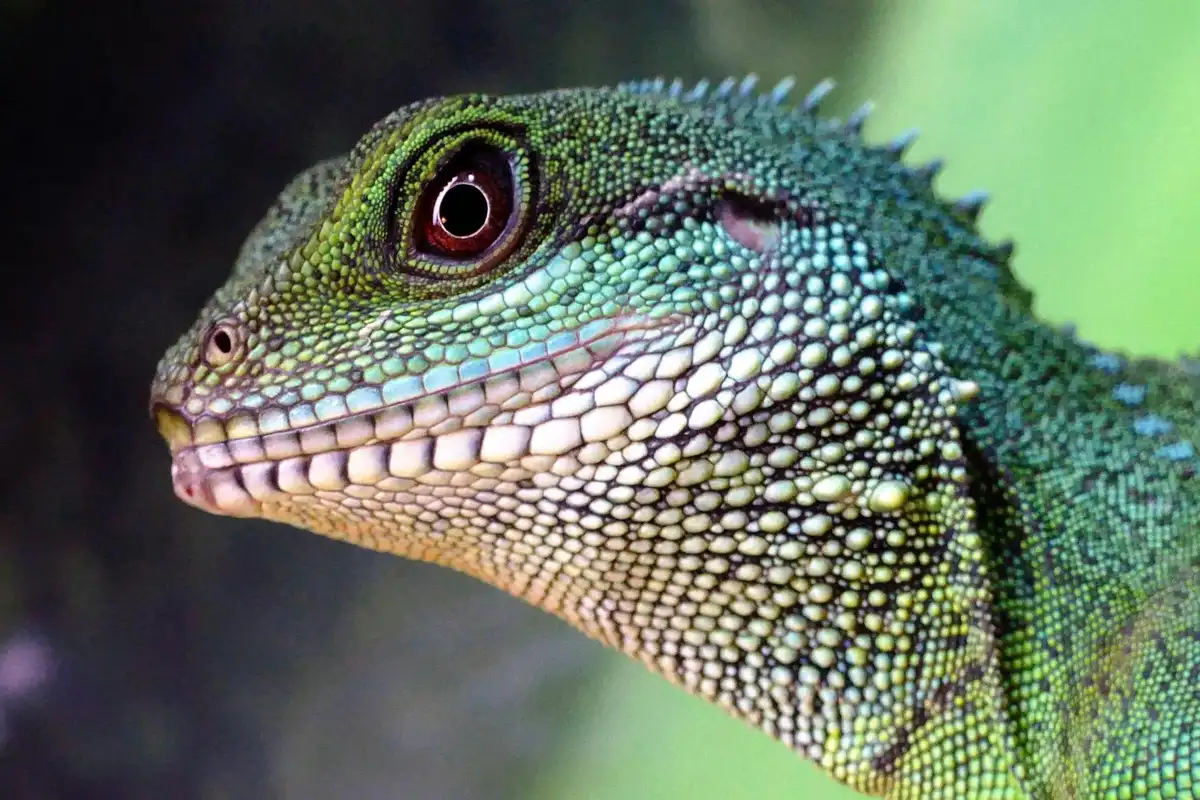
Watching your bearded dragon wake up is a slow, gentle process. They don’t just pop up ready for breakfast. Patience is your absolute best tool during this transition period back to their normal life. I’ve found it’s best to let them set the pace, offering opportunities without forcing anything, especially when you wake them from brumation.
Reintroducing Food and Activity
Their digestive system has been offline for weeks or even months. Jumping straight into a heavy meal is a surefire way to make them sick. Follow these steps to get them eating safely again.
- Offer Hydration First: Before any food, provide a shallow, lukewarm bath for 15-20 minutes. They will often drink the water. I always do this with my dragons, and you can see them perk up almost instantly.
- Start with Gentle Greens: After a day or two, place a small bowl of easily digestible greens like collard greens or dandelion greens in their enclosure. Don’t worry if they ignore it at first.
- Introduce Live Prey Slowly: Once they are eating greens, you can offer a single, small insect like a dubia roach or a worm. Wait a full day to see how their system handles it before offering more.
- Gradually Increase UVB and Heat Exposure: Make sure their basking lamp and UVB light are on a regular 12-hour cycle. This helps reset their internal clock and stimulates their appetite naturally.
It can take a week or more for their appetite to return to its pre-brumation levels, and that is perfectly normal. Rushing this process only causes stress.
Health Checks After Brumation
This is a critical time to assess their overall condition. A long sleep can sometimes hide underlying issues. If you’re worried that your bearded dragon is sleeping too much, it can be a sign of stress or illness and deserves careful observation. Give your dragon a thorough once-over as they become more active.
- Check Their Weight: A small amount of weight loss is expected. But if they feel bony, especially along their back and hips, it’s a sign they need nutritional support.
- Look for Sunken Eyes: This is a classic sign of dehydration. If their eyes look recessed, continue daily baths until they look bright and full again.
- Inspect Their Skin and Toes: Look for any retained shed, especially on their toes, as this can constrict blood flow. Gently check for any sores or discoloration.
- Monitor Their Poop: The first few bowel movements after brumation might be strange. But if you see signs of parasites (like mucus or undigested food) or no poop at all after they start eating, a vet visit is a good idea.
Trust your gut; you know your pet better than anyone. If something seems off with their energy, posture, or behavior, don’t hesitate to consult a reptile veterinarian.
Addressing Common Brumation Concerns

It’s natural to worry when your pet undergoes such a big behavioral change. I’ve had many panicked messages from new owners over the years. Let’s clear up some of the most frequent worries.
Brumation in Juvenile Bearded Dragons
This is a very common question. Juvenile bearded dragons (under 10-12 months old) are still growing rapidly and need consistent nutrition. For this reason, they are often fed daily to support rapid growth. The exact frequency can vary with age and appetite, but juveniles typically benefit from more frequent meals than adults.
- It’s Uncommon but Not Impossible: Most young dragons do not need to brumate. If a juvenile tries to brumate, it’s often a sign that their tank temperatures are a bit too cool, mimicking winter.
- What to Do: First, double-check your basking spot and ambient temperatures with a reliable thermometer. Increasing the heat and light duration slightly can often snap them out of it.
- Rule Out Illness: Lethargy in a young dragon is more likely to be illness than true brumation. If your juvenile is refusing food and sleeping excessively, a vet check is the safest first step.
Dehydration and Other Health Risks
The biggest risk during brumation isn’t starvation-it’s dehydration. Their bodies use very little energy, but they still lose water slowly through respiration.
- Pre-Brumation Hydration is Key: I always give my dragons a long, hydrating bath for a few days before I think they’ll go down. This ensures they start with full reserves.
- Offer Water During Brumation: Even if they are sleeping, you can gently place them in a shallow bath every 2-3 weeks. They might wake up enough to take a drink before settling back down.
- Watch for Weight Loss: Weigh your dragon monthly. Significant, rapid weight loss means you should wake them and seek veterinary advice, as it could point to an underlying disease.
- Respiratory Infections: If their enclosure is too cold and humid, they can develop a respiratory infection. Listen for wheezing or look for mucus around their nostrils.
Providing a proper, stable brumation environment is the single best way to prevent these health risks. A cool, dark, and dry space mimics their natural conditions and keeps them safe.
Frequently Asked Questions
Is brumation necessary for all pet bearded dragons?
No, not all bearded dragons brumate, as it depends on factors like age, health, and environmental cues. Juvenile dragons or those kept in consistently warm, stable conditions may skip brumation without harm.
What should I do if my bearded dragon’s brumation lasts longer than expected?
If brumation extends beyond four months or you observe rapid weight loss or signs of illness, gently offer hydration and consult a reptile veterinarian to ensure there are no underlying health issues.
Can I prevent my bearded dragon from brumating?
While you can discourage brumation by maintaining consistent, warm temperatures and long daylight hours, it’s generally safe to allow the natural process unless a vet advises otherwise due to health concerns.
Final Thoughts
Brumation is a natural, healthy process for many bearded dragons, typically kicking in during the cooler, shorter days of fall and winter. Your dragon’s internal clock is the true guide, so don’t panic if their schedule seems a little off from the calendar. I’ve had dragons sleep for two weeks and others for nearly three months; each one truly does their own thing.
Your role is to be a supportive observer. Provide a quiet, slightly cooler environment and always offer fresh water. The single best piece of advice I can give is to know your dragon’s healthy baseline and have a good reptile vet on speed dial for any concerns. Trust your instincts, support their natural cycle, and they’ll likely emerge happy and hungry when they’re ready.
Further Reading & Sources
- Bearded Dragon Brumation: Everything You Need to Know – Dragon’s Diet
- Bearded Dragons and Brumation | What to Do – Zen Habitats
- Brumation – ReptiFiles®
Bearded Dragon Lair is the ultimate resource for bearded dragon enthusiasts, offering expert advice and practical tips to ensure the health and happiness of your scaly companion. With years of experience in reptile care, we are dedicated to providing accurate, up-to-date information to support your bearded dragon journey.
Temperature Control Devices