How Many Superworms Should You Feed Your Bearded Dragon? (A Guide by Age)
Published on: December 6, 2025 | Last Updated: December 6, 2025
Written By: Beardie Joe
Figuring out the right number of superworms for your bearded dragon is one of the most common questions I get from fellow owners.
With years of hands-on experience caring for my own dragons, I’m here to help you navigate their diet safely and effectively.
This guide will walk you through appropriate portion sizes for every life stage, explain how often to offer them, and highlight key safety tips to keep your pet healthy.
Understanding Superworms in a Bearded Dragon Diet
So, what exactly is a superworm? They’re not just giant mealworms, despite how they look. They are the larval stage of the Zophobas morio darkling beetle. I like to think of them as the occasional, high-value treat for my dragons, not a daily staple. Their exciting wiggling movement is fantastic for triggering your dragon’s hunting instincts, which is great for mental stimulation.
It’s easy to get excited and feed too many because your beardie seems to love them so much. I’ve made this mistake before, and it led to one of my dragons turning into a picky eater, holding out for the “good stuff” and ignoring his nutritious greens. Over-reliance on superworms can create a serious finicky eater, making it a battle to get them to consume their vital vegetables.
Superworm Nutritional Profile for Bearded Dragons
Let’s break down what’s inside these wriggly feeders. Knowing the numbers helps you make an informed decision for your pet’s health.
| Nutrient | Profile (Approximate) | What This Means for Your Beardie |
|---|---|---|
| Protein | High (around 20%) | Excellent for growth in juveniles and muscle maintenance in adults. |
| Fat | High (around 17%) | The main reason to limit intake. Too much fat leads to obesity and liver issues. |
| Calcium | Low | A significant concern. They have very little of this crucial bone-building mineral. |
| Phosphorus | High | This creates a poor Calcium-to-Phosphorus ratio, which can prevent calcium absorption. | Hydration | Low | They offer very little water content, unlike other feeders like hornworms. |
Looking at that profile, the high fat and poor calcium ratio are the biggest red flags. This is precisely why superworms are a treat and not a primary feeder insect. They are calorie-dense but nutritionally imbalanced for a staple food.
To make superworms safer, you must “gut-load” them. This means feeding the worms highly nutritious foods (like sweet potato and leafy greens) 24-48 hours before offering them to your dragon. Gut-loading effectively passes nutrients from the worm to your beardie, boosting the overall nutritional value of the treat. It’s a crucial step, especially when feeding any kind of worms to your pet, including regular mealworms or other types of worms. And never, ever skip dusting them with a high-quality calcium powder right before feeding.
Age-Based Superworm Feeding Guide
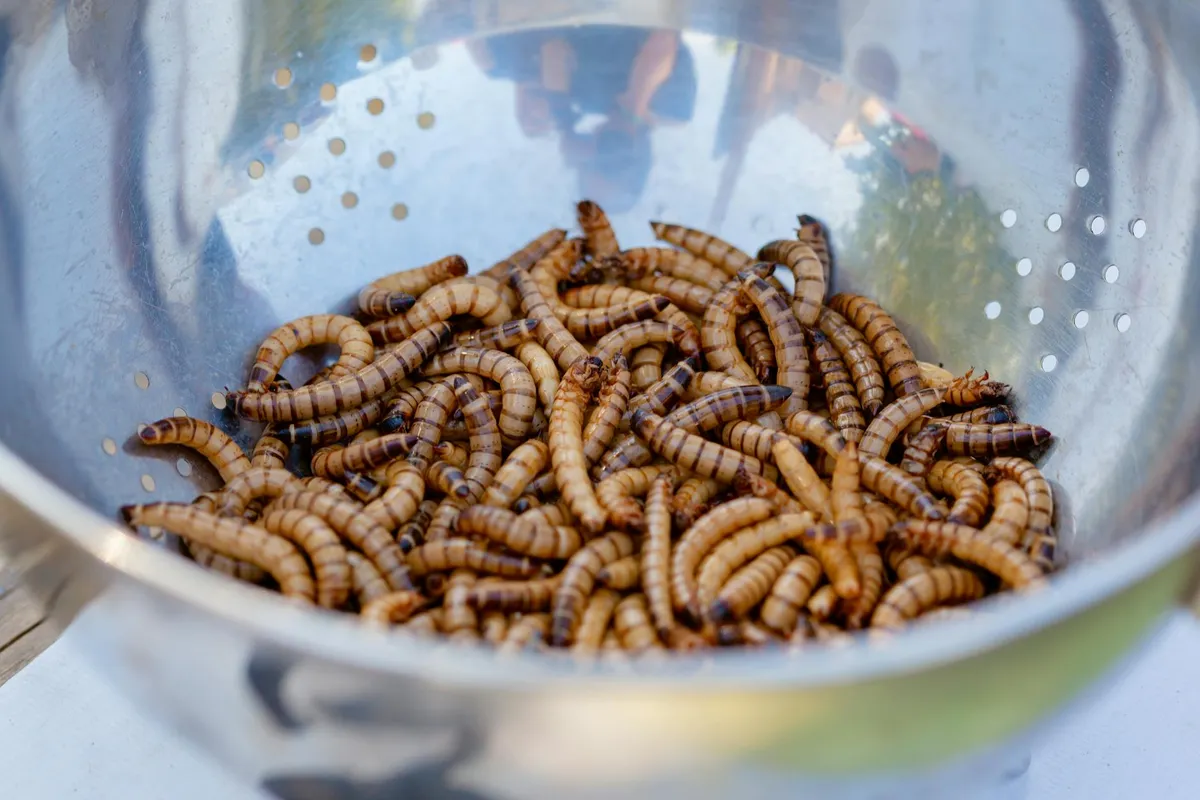
Getting the number right is the key to using superworms as a healthy treat. Feed too many, and you risk obesity and impaction; feed too few, and you miss out on a fantastic protein source. I’ve fine-tuned these amounts over years of caring for my own dragons, and this guide reflects what has worked best for their health and happiness. Keep in mind that the number you offer should adjust for worm type and your dragon’s age. This guide breaks down feeding by age and worm type so you know how many worms to give at each life stage.
Hatchling and Baby Bearded Dragon Superworm Feeding
Your little one is a growing machine and needs a diet that’s about 80% insects. While superworms are tempting, their tougher chitin can be hard on a tiny digestive system.
- Age Range: 0 to 5 months old.
- Superworm Quantity: I recommend 1 to 2 superworms, only once or twice a week as a special treat.
- Main Diet: Their primary insects should be softer feeders like appropriately-sized dubia roaches and black soldier fly larvae.
- Key Rule: Never offer a superworm that is wider than the space between your bearded dragon’s eyes.
I made the mistake of offering a slightly too-large worm to a hatchling early on, and the resulting digestive slowdown was a scary lesson. It’s always better to err on the side of caution with their tiny bodies.
Juvenile Bearded Dragon Superworm Feeding
This is the stage where you can be a bit more liberal, but balance is still everything. Their diet should now be a closer 50/50 split between insects and fresh salads.
- Age Range: 5 to 18 months old.
- Superworm Quantity: You can offer 3 to 5 superworms, two to three times per week.
- Feeding Strategy: Mix them with other staple insects to create a varied and nutritious diet. This prevents your dragon from becoming a picky eater.
My juvenile, Ember, goes absolutely wild for superworms, so I use them to encourage her to eat her greens by placing a worm right on top of her salad. This works wonders for getting her to take that first, crucial bite!
Adult Bearded Dragon Superworm Feeding
Your dragon is all grown up, and their diet needs to reflect their slower metabolism. A daily bugs guide across all life stages suggests adjusting insect intake by age: juveniles eat more insects, adults eat less. An adult’s diet should be about 80% fresh vegetables and 20% insects.
- Age Range: 18 months and older.
- Superworm Quantity: Think of superworms as a rich dessert. Offer just 2 to 3 worms, once a week.
- Health Focus: At this stage, superworms are primarily a treat for enrichment and to maintain a healthy weight, not for core nutrition.
I watch my adult dragon’s weight carefully, and if I notice him getting a little too round, the superworm treats are the first thing to get cut back. Their long-term health is far more important than a moment of excitement at feeding time. Following a should-feed-your-bearded-dragon-every-day guide explains how daily feeding by life stage varies—from babies to juveniles to adults. For example, babies typically need daily, appropriately sized meals, while adults may be fine with a more moderated daily schedule.
How to Feed Superworms Safely and Effectively
How you serve these wriggly treats is just as important as how many you serve. A few simple practices will keep your dragon safe and make mealtime stress-free for both of you.
- Use a Feeding Dish: Always offer superworms in a smooth, escape-proof bowl. This prevents them from burrowing into the substrate where they can be missed and later bite your dragon. I use a ceramic dish with sloped sides.
- Never Leave Live Prey Unattended: Superworms have strong mandibles. If your dragon isn’t interested in eating right away, remove the worms from the enclosure to prevent any chance of injury.
- Gut-Load and Dust: Nutrition doesn’t come from the worm itself, but from what the worm has recently eaten. I always gut-load my superworms with nutritious veggies like sweet potato and carrots for at least 24 hours before feeding. Right before serving, I give them a light dusting with a calcium powder (with D3 for most setups) or a multivitamin, rotating these supplements.
- Supervise the Feast: Stay and watch your dragon eat. This lets you ensure they are striking correctly and not ingesting any loose substrate along with their food.
Risks and Signs of Improper Superworm Feeding
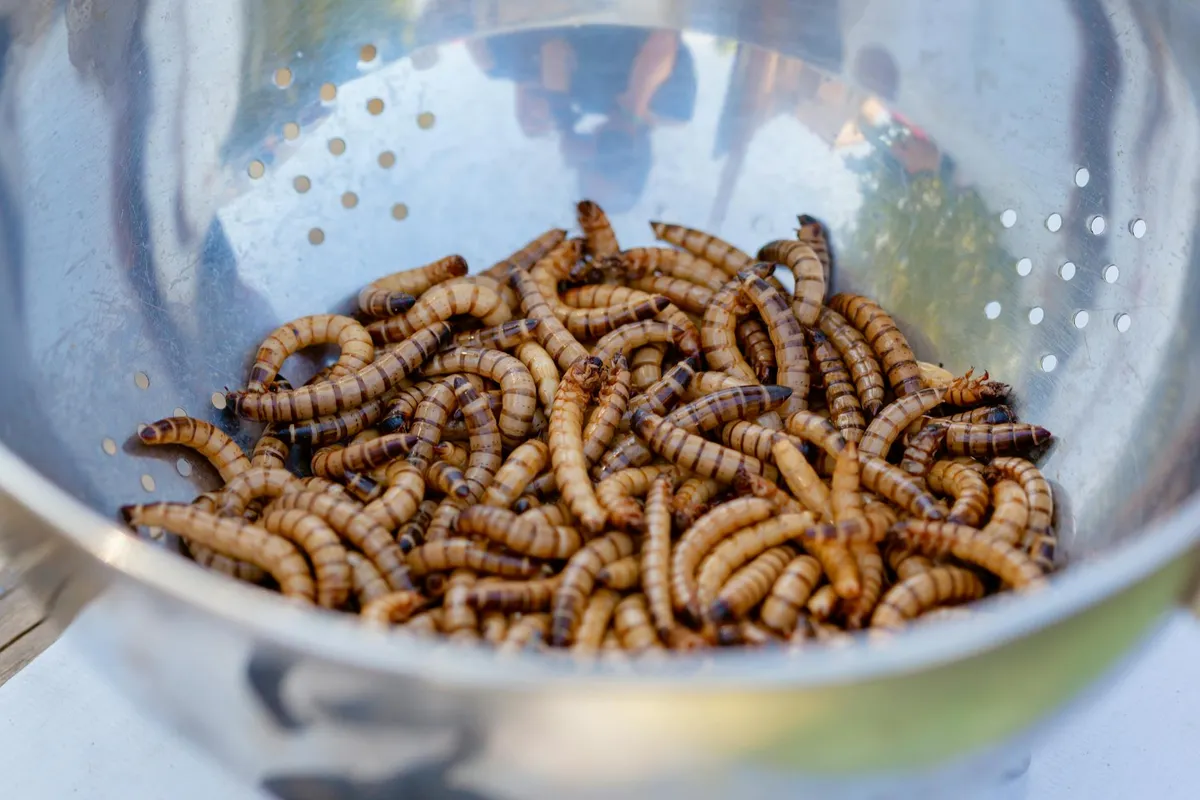
I’ve learned through trial and error that even a good thing can become a problem in excess. Superworms are a fantastic feeder, but they need to be managed carefully. Overfeeding superworms is one of the fastest ways to create health issues for your scaly friend.
Risks of Overfeeding Superworms
- Impaction: This is a serious gut blockage. The high chitin in a superworm’s hard exoskeleton is difficult to digest in large quantities. I always watch my dragons closely after a superworm meal.
- Obesity: Superworms are high in fat. A dragon fed too many will quickly become overweight, putting strain on their organs and joints.
- Nutritional Imbalances: If superworms become the main course, your dragon misses out on the vital vitamins and minerals found in a varied diet. It’s like a child only eating french fries.
Signs You’re Feeding Too Many
Your dragon will tell you when their diet is off; you just need to know how to listen. Watch for a dragon that is lethargic and seems disinterested in other foods, especially their greens. This is a big red flag.
- Weight gain, particularly fat pads on the head and a thick, bulging belly.
- Difficulty passing stool, or strange, runny stools.
- Refusing their regular salad, knowing the “treats” are coming.
Signs of Underfeeding
While less common with superworms, not getting enough protein overall is a problem for growing dragons. A young dragon that is not fed enough will often appear thin, with a narrow body and visible hip bones.
- Lethargy and lack of energy.
- Slow growth or weight loss.
- Increased aggression or frantic glass surfing around feeding time.
Balancing Superworms with Other Foods
Think of your dragon’s diet like a pie chart. Superworms are just one delicious slice, not the whole pie. A balanced diet is your single most powerful tool for ensuring a long, healthy life for your pet. I rotate my feeders constantly to keep things interesting and nutritious. Here’s a guide on what to feed your bearded dragon daily to maintain that balance.
The Staple vs. Treat Feeder Concept
In reptile care, we categorize insects. Superworms fall squarely into the “treat” or “occasional” feeder category for most life stages due to their fat content. Staple feeders, like dubia roaches and black soldier fly larvae, should form the foundation of their insect intake. They are more nutritious and less fatty.
Creating a Balanced Feeding Schedule
Here is a simple framework I use for my own dragons. Remember, every dragon is an individual, so adjust as needed.
Juveniles (Under 5 months)
- Insects should be 80% of their diet.
- Offer superworms 1-2 times per week only.
- Mix 2-3 superworms in with a larger portion of staple feeders like dubia roaches.
- Always provide fresh salad daily.
Sub-Adults (5-18 months)
- Shift to a 50/50 balance of insects and salads.
- You can offer superworms 2-3 times per week.
- A good serving might be 3-5 worms per session, depending on the dragon’s size.
Adults (18+ months)
- Their diet should be about 20% insects and 80% fresh salads.
- Superworms are a perfect weekly treat.
- I typically offer my adults 4-6 superworms once a week as a special bonus alongside their greens.
The Importance of Gut-Loading and Variety
Don’t just feed the superworm to your dragon; feed the superworm first. Gut-loading your superworms with nutritious veggies 24 hours before feeding directly boosts the nutrition your dragon receives. I use sweet potato, carrots, and leafy greens. To maximize this, schedule feedings for when your dragon is most active—usually in the morning after a warm basking session. This timing also helps your dragon digest the gut-loaded prey more efficiently.
Variety is non-negotiable. Rotate through different treat worms like hornworms for hydration and waxworms (sparingly!) for a high-fat snack. This prevents picky eating and covers all nutritional bases. A colorful salad full of collard greens, dandelion greens, and a bit of bell pepper is just as important as the bugs you offer.
Frequently Asked Questions
What is the difference between bearded dragon superworms and mealworms?
Superworms are the larval stage of the Zophobas morio beetle, larger and higher in fat with a tougher exoskeleton, while mealworms come from Tenebrio molitor and are smaller, making superworms a less frequent treat due to their higher risk of causing impaction and obesity.
Why would a bearded dragon vomit after eating superworms?
Vomiting can occur if your bearded dragon overeats superworms, as their high fat and chitin content may overwhelm the digestive system, or if the worms were too large or not properly gut-loaded, leading to irritation or blockage. Watch for other signs of overfeeding, such as regurgitation, weight gain, or lethargy. For more information, refer to the section on overfeeding signs for bearded dragons. To prevent problems, offer appropriately sized prey, limit meals, and provide a balanced diet with greens and calcium.
Is it okay if a bearded dragon only eats superworms?
No, relying solely on superworms can cause serious health issues like obesity, calcium deficiencies, and impaction due to their imbalanced nutrition; a varied diet with staple insects and greens is essential for long-term health.
Final Thoughts
Feeding your bearded dragon is all about balance and paying attention to their life stage. Remember that a baby dragon’s diet is protein-heavy, a juvenile’s is a careful mix, and an adult’s is mostly greens with protein as a side dish. Superworms are a fantastic, high-fat treat, but they should never be the main course. These guidelines form a complete feeding guide for pets. In the wild, bearded dragons may encounter a broader range of foods, but captivity calls for a steady, balanced routine.
From my own experience, watching how your specific dragon reacts is the most important part of all. You are now equipped with a solid feeding framework, so you can confidently offer superworms as a delicious and enriching part of a varied and healthy diet, just as you would other treats like hornworms and mealworms.
Further Reading & Sources
- How Many Superworms to Feed my Pet? – The Critter Depot
- r/BeardedDragons on Reddit: Are Superworms ok to have as staple insect?
- Superworms | Bearded Dragon Forum
Bearded Dragon Lair is the ultimate resource for bearded dragon enthusiasts, offering expert advice and practical tips to ensure the health and happiness of your scaly companion. With years of experience in reptile care, we are dedicated to providing accurate, up-to-date information to support your bearded dragon journey.
Feeding Guidelines