How Many Worms to Feed Your Bearded Dragon: A Guide by Worm Type & Age
Published on: December 9, 2025 | Last Updated: December 9, 2025
Written By: Beardie Joe
Figuring out the perfect worm portion for your bearded dragon can feel like a confusing puzzle, and I see this question pop up all the time in pet owner groups.
As a longtime owner of multiple beardies, I’ve learned through trial and error how to balance their diet for optimal health, and I’m here to help you do the same.
We’ll break down the exact numbers by your dragon’s age, compare different feeder worms, and give you a simple schedule to follow for a happy, healthy pet.
Understanding Worms in Your Bearded Dragon’s Diet
In my own colony, I think of worms as the juicy, high-protein burgers of the bearded dragon world. They’re a fantastic source of energy and help your dragon grow and maintain muscle. Bearded dragons often eat hornworms, mealworms, and even superworms as part of a varied diet. These worm varieties are among the most common options. Worms are primarily a protein source and should be treated as a delicious supplement or a special treat, not the main course.
A salad of leafy greens should always be the foundation of your dragon’s diet, especially for adults. Worms are the exciting toppers that make mealtime fun. Offering a variety of insects, including different worm types, is the single best way to ensure your pet gets a full spectrum of nutrients. Just like you wouldn’t want to eat only chicken every day, your dragon needs a rotating menu.
I learned this lesson the hard way with one of my first dragons. I leaned too heavily on superworms because he loved them so much. This overreliance can lead to serious health problems. Feeding too many fatty worms is a fast track to obesity and fatty liver disease. Wax worms are even fattier and should be offered only as an occasional treat, not a staple. If you do offer them, keep portions small and balance their diet with gut-loaded insects and greens to minimize nutrition risks. Other worms, like mealworms, have a tougher exoskeleton that can be difficult to digest in large quantities, potentially causing impaction.
Safe Worm Types for Bearded Dragons and Their Nutrition
Not all worms are created equal. Here’s a breakdown of the common feeder worms you’ll find, based on what I regularly feed my own crew.
-
Mealworms
These are the classic feeder insect. They have a moderate protein content (around 20%) and a higher fat content (around 13%). Their chitin shell is the main drawback. I use mealworms as an occasional treat for my adult dragons, not a staple. They’re best for dragons who are not juveniles and have a strong digestive system. To know more about their regular diet, check out what do bearded dragons eat.
-
Superworms
Superworms are larger and meatier than mealworms, with a similar protein level but even higher fat (around 18%). They are very enticing to dragons. Due to their high fat and aggressive nature, I strictly limit superworms to a once-a-week “junk food” treat for my adults. I never feed them to my juveniles or smaller dragons.
-
Waxworms
Think of these as bearded dragon candy. They are extremely high in fat (around 22%) and very low in calcium. I only use waxworms for a dragon that needs to gain weight quickly or as a rare, high-value reward for taming or medication. Overfeeding will absolutely lead to an obese dragon that refuses other, healthier foods.
-
Hornworms
These bright blue caterpillars are a fantastic hydrating treat. They are very low in fat (around 3%) and have a soft body, making them easy to digest. I love using hornworms for a hydration boost, especially after a vet visit or during a hot spell. Their main downside is their rapid growth, so you have to use them quickly!
-
Red Wigglers (Earthworms)
This one can be controversial, but from my experience, captive-bred red wigglers are safe. They have a good protein profile (around 10%) and are very low in fat. I find my dragons enjoy the wiggling movement, and they make a decent, low-fat occasional feeder. You must source them from a chemical-free, reptile-safe supplier-never dig them up from your garden.
To make it easy to scan, here’s a quick guide to how I categorize them for my own feeding schedule:
- Staple Worms (for variety): None, really. Crickets and dubia roaches are better staples.
- Regular Treats (1-2 times per week): Hornworms, Black Soldier Fly Larvae (not listed but a great option).
- Occasional Treats (once a week or less): Mealworms, Superworms, Red Wigglers.
- Rare/Junk Food Treats (for special occasions only): Waxworms.
Worms to Avoid for Your Bearded Dragon’s Health

Not every wiggly creature is a safe snack for your scaly friend. I’ve learned through years of care that being selective with your worm choices is one of the most direct ways to protect your dragon’s health. Some worms can introduce serious problems into your pet’s life.
- Wild-Caught Worms: Never, ever feed worms you dig up from the garden or find outside. These worms can carry parasites and have been exposed to pesticides or lawn chemicals that are toxic to your dragon.
- High-Fat Worms: Butterworms and waxworms are like candy for bearded dragons-they love them, but they are extremely high in fat. I only use these as very rare treats, maybe once a month, to avoid liver problems and obesity.
- Hard-Shelled Worms: Superworms and mealworms have a tough chitin exoskeleton that is difficult to digest, especially for younger dragons. Overfeeding them is a common cause of impaction, a dangerous bowel blockage.
The dangers are real. Parasites from wild worms can cause lethargy, weight loss, and abnormal droppings. Impaction from too many hard-shelled worms leads to a swollen belly, lethargy, and a lack of bowel movements, which is a veterinary emergency. If your dragon seems off after a meal, watch them closely.
Feeding Worms by Bearded Dragon Age: Portion Guidelines
Getting the portion size right is just as important as choosing the right worm. Their needs change dramatically as they grow from a tiny hatchling into a majestic adult.
Baby Bearded Dragons (0-3 Months)
These little ones are growing at an incredible rate and need a ton of protein to fuel that growth. I feed my babies 3-4 times a day, offering them as many small, appropriate worms as they can eat in a 10-15 minute window. This usually amounts to 30-80 tiny feeders per day, mixed with their greens.
- Black Soldier Fly Larvae (calciworms or phoenix worms) are my absolute top choice. They are small, soft-bodied, and packed with calcium.
- Small dubia roach nymphs are also excellent, but if you’re using worms, stick with the small, soft ones that are easy to digest.
Juvenile Bearded Dragons (3-6 Months)
Your dragon is getting bigger and its appetite is still massive. You can start to introduce a slightly wider variety, but protein is still the main focus. I reduce feedings to 2-3 times per day, offering a total of 20-40 appropriately-sized feeders daily.
- You can continue with black soldier fly larvae and small dubia roaches.
- You may cautiously introduce one or two soft-bodied silkworms as part of their variety. Focus on calcium-rich worms to support their rapidly developing bone structure.
Subadult Bearded Dragons (6-12 Months)
This is the transition phase where their growth starts to slow down. It’s a critical time to adjust portions to prevent unhealthy weight gain. I switch to one feeding of insects per day, offering about 10-20 worms or feeders. Their diet should now be about 50% insects and 50% fresh salads.
- This is a good time to introduce more variety. I use a mix of dubia roaches, black soldier fly larvae, and the occasional superworm as a rare part of that mix.
- Always monitor their body condition. If they start looking round, cut back on the worm count.
Adult Bearded Dragons (12+ Months)
Your dragon is all grown up! Their diet now flips to be primarily vegetarian. I feed my adults insects only 2-3 times per week, with a total of 10-20 worms for the entire week. Overfeeding protein at this stage is the fastest way to an overweight, unhealthy dragon.
- Staple worms like dubia roaches and BSFL should make up the bulk of their insect meals.
- High-fat worms like waxworms or hornworms can be offered as a single treat no more than once or twice a month. Think of worm feedings for adults as a supplement to maintain muscle, not a main course.
How Often to Feed Worms: Frequency and Sizing Tips

Getting the schedule right is one of the most common challenges for new owners. I remember staring at my first dragon, Bilbo, completely frozen, wondering if I was giving him too much or too little. Your dragon’s age is the single biggest factor in determining their worm-feeding schedule. Their needs change dramatically as they grow.
Weekly Feeding Schedule by Age
Think of their life in three main stages. This schedule outlines how many times per week you should offer worms.
- Babies (0-4 months): Offer a small number of appropriately sized worms 2-3 times per day. Their bodies are growing machines and need constant fuel.
- Juveniles (4-18 months): Scale back to one feeding of worms per day. You’ll start to see their appetite for veggies increase during this stage.
- Adults (18+ months): Worms become more of a treat. Feed them a set portion of worms only 2-3 times per week. The rest of their diet should be fresh salads.
Matching Worm Size to Your Dragon
This is the golden rule I follow with all my reptiles. It’s simple and prevents serious health issues. A worm should never be wider than the space between your bearded dragon’s eyes. Any larger, and you risk a dangerous gut impaction.
For tiny hatchlings, this means pinhead crickets or freshly hatched black soldier fly larvae. For a full-grown adult, a large hornworm is a perfectly safe, hydrating snack.
Signs of Proper Feeding vs. Overfeeding
Your dragon will tell you if the menu is working. You just have to learn their language.
Signs of a well-fed dragon:
- Alert, active, and bright-eyed.
- Consistent, firm bowel movements.
- A strong, healthy body weight without a hugely distended belly.
Red flags you’re overdoing it with worms:
- A constantly bloated or hard stomach.
- Lethargy and lack of appetite for their salad.
- Runny, unusually smelly stools or a lack of bowel movements.
- Visible fat pockets under the arms and on the back of the head.
Gut-Loading and Preparing Worms for Optimal Nutrition
Feeding worms to your dragon isn’t just about the worm itself. A worm is only as nutritious as what you feed it 24-48 hours before it becomes dinner. This process is called gut-loading, and it’s a non-negotiable step for responsible care. For bearded dragons, mealworms—whether live, dried, or giant—are a common choice when fed carefully. This guide will walk you through selecting, gut-loading, and safely feeding them as part of a balanced diet.
Steps to Gut-Load Your Worms
Think of yourself as a chef preparing a meal for your dragon. You’re building the nutrition from the ground up.
- Place your feeder worms in a separate, ventilated container.
- Provide them with a high-quality gut-loading diet. I use a commercial powder mixed with fresh, dragon-safe veggies like squash, carrots, and leafy greens.
- Let the worms feast on this nutritious mix for at least 24 hours. This fills their guts with the vitamins your dragon needs.
- Dust the gut-loaded worms with a calcium or vitamin supplement right before feeding.
Safe Feeding Methods to Reduce Risks
A little preparation makes mealtime safer and less messy.
- Always feed from a smooth, shallow dish to prevent worms from escaping and ingesting loose substrate.
- Never leave uneaten live prey in the enclosure for more than 15-20 minutes. A hungry cricket can nibble on your sleeping dragon.
- For particularly wiggly worms like hornworms or superworms, I sometimes gently hold them with soft-tipped feeding tweezers. This lets me control the interaction and prevents accidental bites.
How Preparation Affects Protein and Calcium
Gut-loading directly transforms a simple worm into a multivitamin. A worm fed on nutrient-poor cardboard is basically empty calories. By gut-loading with calcium-rich greens, you directly boost the calcium available to your dragon.
This is critical for preventing Metabolic Bone Disease (MBD), a common and devastating illness. A well-prepared worm provides a powerful punch of protein, moisture, and bioavailable calcium. A poorly prepared one is just fat and chitin. Your effort in these final steps makes all the difference for their long-term health.
Risks of Overfeeding Worms and Health Monitoring
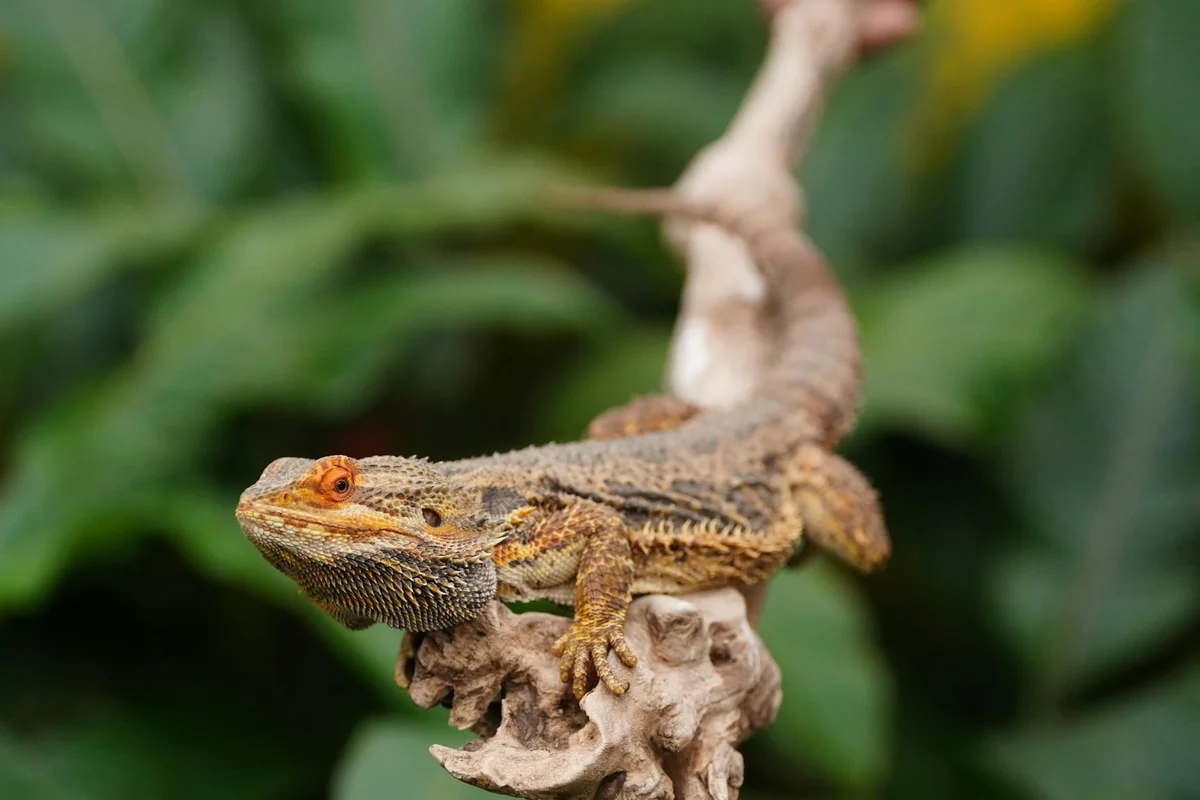
I learned this lesson the hard way with my first beardie, Spike. I was so excited to feed him that I didn’t realize I was giving him too many treats. Overfeeding worms is one of the fastest ways to compromise your dragon’s health, and the signs can be subtle at first. You need to become a keen observer of their daily habits. Bearded dragons can enjoy worms as part of a safe, nutritious diet when offered in moderation and with the right varieties. A bearded dragons eat worms guide can help you navigate the best options for a healthy worm diet.
Symptoms of Overfeeding to Watch For
- Lethargy and Lack of Appetite: A dragon that is too full or feeling unwell will often become sluggish and refuse food, even their favorites.
- Rapid Weight Gain: You might notice fat pads on their head becoming overly large or a round, bulging belly even when they haven’t just eaten.
- Unusual Poop: Diarrhea, overly smelly waste, or undigested insect parts in their stool are red flags that their system is overwhelmed.
- Hiding More Than Usual: While beardies hide sometimes, a sudden increase can signal they don’t feel well.
When to Seek Veterinary Care
Trust your gut. You know your pet best. Healthy bearded dragons typically show steady appetite, normal droppings, and regular activity. Sick dragons may show changes such as loss of appetite, infrequent or no bowel movements, or bloating. If your bearded dragon shows a combination of symptoms-like no pooping for over a week paired with a lack of appetite and bloating-it’s time to call your reptile vet. Don’t wait and hope it gets better. Impaction is a serious, life-threatening condition.
Connecting Overfeeding to Serious Health Issues
- Impaction: This is a dangerous bowel blockage. Too many large or hard-shelled worms, like superworms, can create a clog in their digestive tract. This is a medical emergency.
- High Fat Content Problems: Worms like waxworms and butterworms are like candy. Feeding them too often can lead to fatty liver disease and severe obesity, shortening your dragon’s life.
- Nutrient Imbalances: Relying too heavily on worms can throw off their calcium-to-phosphorus ratio, putting them at risk for Metabolic Bone Disease (MBD), which is devastating to their skeleton.
Frequently Asked Questions
Why are there worms in my bearded dragon’s poop?
Seeing whole worms in the feces usually means the worms were too large or fed in excess, leading to poor digestion. It could also indicate a parasitic infection, so consult a veterinarian if this happens frequently.
What are the symptoms of overfeeding worms to my bearded dragon?
Symptoms include lethargy, a bloated belly, loss of appetite for greens, and unusual stool like diarrhea or undigested parts. Over time, this can lead to obesity, impaction, or nutrient imbalances.
Where can I buy safe worms for my bearded dragon?
You can purchase captive-bred feeder worms from reputable pet stores like Petsmart, online retailers, or specialized breeders. Always ensure they are sourced from chemical-free environments to avoid health risks.
Your Worm-Feeding Blueprint
Getting the worm count right boils down to two things: your dragon’s age and the type of wiggler you’re offering. Stick to a schedule where younger dragons get more frequent, protein-rich meals, while adults thrive on a varied diet with more veggies and fewer worms. Always let the worm type guide your portion size, as some are everyday staples and others are just for treats. Age-based feeding guides often say that many mealworms are appropriate for younger dragons, with portions tapering as your dragon ages. Aligning worm portions with age helps ensure you’re feeding the right amount at each life stage.
From my own experience, watching how your specific dragon responds is the ultimate guide. A healthy, well-fed bearded dragon is active, alert, and has a good body condition, and that’s the living testament you’re doing it right. However, you can also rely on a visual guide to assess your dragon’s weight.
Further Reading & Sources
- Superworms for Bearded Dragons: Everything You Need to Know – Dragon’s Diet
- r/BeardedDragons on Reddit: I am a beginner. How many worms do I need to feed my 6 months old bearded dragon a day?
- Bearded Dragon Dewormer: How to Administer (With Dosages)
Bearded Dragon Lair is the ultimate resource for bearded dragon enthusiasts, offering expert advice and practical tips to ensure the health and happiness of your scaly companion. With years of experience in reptile care, we are dedicated to providing accurate, up-to-date information to support your bearded dragon journey.
Feeding Guidelines