
How to Properly Hold a Bearded Dragon (And Handling Limits)
Published on: March 27, 2026 | Last Updated: March 27, 2026
Written By: Beardie Joe
Picking up your bearded dragon for the first time can feel a little nerve-wracking for both of you.
With years of experience caring for my own dragons, I’ll guide you through the process safely and confidently.
We’ll cover the right way to scoop and hold your pet, read their body language for stress, and find the perfect balance for handling frequency.
Bearded Dragon Handling Basics
Gentle handling is the absolute bedrock of a positive relationship with your bearded dragon. It’s not just about picking them up; it’s a continuous conversation of trust that directly impacts their mental and physical health. A stressed dragon is a susceptible dragon, and calm, confident handling keeps their stress hormones in check and their immune system strong. Learn more about how to calm a stressed bearded dragon.
Let’s break down a few key terms you’ll live by:
- Two-Handed Support: This means one hand supports their chest and front legs, while your other hand cradles their hindquarters and tail. Their entire body feels secure, not dangling.
- Calm Environment: This means no loud TVs, no barking dogs, and no fast-moving people during your initial handling sessions. You’re building a sanctuary of peace.
One of the most critical rules I learned early on is to never, ever restrain your dragon or grab them by the tail. Restraining them triggers their primal “I’m being eaten” panic, and grabbing the tail can cause serious injury or even lead to tail drop, a traumatic and stressful event for them. Their tail is an extension of their spine, not a handle — even when you try to pick them up properly, especially if they’re scared or aggressive.
Step-by-Step Guide to Proper Holding Technique
Preparing for Handling
Think of this as setting the stage for a positive experience. Rushing this part is the most common mistake I see.
- Wash Your Hands: Use unscented soap. Your dragon explores the world with its tongue, and strong smells from lotions or food on your hands can be alarming or confusing.
- Ensure a Calm Setting: Turn down loud music and ask others in the room to move slowly. A calm environment tells your dragon that everything is okay.
- Approach Slowly and Deliberately: Never approach from above like a predator. Come from the side or front, within their line of sight, and let them see your hand coming.
Lifting and Supporting Your Dragon
This is the main event, and smooth, confident movements are everything.
- Gently slide one hand under their chest, between their front legs. Your fingers should be able to support their weight comfortably.
- As you lift, immediately use your other hand to scoop up their back legs and support the base of their tail. Your goal is to have their entire body supported horizontally, like a little scaly plank.
- Keep the initial lift very close to a soft surface, like over their enclosure floor or a couch cushion. This simple act prevents panic and potential injury from a fall, which can happen even with the most docile dragon if they get spooked. I always practice this low-to-the-ground method with my own dragons.
During and After Handling
Your job isn’t over once they’re in your hands. You need to be a master of reading their body language.
- Watch for Stress Signs: A black, beard-like patch appearing on their throat, frantic scrambling, or a body that stays rigid and tense are all clear signals. Hissing is a definite “put me back now.”
- Keep Sessions Short and Sweet: For new dragons, five minutes is a huge win. It’s always better to end a session while they are still calm than to wait for them to get stressed.
- End Sessions Calmly: Lower them back into their enclosure using the same two-handed support, placing them gently on a basking spot or a familiar hide. A positive ending makes them more willing to interact with you next time.
Recognizing Stress Signs in Your Bearded Dragon
Learning to read your bearded dragon’s mood is your most important job as a handler. Their body language is very clear once you know what to look for, and ignoring these signals is a fast way to damage their trust in you. I’ve learned this the hard way with my own dragons; paying attention saves everyone stress.
- Black Beard: This is the big one. A beard that darkens to jet black is a classic sign of stress, fear, or agitation. It’s their way of saying, “Back off, I’m not comfortable.”
- Puffing Up: If they inflate their body and beard to look bigger, they feel threatened. It’s a defensive display meant to scare off a potential predator-which, in that moment, might be you.
- Gaping Mouth: An open-mouthed hiss is a clear warning. They are not yawning; they are telling you they feel cornered and are ready to defend themselves.
- Frantic Scratching or Clawing: During handling, if they desperately try to scramble away from you, they are not “playing.” They are trying to escape a situation they find frightening.
- Color Darkening: Aside from the beard, their overall body color may become darker when they are stressed or feeling cold.
Behaviors after handling are just as telling. A stressed dragon will often retreat to a hide, refuse food, or glass surf (repeatedly scratching at the enclosure walls) once you return them. If you see this, you know the session was too long or too intense for them. Notice your bearded dragon’s stressed spot signs—these cues can guide you to reduce their anxiety. By recognizing them, you can tailor handling to be gentler and shorter next time.
How Much Handling Is Too Much? Frequency and Duration
Factors Influencing Handling Limits
There is no single perfect schedule that fits every bearded dragon. The right amount of handling depends entirely on your individual dragon’s personality and life stage. I have one adult who would sit on my shoulder all day and a juvenile who prefers to observe the world from inside his tank. For adults, feeding should follow a regular routine tailored to size and health. In many cases, adults are fed on a daily schedule (with adjustments based on appetite and body condition).
- Age: Juvenile bearded dragons are often more skittish and have higher metabolisms, requiring more frequent feeding and basking. Too much handling can interrupt their crucial growth routines. Adults are typically more settled and can often tolerate longer, calmer sessions.
- Temperament: Some dragons are naturally bold and curious, while others are more timid. You must work at the pace of the shyest dragon, not the bravest one.
- Health: A dragon that is shedding, recovering from illness, or impacted should not be handled except for necessary medical care. Handling adds stress when their body is already working hard.
- Bonding: Consistent, positive, and short interactions build trust. Forcing long sessions can destroy it. Bonding is a marathon of positive moments, not a sprint.
Recommended Handling Schedules
Use these guidelines as a starting point and always let your dragon’s behavior be your final guide.
- For New or Skittish Dragons: Start with just 5-10 minutes of gentle handling once a day, or even every other day. The goal is to end the session before they show any signs of stress.
- For Well-Acclimated Adults: A common routine is 15-30 minutes of handling once or twice a day. I never let a session go beyond 30-40 minutes without giving my dragon a choice to go back.
- Rest Periods are Non-Negotiable: Always allow for long, uninterrupted periods where your dragon is left completely alone in its enclosure. This is especially vital after eating so they can properly digest their food under their heat lamp.
The best rule I live by is to always leave them wanting more. If you end the handling session while your dragon is still calm and content, they will associate you with a positive experience and be more willing to interact next time.
Acclimating Your Bearded Dragon to Human Touch
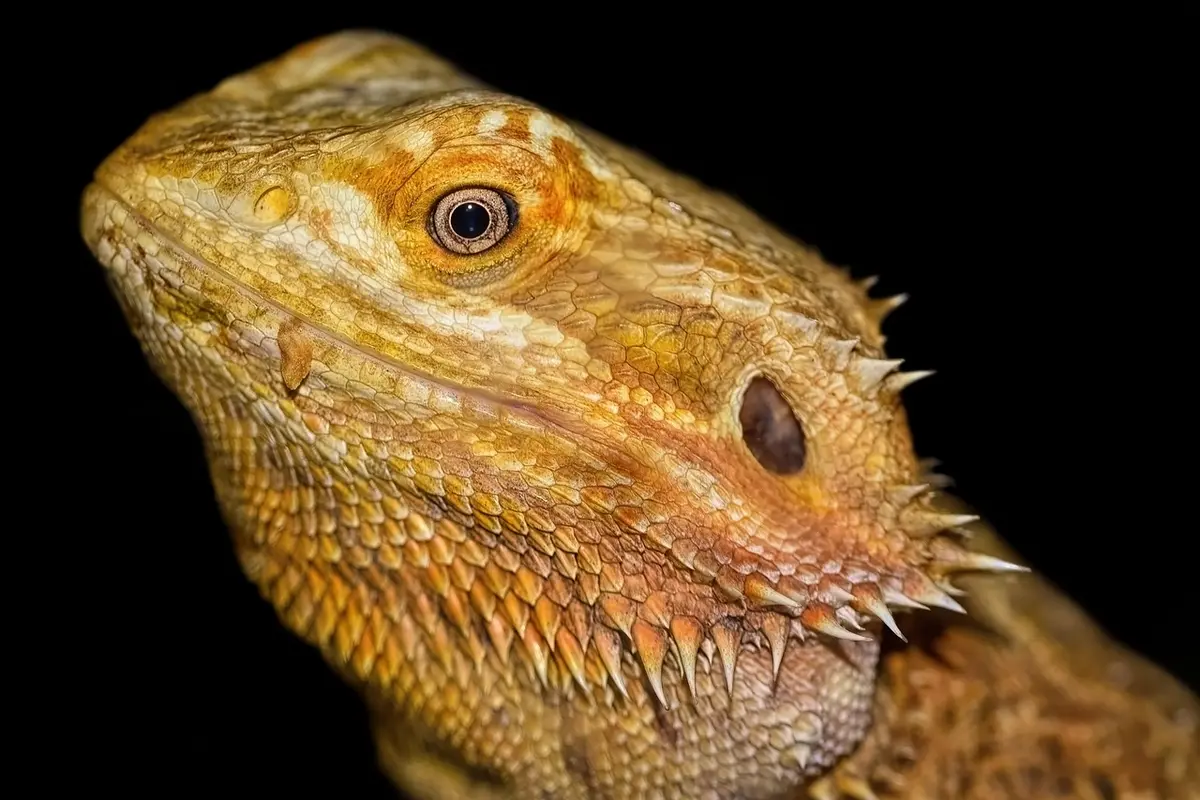
When I brought home my first dragon, a little guy named Ember, he would pancake himself flat at the sight of my hand. I learned that patience isn’t just a virtue; it’s the entire process. Rushing this stage is the single biggest mistake new owners make, and it can set back your bonding for weeks.
Your goal is to build trust, not force an interaction. Think of yourself as a giant, friendly tree they can learn to climb, not a predator they need to escape.
Methods for Slow Acclimation
- Start with the Hand-in-Tank Method: Simply place your hand, palm up, inside the enclosure for 10-15 minutes at a time. Do this a few times a day. Don’t try to touch them. You’re just a neutral, non-threatening presence. Let them come to you.
- Use Food as a Positive Reinforcer: Offer a favorite treat, like a piece of raspberry, from your open palm. This builds a powerful positive association with your hand. I still do this with my dragons as a “hello” ritual.
- Initiate Contact Gently: When they seem calm, slowly and gently stroke their back or the top of their head. Avoid coming from above, as this mimics a bird of prey. Always approach from the side or front where they can see you.
Habituation Through Short, Positive Sessions
Once they tolerate light touch, you can begin short handling sessions.
- Keep Sessions Under 10 Minutes: For a new or nervous dragon, five minutes is plenty. You want to end the session *before* they show signs of stress.
- Lift Them Properly: Slide one hand under their chest, between their front legs, and use your other hand to support their hind legs and tail. Lift them in one smooth, confident motion.
- Sit in a Secure Area: I always sit on the floor with my dragons during early sessions. This way, if they jump, it’s a very short, safe fall. A soft blanket or towel makes a great surface.
- Watch Their Body Language: A calm dragon will be relaxed, perhaps even curious. Stress signs include a blackened beard, gaping mouth, and frantic scrambling. If you see these, calmly return them to their home.
The key is consistency; daily, gentle, and predictable handling builds a foundation of trust that lasts their entire lifetime.
Safety Precautions for Handling Bearded Dragons
Even the most docile bearded dragon is still a living animal with instincts. Their safety and your safety are two sides of the same coin. I’ve handled hundreds of dragons, and I still follow these rules every single time. Bearded dragons aren’t dangerous by nature, but bites can happen, so understanding bite risks and safety is essential.
Key Handling Risks
- Bite Risk is Real but Manageable: A bearded dragon bite is rare and usually happens due to mistaken identity (smelling food on your fingers) or feeling threatened. Always wash your hands before and after handling to remove any tempting food smells. If you do get bitten, stay calm. Do not pull away, as this can cause more damage. Gently pry their mouth open.
- Substrate Safety is Critical: Never handle a dragon over loose substrate like sand or wood chips. If they jump and land face-first, they can accidentally ingest it, leading to a potentially fatal impaction. Handle them over a solid floor, a table, or a clean towel.
- Perform a Quick Temperature Check: A cold dragon is a sluggish, stressed dragon. Only handle your pet when they’ve had ample time to bask and are at their ideal active temperature. A cold dragon will feel cool to the touch and be less responsive.
When to Seek Professional Help
Sometimes, behavior issues are a sign of a deeper problem. Your dragon isn’t trying to be difficult; they might be trying to tell you they don’t feel well.
- Persistent Hissing or Biting: If your dragon consistently acts aggressively after the initial acclimation period, it’s time for a vet visit. This can signal pain from an injury, internal issues like parasites, or chronic stress from an incorrect habitat setup.
- Lethargy or Hiding Excessively: While it’s normal for them to hide sometimes, a dragon that never wants to come out or be handled could be sick. A reptile-savvy vet can run tests to rule out common illnesses.
An annual check-up with a qualified reptile veterinarian is one of the best investments you can make in your dragon’s long-term health and temperament. A healthy dragon is almost always a handleable dragon.
Bonding with Your Bearded Dragon Through Handling
Think of handling not as a chore, but as your primary language for communicating trust. Your bearded dragon may not understand your words, but they absolutely understand the safety and consistency of your gentle touch. This regular, calm interaction is the foundation of your entire relationship. It’s the first step to taming a bearded dragon and building a bond.
I’ve raised several beardies from skittish juveniles to calm, hand-climbing adults. The transformation always comes down to positive, repeated handling sessions. They learn that your scent and your hands mean security, not danger.
Reading Their Body Language
Your dragon is talking to you all the time with their posture and color. Learning this language is the secret to a strong bond.
- Relaxed and Content: A flat, not puffed-up body. Their beard is its normal color. They might even close their eyes slowly, which is a sign of trust.
- Stressed or Scared: A black, puffed-out beard is a major “back off” signal. A wide-open mouth and a flattened, pancake-like body are also clear signs of fear.
- Curious and Alert: They might tilt their head to get a better look at you. Their movements are slow and deliberate, not frantic.
Always end a handling session on a positive note, before any signs of stress appear. This leaves them with a good memory, making them more eager for the next interaction.
When to Avoid Handling Your Bearded Dragon

Even with the best intentions, there are times when handling does more harm than good. Respecting these boundaries is a critical part of responsible ownership.
I learned this the hard way with my first dragon, trying to handle him during a bad shed. It only made him more irritable and stressed. Since then, I’ve focused on helping my bearded dragon shed safely, especially when a patch gets stuck. I take a calm, patient approach to support him through stuck sheds.
- During Shedding: Their skin is tight, itchy, and sensitive. Handling can be uncomfortable and may even tear their new skin. Let them be until they’ve finished.
- Right After a Meal: They need warmth and stillness to properly digest their food. Handling can cause regurgitation or impaction. Wait at least an hour or two.
- If They Are Ill or Injured: Extra stress can weaken their immune system. Unless you are administering medication, it’s best to keep handling to an absolute minimum.
- During Brumation: This is a reptile’s version of hibernation. Let them sleep. Waking them repeatedly is incredibly stressful and depletes their energy reserves.
Signs to Pause or Reduce Handling
Your dragon will tell you if they’ve had enough. Watch for these subtle cues.
- Consistently running away or hiding when you approach the tank.
- Persistent glass surfing when you are near.
- Frequent beard blackening that isn’t related to mating displays.
- A general lack of appetite that coincides with increased handling.
Paying attention to these signals isn’t a failure; it’s a sign of a truly attentive and caring owner. It shows you respect your pet’s needs above your own desire to interact.
Frequently Asked Questions
How can I tell if my bearded dragon is enjoying being handled?
Look for relaxed body language, such as a flat body not puffed up, normal beard color, and slow, curious movements. They may even close their eyes briefly, which indicates trust and comfort.
Is it safe to let children handle bearded dragons?
Yes, but only under direct adult supervision to ensure gentle handling and full body support. Teach children to move slowly and avoid sudden noises to prevent stressing the dragon. Bearded dragons do make sounds—soft grunts or hisses—that can signal stress, hunger, or comfort. This guide explains what each sound means and how to respond.
What should I do if my bearded dragon seems scared every time I try to handle it?
Return to foundational acclimation techniques, like spending time with your hand in the enclosure without touching, and use food rewards to create positive associations. Consistency and patience are key to building trust over time.
Final Thoughts
The best way to hold your bearded dragon is with confidence and care, supporting their entire body in your open palms. This makes them feel secure and prevents stress. Always move slowly and let them see your hands coming. From my own experience, a calm approach builds a bond of trust that makes handling a joy for both of you.
While daily, gentle handling is fantastic for taming, it’s vital to watch for signs they’ve had enough. If they darken their beard or try to bolt, it’s time for a break. Respecting their boundaries is the ultimate form of love and care, ensuring your scaly friend stays happy and healthy for years to come.
Further Reading & Sources
- How to Handle a Bearded Dragon: Do’s and Don’ts | PetSmart
- r/BeardedDragons on Reddit: Can I handle my bearded dragon?
- How to handle a Bearded dragon safely and stress-free
Bearded Dragon Lair is the ultimate resource for bearded dragon enthusiasts, offering expert advice and practical tips to ensure the health and happiness of your scaly companion. With years of experience in reptile care, we are dedicated to providing accurate, up-to-date information to support your bearded dragon journey.
Handling Best Practices