What Are the Different Bearded Dragon Varieties?
Published on: April 24, 2026 | Last Updated: April 24, 2026
Written By: Beardie Joe
If you’re wondering just how many types of bearded dragons exist, you’re not alone-I asked the same question when I first fell in love with these incredible reptiles.
As a long-time owner of multiple beardies with a background in reptile care, I’m here to help you navigate their wonderful world with confidence and compassion.
We’ll explore the main morphs and colors, see pictures to tell them apart, and I’ll share the specific care tips I use to keep all my dragons healthy and happy.
Understanding Bearded Dragon Morphs and Varieties
When I first started keeping bearded dragons, I was amazed by the rainbow of colors and patterns available. A morph is simply a genetic variation that changes a dragon’s appearance, like its color, pattern, or scale texture. These differences come from selective breeding, where breeders carefully pair dragons to emphasize specific traits over many generations.
In the wild, bearded dragons are mostly earthy tones-think tans, browns, and greys-to help them blend into their Australian outback homes. Wild-type dragons have rugged, practical looks, while captive-bred ones can sport vibrant reds, citrus yellows, or even silky white scales. I’ve handled both, and the captive varieties often feel smoother and look more striking. Colors aren’t just eye candy—they carry meaning: their hues reflect genetics (morphs) and can shift with temperature or stress, hinting at well-being and environment.
You’ll hear a few key terms when exploring morphs. Here’s a quick breakdown:
- Morphs: These are the main genetic types, such as hypo or leatherback, that define a dragon’s look.
- Color Phases: This describes the range of shades a morph can show, which might shift with age, health, or mood.
- Genetic Traits: These are the inherited codes, like those for scale type or pigment levels, that breeders manipulate.
I always remind new owners to support ethical breeders. Responsible breeding focuses on health and vitality, not just creating the flashiest dragon. Over the years, I’ve seen poorly bred morphs suffer from weak immune systems or joint issues, so choose your source wisely.
Popular Bearded Dragon Color Morphs
Let’s explore some fan-favorite color morphs I’ve cared for. Each has its own charm, but they all thrive with the same love and attention. I’ll describe their looks, size, and personality based on my hands-on experience.
- Hypomelanistic (Hypo): These dragons have less dark pigment, giving them bright, clean colors and clear nails instead of black. They typically grow to 18-22 inches and are known for their mellow, friendly nature. My hypo, Sunny, was always the first to climb onto my hand for a snuggle.
- Translucent: Recognizable by their slightly see-through skin, especially as babies, with a blue-ish belly and solid black eyes. They reach about 16-20 inches and can be a bit shy initially, but they warm up with gentle handling. I’ve found their unique appearance makes them a conversation starter.
- Witblits: This morph lacks patterns, offering a solid, often light-colored body that looks sleek and modern. They average 17-23 inches in length and tend to be calm and easygoing. One of my witblits, Blizzard, had such a relaxed vibe that he helped nervous friends feel at ease around reptiles.
No matter the morph, their care essentials don’t change much. Stick to a routine with proper heat, UVB light, and nutritious veggies to keep your dragon glowing with health. I’ve raised multiple morphs side-by-side, and consistency is the real secret to their happiness.
Scale and Skin Texture Varieties
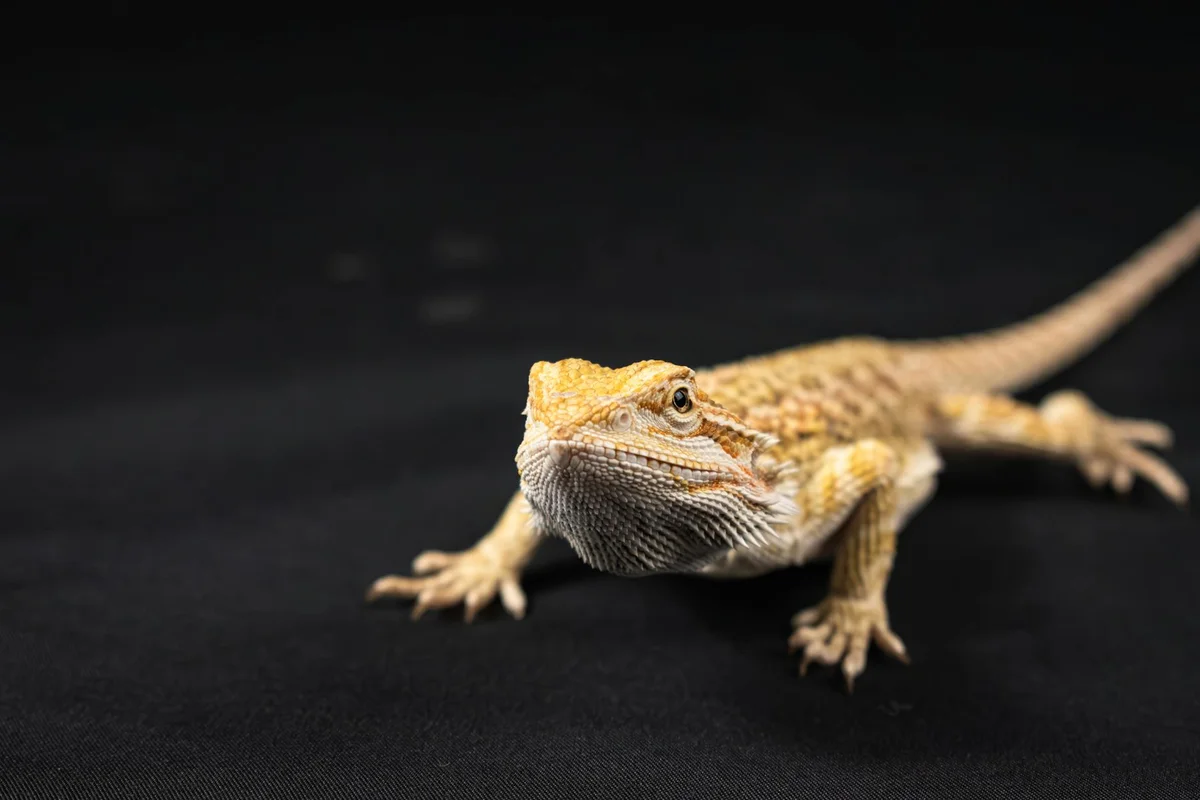
Beyond just color, the very texture of a bearded dragon’s skin can vary dramatically. I’ve cared for several of these unique texture morphs, and they each have their own special charm and requirements. In a bearded dragon species morph identification guide, texture is documented alongside color and pattern to help distinguish morphs. This makes it a handy reference for buyers and hobbyists alike.
Leatherback Bearded Dragons
A Leatherback dragon has scales that are significantly reduced in size and height. This gives their back a much smoother, almost leather-like feel compared to the rough, spiky texture of a standard morph. Their unique scaling often makes their colors appear more vibrant and solid, which is a beautiful bonus. I’ve found my leatherback, Ember, to be wonderfully smooth to handle.
Silkback Bearded Dragons
Silkbacks, sometimes called Silkie dragons, take the scale reduction of the Leatherback to the extreme. They have almost no scales at all, resulting in an incredibly smooth, silky skin. This complete lack of scales is a result of selective breeding and comes with serious care considerations that every potential owner must understand.
Special Care for Scale-Reduced Morphs
- Humidity & Hydration: Their skin is less effective at retaining moisture. I provide a shallow water dish for drinking and occasional, light misting, being careful to let the skin dry completely to prevent issues.
- Lighting Sensitivity: Without the protection of full scales, their skin is more sensitive to intense UVB and heat. You must ensure your lighting is at the correct, safe distance and that plenty of shaded areas are available in the enclosure.
- Shedding Assistance: These dragons often need help shedding. I offer lukewarm soaks and gently rub stubborn shed with a soft, damp cloth. Never pull the shed off.
Health Considerations
- Silkbacks are prone to skin injuries from rough decor or even gentle scratches. I only use smooth-edged branches and rocks in their tank.
- They can easily develop skin infections if their habitat is not kept impeccably clean. Spot cleaning daily and a full substrate change regularly is non-negotiable for their health.
- Due to their specialized needs, I strongly recommend silkbacks only for experienced reptile keepers who are prepared for the extra commitment.
Essential Care Tips for All Varieties
No matter if your dragon is a common standard or a rare silkback, their fundamental needs are the same. Getting these basics right is the foundation of a long, healthy life for your scaly friend.
Enclosure and Environment
- Enclosure Size: A single adult bearded dragon requires a minimum of a 120-gallon (4x2x2 feet) enclosure. Bigger is always better.
- Basking Spot Temperature: This area needs to be a toasty 95-110°F. I use a high-quality digital thermometer to monitor this constantly.
- UVB Lighting Setup: A linear fluorescent UVB tube light is absolutely essential, not an optional extra. It must span about half the enclosure’s length and be replaced every 6-12 months, even if it still looks bright.
Diet and Supplementation
- Offer a fresh salad of leafy greens (like collard or dandelion greens) and other veggies daily.
- Feed live insects (such as dubia roaches or crickets) appropriately sized for your dragon. Juveniles eat more insects, while adults eat more veggies.
- Dust insects with a calcium supplement (without D3 if your UVB is correct) at almost every feeding for juveniles and most feedings for adults. A multivitamin powder is needed a couple of times a week.
Substrate and Enrichment
- Safe Substrate Options: For beginners and juveniles, I always recommend non-particle substrates like reptile carpet, slate tile, or paper towel. Loose substrates like a soil/sand mix can be used for experienced owners with healthy adults.
- Mental Stimulation: Bearded dragons are curious. I regularly rearrange the decor in my tanks to create a “new” environment for them to explore. You can also offer digging boxes or take them for supervised exploration outside of their enclosure.
How to Choose the Right Bearded Dragon for You
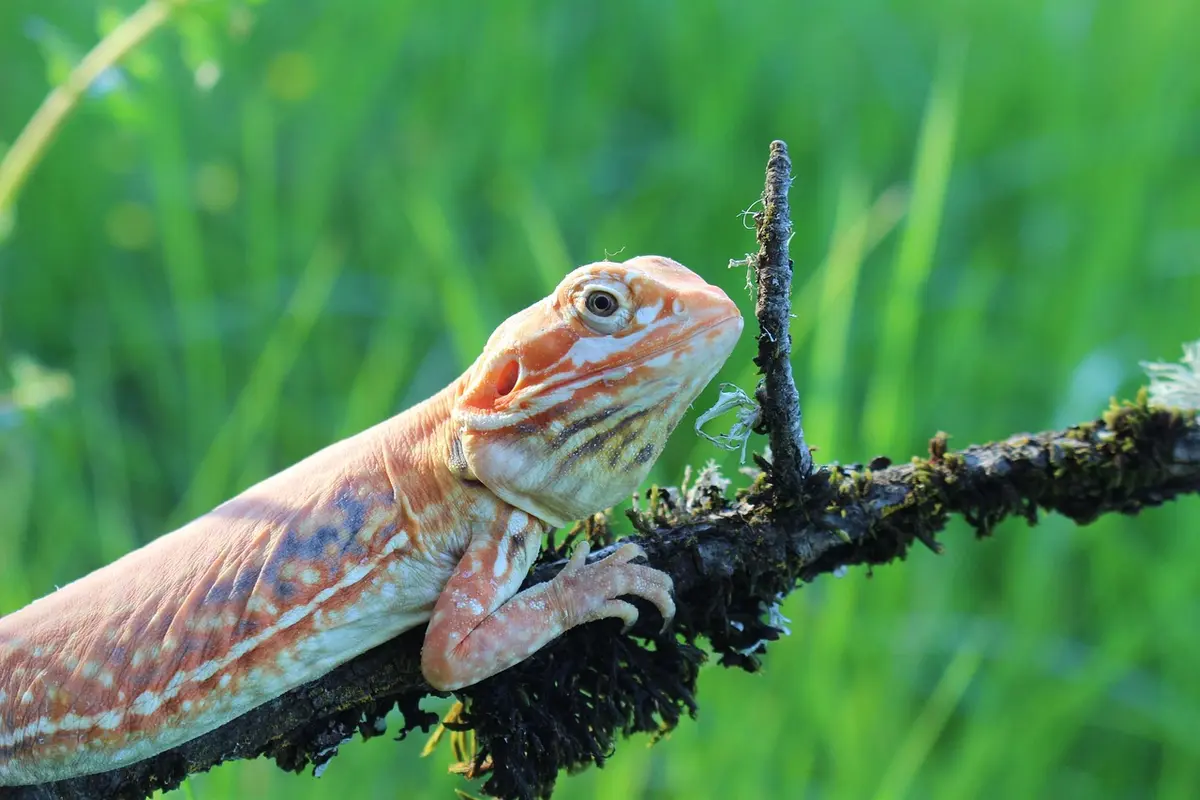
Walking into the world of bearded dragon varieties can feel overwhelming. I remember staring at a clutch of babies, all different colors, wondering how I’d ever pick just one. The best choice isn’t just about the prettiest colors; it’s about which dragon fits seamlessly into your life and experience level. A candid look at whether a bearded dragon is the right pet can help you weigh the pros and cons before deciding. We’ll consider daily care, space needs, and temperament to see if it fits your life. Let’s break down the key things to think about.
Key Factors to Consider
- Adult Size: Standard beardies reach 16 to 24 inches. German Giants can push past 26 inches, needing a much larger enclosure. A smaller Rankin’s dragon might be perfect for someone with limited space.
- Temperament Tendencies: Classic Pogona vitticeps are famously docile and handleable. Some rarer morphs from intense selective breeding can be more skittish or high-strung. I’ve found the standard morphs to be the most consistently calm pets.
- Care Difficulty: Most are hardy, but silkbacks and other scaleless morphs need specialized, gentle care. Their delicate skin is prone to injury and requires meticulous habitat management. I always steer first-time owners toward classic or leatherback morphs for their resilience.
- Initial Cost: A standard morph might cost $50-$100. A stunning Witblits or Zero morph can run $500-$900. Remember, the purchase price is just the beginning; setup and ongoing food costs are the same.
Comparing Morphs for Your Lifestyle
Think of it like matching a pet’s personality and needs to your own.
- For Beginners & Families: You can’t go wrong with a Normal or classic Leatherback morph. They are affordable, widely available, and have that classic, easy-going beardie temperament. They’re forgiving of minor rookie mistakes in husbandry.
- For the Enthusiast with More Time: If you’re ready for a visual standout and don’t mind the price tag, Hypo or Translucent morphs are gorgeous. Just be aware that some Trans dragons have a genetic eye issue that requires you to be a more observant keeper.
- For a Truly Unique Pet: Silkbacks are breathtaking but are a major commitment. They need a habitat free of sharp edges, more frequent, specialized shedding aids, and careful monitoring. I love them, but they are not for everyone.
A Word on Ethics and Adoption
After years in this hobby, the single most rewarding dragons I’ve brought home have been rescues. Please consider checking local reptile rescues before you buy from a breeder. There are so many amazing beardies needing a second chance. If you do buy, research your breeder thoroughly. Ask to see their breeding setup and how they house their adults. A good breeder is transparent and passionate about the health of their animals, not just the color of their scales. That being said, it’s important to know where to buy your bearded dragon if you’re considering a purchase.
Where to Find Bearded Dragons
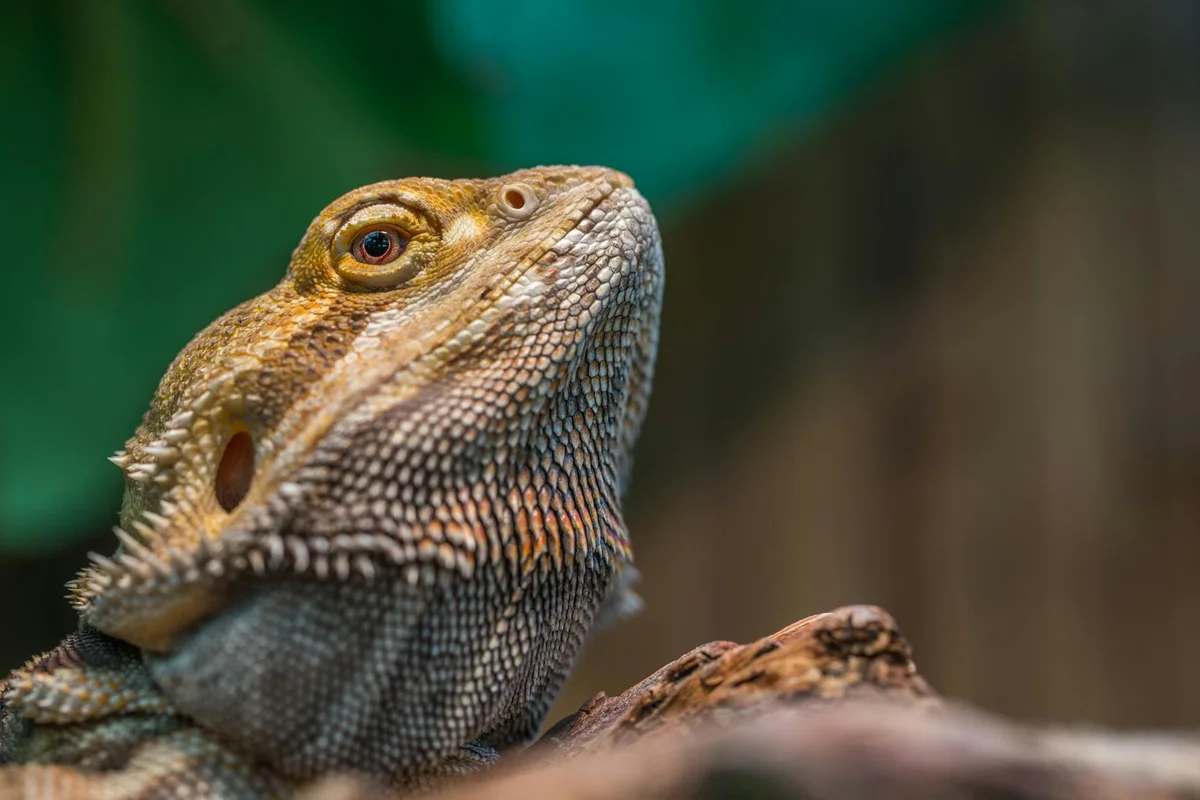
Finding your new scaled friend is an adventure in itself. Where you look can greatly influence the health and temperament of the dragon you bring home.
Your Sourcing Options
- Reputable Breeders: This is my top choice for a specific morph. You get lineage history, known genetics, and a keeper who is invested in the animal’s lifelong health. They are a wealth of information.
- Specialized Reptile Stores: A good, independent reptile shop can be fantastic. Their staff is usually knowledgeable, and their animals are well-cared-for. Avoid big-box pet stores if you can; their animals often come from large-scale mills and can have health issues.
- Reptile Rescues & Adoption: This is a wonderful option. Rescue beardies often come with a known personality and a heartbreaking backstory, making them incredibly rewarding to care for. You are literally saving a life.
How to Pick a Healthy Dragon
Never be shy about inspecting a potential pet. A responsible seller will encourage it.
- Look for clear, bright eyes with no discharge or swelling.
- Check that the body is full and rounded, not bony or shrunken. The hip bones and ribs should not be visible.
- Observe their alertness. A healthy dragon should be aware of its surroundings, not listless.
- Examine the habitat. Is it clean? Is there fresh water? Are the other dragons in the enclosure active and healthy-looking? A dirty tank is a major red flag.
The Non-Negiable First Step: The Vet
No matter where you get your dragon, your first stop should be a qualified reptile veterinarian. Schedule a wellness check within the first two weeks of bringing your new pet home. The vet will check for internal parasites, which are very common, and give your dragon an overall health assessment. This baseline is priceless and gives you peace of mind for years to come. Bearded dragons do need regular vet checkups, not just yearly ones. If an issue crops up, knowing the red flags and when to seek emergency care from a reptile-savvy vet is essential.
Frequently Asked Questions
What is the average lifespan of a bearded dragon?
With proper care, bearded dragons typically live between 8 to 12 years in captivity, though some can reach up to 15 years or more with optimal husbandry and regular health checks. Learn more about their lifespan and how to maximize it.
Can I keep multiple bearded dragons together in one enclosure?
It is not recommended to house multiple bearded dragons together, as they are solitary and territorial by nature, which can lead to aggression, stress, and potential injury from fighting or dominance behaviors. In practice, cohabitation often results in persistent aggression, injuries, and chronic stress for the animals. These realities underline why many keepers prefer separate enclosures and only observe extreme caution if attempted. For more information on the topic, consider reading about the cohabitation risks and realities.
How much does it cost annually to care for a bearded dragon?
Annual costs for a bearded dragon, including food, electricity for heating and lighting, substrate, and occasional vet visits, generally range from $300 to $600, but this can vary based on your location and the dragon’s specific needs. Be prepared for an upfront purchase and setup cost for the enclosure, lighting, heat source, and starter supplies. A full bearded dragon cost analysis should include both these initial setup costs and the ongoing annual expenses.
Final Thoughts
Choosing your bearded dragon is a wonderfully personal decision that sets the stage for years of companionship. The key is to match the dragon’s specific needs and potential traits with your own experience level and lifestyle. Whether you fall for a classic Standard or a striking Zero morph, you’re bringing a unique personality into your home. Many prospective owners also have questions about morph colors, how different morphs differ in care, and what price points look like. Addressing these common questions helps you pick a morph that fits your lifestyle.
My own journey with these incredible reptiles has taught me that preparation is everything. Always prioritize finding a reputable breeder who can provide detailed health and genetic history for your new scaled friend. Do your homework, get your habitat perfectly set up, and you’ll be rewarded with a truly captivating pet.
Further Reading & Sources
- r/BeardedDragons on Reddit: What type of beardie is my dragon? Is she just a normal one or is she a different breed (if that’s even a thing)
- 11 Types Of Bearded Dragon Morphs
- Bearded dragons- defining breeds and colours | Reptile Forums
Bearded Dragon Lair is the ultimate resource for bearded dragon enthusiasts, offering expert advice and practical tips to ensure the health and happiness of your scaly companion. With years of experience in reptile care, we are dedicated to providing accurate, up-to-date information to support your bearded dragon journey.
Care for Specific Morphs