
What Is the Best Food for a Bearded Dragon? (Safe Staples & Treats)
Published on: December 2, 2025 | Last Updated: December 2, 2025
Written By: Beardie Joe
Choosing the right food for your bearded dragon is one of the most important decisions you’ll make for their health and happiness.
After caring for my own dragons for years, I’ve learned how to build a diet that keeps them thriving, and I’m here to help you do the same.
We’ll explore the best staple greens, nutritious insects, safe treats, and common feeding mistakes to steer clear of.
Understanding Bearded Dragon Nutritional Needs
Getting their diet right is the single most important thing you can do for your bearded dragon’s health and happiness. Their needs change dramatically as they grow from a speedy juvenile into a majestic adult. I learned this the hard way with my first dragon, Ember, and it completely changed how I feed my whole crew. If you’re wondering, should I feed my bearded dragon daily? A complete feeding guide can help you get daily portions and variety right.
Think of a baby dragon as a tiny, scaly athlete-in-training. They are growing at an incredible rate and need a ton of protein to fuel that development. For juveniles, aim for a diet that is about 80% live insects and 20% fresh greens. This high-protein intake supports their rapid bone and muscle growth.
Once they hit adulthood, around 18 months, their metabolism slows way down. An adult bearded dragon’s diet should flip to about 80% fresh greens and vegetables and only 20% insects. This prevents obesity and serious health issues like fatty liver disease, which is sadly common in overfed adults. Knowing how often to feed them is also crucial in maintaining their health.
No matter their age, variety is absolutely key. Feeding the same two or three items over and over is a fast track to nutritional deficiencies. I rotate my dragons’ greens and insects weekly to ensure they get a full spectrum of vitamins and minerals, and their vibrant health shows it.
Your Bearded Dragon Diet Staples: The Daily Must-Haves
These are the core, reliable foods that should make up the foundation of every meal. Staples are safe to feed regularly and form the backbone of a balanced diet. I always have these items on my weekly shopping list.
Top Live Insect Staples
Insects are a primary source of protein and a source of great enrichment as they trigger your dragon’s natural hunting instincts. Always buy insects from a reputable source, never from your backyard, to avoid pesticides and parasites.
- Dubia Roaches: My personal top choice. They are meaty, have a great protein-to-fat ratio, and can’t climb smooth surfaces, which is a huge plus.
- Black Soldier Fly Larvae (Nutrigrubs): These are fantastic. They are naturally high in calcium, so they often reduce the need for extra powder supplements.
- Crickets: A classic feeder. They are affordable and readily available, but they smell, can be noisy, and require a separate enclosure.
- Discoid Roaches: A great option for reptile owners in places like Florida where Dubia roaches are restricted. Their nutritional profile is very similar.
Essential Greens and Vegetables
This is where you can get creative and provide a colorful salad every single day. A good rule of thumb is to mix one primary green with a few other veggie “toppings” for variety. I make a big chop at the start of the week to make morning feedings quick and easy.
- Collard Greens: A powerhouse green. It’s consistently low in oxalates and high in calcium, making it a perfect daily base.
- Mustard Greens: Another excellent staple. They add a slight peppery flavor that some of my dragons seem to prefer over collards.
- Dandelion Greens: Don’t weed them, feed them! These are packed with nutrients. Just be 100% sure they are from an area free of chemicals.
- Butternut Squash: I grate this into almost every salad. It’s a great source of vitamin A and adds a nice sweet crunch.
- Bell Peppers: Any color is great. They are full of hydration and vitamin C, and the red and yellow ones are sweeter.
A quick word of caution: Not all greens are created equal. I avoid spinach entirely because it binds to calcium and can prevent your dragon from absorbing it. Iceberg lettuce is also a no-go, as it’s mostly water and offers little nutritional value.
Safe and Fun Bearded Dragon Treats
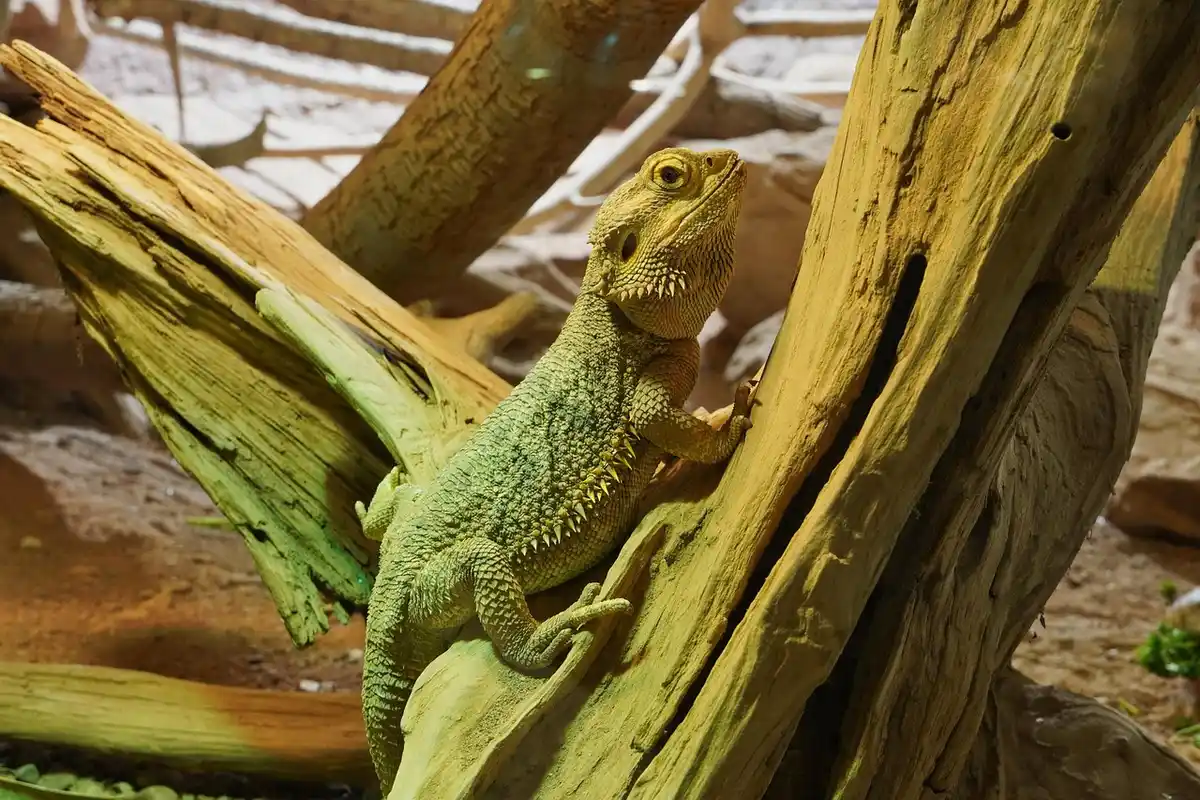
Think of treats as the special dessert or exciting snack in your dragon’s life. They’re not for every day, but they make life more interesting and are fantastic for bonding. I always get a kick out of watching my dragons perk up and get laser-focused when I bring out the “good stuff.” It’s a simple joy that strengthens our connection.
Top Insect Treats (The “Candy”)
These are typically higher in fat, so we use them sparingly. I offer these maybe once or twice a week at most, and only a few at a time.
- Hornworms: These are a huge hit! They’re bright blue, juicy, and mostly water, making them great for hydration. My dragons go absolutely wild for them.
- Waxworms: These are like little dragon doughnuts-super high in fat. I use them sparingly, especially for picky eaters or dragons that need to gain a little weight.
- Butterworms: Another fatty, tasty treat. They have a longer shelf life than some other worms, which is convenient.
- Silkworms: A fantastic treat because they’re actually low in fat and packed with protein and calcium. They are a nutritious bonus, not just an empty calorie.
Favorite Veggie & Fruit Treats (The “Baked Goods”)
Fruits are sugary, so we use them even more sparingly than fatty insects. I treat these like a tiny, delicious weekend surprise.
- Berries: Raspberries, blueberries, and blackberries are packed with antioxidants. I always mash them up a bit so they’re easier to eat.
- Papaya: A tropical delight that’s great for digestion. I serve it in tiny, bite-sized cubes.
- Melon: Watermelon or cantaloupe are hydrating and sweet. I make sure to remove all the seeds first.
Butternut Squash: Cooked and mashed, this is a sweet, vitamin-rich favorite in my house. It’s a healthier way to satisfy their sweet tooth.
Commercial Treats: What to Look For
The pet store aisle can be tempting, but you have to be a smart shopper. I always read the ingredient list like I’m checking a food label for my own family. The first ingredient should be something recognizable, like a whole insect or a specific vegetable.
- Repashy Grub Pie Gel Mix: I’m a big fan of this one. You mix it with water to create a nutrient-packed gel. It’s a fun way to add variety.
- Fluker’s Freeze-Dried Treats: These are convenient, but remember they lack the hydration of live prey. Rehydrate them in a little water before serving.
- What to Avoid: Steer clear of any treats with lots of fillers, artificial colors, or vague terms like “animal by-products.” If I can’t pronounce it, I don’t buy it for my pets.
A Word on Caution: Foods to Completely Avoid
Some foods are outright dangerous. I keep a mental list and double-check anything new. When in doubt, leave it out-it’s never worth the risk to your dragon’s health.
- Avocado: It’s toxic to many reptiles and can cause serious health issues.
- Rhubarb: The leaves are poisonous, and it’s best to avoid the plant entirely.
- Fireflies: Never, ever feed a firefly. They are highly toxic and can be fatal, even in small amounts.
- Iceberg Lettuce: It offers no nutritional value and is mostly water, which can cause runny stools.
Foods to Strictly Avoid for a Healthy Beardie
Knowing what not to feed your bearded dragon is just as critical as knowing their staple foods. I’ve learned from my own mistakes that some common household foods can cause serious, even fatal, health issues for these reptiles. Let’s get straight to the no-fly list to keep your scaly friend safe, especially when learning what can’t be fed to bearded dragons.
Dangerous Insects and Bugs
Not every creepy-crawly is a good meal. Some insects are outright toxic or can cause impaction, a dangerous intestinal blockage.
- Fireflies (Lightning Bugs): This is the most critical one. Just one firefly contains toxins that are almost instantly fatal to a bearded dragon. Never, ever feed one.
- Wild-caught Insects: Bugs from your yard or garden can be covered in pesticides, herbicides, or parasites. It’s simply not worth the risk when you can buy safely farm-raised feeders.
- Insects with Hard Shells: Avoid feeding adult beetles, large superworms, or wild centipedes. Their hard exoskeletons are very difficult to digest.
- Venomous or Stinging Insects: This includes bees, wasps, and scorpions. The risk is obvious and unnecessary.
Toxic Vegetables and Plants
Many greens that are perfectly healthy for us are poisonous to your beardie. Always double-check before offering a new vegetable. For quick reference, a complete safe/unsafe greens list for bearded dragons can help you choose wisely. It clearly marks which greens are safe and which to avoid.
- Avocado: Contains persin, a substance that is highly toxic to birds and reptiles and can cause serious cardiac distress.
- Onions and Garlic: These members of the allium family can cause digestive irritation and be toxic to their blood cells in large quantities.
- Mushrooms: Fungi can contain various toxins and are difficult for them to digest, potentially leading to liver damage.
Rhubarb: The leaves are the main concern, as they are rich in oxalic acid, which can lead to kidney failure.
Unsafe Fruits and Other Items
Some foods aren’t necessarily toxic but pose other significant health risks like impaction or nutritional imbalances.
- Citrus Fruits: Oranges, lemons, limes, and grapefruit are too acidic for their digestive systems and can cause stomach upset.
- Processed Human Foods: This includes bread, pasta, cheese, and any cooked or seasoned meats. Their bodies are not designed to process grains, dairy, or high levels of salt and fat.
- Iceberg Lettuce: It’s mostly water and has virtually no nutritional value. It can cause diarrhea and fill up your dragon without providing any benefits.
- Seeds and Pits: From fruits like apples, peaches, or cherries, these are a major choking hazard and can cause impaction.
When in doubt, leave it out. Sticking to a well-researched list of safe foods is the single best way to prevent an emergency vet visit. Your careful attention to their diet is a direct act of love for your pet.
Tailoring the Diet: A Guide by Age
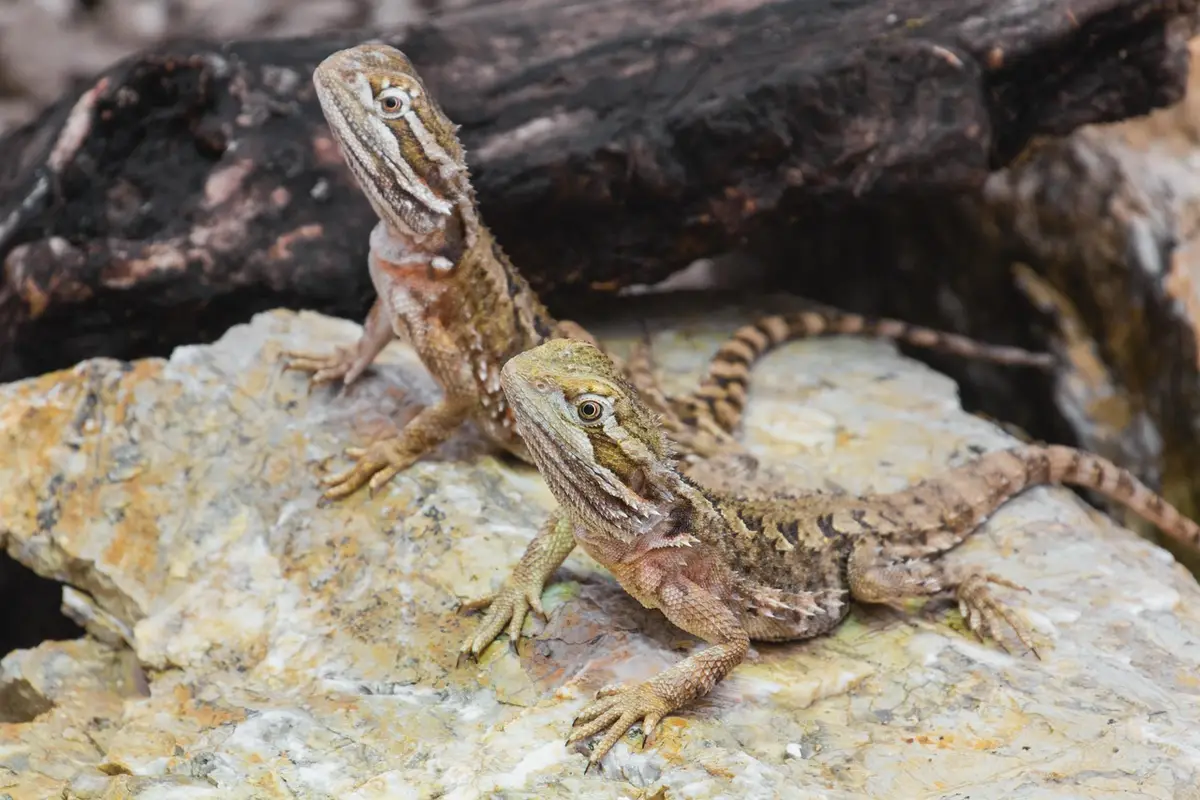
One of the biggest mistakes I see new owners make is feeding all their dragons the same way. Your dragon’s age is the single most important factor in determining the perfect menu. Their nutritional needs shift dramatically from their speedy baby phase to their more sedentary adult life.
Baby Bearded Dragon Diet
Baby beardies are like tiny, scaly teenagers with a never-ending appetite for growth. They are building bone and muscle at an incredible rate, which means their diet must be protein-packed.
I fed my youngest, Ember, this way, and watching her double in size felt like a miracle.
- Protein is Paramount: Offer a wide variety of appropriately-sized live insects 2-3 times per day.
- Feeding Sessions: Let them eat as many insects as they can consume in a 10-15 minute window at each session.
- The Golden Ratio: Aim for a diet that is roughly 80% live insects and 20% fresh vegetables.
- Insect Staples: Small dubia roaches, black soldier fly larvae, and small crickets are excellent, gut-loaded choices.
- Don’t Skip the Greens: Even though it’s a small part of their diet, always have a shallow dish of finely chopped greens available. This gets them used to eating their veggies early on.
Adult Bearded Dragon Diet
Once your dragon hits about 18 months old, their metabolism slows way down. You must flip the baby diet ratio completely to prevent obesity and fatty liver disease. My adult male, Smaug, would happily eat roaches all day, but his health depends on a plant-based diet.
- Flip the Script: An adult’s diet should be about 80% fresh vegetables and 20% live insects.
- Feeding Frequency: Offer a large, hearty salad every single day. Live protein can be given only 2-3 times per week.
- Protein Portion Control: Do not let them gorge on insects like they did as babies. A modest portion of 10-20 insects per feeding is typically sufficient.
- Smart Insect Choices: Leaner proteins like dubia roaches and BSFL are better than fatty worms, which should be treats only.
- Salad is the Main Course: That daily salad is no longer an option-it’s the cornerstone of their nutrition and long-term health.
The Lowdown on Supplements and Hydration
Getting the greens and bugs right is a huge win, but your job isn’t done yet. Even the most perfectly planned diet needs a little boost to prevent serious health issues down the line. Think of supplements as a vital insurance policy for your dragon’s long-term well-being.
Your Supplement Arsenal: Calcium and Vitamins
You really only need two main supplements in your toolkit, but using them correctly is everything.
- Calcium with D3: This is your go-to dusting powder. D3 helps your dragon absorb the calcium, which is critical for preventing Metabolic Bone Disease (MBD)-a common and devastating illness. I keep a small shaker of this right next to my dragon’s bug bin so I never forget.
- Multivitamin: This fills in any potential nutritional gaps in their salad and feeder insects. Look for one formulated specifically for reptiles.
How to Dust Like a Pro
Over-supplementing can be just as harmful as not supplementing at all. I follow this simple schedule with my own crew.
- For juvenile dragons (under 18 months): Dust their insects with calcium powder at nearly every single feeding. They are growing so fast their bones demand it.
- For adult dragons (over 18 months): Scale way back. I dust their bugs with calcium about 3-4 times a week.
- For the multivitamin: All dragons get their vitamins sprinkled on their food about 1-2 times a week. I usually do this on a day I’m not using calcium to avoid overloading them.
A little powder goes a long way; you’re aiming for a light, even coating, not a powdered donut. Place the bugs in a bag or container with a pinch of supplement, give it a gentle shake, and serve immediately.
The Critical Role of Hydration
Bearded dragons are desert animals, which leads to a big misconception-that they don’t need much water. In the wild, they get most of their moisture from the food they eat and morning dew. We have to replicate that in captivity by ensuring safe drinkable water is provided, along with proper humidity settings.
Many dragons will never recognize a standing water bowl as a drinking source. Your primary hydration strategy should be through their fresh, water-rich vegetables. Foods like bell peppers, cucumber, and zucchini are fantastic for this.
Other Hydration Methods
If you’re worried your dragon isn’t getting enough, you have a couple of gentle options.
- Misting: I lightly mist my dragon’s salad greens each morning. The droplets encourage them to lick the water off, and it keeps the greens from wilting too fast.
- Bathing: A shallow, lukewarm bath 1-2 times a week is great for hydration and hygiene. Never leave your dragon unattended in water, and make sure it’s no deeper than their elbows. Most will absorb water through their vent, and some will take a drink while they’re in there.
Watch for signs of dehydration: sunken eyes, loose skin, or a loss of appetite. If you see these, a warm bath and some extra misting are your first line of defense. Proper hydration keeps their kidneys healthy and helps them pass waste comfortably. It’s a simple step that makes a world of difference.
Prepping Your Bearded Dragon’s Meals Like a Pro
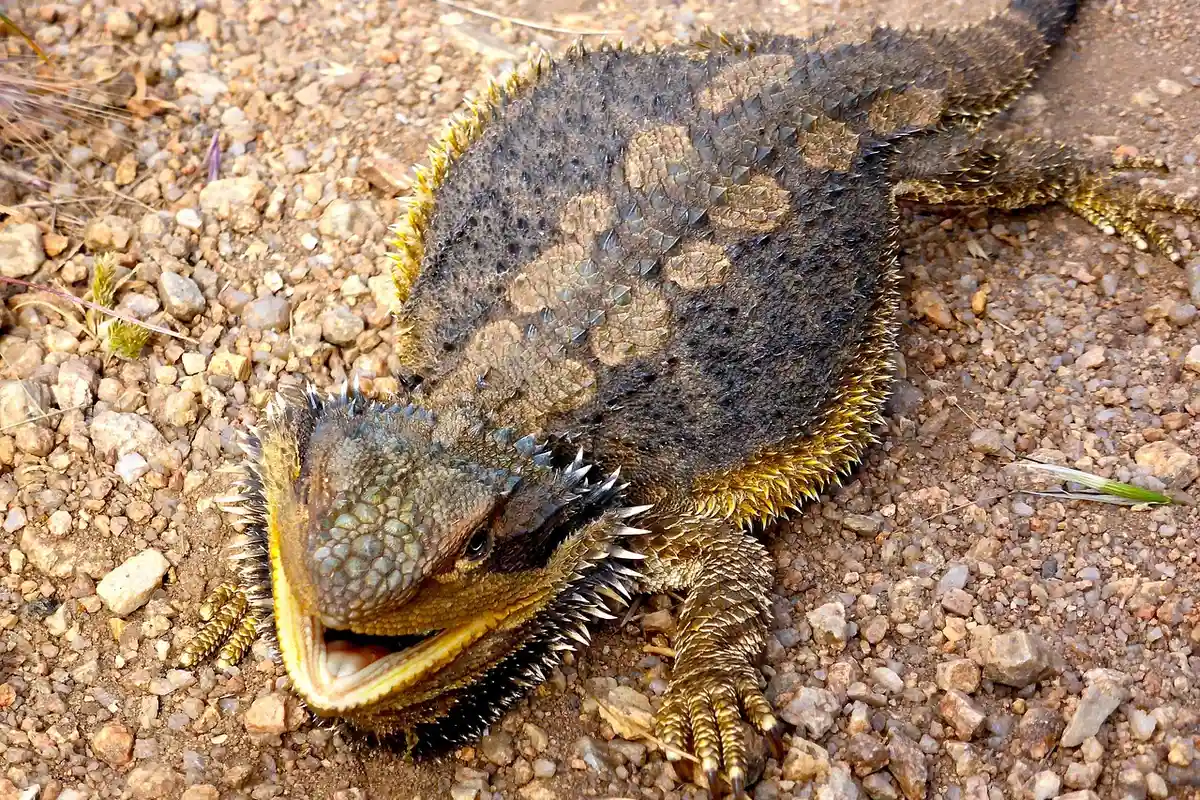
Getting the ingredients is one thing; preparing them correctly is what separates good care from great care. Proper meal prep is your secret weapon for a thriving, energetic dragon. I’ve found that a consistent routine makes this quick and easy.
Gut-Loading: The First and Most Important Step
Never, ever feed a plain insect to your bearded dragon. Think of the insects as little delivery trucks for nutrients. You need to load those trucks with high-quality fuel before they make their delivery. A bearded dragon feeding guide helps you choose safe, non-toxic insects and avoid toxic bugs. Some insects can be toxic or carry parasites, so stick to a vetted list.
- What to use: I use high-calorie, nutritious foods like sweet potato, carrots, squash, and leafy greens (dandelion, collard) 24-48 hours before feeding.
- What to avoid: Do not gut-load with low-nutrient items like potatoes or lettuce. This offers no real benefit to your dragon.
- My routine: I keep a dedicated container of gut-loading food with my feeder insects at all times, refreshing it daily.
The Art of Dusting with Supplements
Even the best diet needs a little boost. Dusting is how we ensure they get the vitamins and minerals they can’t get from food alone.
- Calcium with D3: Lightly coat feeder insects with this powder at almost every meal for juveniles. For adults, I do this 4-5 times a week. D3 is crucial for them to process the calcium, especially if their UVB bulb isn’t brand new.
- Multivitamin: This is your all-in-one supplement. I dust one insect feeding per week for adults, and two for fast-growing babies. Be careful not to overdo it, particularly with Vitamin A.
- Pro Tip: Use a plastic bag or a dedicated shaker cup with a few insects inside, add a pinch of powder, and gently shake. This gives a light, even coat without smothering the bugs.
Serving the Salad and Insects
How you present the food matters more than you might think for their health and safety.
- Salad Bowl: I always use a shallow, heavy ceramic dish for salads. It keeps the greens clean and prevents your dragon from tipping it over. Offer the fresh salad first thing in the morning when they are most likely to nibble on it.
- Feeder Insects: Never dump loose crickets or roaches into the tank. They can hide, bite your dragon, and stress them out. I always use a deep, smooth-sided feeding dish that the bugs can’t climb out of. For worms, a shallow ceramic dish works perfectly.
- Size Matters: The golden rule is to never feed any insect larger than the space between your bearded dragon’s eyes. This prevents impaction and choking.
Hydration: More Than Just a Water Bowl
Bearded dragons often don’t recognize standing water. In my experience, they get most of their hydration from their food and occasional help from you. For a practical daily-water guide, you’ll find that the amount varies with age, diet, and humidity. Always watch your dragon’s hydration cues rather than aiming for a fixed number.
- Misting: I gently mist their fresh salad greens with water before serving. This adds a droplet of moisture they’ll lick up while eating.
- Bathing: A warm bath (not deep, just up to their shoulders) 2-3 times a week encourages them to drink and helps with hydration and shedding.
- Hydrating Foods: Including foods like bell peppers and hornworms in their diet is a fantastic way to boost their water intake naturally.
Frequently Asked Questions
Is there a simple bearded dragon diet chart I can follow for quick reference?
While this article covers the essentials, a basic chart can help visualize the diet shift by age: juveniles thrive on 80% insects and 20% veggies, while adults need 80% veggies and 20% insects, with consistent supplementation.
How do I ensure my bearded dragon gets enough greens in its daily diet?
Offer a varied mix of staple greens like collard or mustard greens daily, and rotate in other safe veggies to prevent boredom and nutritional gaps, ensuring they form the bulk of an adult’s diet.
What does a bearded dragon’s diet look like in the wild compared to captivity?
Wild bearded dragons eat a diverse range of insects, leafy plants, and occasional flowers or small prey, but captive diets are carefully curated to avoid toxins and provide balanced nutrition without the unpredictability of wild foraging. If you’re looking for a complete feeding guide for bearded dragons, aim for a balanced mix of gut-loaded insects, leafy greens, and calcium supplements. Understanding what wild bearded dragons eat can help you design a safe, comprehensive diet for a pet while avoiding toxins and overfeeding.
Final Thoughts on Feeding Your Bearded Dragon
Feeding your bearded dragon well boils down to a simple formula: a foundation of safe staple greens and insects, with the occasional treat for variety and enrichment. In our complete guide to bearded dragon safe foods, you’ll find exactly which greens and insects fit each life stage. The key to a thriving dragon is providing a balanced, varied diet that changes with their life stage. Stick with what’s proven, and you’ll see the vibrant health and energy that comes from proper nutrition.
From my own experience, watching them eagerly chase down a cricket or munch on a piece of butternut squash is one of the great joys of being a keeper. Your thoughtful choices at mealtime are the single biggest factor in your bearded dragon’s long-term health and happiness. To learn how vegetables fit into a bearded dragon’s diet, check out our Bearded Dragons Eat Vegetables: Complete Feeding Guide. It covers what greens to offer and how to balance them with insects for different life stages.
Further Reading & Sources
- The Complete Bearded Dragon Diet Plan | Bearded Dragon Care – Dragon’s Diet
- The Bearded Dragon’s Diet: What Can They Eat? | Falls Road Animal Hospital | Baltimore Vet
- What Do Bearded Dragons Eat? Complete Food & Diet Guide | PetSmart
Bearded Dragon Lair is the ultimate resource for bearded dragon enthusiasts, offering expert advice and practical tips to ensure the health and happiness of your scaly companion. With years of experience in reptile care, we are dedicated to providing accurate, up-to-date information to support your bearded dragon journey.
Feeding Guidelines