
Why Did My Bearded Dragon Die? Common Causes and Sudden Death Explained
Losing a bearded dragon is a deeply painful experience, and that haunting question-why did this happen?-can feel overwhelming. I know this heartache firsthand from my own journey with these incredible pets, and you are not alone in searching for answers.
As a dedicated owner of multiple bearded dragons with formal training in reptile care, I want to help you make sense of this loss. My personal experience and expertise allow me to break down the complex reasons into clear, understandable factors.
In the sections ahead, we will explore frequent causes like improper enclosure setup, diet mistakes, and hidden health issues. You will also learn about triggers for sudden death and practical steps for prevention.
Common Causes of Bearded Dragon Death
Losing a pet is heartbreaking, and it’s natural to search for answers. From my years of sharing my home with these incredible reptiles, I’ve learned that most losses trace back to a few key areas. Many common bearded dragon health crises are preventable with the right knowledge and consistent care, such as understanding why your bearded dragon might be throwing up.
Natural Lifespan and Age
Bearded dragons can live a good, long life—typically 8 to 12 years with excellent care. An older dragon passing is often due to age-related organ failure. It’s the quiet, natural closing of a long and well-lived chapter. I’ve had the privilege of saying goodbye to a beloved dragon at 14, a true testament to a life well-cared for. In end-of-life care for bearded dragons, comfort, warmth, and gentle handling—guided by a vet—are key. Knowing when quality of life declines helps owners seek humane, informed options.
Critical Husbandry Mistakes
Their environment is everything. Small errors can have big consequences over time.
- Incorrect Temperatures: Too cold, and their digestion halts, leading to food rotting in their gut. Too hot, and they can overheat fatally. I once misjudged a thermostat and learned this lesson the hard way.
- Improper UVB Lighting: Without the right UVB spectrum and intensity, they cannot process calcium. This leads to Metabolic Bone Disease (MBD), a painful and crippling condition.
- Poor Hygiene: A dirty tank is a breeding ground for bacteria and parasites, which can overwhelm their system.
Dietary and Nutritional Errors
What they eat directly fuels their health or their decline.
- Calcium and Vitamin Deficiency: A lack of calcium powder dusted on their insects is the primary cause of MBD. It’s a non-negotiable part of feeding.
- Feeding the Wrong Things: Iceberg lettuce offers no nutrition and causes diarrhea. Fireflies are fatally toxic. Always research before offering new foods.
- Overfeeding or Underfeeding: Obesity strains their organs, while starvation weakens them. Juveniles need mostly insects; adults need mostly veggies.
Sudden Death in Bearded Dragons: What Happens Quickly
When a dragon seems fine one day and is gone the next, it’s a shocking and confusing loss. Sudden death often results from an underlying condition that had silent symptoms until it was too late. Their instinct is to hide weakness, so by the time we notice, they can be critically ill. Recognizing critical bearded dragon health warning signs—such as a sudden loss of appetite, lethargy, or changes in behavior—can alert you to seek care before it’s too late. If you notice these signs, contact a reptile-conscious veterinarian promptly.
Common Triggers for Rapid Decline
Several acute conditions can overwhelm a dragon’s body in a short period.
- Severe Impaction: This is a life-threatening bowel blockage, often from eating loose substrate, oversized prey, or other indigestible materials. It can cause septic shock.
- Advanced Respiratory Infection: What starts as a few bubbles at the nose can swiftly become pneumonia, filling their lungs with fluid.
- Organ Failure: The liver or kidneys can fail due to toxicity, advanced infection, or a long-standing, unnoticed illness.
- Sepsis: A systemic infection that spreads through the entire bloodstream, often stemming from an untreated wound or internal injury.
The Danger of Silent Symptoms
Your dragon’s survival instinct means they will act normal for as long as possible. You must become a detective, noticing the smallest clues that something is wrong. A slight decrease in appetite, one less poop than usual, or being slightly less active can be the only warnings you get. I once missed the subtle signs of a parasite load in one of my rescues, and it progressed with terrifying speed. Regular, quiet observation is your most powerful tool. Make sure you also familiarize yourself with the signs that distinguish a healthy bearded dragon from a sick one.
The Impact of Habitat and Husbandry on Health
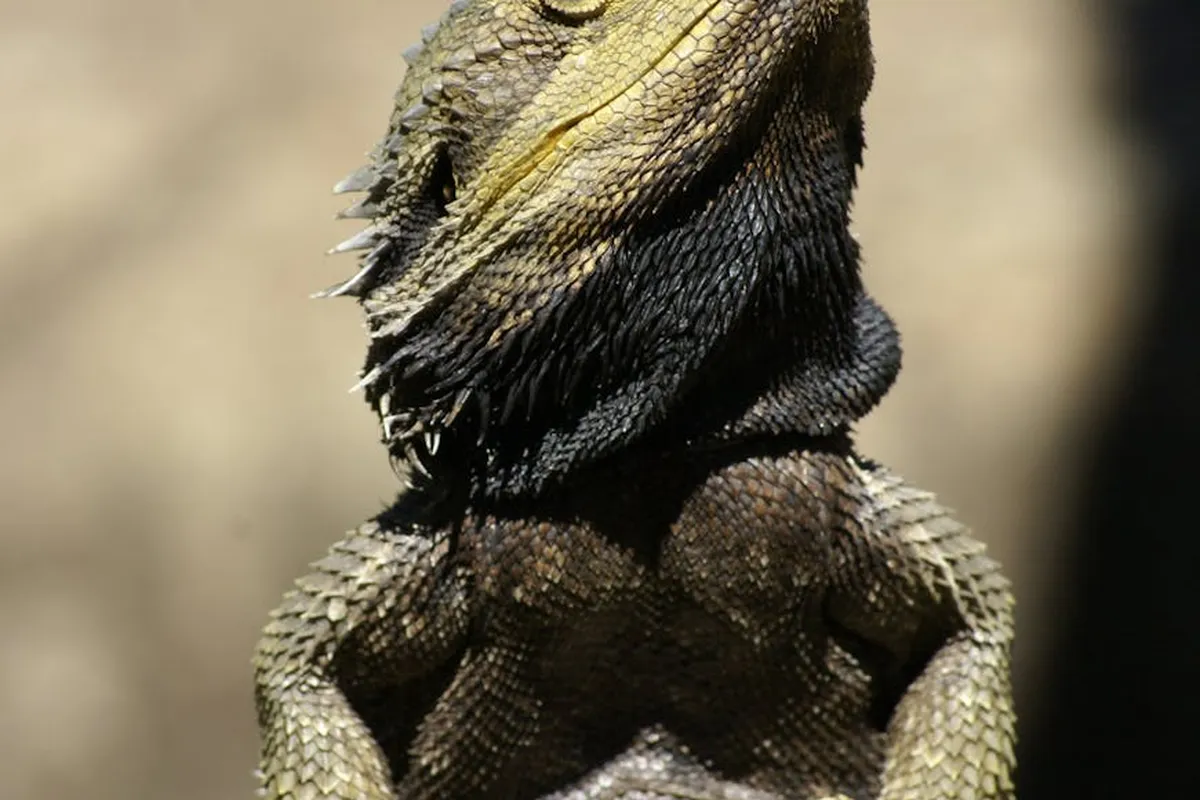
I’ve seen too many dragons suffer from setups that look fine to a human eye but are all wrong for a reptile. Your dragon’s enclosure is their entire world, and getting the details right is a matter of life and death. Proper husbandry is the absolute bedrock of preventing sudden illness and unexplained death. In a bearded dragon tank setup guide, we cover essential equipment, safe decor, and setup safety. Get these basics right to keep your dragon thriving.
Enclosure Setup: Temperature, Light, and Lifespan
Bearded dragons are solar-powered creatures. They don’t just enjoy heat and light; they depend on them for every bodily function, from digesting food to processing calcium. These cold-blooded creatures rely on external heat sources to regulate their body temperature effectively.
- Temperature Gradients: Your tank must have a clear warm side and a cool side. The basking spot surface temperature should be a toasty 100-110°F for adults, while the cool end must sit around 80-85°F. This gradient lets your dragon thermoregulate, moving to warm up or cool down as needed.
- UVB Lighting: This is non-negotiable. UVB light allows dragons to synthesize vitamin D3, which is essential for calcium absorption. Without it, they will develop Metabolic Bone Disease (MBD), a painful and debilitating condition. The bulb must be a long, tube-style UVB, not a compact coil, and it should span about half the tank’s length.
- Basking Spot: The basking area needs a proper surface, like a flat stone or branch, that retains heat. I always check the surface temperature with an infrared thermometer gun-it’s the most reliable way to know what your dragon is actually feeling.
Common Habitat Mistakes I’ve Learned to Avoid
Many new owners, with the best intentions, make these critical errors. I made a few myself early on.
- Incorrect Heat Sources: Using heat rocks can cause severe thermal burns. Stick to overhead basking lamps and a ceramic heat emitter for nighttime warmth if your home gets cold.
- No Digital Thermometers: Those little analog stick-on gauges are notoriously inaccurate. You need digital thermometers with probes and a separate hygrometer to monitor humidity, which should stay between 30-40%.
- Wrong Bulb Placement: If a screen lid blocks too much UVB, it renders the bulb ineffective. Follow the manufacturer’s instructions for distance, and replace the bulb every 6-12 months, as the UV output degrades long before the light burns out.
Creating a Safe and Stimulating Home
A good habitat isn’t just about survival; it’s about reducing stress and promoting natural behaviors.
- Provide multiple hiding spots-one on the warm side and one on the cool side-so your dragon always feels secure.
- Include branches and rocks for climbing. This encourages movement and exercise, which is vital for their health.
- Avoid loose, particulate substrates, especially with young dragons. I’ve always used slate tile or non-adhesive shelf liner; it’s safe, easy to clean, and helps file their nails down naturally.
Diet, Nutrition, and Hidden Health Risks
What you feed your dragon, and how you feed them, builds their health from the inside out. I’ve learned that many sudden deaths are the final chapter of a long-term nutritional problem that went unnoticed. For bearded dragons, a complete guide to safe foods is essential to feeding them properly and avoiding nutritional gaps. This approach helps ensure every meal supports long-term health.
The Silent Killers: Dehydration and Calcium Deficiency
These two issues are far more common than most people realize and can cause organ failure and neurological damage.
- Dehydration: Dragons often won’t drink from a stagnant water bowl. I watch for signs like sunken eyes, loose skin, and lethargy. The best way to hydrate a bearded dragon is through their greens and regular, gentle baths. The water should be shallow and lukewarm.
- Calcium Deficiency & MBD: This is a heartbreaker. Without enough calcium, their bodies leach it from their bones, causing soft, rubbery jaws, tremors, and paralysis. You must dust their live insects with a phosphorus-free calcium powder at almost every feeding for juveniles, and most feedings for adults.
The Dangers of Impaction
Impaction is a life-threatening bowel blockage. I check my dragons’ bellies regularly for any unusual hard lumps.
- Substrate: Loose substrates like calci-sand, crushed walnut, or even wood chips are a major risk. Young dragons are especially prone to accidentally ingesting it while hunting.
- Food Items: Feeding insects that are too large is a classic mistake. A good rule is that no insect should be wider than the space between your dragon’s eyes. Superworms and mealworms should be treats, not staples, due to their high chitin content.
- Temperature: If the basking spot isn’t hot enough, your dragon can’t digest their food properly, which can lead to a blockage. Always ensure they have access to proper heat after eating.
Building a Balanced Diet for a Long Life
A dragon’s dietary needs change dramatically as they grow. Getting this right is your best defense.
- Juveniles (0-12 months): Their diet should be about 80% live protein (like appropriately sized dubia roaches and crickets) and 20% fresh vegetables.
- Adults (18+ months): This flips. An adult diet should be 80% fresh, leafy greens and vegetables (like collard, mustard, and dandelion greens) and 20% protein.
- Always provide a shallow dish of fresh greens daily. Not only does this offer nutrition, but the moisture in the veggies is a key source of hydration.
Infections, Parasites, and Silent Killers
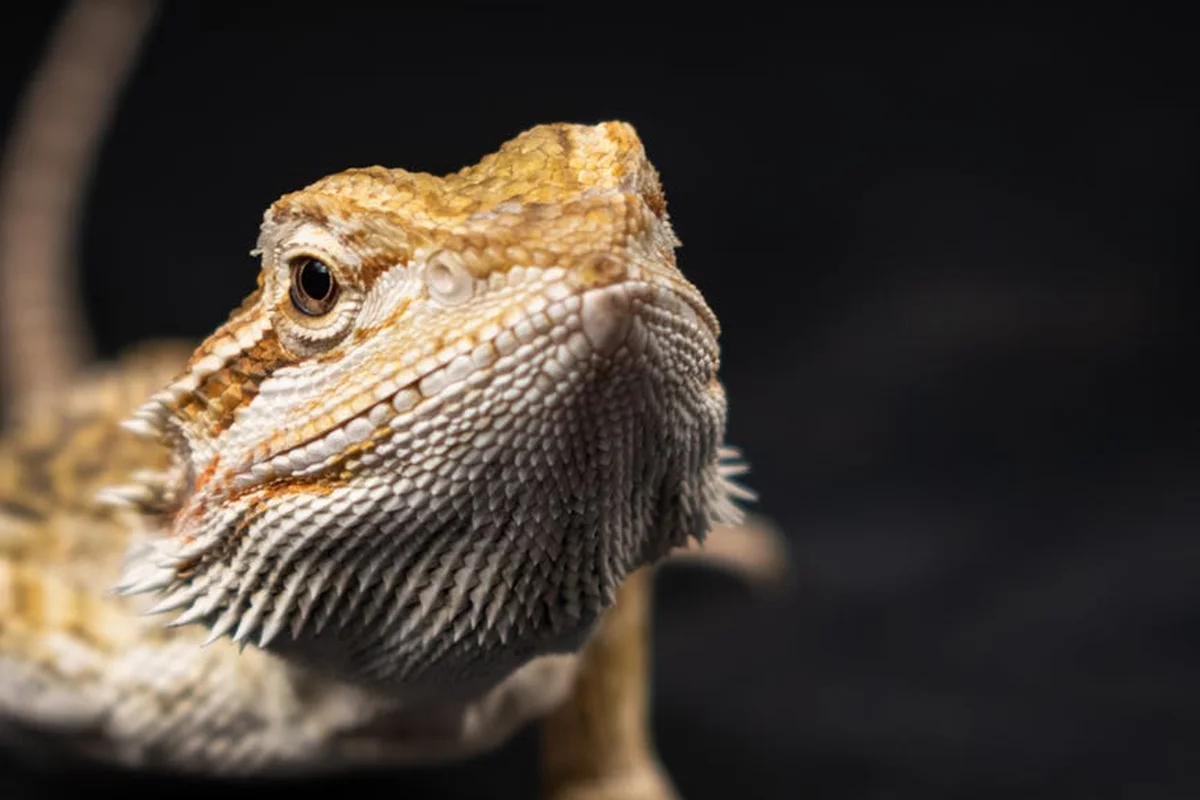
One of the most heartbreaking realities of reptile care is that sometimes the biggest threats are invisible. I’ve lost a dragon to a sudden, aggressive infection, and it taught me to be forever vigilant. Parasites, bacteria, and viruses can overwhelm your dragon’s system with shocking speed, often before clear symptoms even appear.
These internal invaders cause death by damaging organs, preventing nutrient absorption, and leading to severe dehydration or sepsis.
- Parasites like pinworms or coccidia can multiply out of control, stealing vital nutrients and causing intestinal blockages.
- Bacterial infections, often stemming from dirty habitats, can lead to fatal septicemia, where the bloodstream becomes infected.
- Viruses, such as Atadenovirus, attack the liver and digestive system, and there is no known cure.
You must watch for subtle signs that something is wrong internally. Catching these early is your best defense.
- Lethargy and a persistent lack of appetite are huge red flags.
- For respiratory infections, listen for wheezing, look for mucus around the nostrils, and watch for labored breathing where their sides puff in and out.
- Runny, foul-smelling stools or a bloated abdomen can signal internal parasites.
- Weight loss despite eating is a classic and worrying sign.
Prevention is your most powerful tool. A clean home is a healthy home for your bearded dragon.
- Establish a strict cleaning schedule for the entire terrarium, not just spot-cleaning waste.
- Quarantine any new reptile for at least 90 days before introducing it to your home.
- Schedule annual check-ups with a reptile vet, including fecal tests for parasites.
- Always wash your hands before and after handling your dragon or working in their enclosure.
How to Identify the Cause of Death
Finding the reason for your loss is a painful but necessary step for both closure and for the health of any other pets you may have. It requires a methodical approach.
-
Consider a Professional Necropsy
The most definitive way to get answers is through a veterinary necropsy, which is an animal autopsy. This can identify internal infections, organ failure, or parasites. Contact an exotics veterinarian as soon as possible, as the body must be fresh for accurate results. I know this is a difficult call to make, but the information it provides is invaluable. -
Gather Your Care History
If a necropsy isn’t an option, compile everything you can remember. Write it all down. Be brutally honest with yourself-this is for learning, not for blame. Look back at your records for trends.- What were the exact temperatures in the basking spot and cool side?
- What was the brand and type of UVB bulb, and when was it last replaced?
- What was their diet for the last month? List all insects, greens, and supplements.
- Document every symptom you noticed, no matter how small, and its timeline.
-
Consult a Reptile Veterinarian
Even without a necropsy, a vet can provide a presumptive cause of death by reviewing your detailed history. Bring your compiled notes and, if you feel comfortable, a clear photo of your dragon’s enclosure setup. They can often pinpoint likely issues based on the symptoms and your care routine. This professional insight can give you the peace of mind you need to heal, similar to regular veterinary checkups made for living dragons.
Preventing Future Losses in Bearded Dragon Care
Losing a pet is a profound and difficult experience. My own journey with bearded dragons has been shaped by both joyful successes and heartbreaking lessons, and it’s this hard-won experience I want to share with you. Moving forward with care and knowledge is the most powerful way to honor the pet you loved. It’s important to provide the best care for your bearded dragon to ensure its health and happiness.
Ongoing Monitoring and Proactive Vet Care
Think of your care routine as a continuous, gentle observation. You become the expert on your dragon’s normal behavior, which makes spotting the subtle shifts so much easier.
- Keep a simple weekly log. Note their weight on a kitchen scale, their appetite, and the frequency of their bowel movements. A sudden drop in weight is often the very first sign of trouble.
- Schedule annual check-ups with a qualified reptile vet, even for a seemingly healthy dragon. These visits can detect parasites or early organ issues long before you see any symptoms at home.
- Trust your gut. If something seems “off”-maybe they’re a little less active or their eyes seem sunken-don’t wait. Seeking veterinary advice early can make all the difference.
Creating a Low-Stress, Toxin-Free Habitat
Your dragon’s enclosure is their entire world. A calm, safe environment is not a luxury; it is a fundamental requirement for their health.
- Provide plenty of hiding spots and visual barriers. I use a combination of commercial hides and simple, sterilized rocks and branches. This allows them to retreat and feel secure whenever they want.
- Place the tank in a busy part of the home, but not a chaotic one. Avoid direct lines of sight with other pets like cats or dogs. Constant perceived threats are a major source of chronic stress.
- Be meticulous about toxins. I am a strong advocate for using paper towel, tile, or non-adhesive shelf liner as substrate to completely eliminate the risks of impaction from loose particles.
- Never use chemical cleaners inside the enclosure. A vinegar and water solution is my go-to for cleaning. Always rinse and dry thoroughly before returning your dragon.
Learning and Growing from Experience
The pain of loss can feel overwhelming, but it can also be a powerful teacher. Be kind to yourself and use this moment to refine your approach.
- Reflect on your care without self-blame. Was the UVB bulb old? Were the temperatures consistently correct? Identifying a single factor can prevent future tragedy.
- Connect with reputable communities. Sharing your story can provide support and connect you with keepers who have faced similar challenges.
- Let your love for your past dragon inform your future care. Channeling your grief into education is one of the most constructive and healing paths forward for a dedicated reptile keeper.
Frequently Asked Questions
How can I tell if my bearded dragon is dehydrated?
Look for signs like sunken eyes, loose or wrinkly skin, and lethargy. You can gently pinch the skin on their back; if it doesn’t snap back quickly, they may need hydration through baths or moist greens.
What should I do if my bearded dragon stops eating?
First, check their habitat temperatures and UVB lighting, as improper conditions often cause appetite loss. If everything seems correct, consult a reptile vet promptly to rule out underlying health issues like parasites or infection.
Is brumation in bearded dragons normal, and how can I distinguish it from illness?
Yes, brumation is a natural dormant period where they may sleep more and eat less, typically in cooler months. Unlike illness, they should maintain weight and show no signs of distress, but always monitor for symptoms like weight loss or labored breathing and seek vet advice if unsure.
Final Thoughts
Losing a pet is incredibly difficult, and it’s natural to search for answers. The most important takeaway is that sudden death in bearded dragons is rarely without cause, often stemming from husbandry issues, underlying illness, or injury we might not have noticed. My own first dragon taught me that even with the best intentions, small mistakes can have big consequences. Many bearded dragon ownership mistakes are common and preventable. Recognizing them early can save a life.
Please be kind to yourself during this time. Use this painful experience as a foundation of knowledge to provide an even better life for any future reptile companions, turning your grief into a powerful force for animal welfare.
Further Reading & Sources
- How to Tell if Your Bearded Dragon Is Dying: Signs & Causes
- Causes of Early Death in Beardies | Bearded Dragon Forum
- Is My Bearded Dragon Dead or Dying? Signs and Death Causes
Bearded Dragon Lair is the ultimate resource for bearded dragon enthusiasts, offering expert advice and practical tips to ensure the health and happiness of your scaly companion. With years of experience in reptile care, we are dedicated to providing accurate, up-to-date information to support your bearded dragon journey.
Common Diseases