Why Isn’t My Bearded Dragon Growing? (How to Fix Stunted Growth)
Published on: February 27, 2026 | Last Updated: February 27, 2026
Written By: Beardie Joe
Seeing your bearded dragon stay small when it should be growing can be a real heart-sinker.
As an owner of multiple beardies, I’ve helped my own pets through growth stalls, and I’m here to help you figure this out.
We’ll cover the most common culprits-from diet and lighting to tank setup and health issues-and give you clear steps to get your scaly friend back on track.
Understanding Stunted Growth in Bearded Dragons
-
Stunted growth happens when your bearded dragon fails to reach its normal size for its age, often due to care mistakes or health issues. This isn’t just about being small; it can weaken their entire body, leading to fragile bones, a compromised immune system, and a significantly shorter lifespan. I’ve seen how heartbreaking it is when a dragon struggles to thrive because of early neglect. I help my bearded dragon gain weight safely by prioritizing a balanced diet and routine vet checkups. This approach focuses on gradual, healthy weight gain rather than quick fixes.
-
Growth can often resume if you identify and fix the underlying cause quickly. Younger dragons have a remarkable ability to rebound and catch up, while older ones may show improved health and some new growth. Your consistent, correct care makes all the difference here.
-
In my own home, I’ve nursed several rescue dragons back to health. One particular beardie, Ember, arrived skinny and tiny, but with a dedicated routine of proper heat, UVB, and nutrient-packed meals, she started growing within weeks and is now a vibrant, full-sized adult. These recoveries are why I’m so passionate about sharing this knowledge.
Can a Stunted Bearded Dragon Grow?
-
Recovery potential heavily depends on the root cause and your dragon’s age. If stunting comes from fixable issues like poor lighting or diet, and your dragon is still under a year old, you have a very good chance of seeing renewed growth. For older dragons, the focus shifts to halting further decline and boosting their overall wellness, which can still result in some size increase.
-
I remember a bearded dragon named Rocky who was given to me at eight months old but was the size of a juvenile. After correcting his UVB setup and introducing a varied insect diet, he began to fill out and gain length, eventually reaching a healthy size for his age. Stories like his keep me hopeful and driven to help others.
Common Causes of Bearded Dragon Growth Issues
- Insufficient UVB light exposure
- Incorrect temperature gradients in the enclosure
- Low-quality or monotonous diet lacking essential nutrients
- Chronic stress from a poor habitat setup or handling
- Untreated health conditions like parasites or metabolic bone disease
Inadequate UVB Lighting and Placement
-
Without proper UVB, your dragon can’t synthesize vitamin D3, which is crucial for absorbing calcium. This disruption in calcium metabolism directly weakens bones and halts growth, as their body can’t build strong skeletal structure. I check my bulbs regularly because I’ve seen the damage firsthand.
-
Use linear fluorescent UVB bulbs, like T5 HO tubes, and place them 12 to 15 inches above the basking spot. Replace these bulbs every 6 to 12 months, even if they still light up, because their UV output diminishes over time. This simple habit prevents so many health issues.
Incorrect Basking and Ambient Temperatures
-
Heat drives your dragon’s digestion and metabolism, allowing them to break down proteins and nutrients needed for growth. If the basking area isn’t hot enough, food sits undigested in their gut, robbing them of energy and building blocks for new tissue. You’ll notice they become lethargic and stop growing.
-
Maintain a basking surface temperature of 100-110°F for juveniles and 95-105°F for adults. The cooler side of the tank should stay between 75-85°F, creating a gradient that lets your dragon regulate its body temperature effectively. I use digital thermometers to monitor this daily. This follows a bearded dragon temperature guide, highlighting proper basking spots, nighttime temperatures, and the overall tank setup.
Poor Diet Quality and Nutritional Gaps
-
Feeding only one type of insect, like crickets, without variety leads to gaps in nutrition. Gut load your feeder insects with leafy greens and commercial diets to pass on more vitamins, and ensure protein makes up about 70% of a juvenile’s diet to support rapid growth. I rotate between dubia roaches, black soldier fly larvae, and silkworms for my crew.
-
Calcium and vitamin D3 are non-negotiable for bone development. Dust insects with a calcium powder that contains D3 at most feedings, and use a multivitamin supplement once or twice a week to cover all bases. This routine has kept my dragons strong and steadily growing.
Environmental Stress and Improper Housing
-
A tank that’s too small or poorly arranged causes constant stress, triggering the release of cortisol. High stress hormones can literally shut down growth processes, as the body prioritizes survival over development. I always recommend a minimum 40-gallon tank for juveniles and 75-gallon or larger for adults to give them space to thrive.
-
Lack of hiding spots, too much noise, or cohabitation with other dragons creates a tense environment. Chronic stress from these factors diverts energy away from growth, leaving your beardie stuck in a “fight or flight” mode that stunts their size. Providing clutter and solo housing makes a huge difference.
Underlying Health Problems
-
Metabolic bone disease (MBD) is a common culprit, resulting from calcium deficiency and poor UVB, which softens bones and deforms the skeleton. MBD not only prevents growth but can cause permanent damage if not treated early with veterinary care and corrected husbandry. I’ve assisted in rehabilitating dragons with MBD, and it’s a slow but rewarding process.
-
Internal parasites, like pinworms or coccidia, steal nutrients from your dragon’s system. These illnesses directly impair growth by causing weight loss, diarrhea, and a failure to absorb essential vitamins and minerals from their food. A vet visit for a fecal exam can identify and treat this quickly.
Signs Your Bearded Dragon’s Growth Is Stunted
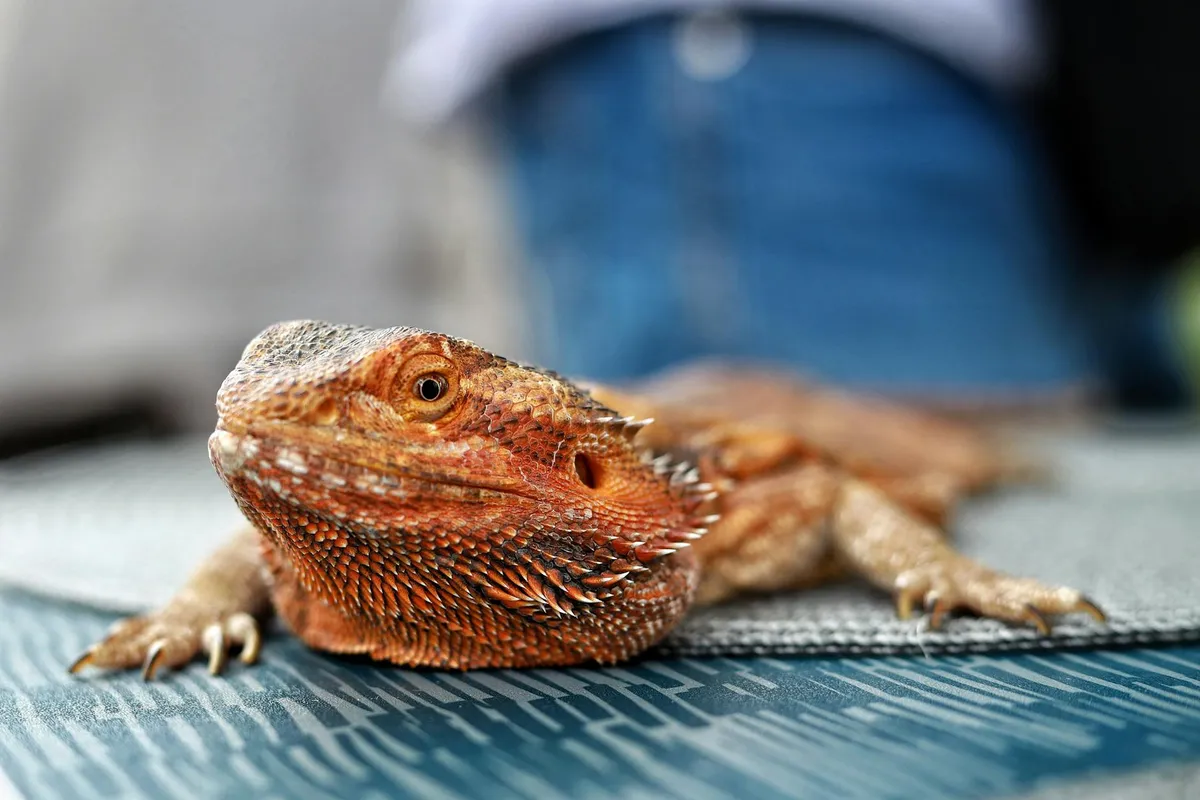
Spotting a growth problem early gives you the best chance to correct it. Watch for these clear, observable symptoms that your dragon isn’t developing as they should.
- Your dragon is significantly smaller than others of the same age.
- They show little to no interest in food, even their favorites.
- Their poop is irregular, runny, or smells unusually foul.
- They seem lethargic and lack their usual curiosity.
- Shedding happens infrequently or gets “stuck” on their body.
- Their skin and scales look dull or lack vibrancy.
- Their limbs or tail appear thin and lack muscle tone.
Abnormally Small Size for Age
While every dragon grows at their own pace, drastic deviations from typical milestones are a red flag. Knowing these general benchmarks helps you gauge if your pet is on track.
- Hatchlings (0-2 months): Should be 3-4 inches long and weigh 4-6 grams.
- Juveniles (2-8 months): This is a massive growth period. They can grow over an inch per month, reaching 11-18 inches and 100-400 grams.
- Sub-Adults (8-12 months): Growth slows. They should be near their adult length of 16-24 inches and weigh 350-550 grams.
If your 6-month-old dragon is the size of a 2-month-old, it’s time to investigate.
Poor Appetite and Digestion Troubles
A dragon that isn’t eating can’t possibly grow. Low food intake and poor digestion create a cycle that directly starves their growth.
Watch for a lack of enthusiasm during feeding time. They might look at a cricket and just walk away. Digestion issues often follow. You’ll see infrequent bowel movements or unusually watery waste. This often ties directly to hydration. I’ve seen dragons perk up immensely just from a warm bath, which encourages drinking and pooping. Proper hydration keeps their system moving and nutrients absorbing.
Visible Health and Shedding Issues
Your dragon’s outer appearance is a direct window to their inner health. Dull skin, stuck shed, and constant lethargy are your dragon’s way of crying for help.
I remember when one of my dragons, Draco, went through a rough patch. His skin looked dusty and he had patches of old shed, especially on his toes and tail tip, that wouldn’t come off. He was also super lazy. This is a classic sign that something in his environment or health was off. A healthy, growing dragon should shed completely and relatively frequently when young, revealing bright, new skin underneath.
How to Fix Stunted Growth in Bearded Dragons
Don’t feel overwhelmed. You can turn this around with a series of focused, manageable changes to their care routine. Follow this step-by-step plan.
Step 1: Optimize UVB Lighting and Exposure
This is the most common fix for stunted growth. Without proper UVB, your dragon cannot process calcium, which is the literal building block of their bones and size.
- Select a Tube Bulb: Use a long, fluorescent tube-style UVB bulb (like a T5 HO 10.0 or 12%) that covers at least half the enclosure length. Avoid compact coil bulbs.
- Position it Correctly: Mount the bulb inside the screen top or just above a wide-mesh screen. Solid tops block crucial rays.
- Provide Unobstructed Light: Ensure there are no decorations or plants directly under the bulb that create a shadow over the main basking area.
- Replace it Regularly: UVB output dims over time. Replace the bulb every 6-12 months, even if it still lights up.
Step 2: Correct Temperature Gradients
Bearded dragons are solar-powered. The right heat allows them to properly digest their food and use all those nutrients for growth. As cold-blooded reptiles, they rely on external heat sources to regulate their body temperature. Maintaining a proper temperature gradient and a safe basking spot is essential for their metabolism and overall health.
- Basking Spot: This area needs to be between 95-110°F for juveniles. Use a digital thermometer with a probe to check the surface temperature.
- Cool Zone: The other end of the tank must be cooler, around 80-85°F, so your dragon can regulate its body temperature.
- Nighttime Temp: It can drop to 65-75°F. If your house is colder, use a ceramic heat emitter (which produces no light) to maintain this.
Step 3: Revamp Diet and Supplementation
It’s not just about feeding more, it’s about feeding smarter. A varied, nutrient-packed diet is the fuel for a growth spurt.
- Increase Protein: Offer juvenile dragons gut-loaded insects (like crickets, dubia roaches, or black soldier fly larvae) 2-3 times daily.
- Provide Variety: Rotate between different insect types to provide a broader range of nutrients.
- Dust with Calcium: Lightly coat their insects with a calcium powder that contains D3 at one feeding every day.
- Add a Multivitamin: Twice a week, use a phosphorus-free multivitamin powder instead of the calcium at one feeding.
- Always offer fresh, chopped leafy greens like collard, mustard, or dandelion greens.
Step 4: Reduce Environmental Stressors
A stressed dragon will not eat, and a dragon that doesn’t eat will not grow. Creating a safe, peaceful home is just as important as the food you offer.
- Check Enclosure Size: A juvenile needs a minimum of a 40-gallon tank, but bigger is always better to prevent feeling cramped.
- Offer Hiding Spots: Provide at least two hides-one in the warm end and one in the cool end-so they always feel secure.
- Minimize Handling: While they are recovering, limit handling to essential tasks only for a week or two.
- Control Noise and Vibration: Keep the tank away from loud TVs, speakers, or high-traffic areas that cause constant startling.
Step 5: Address Health with a Veterinary Check
If you’ve fixed the habitat and diet but see no improvement, it’s time for professional help. A reptile vet can identify hidden illnesses that are halting your dragon’s growth.
- Schedule an Exam: Find a vet who specializes in reptiles or exotic pets.
- Request a Fecal Test: This simple test checks for internal parasites like pinworms or coccidia, which steal nutrients from your dragon.
- Advocate for Treatment: If parasites or another illness is found, follow the vet’s treatment plan promptly. Getting them healthy is the final key to unlocking their growth potential.
Diet and Nutrition for Healthy Bearded Dragon Growth
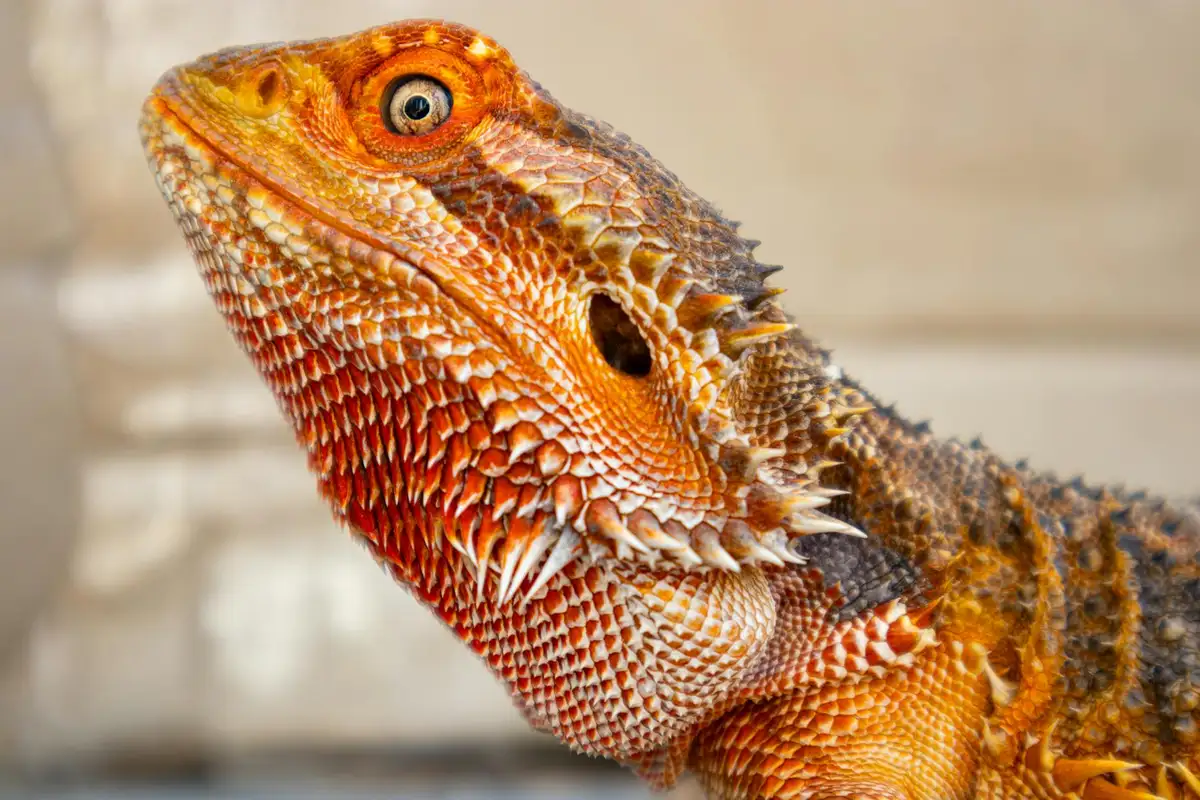
Getting the diet right is the single most powerful thing you can do to support healthy growth. What and how often you feed your bearded dragon changes dramatically as they grow from a hungry juvenile into a mature adult. I’ve seen dragons completely transform once their caregivers dialed in this one area—especially when they followed a feeding schedule tailored to each life stage.
Protein Intake from Feeder Insects
Baby and juvenile bearded dragons are growing machines and need a ton of protein. I made the mistake early on of relying too much on one type of insect, and it showed in my dragon’s slower growth. If you’re trying to map out a proper feeding plan, a baby bearded dragon complete feeding guide shows you what to feed, how much, and how often to feed. Variety is not just the spice of life; it’s the foundation of a robust growth diet.
Here are my top picks for feeder insects that pack a serious nutritional punch for growing dragons:
- Dubia Roaches: My personal favorite. They are meaty, have a great protein-to-fat ratio, and are less likely to carry parasites than some other feeders.
- Black Soldier Fly Larvae (Nutrigrubs): These are fantastic. They are naturally high in calcium, which is a huge bonus, and their soft bodies are easy for young dragons to digest.
- Silkworms: Another excellent, protein-rich option that is also easy on their digestive system.
- Crickets: A common staple, but they are lower in nutritional value unless you are very diligent about gut-loading them.
Speaking of gut-loading, this is a non-negotiable practice. Gut-loading simply means feeding your feeder insects highly nutritious foods 24-48 hours before offering them to your dragon. I use a mix of fresh veggies like squash, carrots, and leafy greens, along with a commercial gut-load product. The better the insects eat, the better your dragon eats.
| Feeder Insect | Protein Content | Fat Content | Calcium Content | Notes |
|---|---|---|---|---|
| Dubia Roach | High | Moderate | Moderate | Excellent staple feeder, easy to breed. |
| Black Soldier Fly Larvae | Moderate | High | Very High | Great calcium source, no dusting needed. |
| Silkworm | High | Low | Moderate | Soft-bodied, easy to digest. |
| Cricket | Moderate | Low | Low | Requires diligent gut-loading and dusting. |
Calcium and Vitamin D3 Supplementation
This is the part where many new owners get confused, and I totally understand why. It’s not just about sprinkling on some powder. Calcium and Vitamin D3 work together like a lock and key to build strong bones and support growth. Without D3, your dragon’s body can’t use the calcium you’re giving it, no matter how much you provide.
Here is the supplementation schedule I’ve used successfully for years with my dragons:
- Juveniles (0-12 months): Calcium powder with D3 dusted on insects at almost every feeding. A multivitamin powder twice a week.
- Adults (12+ months): Calcium powder with D3 dusted on insects 2-3 times per week. A multivitamin powder once a week.
I prefer Rep-Cal and Zoo Med products, as they are reliable and widely available. The magic happens when proper supplementation meets correct UVB lighting. The UVB rays help your dragon synthesize its own D3, which is why the two elements are a package deal for preventing stunted growth and Metabolic Bone Disease.
Hydration and Digestion Support
Bearded dragons often don’t recognize standing water in a bowl, so we have to get creative. I rely on 10 proven methods to get my bearded dragon to drink water. Proper hydration is the silent partner to good digestion, ensuring all those fantastic nutrients you’re providing actually get absorbed.
I use a combination of methods to keep my dragons hydrated:
- Regular Bathing: I give my dragons a warm bath (shoulder-deep water) 2-3 times a week. They often drink while soaking, and it helps with hydration and shedding.
- Misting: A light misting of their veggies and snout in the morning can encourage licking and drinking.
- Hydrating Greens: Offering water-rich vegetables like bell peppers and cucumber can supplement their fluid intake.
A well-hydrated dragon is a dragon with a healthy gut. When they are dehydrated, their digestion slows to a crawl, and they can’t pull the energy and building blocks they need from their food. This directly leads to poor growth.
Environmental Factors That Impact Bearded Dragon Growth
You can offer the perfect diet, but if your dragon’s home is stressing them out or making them sick, they will not grow properly. The enclosure is their entire world, and every detail in it either supports their well-being or works against it. I learned this the hard way with my first setup.
Proper Housing and Enclosure Size
A cramped tank is a stressed dragon. Stress is a major growth inhibitor. Giving your dragon enough room to explore, thermoregulate, and exercise is fundamental for a healthy metabolism and appetite.
Here are the minimum enclosure sizes I recommend based on their life stage:
- Baby/Juvenile (up to 10-12 inches): A 40-gallon breeder tank is a good starting point. It gives them space without making it impossible to find their food.
- Sub-Adult to Adult (16+ inches): The absolute minimum for an adult is a 75-gallon tank, but a 120-gallon (4x2x2 feet) enclosure is the gold standard. This is what I use for all my adults now.
Upgrading your tank as they grow might seem like a hassle, but I promise it’s worth it. Watching a dragon finally stretch out and explore a properly sized enclosure is a joy, and you’ll see a direct positive impact on their activity levels and feeding response.
UVB Lighting and Basking Setup
This is arguably the most common environmental mistake I see. That little coil or compact UVB bulb is not enough. Your dragon needs a linear fluorescent tube-style UVB light that spans about 2/3 the length of the enclosure. Brands like Arcadia and Zoo Med make excellent T5 HO tubes.
I mounted my first UVB light on the mesh screen top of the tank, which blocked a significant amount of the crucial rays. The fixture should be mounted inside the enclosure, approximately 12-15 inches from the basking spot for a T5 bulb, to be truly effective. This one change made a visible difference in the alertness and overall health of my dragons.
Your basking spot is just as important. You need a solid, flat surface like a rock or slate that can retain heat. The basking surface temperature should be around 100-110°F for juveniles and 95-105°F for adults, measured with a digital thermometer gun. This heat is essential for them to properly digest all that protein you’re feeding them.
Substrate Safety and Cleanliness
I strongly advise against using loose, particulate substrates like calcium sand, reptile sand, or walnut shells, especially for young dragons. These materials are a major impaction risk if ingested and can harbor bacteria in a dirty tank. Impaction blocks their digestive tract, halting nutrient absorption and growth entirely.
For a safe, hygienic, and easy-to-clean enclosure, I use one of these alternatives:
- Slate or Ceramic Tile: My top choice. It holds heat beautifully, files down their nails, and is a simple wipe to clean.
- Non-Adhesive Shelf Liner: Very affordable and easy to replace. Just make sure it’s the non-adhesive kind.
- Paper Towel/Butcher Paper: The best option for quarantine enclosures or for owners who want the ultimate in simplicity and cleanliness.
A clean tank prevents the buildup of harmful bacteria and parasites that can cause illness and sap your dragon’s energy. Sticking with a solid, easy-to-sanitize substrate is one of the easiest ways to prevent health-related growth issues.
When to Seek Veterinary Help for Growth Issues
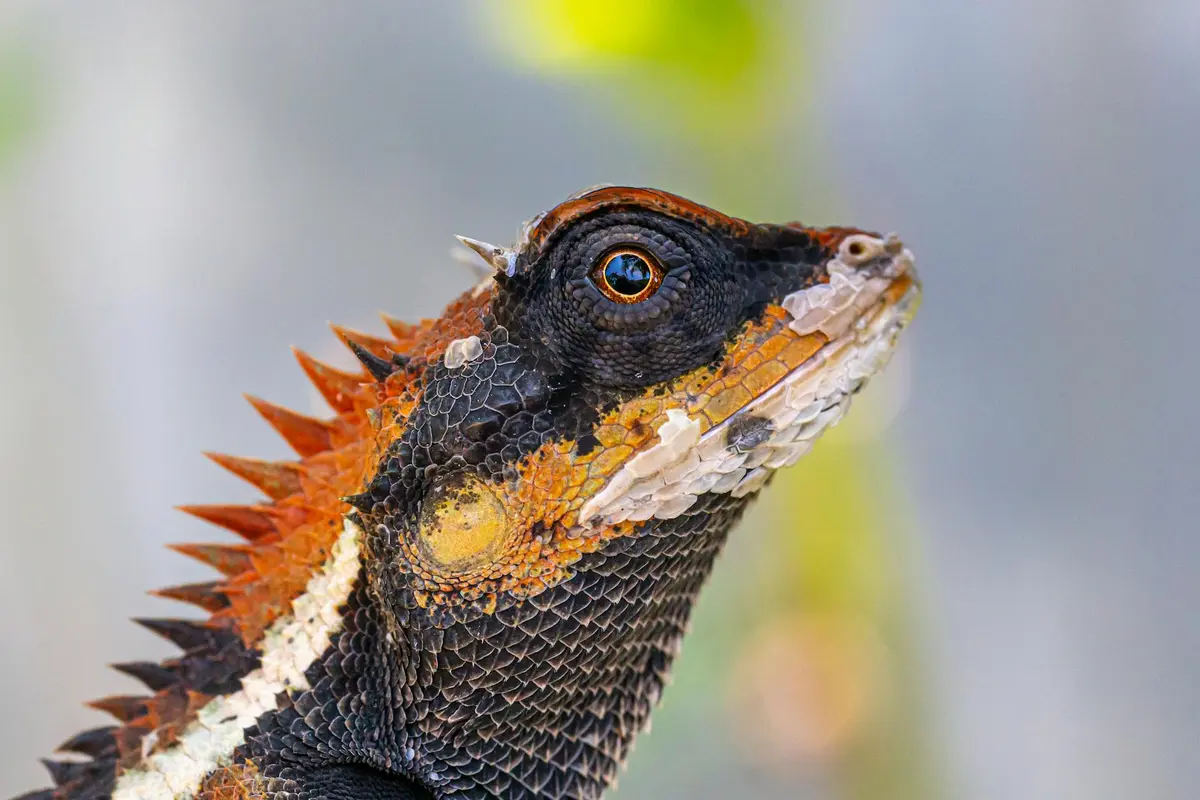
Sometimes, despite our very best efforts at home, our little dragons need a professional’s touch. You are your pet’s first and best advocate, so trusting your gut when something feels off is a powerful tool. I’ve learned from my own dragons that waiting too long often makes a small problem much bigger.
- Your dragon isn’t gaining any weight or is actively losing weight over two weeks, even with a proper diet.
- You have corrected the habitat setup (lighting, temperature, etc.) for over a month with no improvement in appetite or energy.
- They show a lack of interest in food for more than a few days, especially if they are a juvenile.
- You notice any physical abnormalities, like a swollen jaw, bent limbs, or a persistent lump.
Proactive health checks are a game-changer. I schedule a yearly check-up for my adult dragons, just like you would for any other family pet. For a new dragon or one with a known issue, more frequent visits are a smart investment in their long-term health.
Illness Signs and Parasite Screening
Parasites are a common, often invisible, culprit behind stunted growth. They steal the vital nutrients your dragon works so hard to eat. A dragon can have a heavy parasite load and still seem relatively active, which is why testing is so critical.
Watch for these specific symptoms:
- Runny, foul-smelling, or unusually colored stools.
- A bloated or distended belly.
- Lethargy that lasts most of the day.
- Weight loss despite a good appetite.
- Undigested insect parts in their feces.
When you visit the vet, always bring a fresh fecal sample. Ask for a fecal float test to check for common parasites like pinworms or coccidia. A fecal test for parasites is the standard way to confirm infections that may not be obvious. Results guide targeted treatment to keep your reptile healthy. Don’t be shy-ask your vet to explain the results and what the treatment plan will involve. A good reptile vet will welcome your questions.
Age-Related Growth Concerns
It’s vital to know the difference between a natural growth slowdown and true stunting. Bearded dragons experience their most rapid growth in the first 12 to 18 months of their life. After that, their growth rate will slow down significantly, and weight gain will be more about filling out than getting longer. Understanding these stages helps you track bearded dragon size growth patterns over time and spot any deviations early. Regular measurements of length and weight can guide feeding and care decisions as your dragon grows.
A normal slowdown looks like this:
- Gradual reduction in growth rate after 12 months.
- Appetite may decrease slightly but remains consistent.
- Your dragon maintains a healthy weight and is alert.
True stunting is different. Stunting means your dragon has fallen significantly behind the typical size for their age due to prolonged poor conditions. Using a general growth chart can help you contextualize their progress. For example, a healthy dragon is often around 16-22 inches by one year old. If your 18-month-old dragon is only 10 inches long, that points to a historical issue.
Frequently Asked Questions
How long does it take to see improvement after fixing my bearded dragon’s care?
If the underlying cause is corrected, you may notice an improvement in appetite and energy within a couple of weeks. However, significant, visible growth can take a month or more of consistent, proper care to become apparent.
What is the difference between a naturally small bearded dragon and a stunted one?
A naturally small dragon is healthy, active, and proportional for its genetics, while a stunted dragon is undersized for its age due to past or ongoing deficiencies in care, often accompanied by health issues like lethargy or poor body condition.
Can an adult bearded dragon that was stunted as a juvenile still grow?
While an adult is unlikely to experience a dramatic growth spurt, correcting their habitat and diet can lead to improved health, better muscle tone, and potentially some modest size increase as they reach their full, genetically possible potential.
Final Thoughts
Getting your bearded dragon’s growth back on track almost always comes down to two core pillars: their environment and their nutrition. Double-check your temperatures, UVB light, and diet—these are the non-negotiable foundations for healthy development. I’ve seen dragons completely transform once these basics were locked in. Understanding growth rate helps you gauge progress and adjust care as needed. We’ll explain what affects growth speed and what a typical growth trajectory looks like.
Remember, these are resilient animals. With consistent, proper care, you can often help them resume a healthier growth pattern and thrive. Your attentive care makes all the difference.
Further Reading & Sources
- r/reptiles on Reddit: If a bearded dragon is underfed for the first few years, can it still reach full size if fed correctly?
- How will stunted growth affect a bearded dragons health? | Bearded Dragon Forum
- Stunted Growth | Health
Bearded Dragon Lair is the ultimate resource for bearded dragon enthusiasts, offering expert advice and practical tips to ensure the health and happiness of your scaly companion. With years of experience in reptile care, we are dedicated to providing accurate, up-to-date information to support your bearded dragon journey.
Feeding Guidelines