
How Often Do Bearded Dragons Shed?
Published on: February 26, 2026 | Last Updated: February 26, 2026
Written By: Beardie Joe
If you’ve spotted some flaky, grey skin on your scaly friend, you’re likely wondering if their shedding schedule is normal.
As an owner of multiple beardies, I’ve guided many dragons through this itchy process and I’m here to help you understand what to expect.
This guide will walk you through the unique shedding rhythms for baby, juvenile, and adult bearded dragons so you can provide the best care at every stage.
Why Bearded Dragons Shed Their Skin
You might look at your beardie and wonder why they have to go through this whole flaky process. It’s all about growth. Unlike our skin, which grows with us, a bearded dragon’s skin is a rigid, keratin-based structure. It simply can’t stretch. Think of their old skin like a piece of clothing they’ve completely outgrown; shedding is how they get into a new, larger outfit. If you’re wondering ‘why my bearded dragon is shedding,’ our complete care guide covers it in detail. It explains signs, timing, and how to help them shed smoothly.
In our world, we often call this process “molting.” This isn’t just a quirky behavior; it’s a fundamental part of their life cycle. I’ve watched my own dragons become visibly more comfortable and active after a good shed, as if a great weight has been lifted.
The Science Behind Reptile Molting
Underneath the surface, amazing things are happening. A brand new layer of skin is constantly forming. When it’s ready, special fluids fill the space between the old and new layers, loosening the connection. This cell regeneration is the engine room of their health, directly tied to their metabolism and nutrient intake. A smooth shed is a powerful sign of a truly well-cared-for dragon.
How Shedding Supports Growth and Health
For a baby dragon, shedding is practically their full-time job because they are growing at an astonishing rate. But the benefits go beyond just getting bigger. This process is also nature’s way of giving them a deep clean, sloughing off any minor skin parasites, old wounds, or accumulated damage. It’s a brilliant, built-in renewal system that keeps them healthy from the outside in. Care for neonatal hatchlings is covered in a neonatal hatchling care guide. It offers practical steps on setup, temperature, and safe handling to support healthy shedding and growth from day one.
Bearded Dragon Shedding Frequency by Life Stage
How often your dragon sheds is a direct reflection of their age and growth rate. It’s one of the clearest ways to track their development. The general rule is simple: the younger and faster they’re growing, the more often they’ll shed. As they mature and their growth plateaus, the frequency naturally tapers off.
Baby Bearded Dragon Shedding
Baby beardies are shedding machines! In their first few months of life, don’t be surprised if you see them shedding as often as every 1 to 2 weeks. This near-constant state of shedding is fueled by an explosive growth phase where they can seemingly double in size before your eyes. You might even see them shed different body parts at different times in a seemingly endless cycle.
Juvenile Bearded Dragon Shedding
Once your dragon hits the juvenile stage (around 4 to 12 months), things start to slow down. You can expect a full-body shed every 4 to 8 weeks. This pace isn’t set in stone and varies a lot based on the individual dragon’s genetics, diet, and overall growth spurt schedule. One of my juveniles would shed like clockwork, while another kept me guessing. Growth rates can vary significantly, which influences shedding frequency.
Adult Bearded Dragon Shedding
By the time they reach adulthood (around 18 months and older), their growth has mostly stabilized. An adult bearded dragon will typically shed much less frequently, perhaps only 2 to 4 times per year. These sheds are also different; they are often partial, focusing on specific areas like the head, tail, or legs rather than the entire body at once.
Signs Your Bearded Dragon Is About to Shed
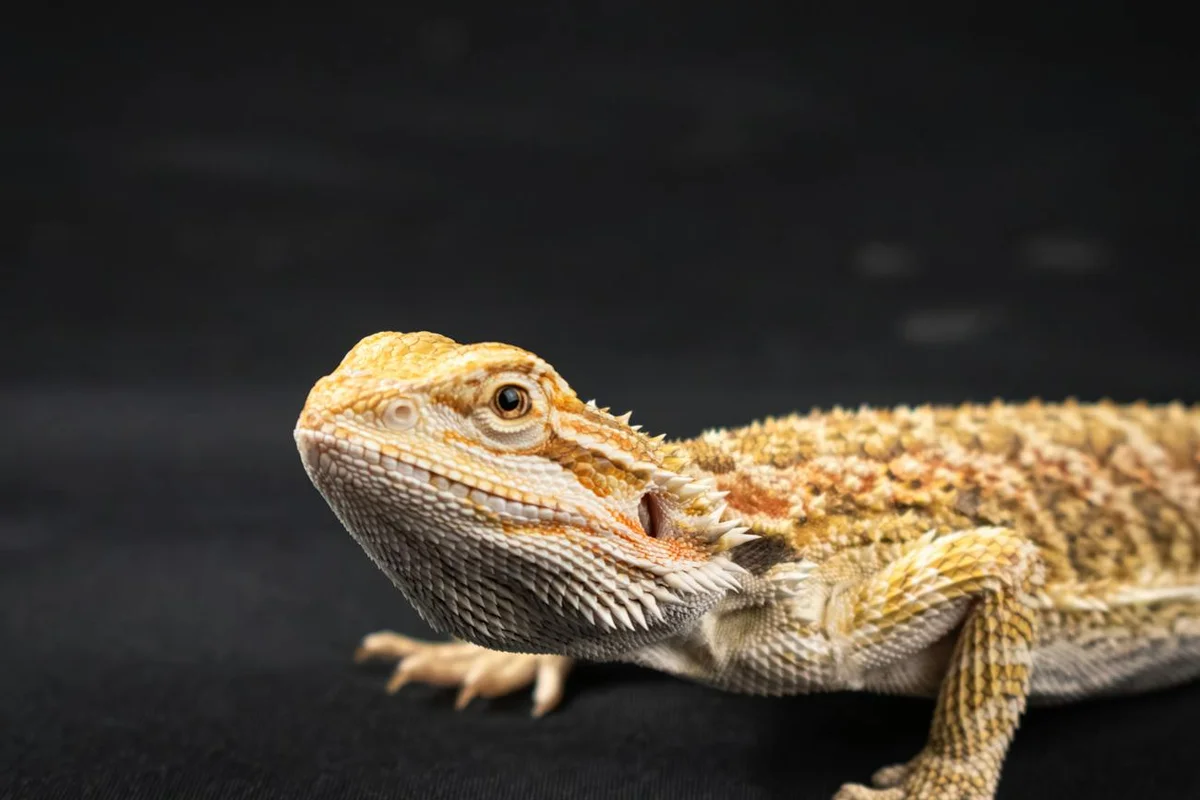
You can tell a shed is coming by watching for specific clues in your dragon’s appearance and habits. Catching these signals early lets you step in with the right support before any discomfort sets in.
- Skin loses its vibrant color and appears dull or grayish
- Eyes look cloudy or bluish as fluid builds underneath the old skin
- Increased hiding or burrowing behavior
- More frequent rubbing against decor or the enclosure walls
- Appetite may drop temporarily
Physical Changes to Watch For
Your dragon’s body gives the clearest hints that a shed is on the way. I always check my bearded dragons’ toes and tail tips first, since those are common trouble spots for stuck shed. Sometimes you need to assist them carefully.
- Dull, faded skin that looks tight or wrinkled
- A milky, opaque film over the eyes-this is normal and temporary
- Whitish or pale patches, especially on the head, back, and limbs
- Skin on the toes, tail, and spikes may appear lifted or flaky
Behavioral Shifts During Pre-Shed
Your usually social dragon might act differently as shedding nears. This is their way of coping with the itchiness and sensitivity, not a sign of illness.
- Spending more time in hides or shaded areas
- Rubbing their face and body on rocks or branches to loosen skin
- Eating less or refusing food-their vision is blurry, making hunting harder
- Seeming more irritable or less interested in handling
The Bearded Dragon Shedding Process Step by Step
Shedding unfolds in a natural sequence, and each stage has its own rhythm. Patience is key here-rushing or interfering can do more harm than good.
- Skin loosens and comes off in patches, not all at once
- The whole process can take a few days to two weeks
- Baby dragons shed more frequently and quickly than adults
- Proper humidity and hydration support a smooth shed
Stage 1: Pre-Shed Preparation
This initial phase is all about the body getting ready. I make sure the enclosure humidity is around 30-40% and offer shallow soaks to keep my dragons comfortable.
- New skin forms underneath the old layer
- Fluid builds between the layers, causing the cloudy eyes and dull color
- Skin may feel tighter, and your dragon might seem restless
- Ensure basking spots are correct-warmth helps loosen the shed
Stage 2: Active Shedding
Now the old skin starts to peel away. You’ll see your dragon rubbing and scratching—this is their natural way of helping the process along. You may also notice scratching on the walls or floor of the cage as they shed. This is a normal part of shedding and helps explain why my bearded dragon scratches cage surfaces.
- Skin flakes off in pieces, often starting around the head and limbs
- They may use decor or even their own limbs to rub against
- Light misting or warm baths can ease tight patches
- Never pull or peel the skin-it can tear the new layer underneath
Stage 3: Post-Shed Recovery
Once the shed is complete, your dragon bounces back to their usual self. Their colors will look brighter and more vibrant than ever-it’s a rewarding sight after all that work.
- Behavior returns to normal: more active, alert, and hungry
- Appetite picks up, so resume regular feeding schedules
- Handling can resume once they seem comfortable and stress-free
- Check for any retained shed, especially on toes and tail
How to Support Your Bearded Dragon During Shedding
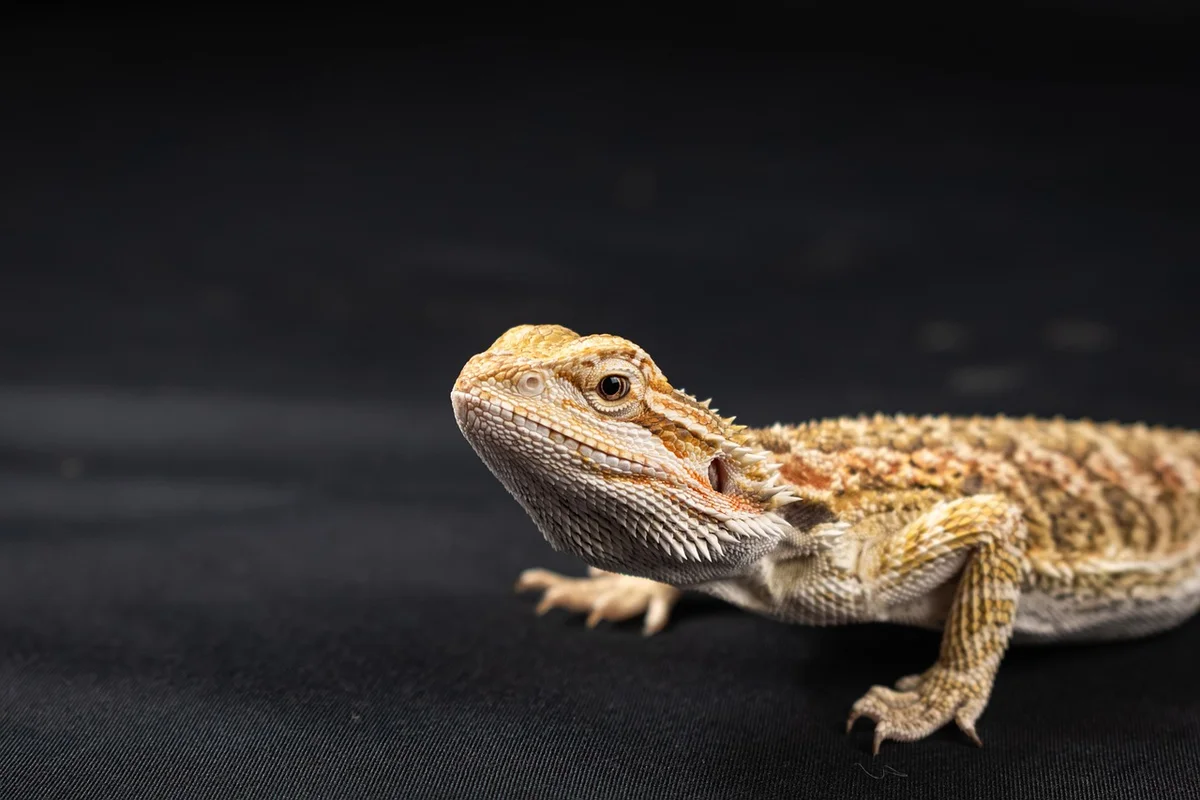
Watching your dragon go through a shed can be tough. They get itchy and uncomfortable, and all you want to do is help. Your primary job during this time is to provide support, not to do the work for them. I’ve found that a hands-off approach, backed by a perfect setup, works wonders every single time. Sometimes a gentle bath with lukewarm tap water can help soften shed and relieve itching. For safety and best results, a complete guide on bathing bearded dragons covers when to bathe, proper water temperature, duration, and shedding-specific tips.
Creating the Ideal Shedding Environment
A proper habitat is the best shedding aid you can offer. Think of it as setting the stage for them to succeed on their own.
- Humidity is Key: Aim for a habitat humidity between 30% and 40%. During a heavy shed, a brief spike to 50-60% can help. I achieve this with a daily, light misting on the cool side of the tank, never directly on my dragon if it startles them.
- Basking Spot Perfection: Ensure their basking spot is at the correct, species-specific temperature. Proper heat helps loosen the old skin from underneath. A sluggish shed can often be traced back to a basking area that’s just a few degrees too cool.
- Add Textured Furniture: Place rough rocks, slate tiles, or branches at various angles in the enclosure. My dragons love rubbing against their stone cave and the sand-blasted grapevine branch. It’s like their own personal scratching post.
Safe Shedding Aid Techniques
Sometimes, your dragon needs a little extra TLC. The golden rule here is gentleness.
- Gentle Soaking: A shallow, lukewarm bath for 15-20 minutes can work miracles. The water should only be as deep as your dragon’s shoulders. I always stay with them during bath time to ensure they are safe and calm.
- Light Misting: If your dragon tolerates it, a fine mist on their body can soften tough patches of skin. Watch their body language; if they puff up or try to escape, it’s better to rely on the habitat’s humidity.
- Never Pull the Skin: This is non-negotiable. Pulling or peeling shed can tear their brand-new, delicate skin underneath, leading to pain and serious infection. Let it come off on its own timeline.
- Commercial Shedding Aids: If you use one, select a reptile-specific spray from a reputable brand. I’ve used them as a last resort for stubborn sheds on toes, but they are a supplement to-not a replacement for-proper husbandry.
Addressing Common Bearded Dragon Shedding Problems
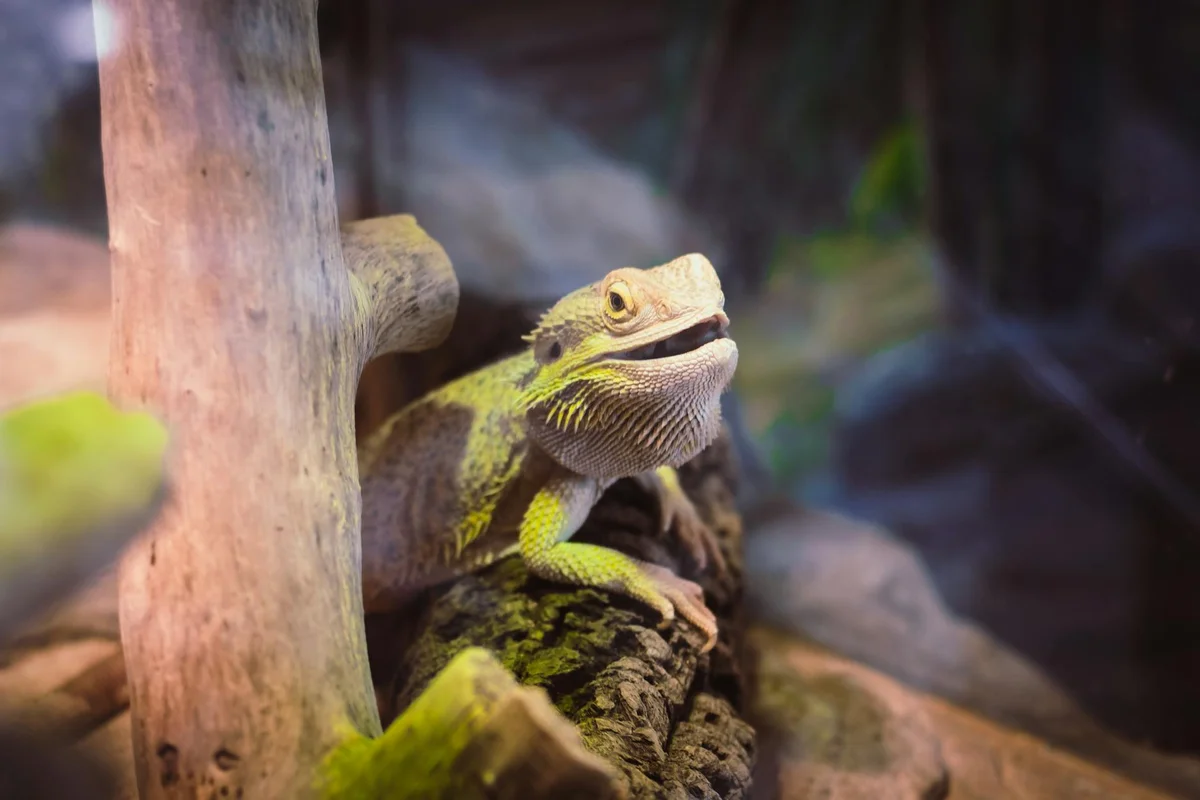
Even with perfect care, things can sometimes go a little sideways. Recognizing a problem early is the key to a simple fix.
- Stuck Shed: This is when dry, old skin remains stuck, often cutting off circulation.
- Lack of Appetite: It’s very common for dragons to eat less or stop eating entirely during a full-body shed. Don’t panic. Just keep offering fresh greens.
- Lethargy and Hiding: Shedding is energy-intensive. Expect your pet to be less active and more reclusive until the process is over.
Stuck Shed and How to Handle It
Stuck shed is a problem I take very seriously, especially in certain high-risk areas. Left untreated, stuck shed can constrict blood flow and lead to the loss of toes or the tail tip.
- Focus on the Extremities: Pay close attention to their toes, the tip of their tail, the spikes around their head, and their eye caps.
- Start with a Soak: Give them a warm bath to thoroughly soften the skin. You can gently roll the stuck shed between your fingers after the soak, but if it doesn’t come off easily, stop.
- Use a Soft Tool: After a soak, I’ll sometimes use a moistened, soft-bristled toothbrush to very gently brush areas like the back and spikes. This mimics the feeling of rubbing against a rough surface.
- Know When to Stop: If the shed doesn’t come free after a few days of gentle soaking and assistance, it’s time to consult an exotic veterinarian.
When Shedding Indicates Health Concerns
While shedding is normal, certain patterns can be a red flag for underlying health issues.
- Excessive or Constant Shedding: If your adult dragon seems to be in a perpetual state of shed, it could point to nutritional deficiencies, external parasites, or a skin infection.
- Prolonged Lethargy or Appetite Loss: It’s normal for a few days, but if your dragon is still refusing food and acting weak a week after the shed is complete, something else is wrong.
- Check Your Setup: These problems are often linked back to the enclosure. Double-check your temperatures with a digital thermometer, review your UVB bulb (it needs replacing every 6-12 months), and assess their diet for proper calcium and vitamin supplementation.
When in doubt, a visit to a qualified reptile vet is always the safest and most responsible choice for your pet. I’ve never regretted taking one of my dragons in for a check-up, even if it was just for peace of mind. Bearded dragons need vet checkups as part of preventive care. Knowing the signs of an emergency helps you know when urgent vet care is needed.
Frequently Asked Questions
Is it normal for my bearded dragon to stop eating during shedding?
Yes, it’s common for bearded dragons to reduce or stop eating while shedding due to discomfort and temporary blurred vision. Some bearded dragons may nibble at or even eat their shed skin, which is part of the shedding process and helps explain changes in appetite. However, if the lack of appetite continues after the shed is complete, it may signal an underlying health issue.
What are safe shedding aids I can use for my bearded dragon?
Safe aids include gentle soaks in lukewarm water and light misting to soften stubborn skin. Always avoid pulling on the shed, and consult a veterinarian before using commercial shedding sprays for persistent problems.
Can watching videos help me understand bearded dragon shedding better?
Yes, educational videos on platforms like YouTube can visually demonstrate the shedding process, helping you identify normal behavior and learn when to provide assistance without interfering unnecessarily.
Your Shedding Journey Together
From the frequent sheds of a fast-growing baby to the occasional wardrobe change of a settled adult, your bearded dragon’s shedding is a direct reflection of their health and life stage. The most vital takeaway is that a proper habitat with correct humidity and rough surfaces for rubbing is your number one tool for supporting a smooth, successful shed.
Trust your eyes and your bond with your dragon. While this guide gives you a solid framework, you are their most trusted guide. By observing their unique patterns and providing consistent, compassionate care, you are setting the stage for a lifetime of healthy sheds and a thriving companion.
Further Reading & Sources
- Bearded Dragon Shedding 101 – Dragon’s Diet
- Bearded Dragon shedding – ExoticDirect
- The Complete Guide To Bearded Dragon Shedding
Bearded Dragon Lair is the ultimate resource for bearded dragon enthusiasts, offering expert advice and practical tips to ensure the health and happiness of your scaly companion. With years of experience in reptile care, we are dedicated to providing accurate, up-to-date information to support your bearded dragon journey.
Hatchling Care