How Long Do Bearded Dragons Sleep? (Hours, Brumation & Baby Sleep Patterns)
Published on: March 3, 2026 | Last Updated: March 3, 2026
Written By: Beardie Joe
If you’ve ever watched your bearded dragon doze off and questioned their sleep schedule, you’re asking the right thing.
Having cared for my own group of bearded dragons for years, I’ve learned their sleep tells a story about their health, and I want to help you understand it too.
We’ll look at their typical daily sleep hours, demystify the deep sleep of brumation, and uncover the unique rest patterns of baby bearded dragons.
Typical Sleep Hours for Bearded Dragons
Bearded dragons are diurnal, which means they are active during the day and sleep at night, just like us. In a standard 24-hour cycle with proper lighting, a healthy beardie will typically sleep for a solid 8 to 12 hours each night. This schedule is directly tied to their internal clock, or circadian rhythm, which is heavily influenced by light and temperature. If you’re looking for a complete guide to bearded dragon sleep behavior, this will cover signs of healthy rest, nap patterns, and how to optimize their day-night cycle. Remember, bearded dragons are diurnal—so their sleep strategy hinges on a consistent nighttime period rather than true nocturnal activity.
Their sleep patterns can feel quite different from a mammal’s. They don’t experience deep REM sleep cycles the way we do. Instead, their rest is often a lighter state of alertness. You might notice your dragon twitching, changing positions, or even opening an eye occasionally throughout the night. This is completely normal and is a leftover instinct from the wild, where they needed to be aware of predators.
Here’s a quick look at how those sleep hours generally break down by age:
| Age Group | Average Nightly Sleep | Notes |
|---|---|---|
| Baby (0-5 months) | 8-10 hours | May take short naps during the day. |
| Juvenile (5-18 months) | 10-12 hours | Sleep becomes more consolidated at night. |
| Adult (18+ months) | 10-12 hours | Patterns are most stable; can be affected by season. |
Sleep Patterns by Age
Baby Bearded Dragon Sleep
Watching a baby beardie sleep is adorable, but you might notice they don’t just crash for one long stretch. Baby bearded dragons are growing at an incredible rate, and this metabolic demand means they often need to refuel and rest more frequently. While they will still sleep through the night, it’s very common for them to take short, 20-30 minute power naps during the day, usually after a big meal. Safe, calm bed setups matter for their naps and overnight sleep, helping protect them as they dream and rest. A secure sleeping space with proper temperature and no hazards keeps both daytime naps and night sleep safe.
I remember with my first baby dragon, I’d often find him dozing off right on his basking log. At first, I worried, but I learned this is just part of their process. These little nap cycles are a sign of a healthy, growing baby and will naturally decrease as they mature into juveniles.
Juvenile Bearded Dragon Sleep
The juvenile stage is a period of significant transition, and their sleep habits reflect that. You’ll likely see a shift from sporadic daytime napping to a more predictable, uninterrupted nighttime sleep schedule. Their bodies are still growing, but not at the frantic pace of a baby, so they require less frequent rest breaks.
Behaviorally, you might notice they are more purposeful with their basking. They’ll spend long periods under the heat lamp to digest food and regulate their energy, and this sustained activity leads to a deeper, more consolidated sleep at night. A consistent 12-hour light/dark cycle is absolutely crucial during this phase to establish strong, healthy sleep patterns for adulthood.
Adult Bearded Dragon Sleep
By the time they reach adulthood, a bearded dragon’s sleep pattern is usually very stable and predictable. An adult beardie is a creature of habit, thriving on a consistent routine of lights on and lights off. You can expect a solid 10-12 hours of sleep from them each night, with very little daytime napping unless they are entering a seasonal cycle. You may still notice odd sleeping positions, such as sleeping standing up. These quirks are usually harmless and tie into why bearded dragons sleep standing up, along with other unusual sleeping habits explained.
Their activity levels directly influence their rest. A dragon that has plenty of space to explore, opportunities to hunt (or be fed), and proper basking time will have a more satisfying and deep sleep. Seasonal variations, like shorter days in winter, can sometimes make an adult dragon sleep a little longer or become slightly less active, which is a normal response to the changing “seasons” in your home.
Understanding Brumation
Brumation vs Normal Sleep
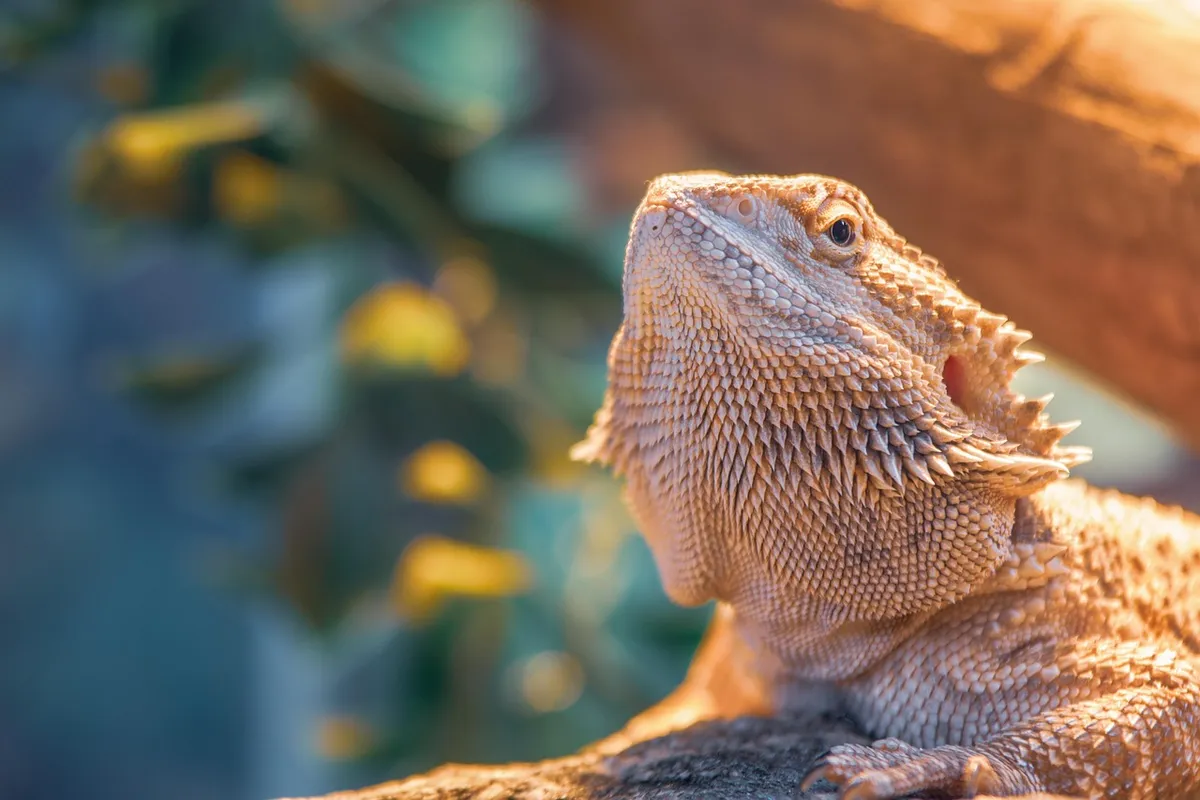
Seeing your bearded dragon sleep for a long stretch can be startling if you’re new to it. I remember my first beardie, Puff, gave me a real scare one winter. Brumation is not just a long nap; it’s a deep, hibernation-like state triggered by seasonal changes. Your dragon’s daily sleep is a nightly recharge, but brumation is a weeks-long metabolic slowdown.
- Normal sleep happens daily for 8-12 hours. Brumation can last for weeks or even months.
- During regular sleep, your dragon might shift positions. In brumation, they become incredibly lethargic and may not move for days.
- A sleeping dragon will wake up for food. A brumating dragon will often refuse food entirely.
Key signs of brumation include digging a lot to create a burrow, sleeping for multiple days straight, and a significant loss of appetite without weight loss. Their eyes might be partially open, which is perfectly normal for this state.
Brumation Duration and Triggers
There’s no one-size-fits-all timeline for brumation. In my experience, it typically lasts between one and four months. The primary trigger is a consistent drop in temperature and a reduction in daylight hours, mimicking the Australian outback winter.
- Cooler ambient room temperatures and shorter days are the biggest natural cues.
- Some dragons brumate like clockwork every year, while others skip a season entirely.
- Age is a factor; dragons under a year old rarely go into full brumation.
Monitoring their health during this time is non-negotiable, even though they seem inactive. Here’s my simple routine:
- Weigh them every one to two weeks on a kitchen scale to ensure they aren’t losing significant weight.
- Offer a shallow bath weekly to encourage hydration, but don’t force it if they resist.
- Check on them visually every few days for any signs of respiratory infection or unusual discharge.
Preparing for Brumation
A little prep work before brumation can make the process much smoother and safer for your pet. About a month before you expect it to start, usually in the fall, begin making adjustments.
- Slowly reduce the photoperiod by an hour each week until you’re down to about 8-10 hours of light.
- Stop offering food and allow their system to fully empty to prevent food from rotting inside them.
- Continue to offer water and encourage hydration through warm baths.
You must be ready to intervene if your dragon shows signs of illness instead of brumation. If you notice rapid weight loss, sunken eyes, a limp body, or wheezing, it’s time for an immediate vet visit. Trust your gut; you know your animal best.
Environmental Factors Affecting Sleep
Lighting and Temperature Control
Think of your dragon’s enclosure as their personal sun. Getting the lighting wrong is the fastest way to disrupt their entire sleep-wake cycle. The UVB light and basking lamp work together to create a reliable day and night for them.
- UVB is critical for their calcium metabolism and overall health, directly influencing their energy levels and sleep quality.
- A basking spot that is too hot or doesn’t get hot enough can cause stress and restlessness.
- Inconsistent light schedules confuse their internal clock, leading to fragmented sleep.
My best tip is to put all lights on a simple, plug-in timer. This guarantees a consistent 12-14 hour day cycle without you having to remember. Total darkness at night is a must, so avoid using colored “night” bulbs which can still disturb their rest.
Hydration and Hunger Cycles
Just like you might struggle to sleep after a big, late dinner, your bearded dragon’s feeding schedule impacts their rest. Their metabolism is closely tied to their heat source, and how they process food affects their ability to settle down. That’s why a complete feeding schedule—knowing how often to feed and what to offer—matters. A consistent plan helps regulate digestion and sleep.
- Feeding too late in the day means their body is still digesting when it’s time to sleep, which can be uncomfortable.
- Dehydration can cause lethargy that mimics excessive sleepiness but is actually a health concern.
- A diet too high in sugary fruits can cause energy spikes and crashes.
Signs of sleep disruption from diet include frequent waking, sleeping in odd positions to relieve digestive pressure, or being unusually active at night. I always offer the main meal in the morning or early afternoon, giving them plenty of basking time to digest properly before lights out.
Seasonal and Habitat Changes
Your dragon is incredibly tuned into its environment, even inside your home. Seasonal shifts in your household-like the heater coming on in winter or longer daylight in summer-can subtly alter their sleep patterns.
- A drafty enclosure or one placed in a high-traffic area can cause stress and prevent deep sleep.
- The natural increase in daylight during summer might lead to slightly shorter sleep durations.
- A lack of proper hiding spots can make a dragon feel too exposed to sleep soundly.
I recommend making small adjustments to the habitat with the seasons. In winter, ensure the tank isn’t near a cold window draft. In summer, make sure the room doesn’t get too hot and override the tank’s temperature gradient. Always provide a snug hide on both the warm and cool side so they can choose where they feel safest to rest.
Signs of Healthy and Problematic Sleep
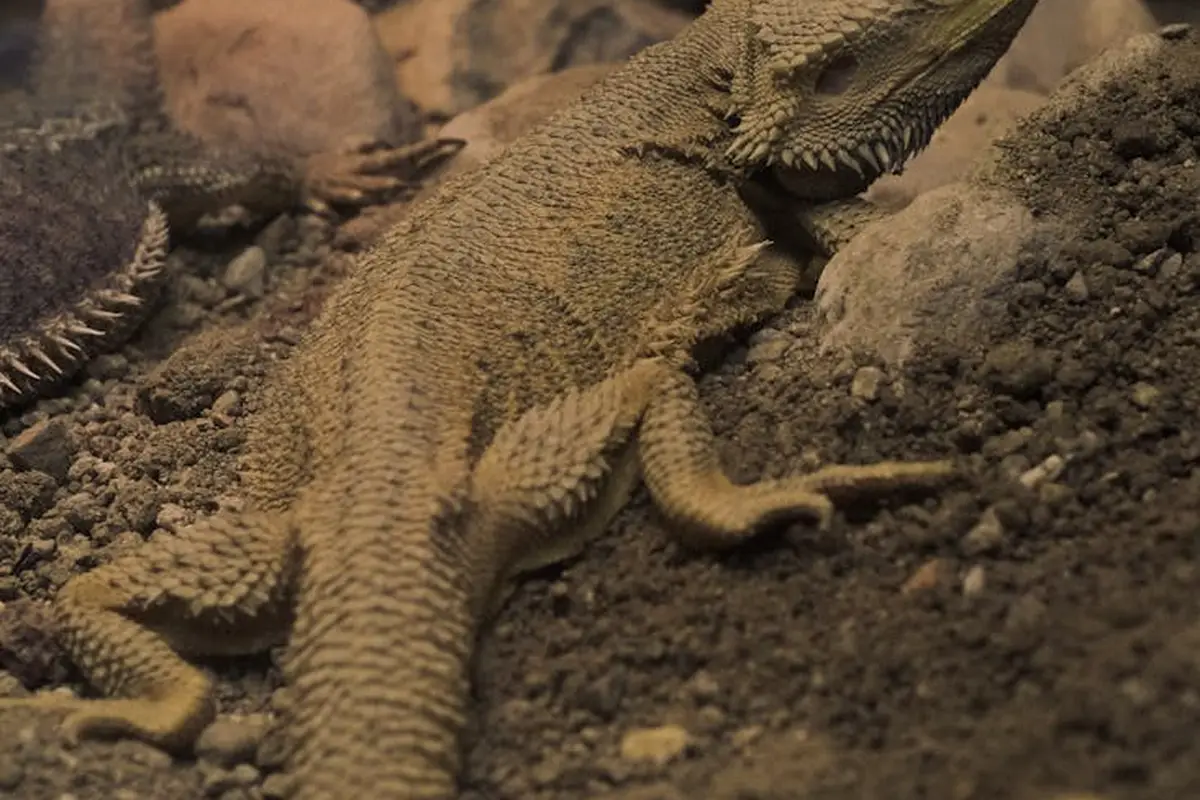
Knowing what normal sleep looks like is your first step to being a great beardie parent. A sleeping bearded dragon is a picture of pure peace. In this complete beginners guide to taking care of bearded dragons, you’ll learn what healthy rest looks like and how to support it. Following these basics will help you become a confident beardie caregiver.
Visual Cues of a Healthy Sleep
- Eyes are fully closed. They don’t have eyelids, so a translucent membrane (a nictitating membrane) will cover their eyes.
- They are completely still. You might see very slight, slow breathing movements, but that’s it.
- They often sleep in funny, seemingly uncomfortable positions, like propped up against the glass or sprawled out on a branch.
- Their color will be dull and dark. This is normal and not a cause for alarm.
Red Flags for Sleep Deprivation or Stress
If your dragon isn’t sleeping well, they will tell you-you just have to know how to listen.
- Frequent glass surfing, especially at night, is a major sign of stress.
- Sleeping with their eyes open. This means they aren’t entering a deep, restful sleep state.
- Constantly changing sleeping spots and seeming restless after lights out.
- Lethargy and lack of appetite during the day. A tired dragon is a grumpy, unhealthy dragon.
Naps: Typical vs. Concerning
A quick cat-nap in a warm basking spot is perfectly normal dragon behavior. I often find my adult male, Puff, dozing off for 20 minutes after a big meal.
- Typical: Short naps (under an hour) during the day, especially after eating or during handling.
- Concerning: Sleeping all day long and only becoming active when you try to feed them. This is a key difference between a quick nap and a potential health issue.
Creating an Ideal Sleep Environment
Think of their tank as their bedroom. You want it to be a safe, dark, and quiet cave. Getting this right solved so many early sleep issues with my first dragon, Smaug.
Steps for a Perfect Dragon Bedroom
- Provide at least one fully enclosed hide on both the warm and cool side of the tank. I’ve found the simple, cave-like resin hides work best-they feel secure and hold no humidity.
- Use a soft, safe substrate. I’m a big fan of a solid substrate like slate tile or a non-adhesive liner for easy cleaning, but you can add a soft reptile hammock or a folded fleece blanket in their favorite sleeping corner.
- Add clutter! Fake or real plants, branches, and cork rounds break up the open space. This makes your dragon feel hidden and secure from potential “predators,” even in the safety of your living room.
- Ensure the background on three sides of the tank is covered. This prevents them from feeling exposed and reduces stress from seeing their own reflection.
What to Absolutely Avoid at Night
- No night lights of any color. Red or blue “night” bulbs are a myth and disrupt their circadian rhythm. They need total darkness to produce melatonin, just like we do.
- Keep the room quiet. Avoid placing the tank right next to a loud TV or speaker. Sudden, loud noises can startle them awake.
- Do not use heat rocks. They are a burn risk and provide an unnatural, confusing heat source at night.
In my experience, the single most effective change was committing to total darkness. The first night I turned off all lights, including the dim blue one I thought was helping, I heard my beardie let out this tiny, deep sigh before settling down for the night. It was like he was finally able to truly rest.
When to Seek Veterinary Care
-
Watch for prolonged lethargy where your bearded dragon sleeps far beyond their normal hours and shows little interest in food or activity. If your bearded dragon isn’t active, check that their basking light and ambient temperatures are correct. If lethargy continues, consult a reptile veterinarian promptly.
Changes in brumation, like starting too early, lasting too long, or not occurring at all, can indicate underlying problems.
I’ve cared for dragons that seemed off, and a vet visit revealed issues like parasites or infections.
Trust your gut-if your dragon’s sleep habits feel wrong, it’s better to get them checked out early.
-
Sleep issues can stem from serious conditions like metabolic bone disease or impaction, which need expert diagnosis.
Reptile vets use tests and exams to pinpoint causes that aren’t obvious from behavior alone.
In my experience, delaying care can worsen health, so I always recommend calling a vet for peace of mind.
Professional advice ensures your dragon gets the right treatment and avoids unnecessary suffering.
Frequently Asked Questions
Is it safe to handle my bearded dragon while it’s sleeping?
It’s best to avoid handling your bearded dragon during sleep, as this can startle them and disrupt their rest cycle. If your dragon is brumating, this is a normal period of reduced activity, so limit handling during brumation to essential checks. Always wait until they are fully awake and active to interact with them.
Why does my bearded dragon sometimes sleep with its mouth open?
Sleeping with the mouth open can indicate respiratory issues or overheating, so it’s important to check the habitat temperature and consult a vet if it persists. This behavior is not typical and may signal a health problem that needs attention.
Can changes in my bearded dragon’s sleep pattern indicate breeding behavior?
Yes, during breeding season, sleep patterns may shift due to hormonal changes, such as increased restlessness or altered activity. However, monitor for other signs and consult a vet if sleep changes are extreme or accompanied by health concerns.
Final Thoughts
Ultimately, a bearded dragon’s sleep is a direct reflection of its health and happiness. Most healthy adults will be perfectly content with 8 to 13 hours of rest each night, while babies need their extra naps to fuel all that rapid growth. My own beardies follow this pattern, and it’s a comforting rhythm to witness. If you’re ever concerned about the amount your dragon is sleeping, it’s worth checking out this guide for when to worry.
Remember that brumation is a natural, healthy process, not a cause for panic. Trust your knowledge, monitor their weight, and always provide fresh water, letting their instincts guide the way. Paying close attention to their unique sleep habits is one of the most caring things you can do as a pet owner.
Further Reading & Sources
- Zzz… Your Guide to Bearded Dragon Sleep – ABDRAGONS
- Are Bearded Dragons Nocturnal Or Diurnal? Their Sleep Behavior Explained – A-Z Animals
- r/BeardedDragons on Reddit: How many hours does your beardie sleep? What times?
Bearded Dragon Lair is the ultimate resource for bearded dragon enthusiasts, offering expert advice and practical tips to ensure the health and happiness of your scaly companion. With years of experience in reptile care, we are dedicated to providing accurate, up-to-date information to support your bearded dragon journey.
Heating and Lighting