Why Is My Bearded Dragon Closing One Eye?
Seeing your bearded dragon close one eye can be a puzzling and worrying sight.
As a long-time beardie owner, I’ve learned to decode their unique eye language, and I’m here to help you understand what your pet is trying to tell you.
We’ll explore the common reasons for one-eye closing, learn when it’s a true emergency, and decode other mysterious eye behaviors like bulging and squinting.
Common Reasons for One Eye Closed
Seeing your bearded dragon close one eye can be unsettling, but it’s often a simple issue you can address at home. This behavior is usually a sign of discomfort or irritation, not a dire emergency. From my own experience, a quick environmental check often reveals the culprit. When your dragon stares, it’s another cue to interpret. Interpreting common behaviors like staring can reveal whether they’re curious, stressed, or seeking attention.
- Irritation from Dust or Substrate: Loose substrates like calci-sand or even very dusty topsoil can get kicked up. Your dragon might close its eye to protect it. You’ll often see them blink repeatedly or try to rub their face on a decoration.
- Foreign Body: A tiny piece of shed skin, a stray woodchip, or even a small insect part can lodge in the eye. The closed eye is a direct response to this physical discomfort. Look for excessive tearing or pawing at the face.
- Retained Shed (Dysecdysis): Old skin can stick to the eyelid or the spectacle, the clear scale covering the eye. This creates a tight, uncomfortable feeling, causing your dragon to keep the eye shut. The skin will appear as a tight, opaque, or crusty film.
- Minor Injury: A scratch from a sharp branch or a tussle with cage mates can lead to a closed eye. You might notice slight swelling or the dragon being particularly protective of that side of its head.
Eye Irritation and Foreign Objects
My dragon, Boris, once got a piece of a dried herb stuck in his eye from his salad, and he immediately started squinting. Loose, particulate substrate is a very common source of this type of irritation, which is why I personally prefer solid substrates like tile or non-adhesive shelf liner. If you suspect something is in their eye, act calmly and carefully.
- Prepare a sterile saline solution (the same kind used for human contact lenses) and a soft, clean cotton swab or pad.
- Gently restrain your dragon by supporting its body. Do not hold its head tightly.
- Try to gently flush the eye from the side with the saline. Never aim directly at the eyeball.
- If you can see a loose particle, you may attempt to very softly wipe it away from the nose outward with a damp cotton swab.
- If the object is lodged or the eye remains closed after your attempt, stop and contact a reptile veterinarian immediately. Forcing it can cause serious damage.
Shedding-Related Issues
Stuck shed around the eye is like trying to see through a piece of tape stuck on your glasses-it’s annoying and blurry. Never, ever pull the shed skin off their eyelid, as you can easily tear the delicate new skin underneath. I’ve found that patience and humidity are the best tools here.
- Increase the humidity in the enclosure temporarily by lightly misting the area with warm water.
- Offer a warm, shallow bath for 15-20 minutes. The hydration often helps loosen the skin naturally.
- You can use a soaked cotton swab to very gently roll over the closed eyelid, encouraging the skin to come off on its own.
- If the shed does not come off after a few days of this treatment, a vet visit is warranted to prevent damage to the spectacle.
Signs of Eye Infection or Disease
When a simple irritation progresses, it’s time to look for more serious signs. A healthy bearded dragon’s eye should be clear, bright, and fully open, with no discharge or swelling. Persistent problems often point back to the overall habitat conditions. Watch for critical health warning signs such as lethargy, refusal to eat, or trouble breathing. If you notice these, seek urgent veterinary care—these signs can indicate a life-threatening issue.
- Discharge: Any fluid, whether watery, thick, or pus-like, is a major red flag.
- Swelling: A puffy, bulging eye that looks too large for the socket indicates inflammation or fluid buildup.
- Redness: Inflamed tissue around the eye or visible blood vessels on the eyeball itself.
- Cloudiness: A hazy, blue, or milky appearance to the eye itself, which is not the same as the opaque blue hue they get before a full-body shed.
Many eye infections, like conjunctivitis, are directly linked to a dirty enclosure where bacteria can thrive on feces and old food. A clean habitat is a cornerstone of preventative health care.
Identifying Eye Infections
Infections need a professional diagnosis, but you can look for clues. The color and consistency of any discharge can give you a hint about the type of infection at play. This information is very helpful for your veterinarian.
- Bacterial Infections: Often present with a thick, yellow or greenish pus. The eye area may be very swollen and red.
- Fungal Infections: Less common, but can appear as crusty, scabby lesions around the eyelid. The discharge might be more cheesy or flaky.
Any colored discharge-yellow, green, or even excessive clear discharge-signals that it’s time for a vet visit, as these conditions require prescription medication. Over-the-counter remedies are not suitable for reptiles and can make things worse.
Underlying Health Issues
Sometimes, the eye itself isn’t the primary problem. Systemic health problems can manifest in the eyes, making them a valuable window into your dragon’s overall well-being. This is part of a complete health check guide on how to tell if your bearded dragon is healthy. A quick routine can help you spot issues early. I always check my setup first when I see recurring health issues.
- Calcium Deficiency / Metabolic Bone Disease (MBD): A lack of calcium can lead to muscle weakness, including in the muscles that control the eyelids. You might see general lethargy, tremors, or a wobbly gait accompanying the eye issue.
- UVB Lighting Imbalances: Bearded dragons require specific, high-output UVB light to synthesize vitamin D3 and process calcium. An old, weak, or improperly placed UVB bulb can indirectly cause eye problems by contributing to MBD. In rare cases, a bulb that is too strong or too close can cause photokeratitis, essentially a sunburn on the eye.
Immediate Home Care and Assessment
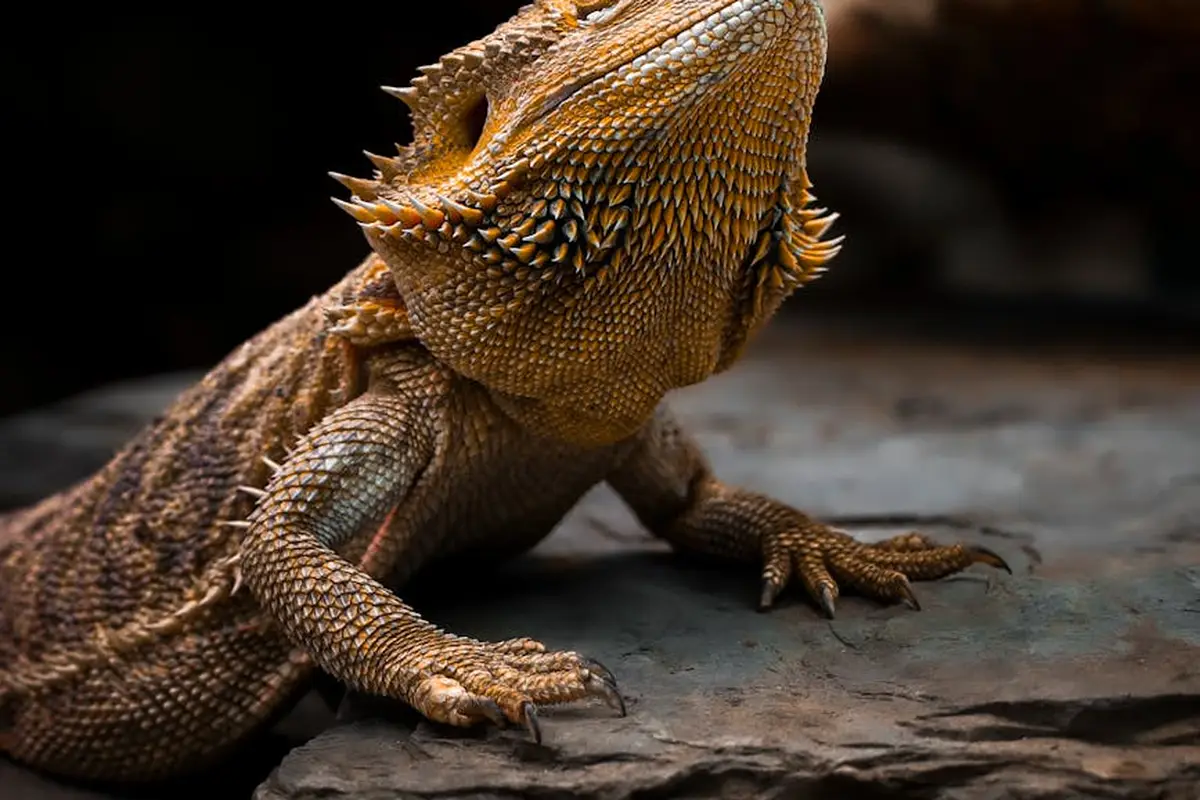
When you first notice your bearded dragon closing one eye, a calm and methodical approach is your best tool. I always start with a gentle visual inspection before doing anything else, as this tells me if we’re dealing with a simple irritation or something more serious, like signs of choking.
- Inspect the Eye: In a well-lit area, gently look for any visible specks of substrate, shed skin, or tiny scratches on the eye’s surface. Do not touch the eyeball directly.
- Clean the Area: If you see debris around the eye (not in it), you can use a sterile saline solution and a soft, lint-free cloth or cotton swab to wipe the surrounding scales. I keep a bottle of reptile-safe saline in my dragon’s first-aid kit for this exact reason.
- Adjust the Habitat: Check your tank for common irritants. This includes dusty substrate, overly bright UVB lights placed directly overhead, or anything that could be poking or scraping near their basking spot.
Steps for Minor Irritation
If your initial check reveals no obvious injury or swelling, you can try these steps for minor issues. Patience is key here; give these simple adjustments a full day to see if they make a difference.
- Look closely at the affected eye one more time to confirm there is no embedded debris or a visible wound.
- Make immediate habitat tweaks. Increase the humidity slightly with a extra misting, and remove any potential irritants like loose-particle bedding or sharp-edged decor.
- Watch your dragon’s behavior closely for the next 24 hours. Note if the eye-opening improves, stays the same, or gets worse.
When to Avoid Home Treatment
Knowing when to stop home care is just as important as knowing how to start it. My personal rule is that if the problem persists for more than a day or shows any of these red flags, it’s time for a professional vet visit.
- The eye remains completely shut for an extended period with no attempt to open it.
- You notice any swelling, puffiness, or redness around the eyelid.
- Your dragon shows other behavioral changes like loss of appetite, lethargy, or rubbing the eye constantly on decor.
- There is any kind of discharge, whether watery, thick, or pus-like.
Home care simply cannot address deeper issues like a corneal ulcer, a serious infection, or internal pressure, and attempting to treat these yourself can cause more harm.
Other Eye Behaviors Explained
Bearded dragons use their eyes for more than just seeing; their eye movements can be a form of communication and a window into their health. They also communicate through sound and vibration, and understanding their hearing helps me interpret their responses. Learning to read these subtle signals has helped me understand my dragons on a much deeper level.
- Blinking: A slow, deliberate blink is often just a normal, comfortable action.
- Squinting: This can be a sign of discomfort from light or an irritant.
- Swelling: Puffy eyes are almost always a sign of a problem that needs investigation.
- Discharge: Any fluid coming from the eye is abnormal and points to infection or injury.
- Cloudiness: A cloudy eye can indicate anything from an impending shed to a severe infection.
Rapid Blinking or Squinting
If you see your dragon blinking rapidly or squinting, consider it them trying to tell you something. I’ve seen this happen when one of my dragons is simply curious and processing new information, but it can also be a clear sign of discomfort or stress. [It’s important to learn how to spot these stress signals and address them appropriately.](https://beardeddragonlair.com/is-your-bearded-dragon-stressed-how-to-spot-the-signs-and-reduce-their-anxiety)
- It can be a reaction to a sudden change in light intensity or a UVB bulb that is too strong or too close.
- Sometimes they do it as a non-aggressive communication, especially during feeding time or when you approach the tank.
- If the behavior is constant, it shifts from curiosity to a likely signal that something is bothering their eye.
Swollen or Watery Eyes
Swelling or unusual wetness around the eyes is a definite cue to pay close attention. This is one of the most common signs I’ve encountered that prompts a deeper look into their habitat and overall care routine.
- Swelling can be caused by a localized infection, an injury from tank decor, or even kidney issues affecting fluid balance.
- Watery eyes might be from an irritant like dust, but can also be a sign of a respiratory infection or a blocked tear duct.
- Always check your humidity levels are correct and review your dragon’s diet, as proper hydration and nutrition are the foundation of good health.
Preventing Eye Problems with Proper Care
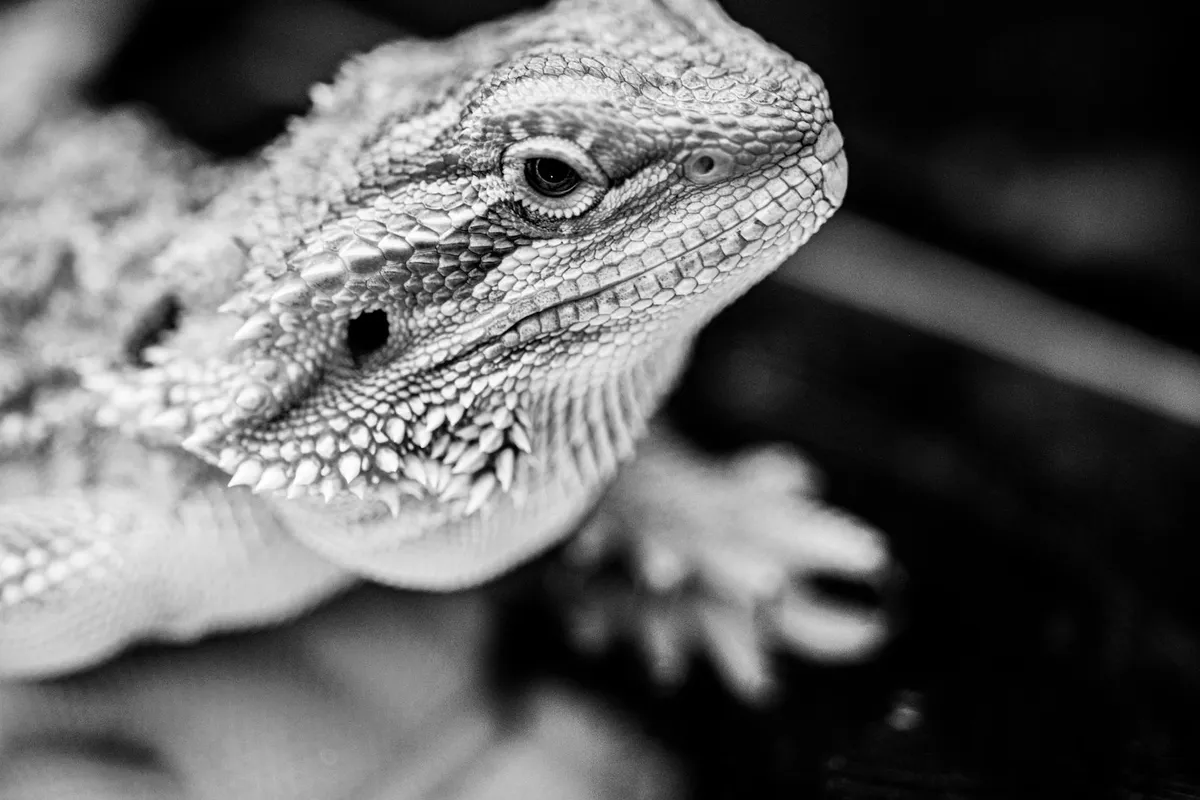
Getting the basics of care right is your best defense against eye troubles. Most eye issues I’ve encountered in my own dragons stemmed from a small, correctable flaw in their environment or diet. It’s about creating a space that supports their health from the ground up. Do bearded dragons need a Thrive Complete Care Checklist? A Thrive Complete Care Checklist helps you cover the essentials like lighting, enclosure setup, diet, and routine health checks, so you can catch problems early and keep eyes and overall health thriving.
Optimal Habitat Setup
Your dragon’s enclosure is their whole world, and every detail matters for their sensitive eyes.
- UVB Lighting: That fluorescent UVB tube should be placed overhead, no closer than 10-12 inches from your dragon’s main basking spot. I learned the hard way that mounting it inside a screen top can filter out crucial rays. Replace it every 6 months, even if it still lights up, as the invisible UVB spectrum fades.
- Basking Lamp Safety: Avoid clear, coiled bulbs that create a harsh, focused spot of light. They can be uncomfortably bright. I always use a ceramic-based dome lamp and a parabolic bulb that spreads a gentler, wider heat. Never place a heat lamp at an angle where your dragon can stare directly into the bulb.
- Substrate Choices: Loose, dusty substrates are a major irritant. I’ve had zero eye problems since I permanently switched to slate tiles, a non-adhesive shelf liner, or textured paper. They are easy to clean and give your dragon’s claws a good grip. Sand, wood chips, and crushed walnut shells are just too risky for eye health.
Diet and Hydration
What goes into your dragon directly impacts the health of their eyes.
- Calcium is Key: A lack of Vitamin A and calcium can lead to eye swelling and other issues. I make it a non-negotiable rule to lightly dust my dragon’s live insects with a high-quality calcium powder at almost every feeding. For adults, I add a multivitamin powder once or twice a week.
- Hydration Routines: Bearded dragons often don’t recognize standing water. I provide a shallow water dish, but I also mist my dragons and their fresh salad greens 2-3 times a day. They lick the water droplets, which is a fantastic way to keep them hydrated. Watching them drink this way is a sure sign you’re meeting their needs.
Seeking Veterinary Care
While good home care prevents many problems, some situations require a professional.
You should schedule a vet appointment if the one-eye closing persists for more than a day or two, or if you see any of these red flags:
- There is any kind of discharge-watery, mucus-like, or pus.
- The eye appears sunken, swollen, or has a filmy look over it.
- You notice a visible injury or a scratch on the cornea.
- Your dragon is keeping both eyes closed frequently.
- They are rubbing their eye constantly on decor.
A vet will perform a thorough exam, often using a special dye to check for scratches and a magnifying lens to look for tiny foreign objects.
Preparing for the Vet Visit
Being prepared helps the vet make a faster, more accurate diagnosis.
- Information to Bring: Take clear, close-up photos of the affected eye. Jot down notes about when the behavior started and any changes in appetite or energy. Know the brand and age of your UVB bulb and the temperatures in your tank. This info is gold for your vet.
- Common Treatments: Depending on the diagnosis, your vet might prescribe antibiotic or anti-inflammatory eye drops. I’ve had to administer these, and the trick is to be calm and quick, approaching from the side of the head. For a simple foreign body, they may flush the eye. In severe cases of infection or injury, oral medications or even minor surgery might be needed.
Frequently Asked Questions
How can I tell if my bearded dragon is in pain from an eye issue?
Watch for signs like constant eye rubbing, lethargy, or loss of appetite, as these behaviors often indicate discomfort and may require veterinary evaluation.
Are there any home remedies I should avoid for eye problems?
Avoid using human eye drops, alcohol-based solutions, or essential oils, as these can irritate or harm your dragon; always consult a reptile vet for safe treatment options. If your bearded dragon starts throwing up, this is a red flag that warrants a vet visit. Vomiting can indicate dehydration, infection, or other serious conditions that require professional diagnosis and treatment.
What should I do if my bearded dragon’s eye is swollen shut?
Contact a reptile veterinarian immediately, as this could indicate a serious infection, injury, or systemic issue that needs professional diagnosis and care. If your bearded dragon is sick or dying, refer to our emergency care guide for what to do and when to seek urgent veterinary help.
Final Thoughts on Your Bearded Dragon’s Eyes
Your bearded dragon’s eye behaviors, from a simple one-eyed close to persistent squinting, are their way of communicating. An occasional, brief closure is usually just a quirky, harmless habit, but any behavior that is persistent, paired with swelling, or seems to cause your pet distress warrants a closer look. If you notice your bearded dragon’s eyes bulging, sunken, or swollen, it’s a sign that warrants closer attention. Those changes can stem from dehydration, infection, or other health issues and should prompt a vet visit. Trust your gut—you know your scaly friend best.
From my own experience, a proactive approach is always the kindest. Keeping their home clean, ensuring their lights are safe and at the proper distance, and scheduling a vet visit when in doubt are the most powerful things you can do for their long-term health and comfort. Stay observant, and you’ll both be seeing eye-to-eye for years to come.
Further Reading & Sources
- 10 Common Reasons Your Bearded Dragon Is Closing Its Eyes – A-Z Animals
- Why Does My Bearded Dragon Close One Eye? Expert Answers & Solutions
- One eye closed | Bearded Dragon Forum
Bearded Dragon Lair is the ultimate resource for bearded dragon enthusiasts, offering expert advice and practical tips to ensure the health and happiness of your scaly companion. With years of experience in reptile care, we are dedicated to providing accurate, up-to-date information to support your bearded dragon journey.
Signs of Illness