How Often to Feed Crickets to Your Bearded Dragon
Published on: March 30, 2026 | Last Updated: March 30, 2026
Written By: Beardie Joe
Getting your bearded dragon’s cricket feeding schedule right is one of the most common puzzles for new and experienced owners alike.
With several bearded dragons of my own, I’ve fine-tuned their diets over the years and I’m here to help you find the perfect rhythm for your pet.
We’ll cover exactly how many crickets to offer based on your dragon’s life stage, the best times of day to feed, and the clear signs you’re feeding the perfect amount.
Understanding Feeding Frequency by Age
I remember bringing home my first hatchling, a tiny thing no bigger than my finger. I was shocked by how much and how often he needed to eat. Their feeding schedule is the one thing that changes most dramatically as they grow from a baby to a grandpa lizard. Getting this right is fundamental to their health.
Let’s break it down by life stage. This is the roadmap I’ve used for all my dragons.
Bearded Dragon Cricket Feeding Schedule
| Life Stage | Age Range | Daily Cricket Feedings | Notes & Personal Experience |
|---|---|---|---|
| Hatchling/Baby | 0-4 months | 3-5 times per day | They are pure, growing energy! I offered my hatchlings as many appropriately-sized crickets as they could eat in a 10-15 minute window, multiple times a day. |
| Juvenile | 4-12 months | 2-3 times per day | Their growth is still rapid, but you’ll notice their appetite starting to stabilize. This is when I slowly reduced the number of feeding sessions. |
| Subadult | 12-18 months | Once per day | This is a major transition period. My dragon, Ember, started leaving crickets in his bowl, signaling it was time to cut back. |
| Adult | 18+ months | 2-3 times per week | Adults need a diet heavier in greens. I feed my adults crickets every other day, and they maintain a perfect weight. Overfeeding here is a common mistake. |
Watching them grow out of that frantic hatchling feeding phase is incredibly rewarding. You transition from a short-order cook to a mindful meal planner, and it’s a sign your care is working.
Determining the Right Number of Crickets
So you know *how often* to feed, but *how many* crickets should you actually offer? This is where a little observation goes a long way.
Calculating Portion Sizes
For hatchlings and juveniles, I don’t count individual crickets. Instead, I use the “10-15 minute” method. Offer as many gut-loaded crickets as your dragon can eagerly eat in one 10 to 15 minute session. This ensures they get the calories they need for their insane growth spurts.
For subadults and adults, you do need to start counting. A good starting point is:
- Subadult: 30-50 crickets spread over the week.
- Adult: 20-30 crickets spread over the week.
These numbers are a guide, not a strict rule. Your dragon’s metabolism is unique.
The Golden Rule for Prey Size
No matter the age, the size of the cricket matters most for safety. A cricket should never be larger than the space between your bearded dragon’s eyes. This simple visual check prevents impaction and choking hazards. I’ve always kept a small, fine-mesh sieve on hand to separate out any crickets that were too big for my younger dragons. Bearded dragons don’t eat just any bug—stick to safe, appropriate insects and avoid dangerous ones.
Reading Your Dragon’s Hunger Cues
Your dragon will tell you if you’re getting it right. You need to watch their behavior closely.
- Signs They’re Still Hungry: Actively hunting after a feeding session, glass surfing, digging at the tank floor, or giving you the serious side-eye.
- Signs They’re Full or Stressed: Ignoring crickets, running away from them, or a noticeable lack of enthusiasm. A sudden lack of interest can also mean the crickets are too large.
I once had a juvenile who would simply sit on his basking spot and refuse to move if I offered one cricket too many. He taught me to be a better observer. Adjusting their cricket count based on these daily cues is the secret to perfect portion control. It’s a living conversation between you and your pet.
Selecting the Correct Cricket Size and Type
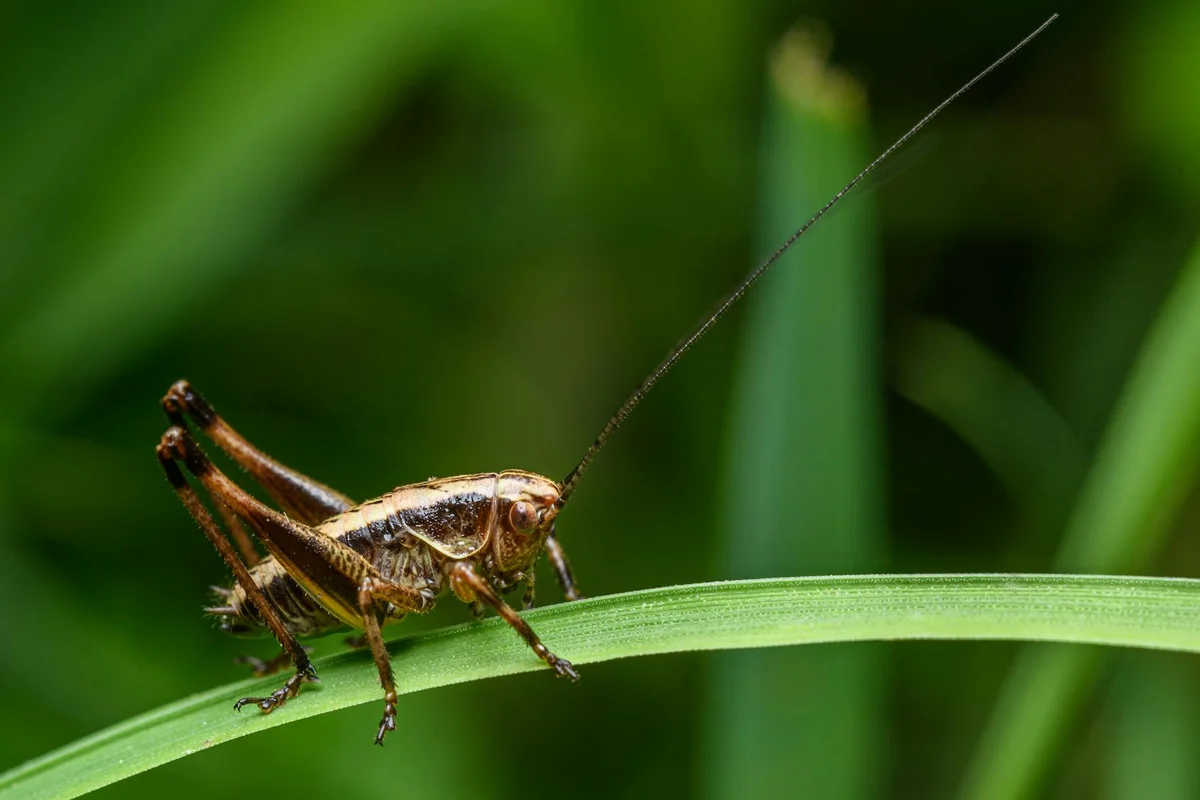
Getting the cricket size wrong is one of the easiest and most dangerous mistakes a new owner can make. The safest rule I follow with all my dragons is that a cricket should never be larger than the space between your bearded dragon’s eyes. This simple visual check prevents choking and serious impaction.
Here is my simple process for choosing the right size:
- For baby dragons (0-4 months), use pinhead or 1/4-inch crickets.
- For juveniles (4-12 months), move up to 1/2-inch crickets.
- For adult dragons (12+ months), 3/4-inch crickets are typically perfect.
Not all crickets are created equal. I always choose gut-loaded crickets over plain ones. Gut-loaded simply means the crickets have been fed a nutrient-rich diet before they become dinner, passing those vitamins directly to your dragon. While crickets are a fantastic staple, relying on them alone is a nutritional disservice.
I rotate crickets with other feeders to create a balanced diet:
- Dubia Roaches: A great, soft-bodied alternative that’s high in protein.
- Black Soldier Fly Larvae: An excellent natural source of calcium.
- Occasional Treats: Like waxworms or hornworms for hydration.
Personally, I source my crickets from reputable online breeders for consistency. I find banded crickets are often hardier and less smelly than the common house cricket. Variety isn’t just the spice of life for your dragon; it’s the cornerstone of a resilient and thriving immune system.
Essential Supplementation for Cricket Diets
Even the healthiest, gut-loaded cricket is nutritionally incomplete on its own. In the wild, bearded dragons get a vast array of nutrients from dozens of different food sources. In our homes, we have to provide that balance through supplements. That includes a careful balance of safe fruits and vegetables. Our ultimate safe food list for bearded dragons details exactly which fruits and vegetables are appropriate.
The two most critical supplements are calcium and vitamin D3. Without proper calcium and D3, your dragon will almost certainly develop Metabolic Bone Disease (MBD), a painful and crippling condition that is entirely preventable. Vitamin D3 allows your dragon to actually absorb and use the calcium you provide. Bearded dragons don’t need unlimited calcium. Too much calcium can cause health issues, so follow a recommended dosing schedule.
Getting supplements into your dragon is a two-step process: gut loading and dusting.
Step 1: Gut Load Your Crickets (24-48 hours before feeding)
I feed my feeder crickets a special diet to supercharge them. I use a mix of:
- Commercial gut-loading food (like Repashy SuperLoad).
- Fresh veggies like carrots, sweet potato, and leafy greens.
- A water source like water crystals or sliced oranges to prevent drowning.
Step 2: Dust Your Crickets (Right before feeding)
- Place a few crickets in a small plastic bag or a dedicated dusting container.
- Add a pinch of your supplement powder.
- Gently shake the container to lightly coat the crickets-think a fine dusting of powdered sugar, not a thick batter.
- Immediately offer the dusted crickets to your dragon.
Through trial and error with my own dragons, I’ve landed on a supplement schedule that works beautifully. I keep two shakers on hand: one with plain calcium powder and one with calcium powder that includes D3.
| Dragon Life Stage | Calcium with D3 | Plain Calcium | Multivitamin |
|---|---|---|---|
| Baby/Juvenile | 4-5 feedings per week | 2-3 feedings per week | 1-2 feedings per week |
| Adult | 2-3 feedings per week | 2-3 feedings per week | 1 feeding per week |
Seeing the difference in my dragons’ alertness, strength, and bright eyes after dialing in this schedule confirmed that supplementation is non-negotiable. It’s the simplest act of care that guarantees a long, healthy life.
Best Practices for Feeding and Monitoring
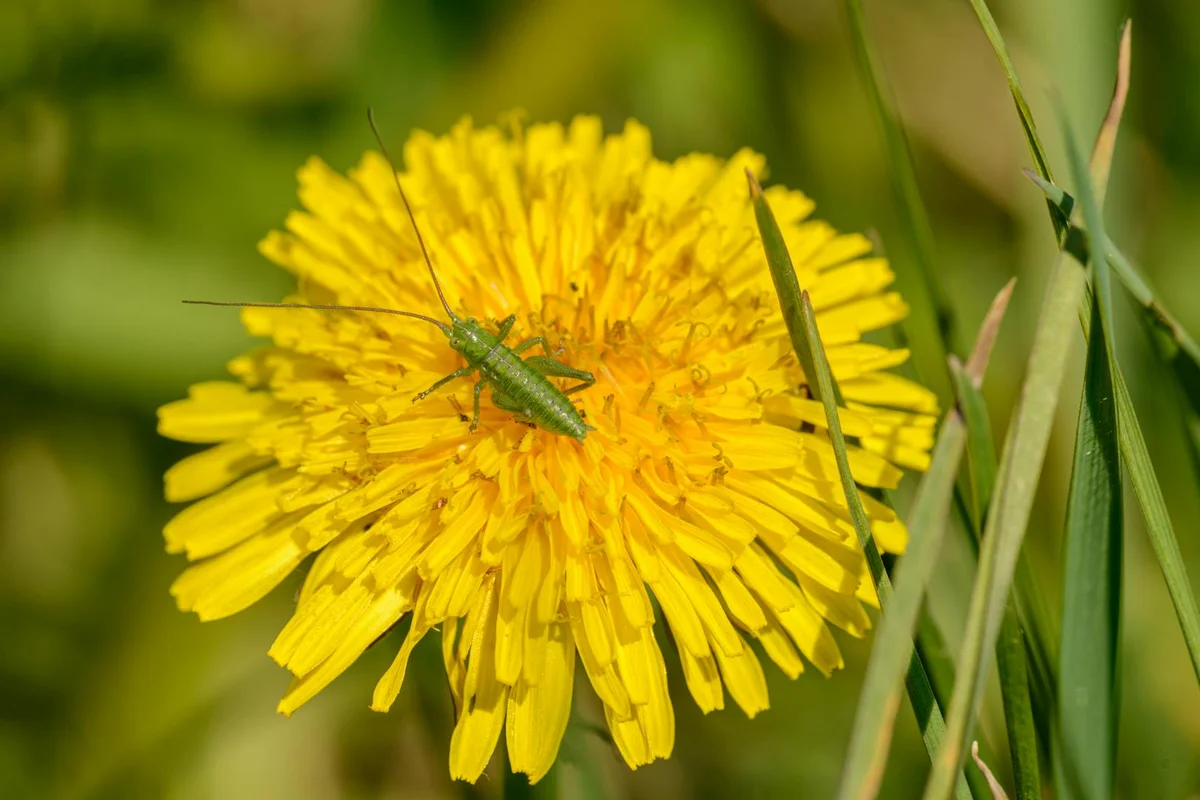
I’ve found that the method you use to feed crickets is just as important as the quantity. A chaotic free-for-all in the tank is stressful for you and your dragon. Structured feeding sessions create a calm routine and let you monitor exactly how much your pet is eating. A complete feeding schedule helps you decide how often to feed your bearded dragon and ensures you cover the right balance of prey and greens. Keeping a regular timetable makes it easier to adjust portions as your dragon grows.
Effective Feeding Methods
I swear by two main techniques that have never let me down. Both keep the mess contained and turn mealtime into a bonding activity.
- Timed Sessions: Place the allotted crickets in a smooth-sided feeding dish or a separate, bare-bottomed enclosure. Give your dragon 10-15 minutes to hunt. This mimics natural feeding bursts and prevents crickets from hiding and nibbling on your dragon later.
- Greens and Hydration Integration: Always offer a fresh salad in the morning, a few hours before the cricket feeding. A hungry dragon is more likely to nibble their greens. I also lightly mist the salad with water. This encourages hydration and provides a more complete nutritional package in one sitting.
Understanding Their Hunger Cues
Your bearded dragon will tell you everything you need to know if you learn their language. Their appetite is a direct reflection of their health and life stage. Understanding what they hear is part of learning their language. Bearded dragons also use sounds and body language to communicate, so listening to their hearing cues helps you understand them. For more information, check out Understanding what they hear.
- Active Hunting: A healthy, hungry dragon will be alert, actively stalking, and eagerly snatching crickets. This is a sign your current schedule is working.
- Glass Surfing Around Feeding Time: This frantic pacing can be a clear sign of anticipation and hunger. It’s their way of saying, “Hey, where’s my lunch?”
- Loss of Appetite: A sudden disinterest in food can signal stress, impending shed, or a drop in temperatures. In adults, a slower appetite is normal, but a juvenile refusing food needs immediate attention.
My Personal Routine for Optimal Health
After years of trial and error, this is the system that keeps my dragons thriving and avoids the pitfalls of overfeeding.
- I never leave uneaten crickets in the enclosure overnight. They can bite and stress your dragon.
- I follow a simple rule: offer only as many crickets as they can eat in one session. For a juvenile, that might be 20-30; for an adult, it might be 10-15, three times a week.
- Gut health is everything. I always “gut-load” the crickets with high-quality veggies like squash and dandelion greens 24 hours before feeding, ensuring my dragon gets the most nutrition possible.
Recognizing and Avoiding Feeding Problems
Getting the feeding frequency wrong doesn’t just lead to a skinny or chubby dragon; it can have serious health consequences. Being a proactive owner means spotting the early warning signs before they become major issues.
Signs of Overfeeding and Undernutrition
Your dragon’s body and behavior will show you the truth about their diet. Watch for these red flags.
- Overfeeding Signs: A visibly round, distended belly even after digestion. Fat pads on the head that bulge excessively. Lethargy and reluctance to move. Chronic overfeeding puts immense strain on their liver and can lead to fatty liver disease.
- Undernutrition Signs: Prominent hip bones and a thin, whip-like tail. Visible spine and ribs. Lack of energy and muscle mass. This weakness makes them susceptible to metabolic bone disease and respiratory infections.
The Digestion Connection
Crickets are not an easy meal. Their hard exoskeletons, or chitin, require a lot of work to break down.
Feeding too many large crickets at once, or offering them when your dragon’s body is too cold, is a recipe for disaster. Impaction-a dangerous gut blockage-can occur when the digestive system gets overwhelmed and shuts down. This is a life-threatening emergency.
Lessons from My Own Mistakes
I learned this the hard way with my first dragon, Spike. I was so excited to see him eat that I fed him as many crickets as he wanted, every single day.
- The Mistake: I didn’t adjust his diet as he grew from a juvenile into an adult. He became overweight and lethargic.
- The Solution: My vet helped me put him on a strict, scheduled diet with more greens and fewer insect feedings. Within a month, he was more active and alert than he had been in a year. It was a powerful lesson in how their needs change.
- Another common error is feeding crickets that are too large. A good rule is to never offer a cricket wider than the space between your dragon’s eyes. This prevents choking and reduces impaction risk.
Supporting Digestion with Proper Environment
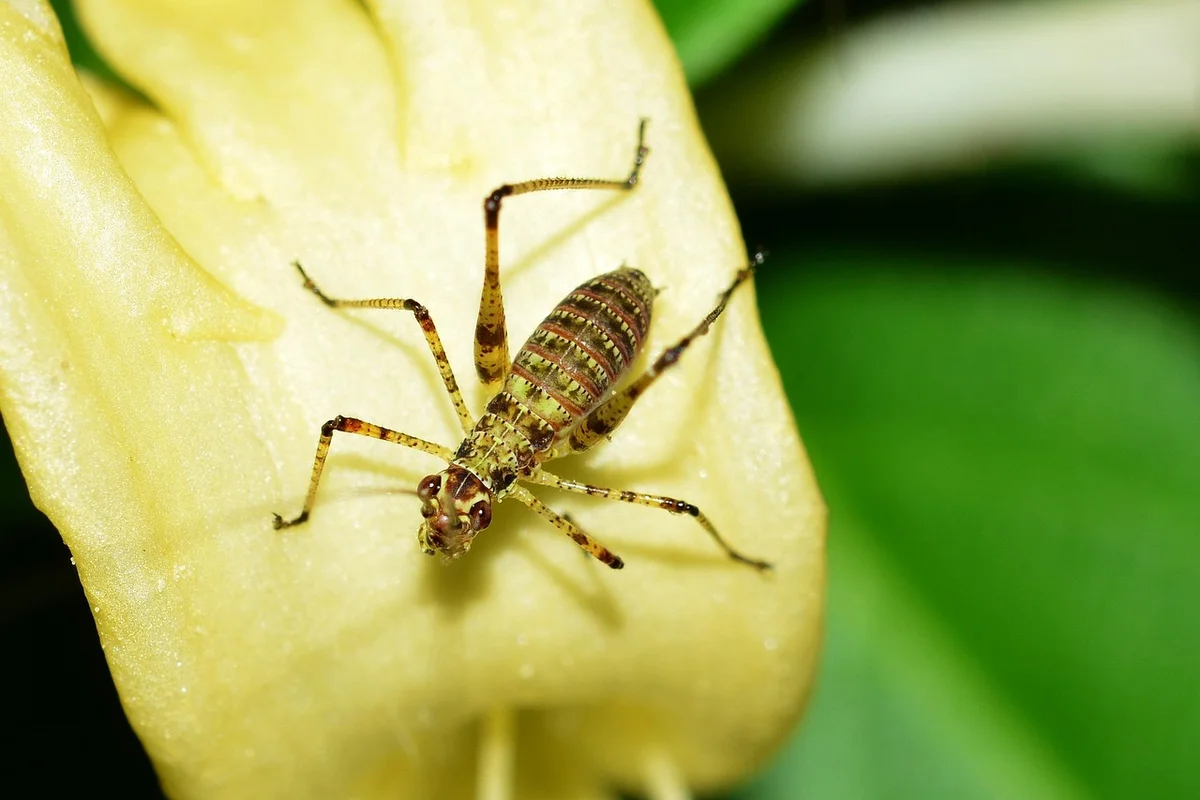
Getting the cricket count right is only half the battle. Your dragon’s body needs the right conditions to actually use that food, and that all happens in their habitat. Keep the crickets alive with proper housing and hydration. This bearded dragon complete care guide covers cricket care and habitat setup to turn that food into fuel.
The Role of Temperature and UVB Lighting
Think of your bearded dragon’s tank as their external stomach. Without the right heat, their body can’t kickstart the digestion process. Because bearded dragons are cold-blooded, they rely on external heat to regulate their body temperature. Proper warmth supports digestion and overall metabolism.
- Basking Spot: This area needs to be a toasty 95-110°F for adults and up to 110°F for juveniles. This heat is non-negotiable. It allows your dragon to properly break down the chitin in cricket exoskeletons and absorb the nutrients.
- Cool Side: A cooler area of 75-85°F is equally vital. It gives your pet a place to regulate their body temperature and avoid overheating.
- UVB Lighting: This is the secret sauce for overall health. UVB rays allow your dragon to synthesize vitamin D3, which is mandatory for calcium absorption. Without a proper UVB tube light, the calcium in your gut-loaded crickets is essentially useless to their body. This can quickly lead to Metabolic Bone Disease, a devastating and preventable illness.
Setting Up a Digestion-Friendly Habitat
Creating this environment isn’t complicated, but it requires attention to detail. Here is how I set up my tanks to ensure every cricket meal counts.
- Place a high-quality, long UVB tube light (like a T5 HO) across the top of the enclosure, spanning about 2/3 of its length.
- Position a dedicated basking lamp at one end of the tank directly over a sturdy platform, like a flat rock or piece of wood.
- Use two digital thermometers-one for the basking spot and one for the cool side. Don’t guess with those stick-on dials; they are often inaccurate.
- Ensure there are no glass or plastic covers between the UVB bulb and your dragon, as these block the crucial rays.
Hydration: The Missing Link to Vitality
Hydration is the final, often overlooked, piece of the puzzle. Crickets are a dry, protein-packed food, and processing them requires significant water.
- Fresh Water: Always provide a shallow dish of fresh water, even if you rarely see them drink from it. The option must be there.
- Hydrating Salads: I make a point to offer watery greens like bell peppers and zucchini in their daily salad. This is a primary way they take in moisture.
- Occasional Misting: Lightly misting their salad or the tank walls can encourage them to lick up water droplets, a behavior they naturally exhibit in the wild.
Proper hydration keeps their system running smoothly, preventing impaction and helping their kidneys process all that insect protein. A well-hydrated dragon is an active, vibrant, and hungry dragon, ready to chase down its next nutritious cricket.
Frequently Asked Questions
What should I do with leftover crickets after a feeding session?
Always remove any uneaten crickets from the enclosure after the 10-15 minute feeding session. Leaving them in the tank can cause the crickets to stress or even bite your bearded dragon, especially overnight. The best time to feed is during daylight when your dragon is most active, usually late morning to early afternoon. A consistent daytime feeding schedule supports appetite and digestion.
How can I tell if I am overfeeding my adult bearded dragon?
Signs of overfeeding in an adult include a consistently round, distended belly, excessive fat pads on the head, and general lethargy. An adult dragon’s diet should be mostly greens, with insect feedings like crickets limited to 2-3 times per week.
Are there any alternatives if my dragon loses interest in crickets?
Yes, a loss of interest can be due to monotony. You can try offering other nutritious staple feeders like Dubia roaches or black soldier fly larvae, ensuring any insect is no wider than the space between your dragon’s eyes.
Final Feeding Thoughts
Getting your dragon’s cricket schedule right boils down to their age, appetite, and the size of the prey. I’ve found that watching your pet is far more reliable than just following a calendar. A happy, healthy dragon is the ultimate goal. That’s why a complete feeding schedule—how often to feed and what to offer—helps you stay on track as your dragon grows. Keep it updated as age and activity change.
Remember to remove any uneaten crickets after about fifteen minutes. This simple habit keeps your pet’s home clean and stress-free, which is something I prioritize for all my own reptiles. You’ve got this!
Further Reading & Sources
- How Many Crickets to Feed a Baby Bearded Dragon?
- Pet Guide How To Feed Your Bearded Dragon
- Live Insect Feeding 101: How to Give Feeders to Your Bearded Dragon | Bearded Dragon Care – Dragon’s Diet
Bearded Dragon Lair is the ultimate resource for bearded dragon enthusiasts, offering expert advice and practical tips to ensure the health and happiness of your scaly companion. With years of experience in reptile care, we are dedicated to providing accurate, up-to-date information to support your bearded dragon journey.
Feeding Guidelines