What Is a Bearded Dragon? (Plus Morphs, Colors, and Common Questions)
Published on: May 6, 2026 | Last Updated: May 6, 2026
Written By: Beardie Joe
If you’ve ever wondered what makes bearded dragons such beloved pets, you’re in the right place-their unique personalities and manageable size have won over countless reptile lovers.
As a proud owner of several beardies myself, I’ve spent years learning their quirks and care needs, and I’m here to guide you through everything with clear, friendly advice.
We’ll dive into what defines a bearded dragon, uncover the stunning variety of morphs and colors available, and tackle the most frequent questions new owners have.
Meet the Bearded Dragon: A Friendly Introduction
So, what exactly is a bearded dragon? Scientifically, they’re known as Pogona vitticeps, but we just call them wonderful companions. These charming lizards hail from the arid, rocky deserts and dry woodlands of Australia. Their natural habitat is a key clue to their care; they love warmth, light, and places to climb and bask. Exploring the Australian origins of bearded dragons helps uncover the evolutionary path that shaped these lizards. This lineage explains why they’re so well adapted to heat, light, and rugged habitats.
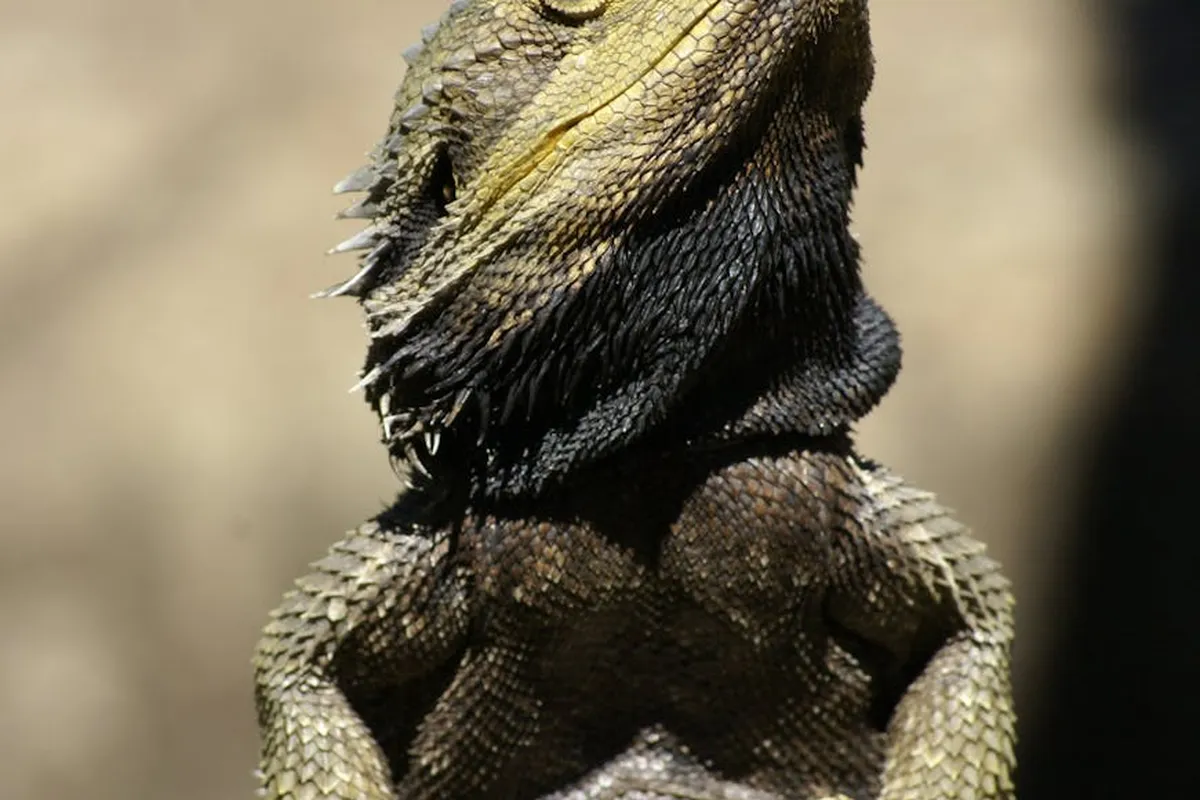
Their look is unmistakable. You’ll notice their triangular head and flat body, perfect for soaking up the sun. The feature they’re named for is the spiky “beard” of scales under their chin. This beard puffs up and turns dark, usually when they feel threatened or are trying to show off. They also have rows of spiky scales along their sides and a personality that’s hard to beat.
I’ve found them to be some of the most personable reptiles you can own. Their generally docile and curious nature makes them a fantastic choice for first-time reptile owners. They tolerate handling well and seem to enjoy observing the happenings of their human families. My first beardie, Rusty, would always scramble to the front of his tank when I walked in the room, eager for a snack or some time out.
Discovering Bearded Dragon Morphs and Colors
A “morph” refers to a dragon’s physical appearance, created through selective breeding. Breeders pair dragons with specific traits to produce babies with unique scales, colors, and patterns. This selective breeding has given us an incredible variety of bearded dragons beyond their wild cousins. In bearded dragon genetics, these morphs are driven by specific gene variants inherited from each parent. By studying how these genes interact, breeders can predict traits and manage health while expanding the morph catalog.
Common morphs include the Leatherback, which has smoother scales and less spikiness. Translucent morphs have semi-see-through skin and often dark, solid-colored eyes. Dunner morphs have a unique pattern where their scales point in all directions, giving them a rougher look.
Color variations are vast. You’ll see stunning reds, vibrant oranges, and calming pastels. The Hypo morph reduces dark colors and often gives them clear nails. It’s crucial to understand that some morphs, like albinos, can have increased sensitivity to light and require more careful habitat management. Always research the specific needs of your dragon’s morph.
Popular Bearded Dragon Morphs Explained
Here is a quick list of some top morphs you’ll encounter:
- Leatherback: Smoother scales due to reduced spike size.
- Silkback: Almost completely smooth with no spikes; requires special skin care.
- Translucent: See-through skin, especially in babies, and often blue-tinted belly.
- Dunner: Unique, erratic scale pattern and a wider, fuller beard.
- Witblits: A patternless morph with no markings or stripes.
- Zero: A completely patternless and colorless (silver/grey) dragon.
All these beautiful variations are the result of dedicated captive breeding programs. Responsible breeders focus on health and temperament first, with appearance as a wonderful bonus.
Understanding Bearded Dragon Color Changes
Your dragon’s color can shift for many reasons, and it’s not always a cause for alarm. They often change color to regulate their temperature. A darker beardie will absorb more heat, while a lighter one reflects it. Mood is a huge factor too. A black beard can signal stress, aggression, or a desire to breed, while bright, vibrant colors often mean your pet is content and healthy. So, colors do come with meaning for bearded dragons. For more insight, check out the Bearded dragon color meanings. By paying attention to shade and intensity, you can better interpret temperature, mood, and health.
It’s helpful to know what’s normal versus what needs a vet’s attention.
- Normal Changes: Darkening while basking, slight lightening at night, color intensification during social displays.
- Concerning Changes: Persistent dark spots, a constantly black beard for days, or overall dullness and graying, which can indicate illness or shedding issues.
I always tell new owners to get to know their dragon’s “normal” palette. Your dragon’s colors are one of their primary ways of communicating with you. Paying attention helps you become a more in-tune and responsive pet owner.
Essential Bearded Dragon Care Basics
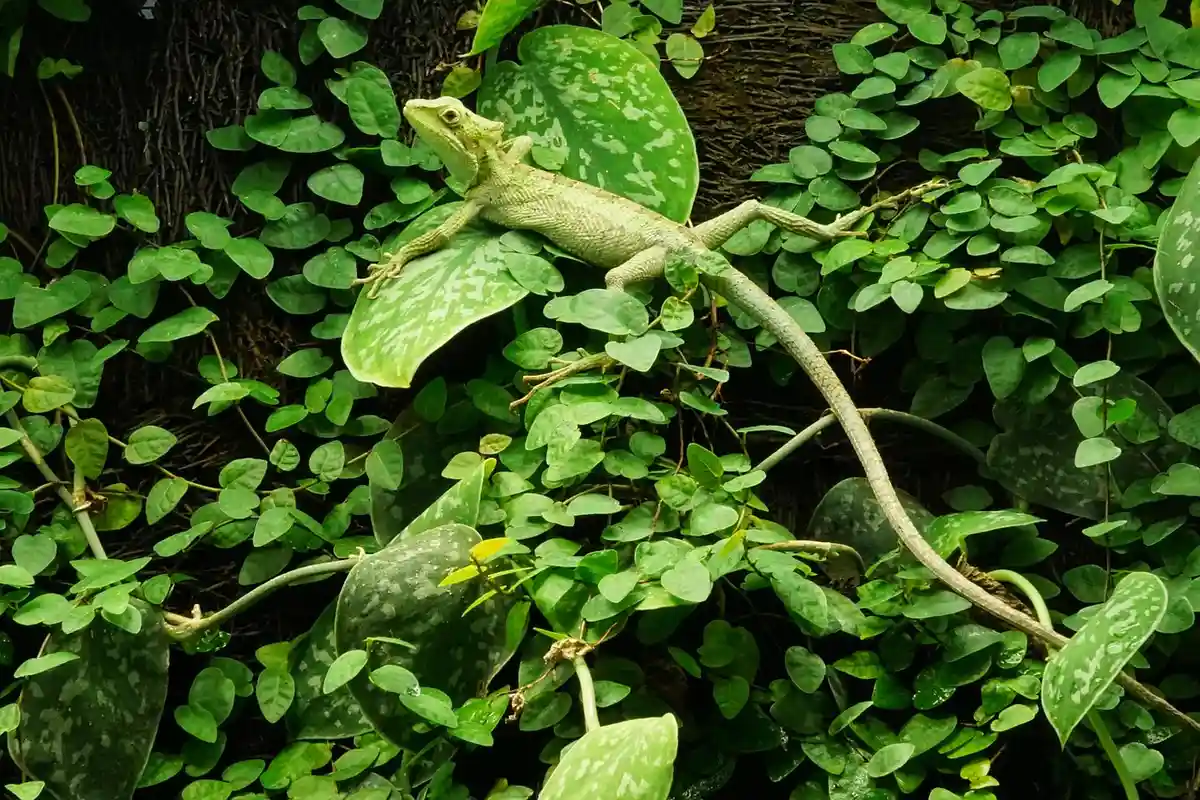
Getting into a good rhythm with your bearded dragon makes everything easier for both of you. I’ve found that a simple, consistent routine keeps my dragons happy and healthy. It’s especially important when taking care of a bearded dragon for the first time.
Daily and Weekly Care Routines
Think of your daily tasks as quick check-ins and your weekly chores as a deeper clean.
- Daily: Offer fresh food and water. Spot clean any visible waste. Check that the temperatures for the basking spot and cool side are correct.
- Weekly: Do a full enclosure clean. Remove all items, scrub them down, and replace the substrate if you’re using a loose type. This is also a good time to weigh your dragon to track their health.
Diet Needs: The Insect and Veggie Balance
Their dietary needs shift dramatically as they grow, which is a common surprise for new owners.
- Juveniles: They are little eating machines! Their diet should be about 80% live insects and 20% vegetables.
- Adults: This flips. An adult dragon’s diet should be around 80% fresh vegetables and 20% insects.
I always dust my dragon’s insects with a calcium powder supplement a few times a week to prevent metabolic bone disease. It’s one of the easiest and most important things you can do.
Hydration and Shedding Support
Bearded dragons often don’t recognize standing water, so you have to get creative with hydration.
- Mist their vegetables with water before serving.
- Offer them water droplets from your fingers or a misting bottle.
- An occasional warm, shallow bath can encourage drinking and helps with shedding.
When your dragon is shedding, never pull the skin off. Proper humidity and a rough surface like a rock in their tank help them rub it off themselves.
Handling and Socialization Tips
Start with short, calm sessions. Let them walk onto your hand rather than grabbing them from above. Regular, gentle handling builds a trusting relationship and a much calmer pet.
Setting Up the Ideal Bearded Dragon Enclosure
Your dragon’s home is their whole world. Getting the setup right prevents a huge number of potential health and behavior problems down the line.
Terrarium Size and Setup
A common mistake is starting with a tank that’s too small. They grow quickly!
- Juvenile: A 40-gallon breeder tank is a good starting point.
- Adult: You will need a minimum of a 120-gallon (4x2x2 feet) enclosure. Bigger is always better.
Essential Equipment Checklist
Don’t skimp on these core items. Your dragon’s life depends on them.
- UVB Light: A long, tube-style UVB light is non-negotiable. It must be replaced every 6-12 months, even if it still turns on.
- Basking Heat Lamp: This creates a hot spot for digestion. Use a simple white light bulb, not a colored one.
- Substrate: For beginners, I recommend non-adhesive shelf liner, tile, or paper towel. They are safe, clean, and easy to manage.
That UVB light is what allows your dragon to process calcium, making it the most critical piece of equipment you’ll buy.
Creating a Temperature Gradient and Monitoring Humidity
Your tank should have a warm side and a cool side so your dragon can regulate its body temperature.
- Basking Spot: 95-110°F
- Cool Side: 75-85°F
- Nighttime: Can drop to 65-75°F
- Humidity: Keep it between 30-40%. Use a digital hygrometer to monitor it. Too much humidity can lead to respiratory infections.
Feeding Your Bearded Dragon: Diet and Nutrition
Feeding a balanced diet is the cornerstone of a long, healthy life for your scaly friend.
Balanced Diet Chart: Juveniles vs. Adults
| Life Stage | Insect Prey | Salad/Greens | Feeding Frequency |
|---|---|---|---|
| Juvenile (0-5 mos) | 80% | 20% | Insects 2-3x daily; Salad daily |
| Sub-Adult (5-18 mos) | 50% | 50% | Insects 1x daily; Salad daily |
| Adult (18+ mos) | 20% | 80% | Insects 2-3x per week; Salad daily |
Safe Foods and Foods to Avoid
Variety is key in both the insect and vegetable departments.
- Safe Staple Insects: Dubia roaches, black soldier fly larvae, crickets.
- Safe Veggies/Greens: Collard greens, dandelion greens, mustard greens, butternut squash.
- Foods to Avoid: Iceberg lettuce (no nutrients), spinach (binds calcium), fireflies (toxic), and wild-caught insects (pesticides).
Supplementing with Calcium and Vitamins
This is a simple two-step process that makes a world of difference.
- Lightly dust insects with a pure calcium powder (without D3) at almost every feeding.
- Once or twice a week, use a calcium powder with D3 or a multivitamin instead, rotating them.
Gut-loading your insects by feeding them nutritious foods before offering them to your dragon passes on even more nutrients.
Common Bearded Dragon Health and Behavior Questions
You’ll learn to read your dragon’s moods and habits. Many behaviors that seem strange are perfectly normal.
Frequent Owner Concerns
- Brumation: This is a reptile’s version of hibernation. They may sleep for weeks or months, eating very little. As long as they haven’t lost a significant amount of weight beforehand, brumation is a natural and healthy process.
- Glass Surfing: Scratching at the glass can mean stress, a reflection they see as a rival, or a tank that’s too small.
- Appetite Changes: Adults naturally eat less than juveniles. A sudden loss of appetite can also signal stress, impending shed, or illness.
Tank Mate Compatibility
I am a strong advocate for housing bearded dragons alone. They are solitary creatures in the wild and do not get lonely. Housing them together leads to competition for food and basking spots, causing severe stress and often resulting in injury, especially from nipped toes and tails. In practice, keeping multiple bearded dragons together often leads to aggression and competition for space. Cohabitation is risky, and many keepers separate them to prevent injuries.
Handling and Socializing Your Bearded Dragon
Building trust takes patience. Move slowly and let them come to you.
- Approach from the side and slide your hand under their chest and front legs.
- Support their entire body, including their tail.
- Keep initial sessions to 5-10 minutes.
A head bob from a male is a territorial display, while a slow, circular arm wave is a sign of submission or recognition.
Recognizing and Preventing Health Problems
Catching an issue early is the key to a good outcome.
- Metabolic Bone Disease (MBD): Look for softened jaw, swollen limbs, tremors, and lethargy. This is entirely preventable with proper UVB lighting and calcium supplementation.
- Parasites: Symptoms include runny, smelly stool, weight loss, and lethargy. A vet can diagnose this with a fecal test.
- Respiratory Infection: Watch for mucus around the nose and mouth, wheezing, and labored breathing. This is often caused by low temperatures or high humidity.
Finding a vet who specializes in reptiles before you have an emergency is one of the best preventative measures you can take. An annual check-up is a great habit for a healthy dragon.
Bearded Dragon Lifespan and Growth Expectations
When you bring a bearded dragon into your life, you’re making a long-term commitment. With proper care, these incredible reptiles can be your companion for a many years. A well-cared-for bearded dragon typically lives between 10 to 15 years in captivity. I’ve had my oldest dragon, Ember, for over a decade now, and she’s still as spirited as ever.
Factors That Influence Lifespan
Their long life isn’t automatic. It hinges directly on the quality of care you provide. Genetics play a role, but your daily actions are the biggest factor.
- Diet and Nutrition: A balanced diet of live insects and fresh greens is non-negotiable.
- Lighting: Proper UVB lighting is critical for their health and prevents metabolic bone disease.
- Enclosure Size: A cramped tank causes stress and limits healthy activity.
- Veterinary Care: Annual check-ups with a reptile-savvy vet can catch issues early.
Growth Stages and Size Milestones
Watching a bearded dragon grow is one of the most rewarding parts of ownership. They go from tiny hatchlings to impressive adults relatively quickly. Consistent, gentle handling from a young age helps them bond with you as they mature. Starting bonding early sets the foundation for a strong bond from baby to adult.
- Hatchling (0-2 months): They are only about 3-4 inches long. They grow incredibly fast at this stage and need daily feedings.
- Juvenile (2-7 months): This is their major growth spurt phase. You’ll see them jump from 8 inches to nearly 16 inches. Their appetite is huge!
- Sub-Adult (8-18 months): Growth starts to slow down. They will fill out, becoming more robust and reaching their near-adult size of 16-20 inches.
- Adult (18+ months): They have reached their full size, typically between 18-24 inches from nose to tail tip.
I remember being astonished at how quickly my first dragon, Spike, went from fitting in my palm to needing a full-sized enclosure. Consistent growth is a key sign of a healthy, happy dragon. If you notice stunted growth, it’s often a red flag for underlying health or husbandry issues.
Adopting a Bearded Dragon: Cost and Setup Considerations

Getting a new pet is exciting, but a little planning goes a long way. You want to have everything ready before your scaly friend comes home. This prevents stress for both of you.
Breaking Down the Costs
Be prepared for both an initial investment and ongoing monthly expenses.
Initial Setup Costs
- Enclosure (40-120 gallon tank): $150 – $500
- Lighting Fixtures & Bulbs (UVB, Basking): $80 – $150
- Heating Elements & Thermostat: $50 – $100
- Substrate, Decor, Hides: $50 – $150
- The Dragon Itself: $50 – $400+
Ongoing Monthly Costs
- Live Insects (crickets, dubia roaches): $20 – $50
- Fresh Greens & Vegetables: $10 – $20
- Electricity: $5 – $15
- Vet Fund: It’s wise to set aside $20 a month for future vet visits.
Adoption vs. Purchase: Where to Find Your Dragon
You have a couple of primary paths to find your new pet, and I strongly advocate for considering adoption first.
- Adoption/Rescue: Reptile rescues are often full of bearded dragons needing a second chance. Adopting saves a life and is usually more affordable. The dragon may be an adult, so you skip the fragile baby stage.
- Reputable Breeders: If you want a specific morph or a hatchling, a good breeder is the way to go. Avoid pet stores, as their dragons often come from mass-breeding facilities and can have hidden health problems.
First-Time Setup Checklist
Before you bring your dragon home, make sure you can check every item off this list. A proper setup from day one is the foundation for a long, healthy life.
- Appropriately sized enclosure (minimum 40-gallon for a juvenile, 120-gallon for an adult)
- UVB tube light that spans 1/2 to 2/3 of the tank length
- Basking bulb and fixture to create a hot spot of 95-110°F
- Digital thermometer/hygrometer (avoid analog stick-on ones!)
- Thermostat to regulate heating elements for safety
- Cool side of the tank that stays between 75-85°F
- Safe substrate (paper towel, tile, or reptile carpet for beginners)
- Sturdy basking platform and at least two hides (one on the warm side, one on the cool side)
- Shallow food and water dishes
- Supplement powders: Calcium (with and without D3) and a multivitamin
- A supply of appropriate feeder insects and fresh greens
I learned the hard way that skimping on the thermostat led to a dangerous overheating incident. Investing in the right equipment from the start is not just convenient-it’s a critical part of responsible animal welfare. Getting it right means your dragon will thrive from the moment it steps into its new home.
Frequently Asked Questions
Can bearded dragons eat fruits, and if so, which ones are safe?
Yes, bearded dragons can eat certain fruits as occasional treats, but they should be given in moderation due to their high sugar content. Safe options include small pieces of apples (without seeds), berries, and melons, while citrus fruits should be avoided as they can cause digestive issues. This topic is covered in a complete safe feeding guide on fruits bearded dragons can eat, including portion sizes and feeding frequency. Balancing fruit with greens and insects helps maintain a healthy overall diet.
How can I tell if my bearded dragon is male or female?
To determine the sex, gently lift the tail and look for hemipenal bulges at the base; males typically have two prominent bulges, while females have a single, smaller bulge or none. Additionally, males often have more pronounced femoral pores on their thighs, which appear as small dots.
What is the proper way to bathe a bearded dragon?
Use a shallow container filled with lukewarm water that only reaches your dragon’s shoulders, and always supervise to prevent drowning or stress. Limit baths to 10-15 minutes to help with hydration or shedding, and gently dry them off afterward to avoid chilling.
Final Thoughts
Bearded dragons are truly special reptiles, combining a dinosaur-like appearance with a surprisingly docile and curious personality. Their unique blend of character and relatively straightforward care makes them a fantastic choice for many reptile enthusiasts. From my own experience, the daily interaction and distinct quirks of each dragon bring so much joy to a household, especially understanding what they are and aren’t.
Whether you are captivated by a classic sandfire morph or a unique witblits, remember that your choice is a long-term commitment to a living creature. Your dedication to proper research and habitat setup is the single most important factor for your new pet’s health and happiness. Welcome to the wonderful, rewarding world of bearded dragon care.
Further Reading & Sources
- A Beginner’s Guide to Bearded Dragon Colors & Morphs
- Bearded Dragon Morphs, Colors & Patterns – Bearded Dragon Lady
- 11 Types of Bearded Dragon Morphs
Bearded Dragon Lair is the ultimate resource for bearded dragon enthusiasts, offering expert advice and practical tips to ensure the health and happiness of your scaly companion. With years of experience in reptile care, we are dedicated to providing accurate, up-to-date information to support your bearded dragon journey.
Care for Specific Morphs