
Bearded Dragon Predators and Their Defense Mechanisms
Published on: August 7, 2026 | Last Updated: August 7, 2026
Written By: Beardie Joe
Have you ever looked at your bearded dragon and wondered what dangers they would face in the wild?
As an owner of multiple beardies with a background in reptile care, I’ve seen their defensive instincts firsthand and will break it down for you.
We will identify their main predators and then explore the incredible, built-in survival tactics bearded dragons use every day.
Meet the Predators: Who Hunts Bearded Dragons?
- Birds of Prey: Hawks, eagles, and kookaburras pose a massive threat from above. Their keen eyesight can spot a dragon basking from incredible heights, leading to a swift, diving attack.
- Snakes: Both venomous and large constrictor snakes are a serious danger. They can slither into rocky crevices and ambush a bearded dragon where it feels safest.
- Dingoes and Foxes: These cunning canines use their speed and teamwork to flush out dragons. A quick pounce is often all it takes for them to snatch up an unlucky lizard.
- Feral Cats and Dogs: I’ve seen how domestic animals can revert to their hunting instincts. Their curiosity and playfulness can be fatal for a bearded dragon, making them a major threat near human settlements.
- Goannas (Monitor Lizards): These larger, powerful reptiles are a dragon’s nightmare. They are relentless hunters that will actively dig dragons out of burrows and can easily overpower them.
Master of Disguise: The Power of Camouflage
- Their natural coloration is their first line of defense. Bearded dragons are gifted with skin tones that mimic the sun-bleached rocks, red sands, and dry wood of the Australian outback. When they stay perfectly still, they can literally vanish into the background.
- They can make subtle color shifts to better match their immediate surroundings. While they aren’t chameleons, I’ve noticed my own dragons will sometimes appear slightly darker or lighter depending on the substrate in their tank. In the wild, this helps them fine-tune their disguise against a specific patch of ground.
The Threat Display: A Bearded Dragon’s First Warning

When my bearded dragon, Spike, feels threatened, he doesn’t just sit there. He puts on a full-blown performance designed to say, “Back off!” This sequence is fascinating to watch and happens in a specific order.
- Puffed Beard: It all starts with the beard. They’ll inflate the spiky skin under their chin, making it look huge and imposing. This is where their name comes from!
- Dark Beard: Next, that puffed-out beard will often turn a dark, almost black, color. This color change is a visual signal of high stress or aggression, making the display even more menacing to a would-be predator.
- Body Flattening: Finally, they press their entire body flat against the ground or a rock. This makes them look wider, heavier, and much harder to swallow.
If the visual show isn’t enough, they add sound. A sharp, sudden hiss is their auditory alarm. It’s a surprisingly loud noise that can startle a curious predator, giving your beardie a precious second to plan an escape. These sounds aren’t random; they’re messages. A hiss and other noises—chirps, growls, or grunts—signal fear, irritation, or a request for space, so you know what your bearded dragon is trying to tell you.
Don’t forget their built-in armor. Those spiky spines along their sides and head aren’t just for show. During a threat display, they become part of the act. By puffing up and flattening out, they make these spines appear even larger and more intimidating, presenting a prickly, unappetizing meal.
Escape Artist: Speed, Hiding, and Climbing
If the threat display doesn’t work, it’s time to vanish. Bearded dragons are much quicker than their sometimes-lazy basking behavior suggests. When they hide, it usually means they’re concerned or stressed by something in their environment. For more information on this behavior, you can read about why bearded dragons hide and look for possible stressors like lighting, temperature, noise, or disturbances and adjust accordingly.
- Surprising Speed: When truly spooked, they can execute a lightning-fast sprint on their powerful back legs, holding their front legs up. I’ve seen mine go from zero to sixty across the living room rug in a blink.
- Preferred Hiding Spots: Their immediate goal is to find cover. In the wild, this means squeezing into narrow rock crevices, burrows, or under dense brush. This instinct is why providing secure hides in their enclosure is so critical for their sense of safety.
- Climbing Ability: They are also competent climbers. Scaling a rocky outcrop or a low tree branch gets them away from ground-based threats like snakes or other reptiles, using height as a primary defense.
The Last Resort: The Science of Tail Shedding
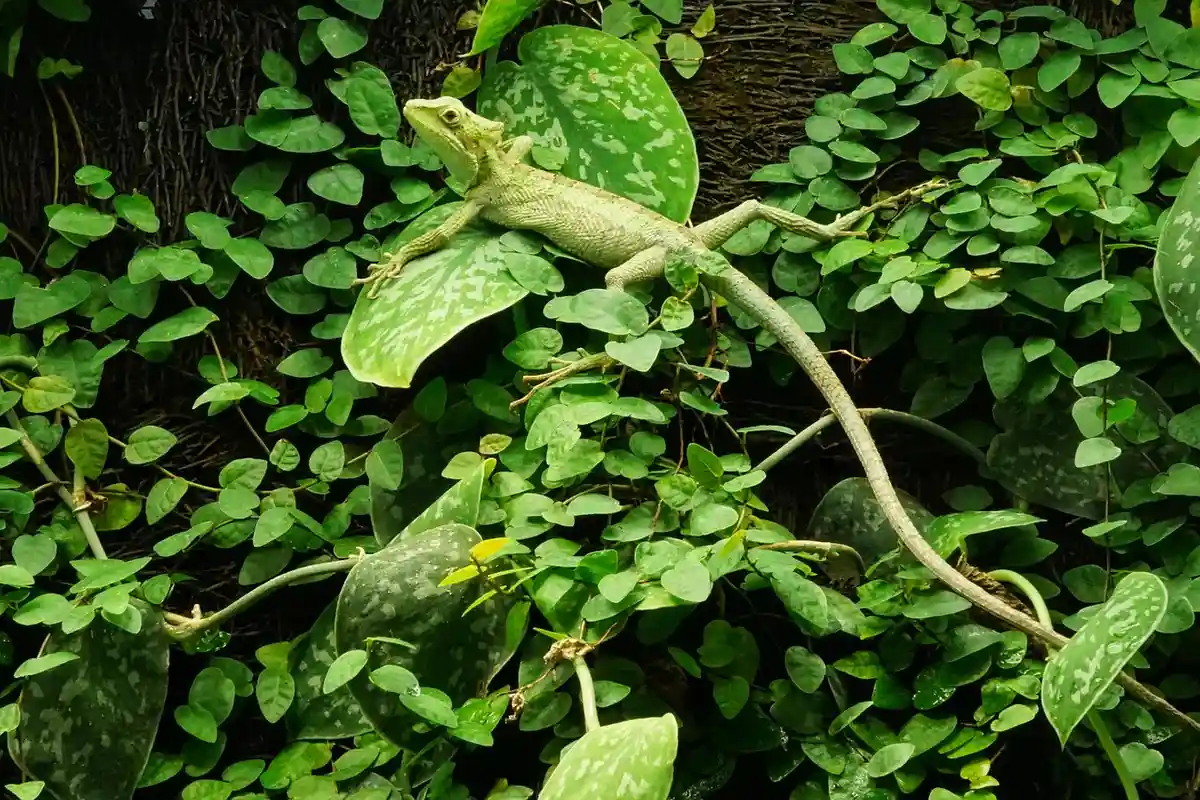
When all else fails, they have one final, dramatic trick. It’s called autotomy, which is the scientific term for voluntary tail shedding.
This isn’t something they do lightly. The tail is a fat storage organ, and losing it is a significant survival sacrifice. The process involves special fracture planes in the tail vertebrae. When a predator grabs the tail, the muscle contracts so hard it severs the connection, and the tail breaks off cleanly.
The real genius is what happens next. The detached tail continues to wriggle and twitch violently on the ground, creating a compelling distraction. This is a classic example of tail autotomy in bearded dragons—the bearded dragon’s defense mechanism to shed a tail and escape. While the predator is focused on the moving tail, the bearded dragon makes its escape. Understanding tail autotomy helps explain why the wound heals quickly but the tail regrows only as a stiff, cartilaginous stub, not a perfect replica.
Reading the Signs: What Your Pet’s Behavior Tells You
Your bearded dragon’s actions are a direct window into its ancient instincts. Learning to read their body language is the first step in becoming a truly great reptile caretaker. Beyond body language, bearded dragons also convey information through subtle sounds and responses to audible cues, so understanding their hearing is a crucial part of how they communicate. Listening for those cues helps you interpret what your dragon is telling you. I’ve spent countless hours just watching my dragons, and the stories they tell without a single sound are incredible.
When a bearded dragon flattens its body against a rock or branch, it’s trying to look bigger and more formidable. This pancaking posture is a classic defensive bluff, used to scare off anything they perceive as a threat. It’s the same move they’d use against a hawk in the outback. But why do bearded dragons pancake? Decoding this strange flattening behavior reveals it’s a multipurpose tactic: a bluff in threatening situations and a way to regulate body temperature when basking.
Beard puffing and blackening is another big one. A jet-black beard is a universal sign of stress, fear, or agitation. My oldest male, Spike, does this whenever he sees his own reflection, convinced another dragon has invaded his territory. People often ask why the beard, neck, or tail can turn black. The answer is usually stress, heat regulation, or shedding. For more information, check out this article on why bearded dragon turns black.
You might also see rapid color changes in their overall skin tone. Dark, muted colors can mean they are cold or trying to absorb more heat, but they can also indicate they feel scared and are trying to camouflage. It’s their way of saying, “I wish I was invisible right now.”
Hiding is a primary survival strategy. If your dragon constantly retreats to its cave, it likely doesn’t feel secure in its environment. In the wild, staying out in the open means becoming lunch. This instinct to seek cover is hardwired into their brain.
Keeping Your Scaly Friend Safe at Home
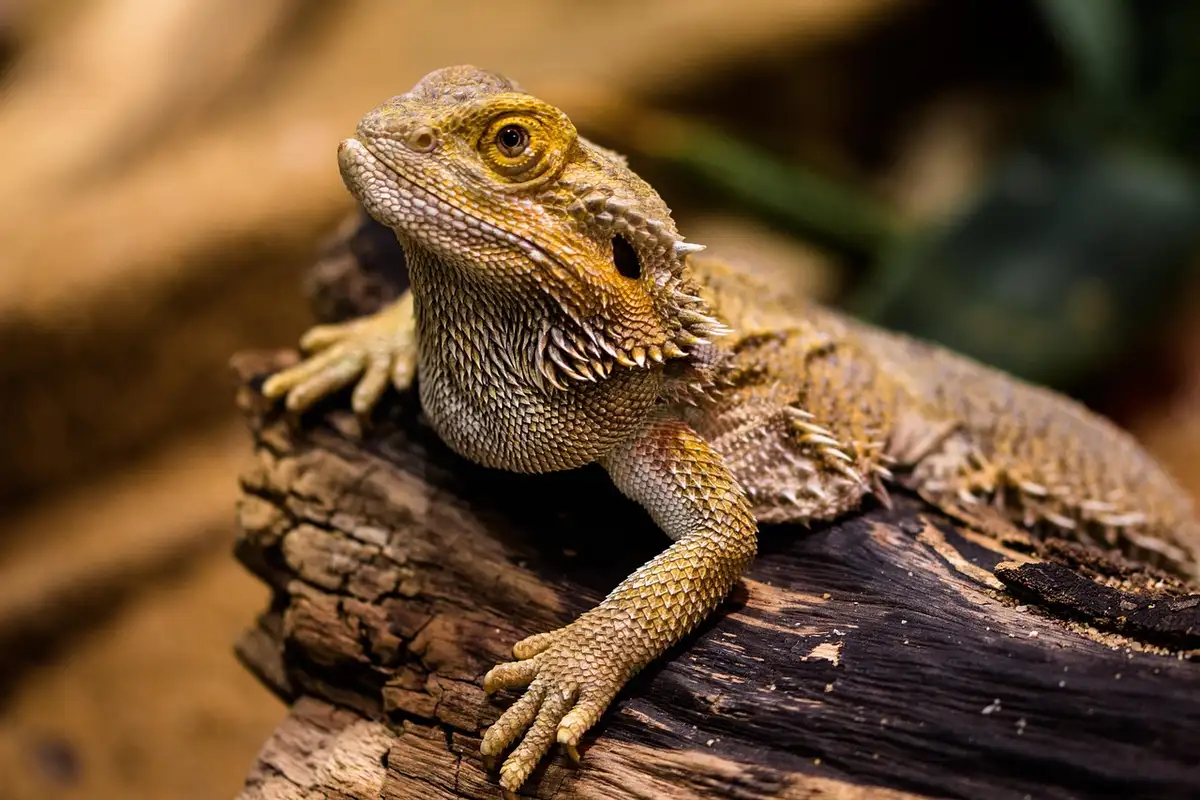
Creating a secure habitat is our responsibility as pet owners. A stressed dragon is an unhealthy dragon, so their enclosure should be a fortress of solitude. Here is how I set up my tanks to make my dragons feel completely safe. In this bearded dragon tank setup guide, I’ll cover essential equipment, décor, and safety. These choices help create a safe, enriching habitat for your dragon.
Building a Secure Enclosure
- Always use a locking screen top to prevent escapes and, more importantly, to keep other pets out.
- Ensure all heating and lighting elements are securely installed and out of reach to prevent burns or electrical hazards.
- Check for any small gaps or loose decorations where your dragon could get stuck or injured.
The Power of Hiding Spots
Never underestimate the importance of a good hide. I always provide at least two hiding places per dragon-one on the warm end and one on the cool end of the tank. This gives them a secure retreat no matter what their temperature needs are. Options include:
- Commercial reptile caves
- Cork bark rounds
- Simple, opaque plastic containers with an entrance hole cut out
Managing Household Stressors
Your home is their whole world, but it’s full of unfamiliar giants and potential predators. Always supervise any interaction with other pets, no matter how gentle your dog or cat seems. From a dragon’s perspective, a curious sniff from a dog feels like a predator attack.
Place the enclosure in a low-traffic area of your home. A constant stream of people walking by can keep a dragon in a perpetual state of high alert. I positioned my tanks against a wall and slightly elevated so my dragons don’t feel like giants are always looming over them.
Safe Outdoor Time
Supervised outdoor sun is wonderful, but you must be vigilant. Never, ever leave your bearded dragon unattended outside, even for a minute. Birds of prey can appear out of nowhere. I use a small, fully enclosed pet playpen for outdoor time, which provides sunshine and safety. Always keep your body between your dragon and the open sky. To do this safely, consult a trusted free-roam guide for house and outdoor setups. It walks you through safe, supervised exploration and hazard prevention.
Frequently Asked Questions
Do bearded dragons need companionship, or are they better off alone?
Bearded dragons are solitary by nature and do not require companionship; housing them alone reduces stress and prevents territorial aggression, which aligns with their wild instincts. When more than one bearded dragon is kept together, cohabitation introduces risks and realities that differ from this solitary baseline. Careful space planning, enrichment, and monitoring for signs of stress and aggression are essential if cohabitation is attempted.
How often should I handle my bearded dragon to build trust?
Start with short, gentle handling sessions a few times a week, gradually increasing as they show comfort; always support their body to avoid triggering defensive behaviors.
What are the best ways to enrich my bearded dragon’s environment to reduce stress?
Incorporate climbing branches, varied textures, and puzzle feeders to stimulate natural behaviors; this helps prevent boredom and mimics their wild habitat, promoting a sense of security.
Final Thoughts
In the wild, a bearded dragon’s life is a constant balance between being a hunter and avoiding becoming the hunted. Their primary defense is a brilliant combination of bluff, camouflage, and surprising speed when it counts. This instinct to bluff and bolt can also lead to odd, escape-seeking behavior when they feel cornered. If your dragon is acting weird or displaying aggression, there’s more explained about why this happens and how to respond. From birds of prey to sneaky snakes, they face threats from both above and below, relying on their unique bearded display and color-changing ability to stay safe.
For us as pet owners, this knowledge deepens our connection to them. Understanding their natural instincts helps us create a home where they feel truly secure and can thrive without fear. It reminds us that we are caring for a complex, wild-hearted creature, even when they’re peacefully basking under their heat lamp.
Further Reading & Sources
- What are the predators of a bearded dragon? How do they evade their enemies? – Quora
- Bearded Dragon – Animals
- February 2024’s Animal Of The Month – Bearded Dragons – The Links Road Animal & Bird Clinic
Bearded Dragon Lair is the ultimate resource for bearded dragon enthusiasts, offering expert advice and practical tips to ensure the health and happiness of your scaly companion. With years of experience in reptile care, we are dedicated to providing accurate, up-to-date information to support your bearded dragon journey.
Wild vs. Domesticated