
How to Find a Lost Bearded Dragon (Inside & Outside)
Published on: September 3, 2026 | Last Updated: September 3, 2026
Written By: Beardie Joe
That heart-dropping moment you realize your bearded dragon is missing from its enclosure is a true panic.
As an owner of multiple beardies for years, I’ve navigated this scare myself and I’m here to help you stay calm and search effectively.
We’ll cover a step-by-step search plan for inside your home, then move to the crucial strategies for finding a lost beardie outside.
Your First Steps When You Realize Your Bearded Dragon is Missing
That sinking feeling when you notice your bearded dragon isn’t in their enclosure is something I know all too well. Taking immediate, calm action in the first 15 minutes can make all the difference in a safe recovery. Your focus should be on securing the area and eliminating immediate threats. If you suspect your bearded dragon is sick or dying, consult an emergency care guide for the exact steps to take in those crucial early minutes. It explains what to do and when to seek urgent veterinary help.
- Secure Other Pets: Quickly move any cats, dogs, or other pets to a separate, closed room. This prevents them from startling your dragon or, worse, causing harm.
- Check the Enclosure Thoroughly: Look under every hide, dig gently through the substrate, and check behind any decor. I’ve found one of my dragons perfectly camouflaged under a pile of leaves I thought was empty.
- Scan Immediate Danger Zones: Check the floor around the enclosure for any small spaces they could have slipped into. Look under nearby furniture and behind curtains where they might have fallen.
Breathe deeply and move systematically from room to room. Rushing can cause you to overlook the most obvious spots, like a warm corner right next to the tank.
How to Conduct a Thorough Bearded Dragon Search Inside Your House
Common Indoor Hiding Spots for a Lost Lizard
Bearded dragons are masters of finding cozy, secure nooks. They are drawn to places that mimic the dark, tight crevices they would use in the wild for safety and thermoregulation. From my experience, these are the spots you need to check meticulously. Digging can also be a health cue—unusual digging might point to temperature, humidity, or hydration issues. For more information, see Digging as a health cue. Treat digging behavior as a signal to recheck your bearded dragon’s enclosure and overall well-being.
- Under furniture: Sofas, beds, and bookshelves are prime real estate.
- Behind appliances: The warmth from refrigerators, dryers, and ovens is a powerful magnet.
- Inside closets and cabinets: Check in shoes, piles of clothes, and any dark corner.
- Near vents and ducts: The air flow and potential warmth are irresistible.
When moving items to look, lift and shift them slowly instead of dragging. This gentle approach prevents you from accidentally trapping or injuring your hidden pet. Always use a flashlight to peer into dark spaces before reaching in.
Behavioral Clues and Escape Routes Inside
Your dragon’s instincts will guide their movement. They are ectotherms, so their primary drive is to find a perfect basking spot, even if it’s just a sunbeam on your floor. I once tracked mine by following a path of disturbed dust leading to a sunny windowsill. Sometimes a dragon seems motionless while basking. If yours is moving constantly, it could be chasing heat or signaling stress.
They are most active and likely to explore during the early morning and late afternoon. This is when their internal clock tells them it’s time to bask and forage. Escape attempts often happen right after feeding when they are energized.
Start your search by mentally tracing the most direct route from their enclosure. Look for clues like tiny claw marks in dust or a displaced object that could mark their passage. Check upward, too, as some dragons are surprisingly good climbers and might be on a curtain or shelf.
Effective Strategies for Finding a Bearded Dragon Outside

Key Areas to Check in Your Yard and Garden
When my first beardie, Puff, decided to go on a garden adventure, I learned exactly where to look. Their instinct is to find a secure, tight space that also offers some warmth.
- Bushes and shrubs provide perfect cover. Gently part the branches and look deep inside the base of the plant.
- Check around rocks and logs. They love to squeeze into the crevices between them, using the structures for security.
- Under decks and porches is a classic hideout. The space is often dark, sheltered, and retains heat.
- Inspect garden beds closely, especially around the stems of dense plants or under loose mulch.
Always prioritize searching in sunlit areas or near heat sources like a warm brick wall or a compost pile. Beardies are solar-powered; they instinctively seek out warmth to regulate their body temperature.
When you probe these areas, do so with a gentle hand. I use a soft, long stick to carefully move leaves or nudge behind a log. This gentle probing prevents you from accidentally startling or harming your dragon if they are hiding there. The goal is to coax them out, not scare them deeper into hiding. Once they’re out, you’ll need to know how to pick them up safely, even if they’re scared or aggressive. Approach slowly, cradle the chest with one hand and support the hindquarters with the other, and keep them close to your body.
Timing and Environmental Factors for Outdoor Searches
Your chances of a successful reunion skyrocket when you work with your dragon’s natural rhythms and the environment.
- The best times to search are early morning or late afternoon. This is when the outdoor temperatures are most comfortable for them, prompting them to come out to bask and become visible.
- Weather dramatically affects their behavior. On a cool, overcast day, they will burrow and stay hidden to conserve heat. A warm, sunny day is your best bet for finding them on the move.
- After a rain, check areas that collect warmth, as they will seek out these spots to dry off and warm up.
For your own safety, always wear gloves when reaching into unknown spaces to protect your hands from insects, spiders, or sharp objects. Let someone know you are searching the yard, and watch your step in uneven terrain to avoid tripping while your eyes are scanning the bushes.
Using Tools and Techniques to Locate Your Escaped Bearded Dragon
Practical Aids for Your Search
Think of yourself as a reptile detective. A few simple tools can make a huge difference in your search efforts, both inside and out. Specifically for bearded dragons, a species morph identification guide helps you distinguish color morphs, scale patterns, and body markings. With careful notes and clear photos, you’ll map variation across individuals.
- A bright flashlight is non-negotiable. Its beam will catch their eye shine in dark corners and help you see into shadowy crevices under furniture or in the garage.
- Consider a pet-safe live trap baited with food. You can find small, humane traps that won’t injure your pet.
- Setting up a Wi-Fi camera or a baby monitor in a potential hotspot lets you monitor the area remotely without constantly disturbing it.
One of the most effective techniques is scent tracking. Place small dishes of their absolute favorite smelly food in several key locations. I’ve had great success using canned snails or grated squash. Check these dishes frequently for nibbles—this tells you your dragon is active in that area. For picky eaters, you can also explore bearded dragon pellets as a reliable eating solution that can be mixed with fresh foods. These pellets help ensure balanced nutrition even when preferences vary.
While some owners use microchips or Bluetooth trackers, these are for identification after recovery, not real-time tracking. Focus your immediate energy on these low-tech, high-success methods first. They are reliable and don’t require any special equipment.
Setting Up Lures and Monitoring
You can create an irresistible beacon for your lost beardie by thinking like one. They need heat, light, and food.
- Set up a bait station with a low-wattage heat lamp or a small UVB light over a hiding spot like a cardboard box with a door cut in it. The combination of warmth and security is a powerful lure.
- Place their favorite basking rock or a piece of your worn clothing inside the station. Familiar scents can be comforting and draw them in.
Consistency is everything. You must check your traps and monitored areas at least twice a day, at dawn and dusk. Look for any signs-disturbed substrate, missing food, or droppings. These little clues confirm you’re looking in the right place.
Don’t try to do it all alone. Enlist a couple of calm, observant family members or friends to help you systematically search a grid. Give everyone a specific area to focus on to avoid chaos and ensure no stone is left unturned. A quiet, methodical search is far more productive than a frantic one.
What to Do After You Find Your Lost Bearded Dragon
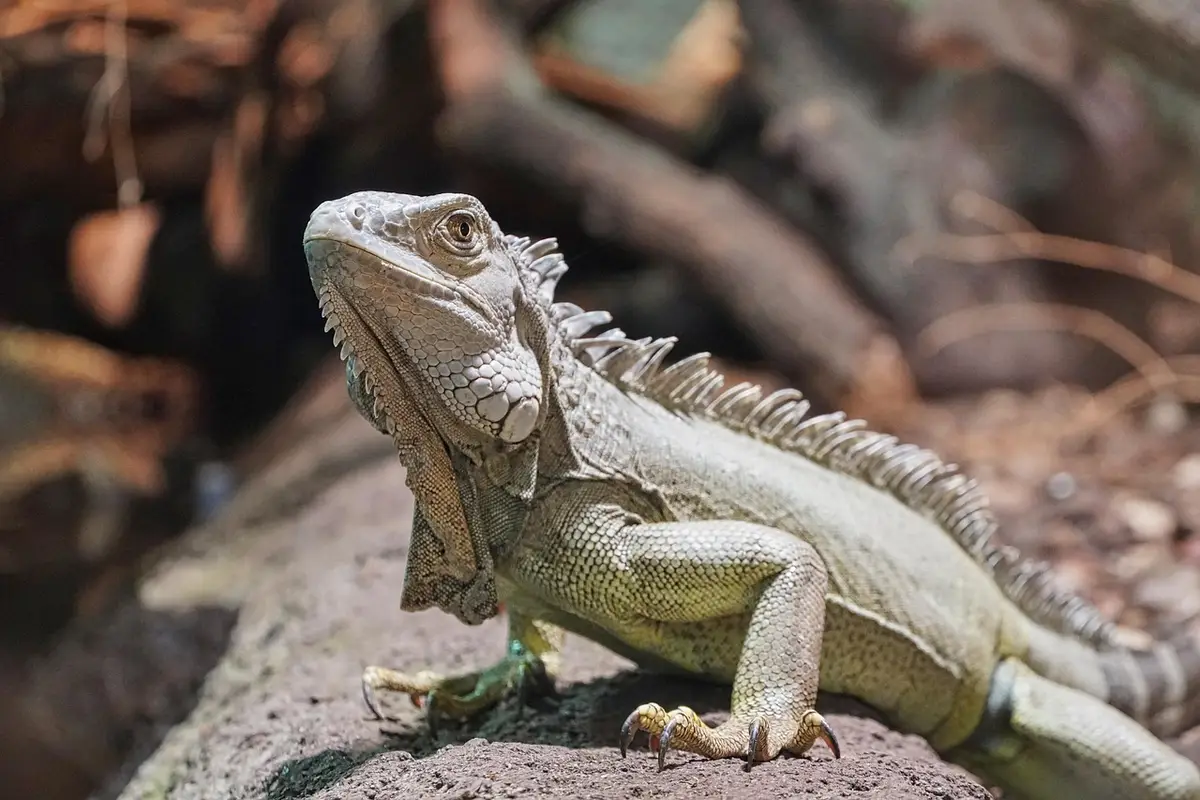
The moment you have your dragon back in your hands is a huge relief, but the work isn’t over. Your first job is to assess their condition. Handle them with extreme gentleness, as they can be stressed, injured, or in shock after their adventure. To properly hold a bearded dragon, cradle them with both hands—one under the chest and the other supporting the hindquarters—keeping them close to your body. And remember, while gentle handling is fine, don’t handle them too much; give them breaks to settle.
Immediate Health Checks
Find a quiet, well-lit spot and give them a thorough once-over. I always do this with my own dragons on a soft towel on my lap.
- Check for Injuries: Look closely for cuts, scrapes, or swelling on their legs, toes, and tail. Gently press along their belly and back to feel for any unusual bumps or signs of pain.
- Assess for Dehydration: Pinch the skin on their side gently. If it doesn’t snap back quickly, they are likely dehydrated. Sunken eyes are another major red flag.
- Look for Signs of Stress: A stressed beardie might have a very dark beard, even if they aren’t black. They may also keep their eyes closed or seem lethargic and unresponsive.
When to Visit the Vet
Trust your gut. If anything seems off, a vet visit is the safest choice.
- Any visible injury, no matter how small, warrants a check-up to prevent infection.
- If you suspect dehydration, a vet can provide subcutaneous fluids to rehydrate them safely and quickly.
- An escape outside is an automatic vet trip in my book. They could have ingested pesticides, parasites, or something toxic you can’t see.
Reintegrating and Monitoring
Don’t just plop them back in their tank and walk away. They need a calm re-entry.
- Offer a shallow, lukewarm bath to help with hydration and clean them off. Supervise them closely.
- Place them back in their clean, warm enclosure. Ensure their basking spot is at the perfect temperature to help them regulate their stress.
- For the next few days, keep handling to a minimum. Just offer food and water and observe their behavior. Watch for any new attempts to climb the glass or test the lid-this is a sign they might try another great escape.
Preventing Future Bearded Dragon Escapes

Once was more than enough for me. After my dragon, Ember, went on a solo expedition behind the bookshelf, I became an expert on dragon-proofing.
Habitat Security and Daily Practices
A secure home is a non-negotiable part of responsible ownership. It only takes one forgotten latch for a curious dragon to vanish.
Enclosure-Proofing Steps
- Secure the Lid: A screen lid is not enough. You need clips or locks on every side. I use heavy-duty aquarium lid clips from the pet store; they are cheap and incredibly effective.
- Check for Gaps: Run your finger along all the seams and doors of the enclosure. If your fingernail can fit through, so can a determined bearded dragon.
- Remove Climbable Objects: Rearrange décor so it isn’t placed directly against the walls. That tall branch or rock formation is a ladder to freedom.
Routine Checks and Maintenance
- Make checking the lid locks part of your daily routine, just like turning on their lights.
- Once a week, do a full security sweep. Gently tug on the lid and doors to make sure nothing has come loose.
- Inspect all décor for wear and tear that could create a new climbing opportunity or a hiding spot you didn’t intend.
Creating a Safe, Enriched Environment
A bored dragon is an escape artist in the making. They explore because they are looking for something to do.
- Rotate their toys and décor every few weeks to keep their environment novel and interesting.
- Create digging boxes with reptile-safe soil or sand to satisfy their natural burrowing instincts.
- Provide scheduled, supervised exploration time outside the enclosure in a fully secured room. This satisfies their curiosity safely and makes the enclosure feel more like a safe den than a prison.
Frequently Asked Questions
How long can a bearded dragon survive if lost outside?
Bearded dragons can survive for several days to a week outdoors if temperatures are warm and they find shelter, but their chances decrease without access to food, water, and protection from predators. If you plan to let a bearded dragon roam outside its cage for extended periods, supervise them closely in a secure, escape-proof area and remove potential hazards. Never leave them unattended. Always act quickly to improve recovery odds.
What should I do if my bearded dragon is still missing after a day?
Expand your search to nearby areas, set up additional bait stations with heat sources, and notify neighbors or local online pet groups to enlist help. Persistence and community awareness can significantly increase the likelihood of finding your pet.
Can a lost bearded dragon find its way back home on its own?
It’s rare, as bearded dragons lack a strong homing instinct and may wander further away while seeking warmth or food. Focus on systematic searches and environmental lures rather than waiting for them to return independently. Bearded dragons are not very active and may sometimes wander off unexpectedly.
You’ve Got This
Finding a lost bearded dragon can be a truly nerve-wracking experience, but don’t let panic take over. The most effective strategy is always a calm, systematic search of their favorite warm, dark, and tight spots. From behind the fridge to under a bush, remember their instincts are to seek out security and heat, which is often why they hide to begin with.
In my own experience, patience and persistence are your greatest allies. Never underestimate the power of setting up a basking spot with a heat lamp as a beacon to guide your scaly friend home. Stay hopeful, keep looking, and trust that you know your pet better than anyone.
Further Reading & Sources
- r/BeardedDragons on Reddit: 😒I lost my bearded dragon in the house. I left him on a window sill to sun bathe and he ran off. I have looked in every nook and cranny, tore my house apart over and over again. I am not going to be able to sleep tonight. My worse fear is he is stuck somewhere. Have you ever lost your dragon?
- How to Find a Lost Bearded Dragon: Expert Tips and Advice
- My bearded dragon was lost in my house for almost an entire year | Bearded Dragon Forum
Bearded Dragon Lair is the ultimate resource for bearded dragon enthusiasts, offering expert advice and practical tips to ensure the health and happiness of your scaly companion. With years of experience in reptile care, we are dedicated to providing accurate, up-to-date information to support your bearded dragon journey.
Safe Outdoor Exploration