
How to Get Your Bearded Dragon to Eat: Picky Eaters & Pellets
Published on: December 29, 2025 | Last Updated: December 29, 2025
Written By: Beardie Joe
Is your bearded dragon turning its nose up at its food, leaving you with a full dish and a worried heart?
As a long-time owner of several beardies, I’ve navigated this exact frustration and I’m here to walk you through the solutions, from fussy juveniles to stubborn adults.
We’ll cover everything from troubleshooting a picky eater’s habits to the smart ways of introducing nutritious pellets into their diet.
Common Reasons Your Bearded Dragon Refuses Food
When my dragon, Puff, turns up his nose at a perfectly good bowl of dubia roaches, I know to start playing detective. A loss of appetite is their way of telling you something is off. The first step is always to rule out underlying health or habitat issues before you tackle picky eating for bearded dragons.
Habitat and Health Hurdles
- Incorrect Temperatures: Bearded dragons need heat to digest their food. If their basking spot isn’t hot enough (around 95-110°F for adults), their metabolism slows to a crawl and they simply won’t feel hungry.
- Inadequate UVB Lighting: Without a proper, high-output UVB tube light that’s replaced every 6-12 months, they can’t synthesize the vitamins needed for bone health and appetite. A lethargic, calcium-deficient dragon is a hungry one.
- Impaction: This is a serious blockage in their digestive tract, often caused by loose substrate or food items that are too large. Look for a lack of droppings and a swollen abdomen.
- Parasites: A heavy parasite load can make your dragon feel miserable and lose all interest in food. A vet visit for a fecal test is the only way to know for sure.
Behavioral and Life Stage Factors
- Brumation: This is a reptile’s version of hibernation. As days get shorter, your dragon might sleep more and eat little to nothing for weeks. This is natural, but it’s wise to have a vet check-up to be safe.
- Relocation Stress: Moving to a new enclosure or your home can cause a temporary hunger strike that may last a week or two. I’ve seen this with every new dragon I’ve brought home.
- They’re Just Full: Adult dragons don’t need to eat every single day. Offering too many fatty worms or large meals can lead them to self-regulate by refusing food.
Proven Strategies to Encourage Your Picky Dragon to Eat
Once you’re confident the habitat is perfect and your dragon is healthy, it’s time to get creative. A complete feeding guide for bearded dragons helps explain what they should eat as pets and how that diet compares to what wild dragons might encounter. Understanding these differences can guide you in offering balanced meals and varied textures. Patience and persistence are your best tools when dealing with a finicky eater.
Creating an Appetite-Stimulating Environment
Think of this as setting the mood for a good meal. A stressed dragon won’t eat, so your goal is to make them feel safe and primed for dinner.
- Perfect the Basking Spot: Double-check your temperatures with a digital thermometer. A warm, content dragon under a proper heat lamp is a hungry dragon.
- Establish a Routine: Feed them at roughly the same time each day, about an hour or two after their lights turn on. This predictability tells their body when to expect food.
- Minimize Stress: If other pets or loud noises are near the enclosure, move it to a quieter area. I even drape a light cloth over three sides of the tank during mealtime for my most skittish dragon to give her privacy.
Enriching the Feeding Experience
This is where you make food exciting. A bowl of pellets is boring, but a moving, colorful, smelly buffet is irresistible.
- Get Things Moving: Use feeding tongs to make live insects or even pieces of greens “dance” and wiggle. The movement triggers their hunting instinct.
- Offer a “Salad Bar”: Don’t just give them one type of green. Mix in different colors and textures-red bell pepper, yellow squash, deep green collard greens. The visual variety can pique their interest.
- Sprinkle with Bee Pollen: This is my secret weapon. A tiny sprinkle of bee pollen powder on their salads or pellets acts like a flavor enhancer. Most dragons go crazy for the smell and taste.
- Try a “Bug Smoothie”: For dragons that refuse all greens, blend nutritious greens like dandelion or mustard greens with a little water and a single favorite insect. Use a syringe (no needle!) to offer them this liquid nutrition.
A Complete Guide to Bearded Dragon Pellets
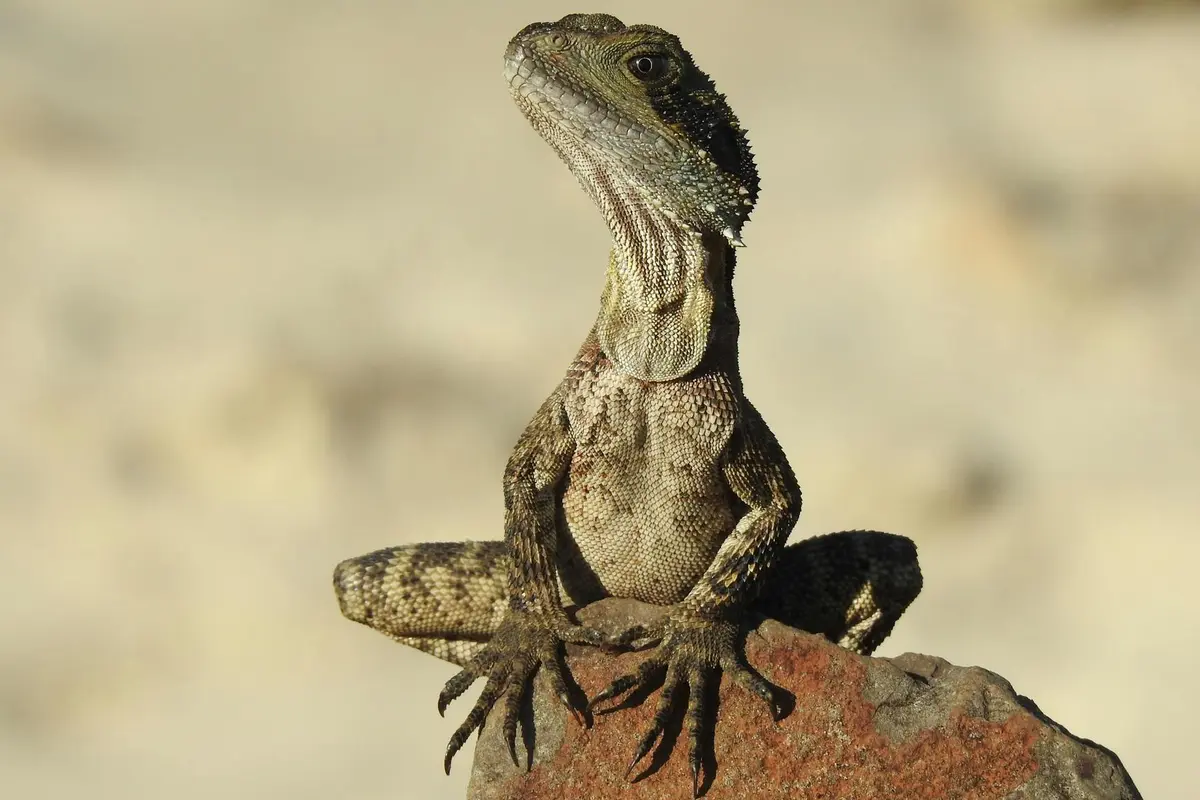
I see a lot of confusion online about pellets. They aren’t a magical, all-in-one food, but they are a fantastic, consistent nutritional backbone for your dragon’s diet. Think of high-quality pellets as a reliable insurance policy against vitamin deficiencies. I always have a bag on hand for my crew.
Selecting High-Quality Pellets for Your Dragon
Not all bags are created equal. Walking down the pet store aisle can be overwhelming, so here’s what I look for every single time.
- The first ingredient must be a whole protein. Look for “chicken meal,” “whole dried crickets,” or “whole dried soldier fly larvae” right at the top of the list. Avoid products where the first ingredient is a grain like corn or wheat.
- Check for a strong calcium-to-phosphorus ratio. Aim for a ratio of 2:1, which is almost always listed on the packaging. This is non-negotiable for preventing metabolic bone disease.
- Skip pellets with artificial colors or preservatives. Your dragon doesn’t care if their food is a bright green cube. Those dyes offer zero nutritional value and can be harmful.
- Choose a pellet size appropriate for your dragon’s life stage. Juvenile formulas are typically smaller and easier for little mouths to manage.
- Stick with reputable, specialized brands. I’ve had the best long-term results with brands that focus specifically on reptile nutrition.
Safe Use of Pellets in the Habitat
How you serve the pellets is just as important as the pellets you choose. A simple mistake here can lead to a big mess or, worse, a sick dragon.
- Always serve them in a shallow, heavy ceramic dish. This prevents tipping and stops your dragon from accidentally eating the substrate underneath.
- I never place the food dish directly under the basking lamp. The intense, dry heat rapidly zaps the moisture and nutrients right out of the food.
- You can offer them dry or slightly moistened. For picky eaters or dehydrated dragons, I add a tiny splash of water to create a softer, more aromatic mush. Moistening the pellets can be a game-changer for enticing a reluctant dragon.
- Remove uneaten pellets after a few hours. Just like fresh salads, moistened pellets can grow mold and bacteria if left sitting out all day.
- Never use pellets as a substrate or bedding. This is a serious ingestion and impaction hazard I’ve seen too many times in rescue situations.
How to Transition Your Bearded Dragon to Eating Pellets
If your dragon turns up their nose at pellets, don’t worry. This is incredibly common. They are often suspicious of new, non-moving food items. Patience and persistence are your best tools during this transition. If your dragon still isn’t eating, identifying the causes can help you troubleshoot. Common issues include improper temperatures, stress, or a food texture they don’t accept; addressing enclosure conditions and offering familiar foods can often reignite appetite. It took one of my rescues, Smolder, a full month to even taste one.
- Start by mixing a few pellets into their favorite fresh salad. Let them discover the pellets incidentally while munching on their greens.
- Crush a few pellets into a powder and dust their live insects with it. This gets them used to the taste and smell in a positive context.
- Try the “topper” method. Place one or two moistened pellets on top of a wiggling worm or a favorite piece of fruit. They often eat it by accident and realize it’s food.
- Gradually increase the pellet-to-salad ratio over several weeks. This slow change is far less intimidating than a sudden swap.
- Offer the pellets at the time of day your dragon is most hungry. For most, this is the morning after they’ve warmed up under their basking light.
Managing Nutrition During the Switch
While you’re working on the transition, you must ensure your dragon isn’t missing out on critical nutrients. This is a balancing act.
- Continue offering their regular live insects and fresh salads as their primary food source. The pellets are an addition, not a replacement, at this stage.
- Be extra vigilant with your calcium and vitamin dusting routine. Since they aren’t eating many fortified pellets yet, their live prey needs to carry that nutritional load.
- Gut-load your feeder insects with high-quality greens and veggies. A well-fed insect is a more nutritious meal for your dragon. This supports their health while their diet is in flux.
- Keep a close eye on their weight and energy levels. A slight dip in appetite is normal, but a sustained loss of weight or lethargy means you should pause the transition and consult a vet.
- Hydration is key. I often find that dragons who eat more dry food drink more water. Make sure their fresh water is always available and consider offering a warm bath a few times a week to encourage hydration.
Building a Varied and Nutritious Diet Beyond Pellets
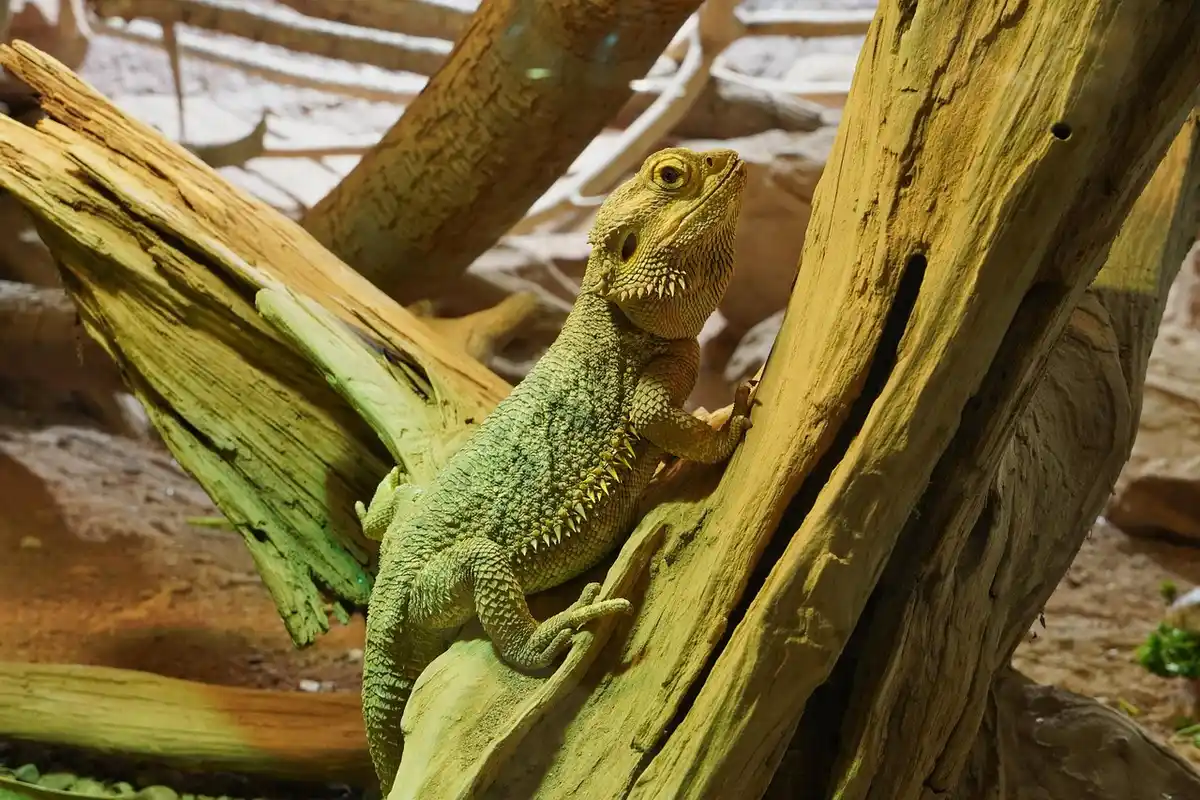
I see pellets as a fantastic base, like a reliable multivitamin, but they shouldn’t be the whole story. Your dragon’s diet needs the excitement and varied nutrition of fresh, whole foods to truly thrive. Think of pellets as the trusty backup plan for busy days, not the main event.
Crafting a Balanced Weekly Meal Plan
A good weekly plan rotates different proteins and vegetables to keep things interesting. To make this practical, here’s how often you should feed and what a complete feeding schedule looks like for bearded dragons. Here’s a sample schedule I’ve used with great success for my adult dragons.
- Monday: Collard greens base, 5-7 gut-loaded dubia roaches, a few pellets offered separately.
- Tuesday: Mustard greens base, a small spoonful of Repashy Beardie Burger gel food.
- Wednesday: “Salad Day” – a mix of dandelion greens, shredded squash, and a single raspberry as a treat.
- Thursday: Escarole base, 3-4 black soldier fly larvae, a light dusting of calcium on the greens.
- Friday: Turnip greens base, 5-7 crickets, a few pellets offered separately.
- Saturday: Collard greens base, a “pinky” mouse (for adults only, as an occasional protein boost).
- Sunday: Fasting day for adults, with fresh water and a single, enticing piece of bell pepper offered.
This is just a template. The key is observing your dragon’s preferences and adjusting the menu to their unique tastes. My oldest dragon, Spike, will pick out every piece of bell pepper first, so I use that to my advantage! In a complete guide to bearded dragons, bell peppers are noted as a colorful, safe option when fed in moderation. Offer small portions several times a week to keep the diet balanced and safe.
Troubleshooting When Your Dragon Still Won’t Eat Pellets
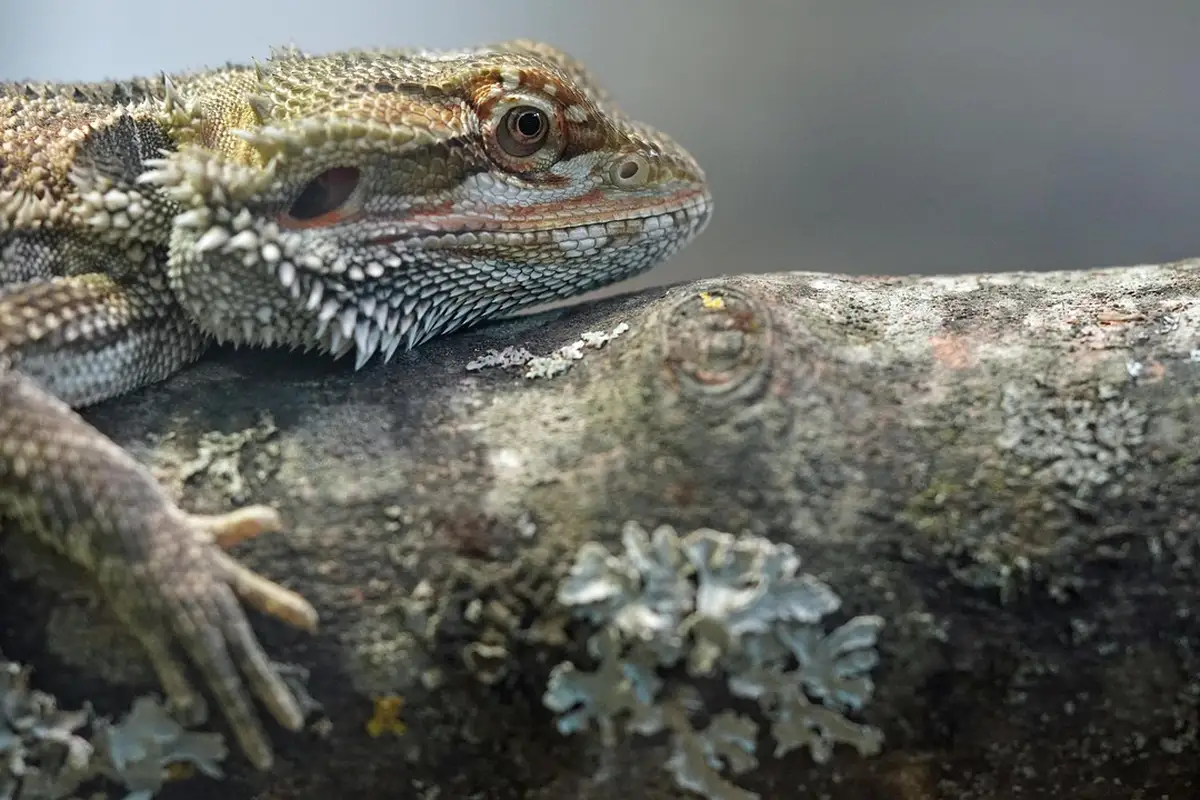
Sometimes, despite our best efforts, they just turn their nose up at that processed food. Don’t worry, you’re not alone. I’ve had dragons that acted like pellets were poison. There’s a bearded dragon eating guide that lists safe foods and toxic ones to avoid. It helps you know what to feed and what to skip.
Here are the methods I use to turn a pellet-hater into a pellet-tolerator.
- The “Pellets Last” Method: Offer their favorite live insects first. Once they’ve eaten a few and are in “hunting mode,” drop a pellet right in front of them. The movement and their excited state can trick them into taking a bite.
- The Mix-In: Crush a few pellets into a fine powder and dust their favorite moist greens, like a piece of zucchini or a berry. They’ll ingest the pellet dust without even realizing it.
- The Hydration Trick: Soak the pellets in a little bit of water or 100% pure fruit juice (like apple) for a few minutes. This makes them softer, smellier, and more appealing. A hydrated pellet is often a much more tempting pellet for a skeptical dragon.
- Texture Test: Try a different brand or shape. Some dragons prefer tiny, hard pellets they can crunch, while others might like the softer, larger ones. It’s a texture thing!
If they still refuse after weeks of trying, don’t force it. A balanced diet of fresh insects and greens is perfectly complete, and your dragon will be just fine without them. The goal is a healthy, happy pet, not a pellet-eating champion. For lettuce and greens, refer to a bearded dragon lettuce guide for safe greens—romaine and collard greens are good choices, while iceberg lettuce should be avoided. Keep greens varied and fed in moderation.
Frequently Asked Questions
What are the staple foods in a bearded dragon’s diet?
A balanced diet should include a variety of live insects like dubia roaches and crickets, along with leafy greens such as collard and mustard greens, and occasional vegetables like bell peppers or squash. Always ensure proper calcium and vitamin supplementation to support their health.
Where can I purchase high-quality bearded dragon food?
You can find live insects, pellets, and fresh veggies at local pet stores, reptile specialty shops, or online retailers. For convenience, many owners use online sources for bulk insect orders or check grocery stores for fresh produce.
Are there any reliable Reddit communities for bearded dragon care advice?
Yes, subreddits like r/BeardedDragons offer shared experiences and tips, but always cross-reference with expert sources or a vet to ensure advice aligns with current best practices for your dragon’s specific needs. Feeding needs vary by age. A daily feeding guide can help you tailor meals for babies, juveniles, and adults.
Final Thoughts
Getting your bearded dragon to eat consistently boils down to patience, variety, and keen observation. The most powerful tool you have is simply learning your dragon’s unique personality and preferences. I’ve found that mixing their favorite live feeders with high-quality pellets and fresh greens often does the trick, turning mealtime from a battle into a bonding experience. Wondering if you should feed daily? A complete feeding guide can help you decide the right schedule, portions, and supplements.
Remember, you’re not just feeding a pet; you’re caring for a unique life. If your dragon’s lack of appetite is paired with other worrying signs like lethargy or weight loss, a trusted reptile vet is your best ally. With a little creativity and a lot of love, you can guide your scaly friend toward a healthy, happy diet. You can start by learning how to help your bearded dragon gain weight safely.
Further Reading & Sources
- Bearded dragons eating pellets: Give them the best! – Total Bearded Dragon
- Soft Pellets Adult Bearded Dragon Food 19 oz – 540g
- Exo Terra : Soft Pellets – Bearded Dragon / Soft Pellets
Bearded Dragon Lair is the ultimate resource for bearded dragon enthusiasts, offering expert advice and practical tips to ensure the health and happiness of your scaly companion. With years of experience in reptile care, we are dedicated to providing accurate, up-to-date information to support your bearded dragon journey.
Feeding Guidelines