
Where to Buy a Bearded Dragon: A Complete Guide
Published on: October 24, 2026 | Last Updated: October 24, 2026
Written By: Beardie Joe
Finding your new scaly companion is an exciting first step, but knowing where to look can feel overwhelming.
As a long-time beardie owner and caretaker, I’ve navigated every type of source and I’m here to help you find a healthy, happy dragon.
This guide will walk you through the pros and cons of pet stores, online breeders, and local reptile expos so you can make a confident choice.
What to Consider Before You Buy a Bearded Dragon
Adopting a Bearded Dragon Versus Buying From a Breeder
This is one of the first and most important decisions you’ll make. I’ve done both, and each path has a different feel and outcome.
Adopting a bearded dragon often means giving a second chance to a dragon that needs a new home. You are directly saving a life and opening up space in a rescue for another animal in need. If you’re weighing adoption versus buying, a complete guide can help you compare options, costs, and long-term care before you decide. I’ve adopted dragons with incredible personalities I wouldn’t trade for the world. The trade-off is that their history can be a mystery. They might come with undisclosed health issues or quirky behaviors from a past life.
Buying from a dedicated breeder gives you a different kind of start. You typically get a healthy, well-started baby or juvenile. A reputable breeder provides a known history, including genetics and hatch dates, which is invaluable. You can often choose from various unique morphs and colors. The focus here is on predictability and supporting someone who is passionate about improving the species.
My personal stance? Check rescues first. If you find a healthy dragon that clicks with you, it’s an incredibly rewarding experience. If you have your heart set on a specific look or a guaranteed young animal, a quality breeder is your best bet.
Understanding the True Cost of Bearded Dragon Ownership
That initial price tag on the dragon is just the beginning. I tell all new owners to budget for the setup first, the animal second.
Your initial setup is a significant one-time investment. You cannot skip on these essentials:
- A proper-sized enclosure (at least 120-gallon for an adult)
- High-quality UVB lighting fixture and bulbs
- Appropriate heat lamps and a basking fixture
- Substrate (I recommend tile or reptile carpet for beginners)
- Hides, branches, and décor for climbing and security
- A reliable digital thermometer and hygrometer
The startup cost for a proper habitat can easily be two to three times the price of the dragon itself. I learned this the hard way with my first dragon, scrambling to upgrade everything within months.
Then come the recurring, ongoing costs that truly add up:
- Fresh salads daily (collard greens, mustard greens, squash)
- Live insects (crickets, dubia roaches, black soldier fly larvae)
- UVB bulb replacement every 6 months
- Heat bulb replacement as they burn out
- Calcium and vitamin supplements
- Unexpected veterinary bills for check-ups or illness
Be prepared. Owning a bearded dragon is a long-term financial commitment to their health and happiness. Common bearded dragon ownership mistakes include neglecting UVB lighting and improper basking temperatures. Being aware of these can save you time, money, and your pet’s health.
Finding a Bearded Dragon at Local Sources
Local Pet Stores and Reptile Shops
Your neighborhood big-box pet store is the most accessible option, but you must be a savvy shopper. Look beyond the cute face and inspect the conditions.
Here is my checklist when I visit a general pet store:
- Are the dragons active and alert, or lethargic?
- Are their eyes clear and bright?
- Is their enclosure clean, with fresh water?
- Is a proper UVB light present and is the basking spot adequately hot?
- Are multiple dragons housed together? (This can cause stress and injury).
A clean, well-maintained enclosure is a strong indicator of the store’s overall care standards. Ask staff questions about their sourcing and care advice. If they seem uninformed, consider it a red flag.
Reputable Local Bearded Dragon Breeders
Finding a great local breeder is like finding a gem. You get to see the parents, the breeding facility, and ask all your questions face-to-face.
To find a good one, I search online reptile forums and Facebook groups for my area. Word-of-mouth is powerful. A quality breeder will be happy to show you around and will ask you just as many questions about your setup. A breeder who is proud of their work will be transparent and invite your scrutiny. If you’re wondering whether bearded dragons are good pets for beginners, a reputable breeder will outline the basics of setup, diet, and daily care. This helps form the core of a complete beginner’s guide to keeping bearded dragons.
Expect to see:
- Clean, organized, and appropriately sized enclosures for all dragons.
- Healthy, robust-looking parent dragons.
- A breeder who knows the lineage and genetics of their animals.
- No signs of illness like mucus, lethargy, or deformities.
This is your best chance for a dragon with a known health history.
Reptile Expos and Shows Near You
Reptile expos are like a candy store for reptile lovers. The energy is fantastic, and the variety is astounding. You can meet dozens of breeders and see hundreds of dragons in one place.
An expo lets you compare health, temperament, and price across many breeders instantly. I always go with a budget in mind and a list of questions ready.
My expo strategy is simple:
- Walk the entire floor first. See all the options before making a decision.
- Talk to the breeders. Ask about their care, guarantees, and the dragon’s personality.
- Closely inspect any dragon you’re serious about. Look for clear eyes, full tail, and alertness.
- Be ready to buy supplies. Expos have great deals on feeders and equipment.
Just remember, it can be overwhelming for the animals. Have a secure, temporary travel container and a plan to get your new friend home safely and calmly.
Buying a Bearded Dragon Online

Online Bearded Dragon Breeders and Retailers
Purchasing from a dedicated online breeder is my preferred method for finding a new bearded dragon. You get direct access to the person who raised the animal, which is invaluable. I’ve had fantastic experiences this way. That said, you might weigh pet stores vs online breeders when deciding where to buy your bearded dragon. Online breeders often provide more background on care and lineage, while pet stores offer immediacy and local availability.
Look for breeders who specialize in bearded dragons, not just general reptile sellers. A high-quality breeder will provide: guidance on care, nutrition, and health monitoring. This emphasis on a thriving bearded dragon connects to the Thrive Complete Care Checklist.
- Detailed photos of the actual dragon and its parents.
- A complete health and feeding history.
- Transparent information about their breeding practices.
- A solid health guarantee.
Websites like MorphMarket are excellent hubs for connecting with these specialized breeders. You can often see the exact animal you’re buying and communicate directly with the expert who hatched it. This level of transparency builds trust and gives you a healthy, well-started pet.
Online Classifieds and Marketplaces
Sites like Craigslist or Facebook Marketplace are a different ballgame. You can find dragons here, but you must be incredibly careful. I’ve rescued several wonderful beardies from these sites, but I’ve also seen some heartbreaking cases of neglect.
These platforms are a mix of people genuinely rehoming a pet and others looking to make a quick sale with little regard for the animal’s welfare. Always insist on a video call to see the dragon’s living conditions and its active behavior before committing. This simple step can save you from bringing home a sick animal.
Ask these critical questions when browsing classifieds:
- Why are you rehoming/selling the dragon?
- What is its current diet and feeding schedule?
- Has it ever seen a veterinarian?
- Can you demonstrate that it is alert and moving normally?
Adopting a Bearded Dragon from Rescue Centers
Finding a Reptile Rescue or Shelter
Adoption is a profoundly rewarding path that I always encourage people to explore first. Many wonderful bearded dragons are waiting for a second chance in reptile rescues and shelters. This bearded dragon adoption and rehoming guide explains where to adopt and how to surrender responsibly. It also covers options if you need to rehome or sell.
These animals are often surrendered through no fault of their own, and rescues work tirelessly to nurse them back to health. Choosing adoption directly supports the crucial work of animal welfare and gives a deserving creature a loving home.
To find a rescue near you, start with a simple online search for “reptile rescue near me” or “herpetological society.” You can also check with general animal shelters, as they sometimes take in reptiles. Websites like Petfinder also list adoptable reptiles.
Be prepared to answer questions about your experience and your planned setup. A good rescue wants to ensure their animals go to a permanent, knowledgeable home. The adoption fee is typically much lower than a purchase price and often includes initial vet checks.
An adopted dragon might come with a history, but with patience and care, they become the most grateful and affectionate pets. You are not just getting a pet; you are saving a life and making space for another animal in need. Especially when they are considered exotic pets, the impact of adoption is even more significant.
Understanding Bearded Dragon Morphs and Pricing
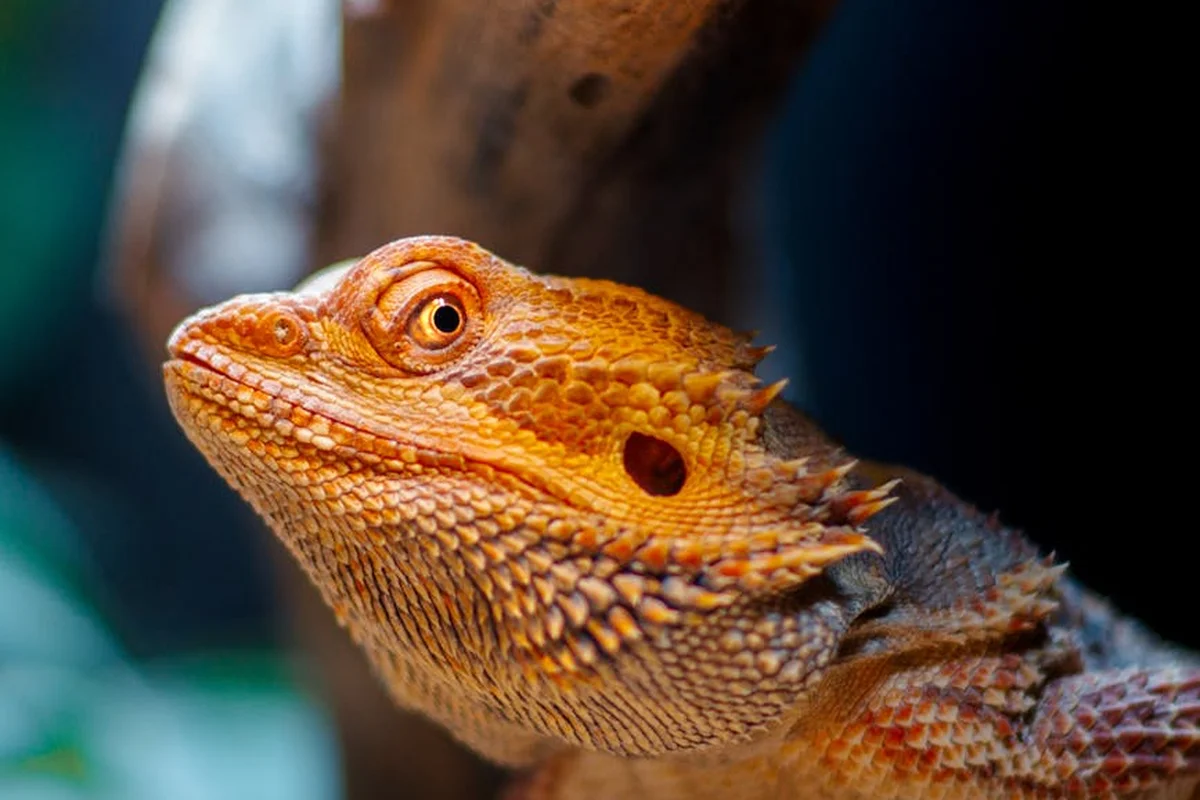
When I bought my first bearded dragon, I just saw a cute lizard. Now, after years in the hobby, I see a world of beautiful genetics. Understanding bearded dragon morphs is key to finding a dragon that fits your budget and your heart. People often ask which morphs are easiest for beginners and how colors affect care. We’ll dive into common questions about bearded dragon morphs and color varieties.
Common Bearded Dragon Morphs and Their Costs
Morphs are genetic variations that affect a dragon’s color, pattern, and scale texture. Prices can swing wildly based on rarity.
- Standard/Wild Morph: These are your classic, earthy-toned beardies. They are hardy, wonderful pets. Cost: $50 – $100.
- Hypomelanistic (Hypo): They have reduced black pigment, leading to brighter, cleaner colors. Their clear nails are a dead giveaway. Cost: $150 – $300.
- Leatherback: My personal favorite to handle! They have smoother scales due to reduced spike size. Their backs feel almost soft. Cost: $200 – $400.
- Translucent (Trans): They have solid black eyes as babies and semi-seesee-through belly skin. They are stunning but can have more sensitive eyes. Cost: $300 – $500.
- Witblits & Zero: These are patternless morphs, creating a solid, beautiful canvas of color. They are on the higher end. Cost: $400 – $700+.
- Specialty & Paradox Morphs: These are the unicorns with unique, often unpredictable color splotches. Always buy these from highly reputable breeders due to their premium cost and specialized genetics. Cost: $800 – $2,000+.
Preparing for Your New Bearded Dragon
Bringing a new reptile home is thrilling. I’ve made my share of setup mistakes, so learn from me! Getting everything ready *before* your dragon arrives is the single best thing you can do for its health.
Essential Supplies Checklist for Your Bearded Dragon
Do not skip this list. A proper setup is not a suggestion; it’s a requirement for their survival.
- Enclosure: A 120-gallon (4x2x2 feet) tank is the recommended minimum for an adult. Start with this if you can.
- Lighting & Heating: You need two separate bulbs: a high-output UVB tube light (like ReptiSun 10.0 T5) and a basking bulb for heat.
- Thermostat & Thermometers: A thermostat plugged into your heat lamp is non-negotiable for safety. Digital thermometers let you track the temperature accurately.
- Basking Platform: A sturdy rock or driftwood piece placed directly under the heat lamp.
- Substrate: For beginners and juveniles, use a simple, safe substrate like reptile carpet, paper towel, or slate tile. Loose substrates can be risky.
- Food & Water Dishes: A shallow dish for salads and a sturdy, tip-proof dish for bugs.
- Hides: At least two-one on the warm side and one on the cool side-so your beardie can feel secure anywhere.
Setting Up the Perfect Bearded Dragon Enclosure
Assembly is more than just putting stuff in a tank. It’s about creating a environment.
- Position the Enclosure: Place the tank in a low-traffic area away from direct sunlight and drafts. This reduces stress.
- Install Lighting First: Mount the UVB tube inside the screen top (if it’s a T5) to ensure the rays aren’t blocked. Position the basking bulb at one end to create a heat gradient.
- Create the Temperature Gradient: The basking spot surface should be 100-110°F for babies, 95-105°F for adults. The cool side should be around 80°F. You must measure this with a temp gun for accuracy.
- Add Décor and Hides: Arrange the basking platform, hides, and any branches. Give them things to climb on! Beardies are more active with a stimulating environment.
- Cycle the Setup: Run the entire setup for at least 24-48 hours before your pet comes home. This lets you dial in the temperatures and ensure everything works perfectly.
Making the Final Decision and Purchase
You’ve done your research and know where to look. Now comes the moment of truth. Choosing your specific dragon is a blend of practical observation and that special gut feeling. I’ve brought home many beardies over the years, and this process never gets old.
How to Pick a Healthy Bearded Dragon
Whether you’re in a store or meeting a breeder, your number one job is to play detective. A healthy dragon shows clear, positive signs. Don’t be shy about asking to handle the animal; a reputable seller will expect this.
- Bright and Alert: The dragon should be aware of its surroundings. It might track your movement with its eyes or tilt its head curiously.
- Clear, Bright Eyes: Eyes should be wide open and free of any crust or discharge. Sunken eyes can be a sign of dehydration.
- Clean Vent: Check the base of the tail. The vent area should be clean, with no stuck feces or undigested food.
- Active and Strong: When you hold it, it should feel sturdy and grip your finger. A dragon that is listless or limp needs a vet, not a new home.
- Smooth Skin and Full Tail: Look for clear skin without sores. A plump tail is a sign of good fat storage, but the belly shouldn’t drag on the ground.
Understanding the Full Cost
The price tag on the dragon is just the beginning. Properly budgeting for the first year is the single biggest factor in providing a good life for your new pet. I learned this the hard way with my first dragon, Darwin, whose setup cost three times what he did!
| Expense Category | Estimated Initial Cost |
|---|---|
| Bearded Dragon (Pet Store) | $50 – $100 |
| Bearded Dragon (Morph Breeder) | $200 – $600+ |
| Enclosure (40-120 Gallon Tank) | $150 – $400 |
| Lighting & Heating Setup | $100 – $200 |
| Decor & Substrate | $50 – $150 |
| Veterinary Check-up | $60 – $100 |
| First Year Ongoing (Food, Supplies) | $300 – $600 |
Questions to Ask the Seller
Arming yourself with good questions separates the great sources from the mediocre ones. A good seller will have answers and will appreciate your thoroughness. It shows you’re a serious owner.
- What is the dragon’s exact hatch date?
- What have you been feeding it, and how often?
- Has it been dewormed or had any vet care?
- Can you see the parents or know their history? (For breeders)
- What is your policy if the dragon gets sick shortly after purchase?
The Final Step: Bringing Your Dragon Home
You’ve chosen your dragon and paid the seller. The adventure is just beginning! The car ride home should be as stress-free as possible for your new friend. I use a small, secure plastic carrier with a soft towel inside.
- Have the enclosure completely set up and running at home for at least 24 hours before purchase. This ensures temperatures are perfect.
- Keep handling to a minimum for the first week. Let the dragon acclimate to its new environment.
- Offer food and water, but don’t be alarmed if it doesn’t eat much for the first day or two. Relocation is a big deal.
- Schedule a wellness check with a reptile-savvy vet within the first two weeks. This establishes a baseline for its health.
Trust your instincts during this process. If something feels off about a dragon or a seller, it is perfectly okay to walk away. The right dragon is worth the wait. Your patience will be rewarded with a healthy, happy companion for years to come.
Frequently Asked Questions
My new bearded dragon won’t eat. Is this normal?
Yes, this is a common and normal reaction to the stress of relocation. It can take a few days to a week for your dragon to feel secure enough in its new environment to have a regular appetite.
How soon can I start handling my new bearded dragon?
You should wait at least one week before attempting to handle your new pet, allowing it to acclimate to its new home undisturbed. Start with short, gentle sessions to build trust and avoid causing stress.
Is a vet visit necessary for a new bearded dragon?
Yes, scheduling a wellness check with a reptile-savvy veterinarian within the first two weeks is highly recommended. This establishes a health baseline and can catch any potential underlying issues early on.
Final Thoughts
Ultimately, the best place to buy your bearded dragon is wherever you find a healthy, well-cared-for animal from a source you trust. Your priority should always be the health and history of the individual dragon, not just the convenience of the purchase. A little extra effort in sourcing pays off for a decade or more with a thriving pet. If you’re a first-time owner, you might be wondering, ‘Do I need to know all this before I buy?’ A quick first-time owners guide can help you cover the basics.
Remember, bringing a beardie home is a long-term promise. By choosing a responsible source, you are not just getting a pet; you are advocating for better animal welfare and setting your new friend up for a fantastic life. I’ve found my most cherished dragons through patient, informed searching, and I’m certain you will too. If you’re wondering whether a bearded dragon is the right pet for you, take a candid look at the pros and cons—from temperament and handling to setup and daily care. This honest view helps you decide if it will fit your lifestyle and family.
Further Reading & Sources
- Bearded Dragon Starter Buying Guide | HappyDragons
- READ BEFORE BUYING – How To Identify Excellent Bearded Dragon Breeders – The Critter Depot
- Bearded Dragon
Bearded Dragon Lair is the ultimate resource for bearded dragon enthusiasts, offering expert advice and practical tips to ensure the health and happiness of your scaly companion. With years of experience in reptile care, we are dedicated to providing accurate, up-to-date information to support your bearded dragon journey.
Finding Homes for Hatchlings