Bearded Dragon Adoption and Rehoming Guide
Published on: October 27, 2026 | Last Updated: October 27, 2026
Written By: Beardie Joe
Thinking about bringing a bearded dragon into your home or needing to find a new one for your current pet? You’re in the right place.
As someone who shares my home with several of these wonderful reptiles, I’ve navigated the entire process, from adoption to providing sanctuary for dragons in need.
This guide will walk you through where to safely adopt, how to responsibly surrender a dragon, and the important considerations around selling one.
Understanding Bearded Dragon Adoption and Rehoming
What is Bearded Dragon Adoption?
Bearded dragon adoption is the process of giving a permanent home to a dragon that needs one. You are not buying from a breeder or pet store. Instead, you are providing a second chance. I have personally adopted two of my dragons, and the bond we formed was immediate and deeply rewarding. These pets often come from situations where their previous owners could no longer care for them. If you’re weighing adoption versus buying, this complete guide helps you compare options, responsibilities, and costs. It also explains what to look for in adoption and how to choose a reputable breeder or seller if you decide to buy.
Adoption is a powerful act of animal welfare. You are directly saving a life and freeing up space in a rescue for another reptile in need. The dragons available are often adults, but you can also find juveniles. They are typically already acclimated to handling and life in an enclosure.
Rehoming vs. Surrendering: Knowing the Difference
These terms are often used interchangeably, but they represent two different paths for a dragon and its owner.
- Rehoming: This is when an owner actively finds a new home for their pet themselves. They might use online classifieds or social media to screen potential new owners. Rehoming puts the responsibility of finding a safe, qualified home directly on you.
- Surrendering: This involves taking your bearded dragon to a reptile rescue or specialized shelter. The organization then assumes full responsibility for the animal’s care and future adoption. This is the best choice if you cannot manage the rehoming process yourself.
From my experience helping others, if you have the time and resources to properly vet applicants, rehoming can be a smooth transition. If you need to ensure your dragon goes to an expert-led facility, surrendering is the safer, more secure option.
Where to Find Bearded Dragons for Adoption
Reptile Rescues and Specialized Shelters
This is my number one recommended source. These organizations are dedicated solely to the well-being of reptiles.
- They provide necessary veterinary care, including fecal exams and treatment for common issues like Metabolic Bone Disease.
- Their staff are knowledgeable about reptile behavior and can match you with a dragon that fits your experience level.
- They often have a thorough application process to ensure every dragon goes to a suitable, forever home.
A good rescue will be transparent about the dragon’s health history and temperament, setting you both up for success. A simple online search for “reptile rescue near me” is the perfect place to start your search.
Online Bearded Dragon Classifieds and Forums
Websites like Craigslist, Facebook Marketplace, and reptile-specific forums often have “rehoming” sections. You can find dragons in your local area this way.
While you can find genuine owners in tough situations, you must be extremely cautious. I always advise people to treat these platforms as a last resort and to proceed with a healthy dose of skepticism. The lack of oversight means the dragon’s health and background are not guaranteed.
Red Flags in Online Bearded Dragon Listings
Watch for these warning signs when browsing online ads. They often signal an unhealthy dragon or a problematic seller.
- The price seems too good to be true. Extremely low rehoming fees can be a tactic to quickly offload a sick animal.
- The owner is unwilling to answer specific questions about the dragon’s diet, lighting, or vet history.
- Photos show a dirty enclosure, improper lighting (like colored bulbs), or a dragon that looks lethargic or thin.
- The seller pressures you to make a quick decision or cannot provide a clear reason for rehoming.
- They refuse to let you see the dragon in person before committing.
Trust your gut instinct-if something feels off about the listing or the communication, it is better to walk away and keep looking. The right dragon is worth the wait.
Preparing for a Bearded Dragon Adoption
Essential Habitat and Tank Setup
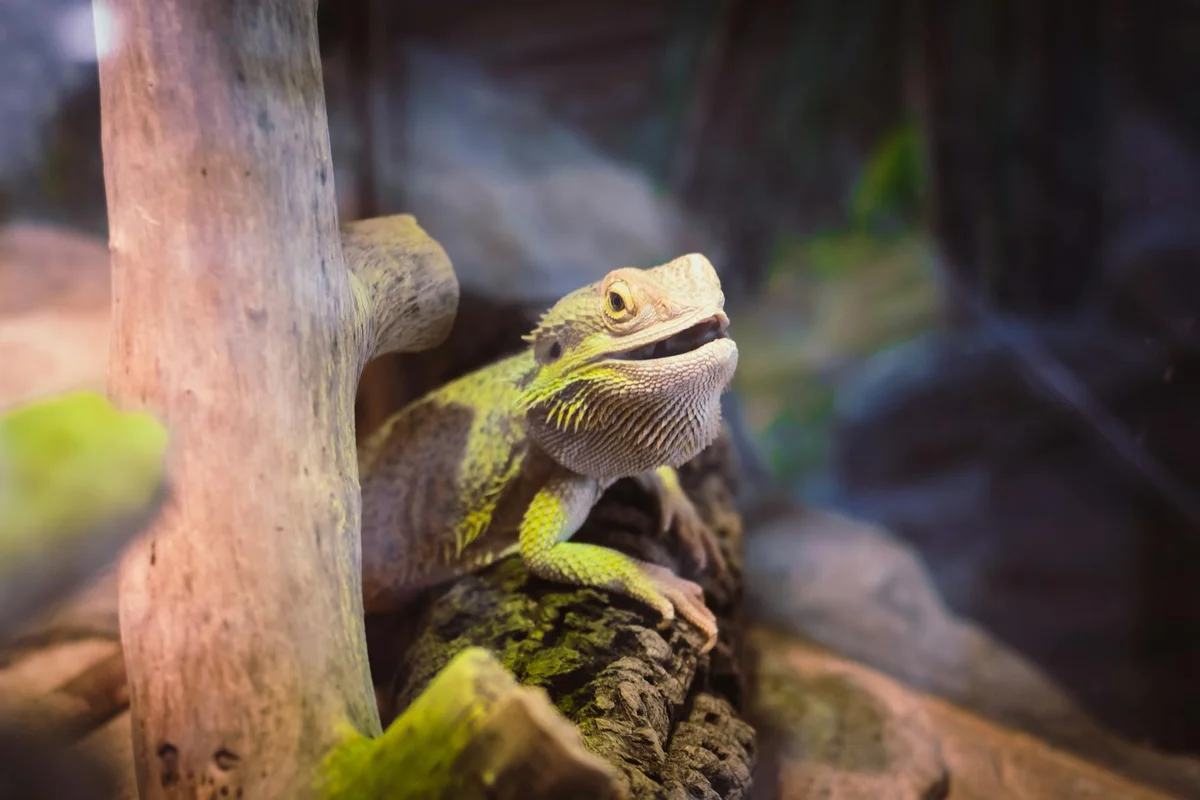
Getting the enclosure ready *before* your new beardie comes home is the single best thing you can do. I learned this the hard way with my first dragon, Spike. I set up his tank after I brought him home, and the stress of the move combined with an unstable environment made for a rough start. Your goal is to create a stable, safe world that is fully operational on day one. For beginners, a bearded dragon complete beginners setup guide walks you through every essential item. It helps ensure you’re ready on day one.
A proper setup isn’t just a tank with a light. It’s a complete ecosystem. Here is the non-negotiable equipment list:
- Enclosure: A 120-gallon (4x2x2 feet) tank is the modern standard for an adult. Start with this if adopting an adult, or plan to upgrade quickly for a juvenile.
- Lighting & Heating: You need two separate bulbs. A high-output UVB tube light that spans half the tank, and a separate basking bulb for heat.
- Substrate: For beginners, I always recommend non-particle substrates to eliminate the risk of impaction. Slate tiles, reptile carpet, or paper towel are fantastic, safe choices.
- Furniture: A sturdy basking platform under the heat lamp, a hide on the warm side, and another hide on the cool side. Don’t forget some branches for climbing!
- Accessories: A shallow food dish, a water bowl (some dragons enjoy a light misting instead), and a digital thermometer/hygrometer for each end of the tank.
Conducting a Pre-Adoption Health Check
When you meet a potential new pet, you need to be a detective. Shelters and rescues are usually transparent, but it’s vital to know what to look for yourself. A healthy bearded dragon is alert, bright, and curious. To decide if a bearded dragon is the right pet, weigh the pros and cons with a candid eye. They can be engaging and hardy, but they require a specific habitat setup, UVB lighting, and daily care.
Run through this quick visual and behavioral checklist:
- Eyes: Should be clear, bright, and free of any crust or discharge. Sunken eyes are a major red flag for dehydration.
- Body Condition: The body should be filled out, not bony along the spine or tail. The hip bones should not be prominent.
- Skin and Scales: Look for any retained shed, especially on the toes and tail tip, as this can constrict blood flow. Check for mites, which look like tiny moving specks.
- Mouth: A healthy mouth is clean without any cheesy-looking substance, which can indicate mouth rot.
- Activity Level: They should be responsive. A dragon that is letharigic, limp, or consistently keeps its eyes closed during the day is likely unwell.
- Ask Questions: Don’t be shy! Inquire about their eating habits (salad and insects), bowel movement frequency, and known history.
The Bearded Dragon Rehoming Process
Creating an Honest and Effective Rehoming Listing
Life happens, and sometimes the most responsible and loving choice is to find your beardie a new home. I’ve helped rehome several dragons for friends, and an honest listing is what finds them the best families. Your listing is a promise to your pet, not just an advertisement. If you’re introducing a bearded dragon to other pets, gradual, supervised introductions help everyone stay safe. I can share simple steps for introducing a beardie to cats, dogs, or other reptiles to foster harmony.
A great rehoming ad includes these key elements:
- Clear, High-Quality Photos: Take pictures of the dragon in good light, their full setup, and a close-up of their face.
- An Honest Biography: Include their name, approximate age, sex, and temperament. Is he a grumpy old man? Is she a cuddle bug? Say so!
- Full Health Disclosure: Be upfront about any known health issues, no matter how small. This builds trust and ensures the new owner is prepared.
- What’s Included: List everything you are offering with the dragon. The tank, lights, fixtures, decor, and any leftover food.
- Your Rehoming Fee: Always charge a fee, even a small one. This deters people looking for free reptile feeders or impulse buyers who won’t value the commitment.
Screening Potential New Homes for Your Beardie
This is the most critical step. You are your dragon’s only advocate in this process. I turn down more potential adopters than I approve because their well-being is my top priority.
Treat the conversation like an interview. Ask these revealing questions:
- “Can you describe the tank setup you have planned?” (Listen for knowledge of UVB, heating gradients, and tank size).
- “What is your plan for a vet if an emergency arises?” (This tests their commitment and financial preparedness).
- “What does a typical bearded dragon diet look like to you?” (Their answer should include fresh greens and live insects).
- “Why are you interested in a bearded dragon specifically?” (This can reveal if they’ve done research or are just following a trend).
Trust your gut. If something feels off, it probably is. A good new owner will be excited to answer your questions and will often ask you just as many in return. The right person will see this not as an interrogation, but as a sign that you truly care.
How to Surrender a Bearded Dragon to a Rescue or Shelter
Finding a Reputable Reptile Rescue for Surrender
Finding the right place for your bearded dragon is the most critical first step. You want a facility that understands their unique needs. I always tell people to start with a simple online search for “reptile rescue near me” or “bearded dragon sanctuary.” A smooth relocation is key to a stress-free transition. This bearded dragon relocation stress guide will help you plan transport, acclimation, and settling in.
Look for organizations with a strong online presence, clear adoption processes, and transparent reviews. National networks like Petfinder can also help you locate affiliated rescues in your area that specialize in reptiles. Another fantastic resource is the Association of Reptilian and Amphibian Veterinarians (ARAV), as they often have connections to reputable rescues. Additionally, as you connect with rescues, start locating a reptile veterinarian in your area for ongoing care. A trusted reptile vet can guide you on species-specific needs and preventive care.
Once you have a shortlist, don’t be shy about calling them. Ask direct questions about their enclosures, diet plans, and veterinary care. A good rescue will be happy to answer and will put your mind at ease.
Preparing Your Bearded Dragon for Surrender
Getting your dragon ready for the transition shows you care and gives them the best shot at a smooth adjustment. I’ve had to do this once myself, and taking these steps made me feel like I was truly setting my pet up for success.
Start by gathering all your pet’s belongings. This isn’t just about being thorough; it provides comfort and familiarity in a scary new environment.
- Their entire enclosure or tank
- All functioning heating and lighting equipment (bulbs, lamps, thermostats)
- Any hides, branches, or decorations they use regularly
- Leftover food and supplements
Next, compile a detailed care sheet. This document is a lifeline for the rescue staff and will help your dragon settle in faster. Be brutally honest-it’s for the animal’s welfare.
- Your dragon’s name, age, and sex.
- Their precise feeding schedule and favorite foods.
- A detailed health history, including any past illnesses or ongoing issues.
- Their typical behavior and personality traits (e.g., “loves being hand-fed,” “hates being held in the evening”).
- The exact setup of their lights and basking spot temperatures.
Legal and Health Considerations in Ownership Transfer
Completing the Transfer of Ownership
This part feels very formal, but it’s a vital step for protecting both you and the animal. Most reputable rescues will have a standard surrender form for you to complete. Read this document carefully, as it legally transfers responsibility for the bearded dragon to the rescue organization. If you’re a first-time bearded dragon owner, this is especially important to understand. For a quick, practical overview, our first-time owner guide walks you through what you need to know before bringing a dragon home.
You will likely be asked to provide your photo ID and sign paperwork stating you are the legal owner. Be prepared to disclose everything about the dragon’s health, even if you think it’s minor. Withholding information can jeopardize the care they receive. Some rescues may request a surrender fee to help offset the initial costs of care, which is a standard and reasonable practice.
Post-Transition Care and Acclimation
Your role doesn’t necessarily end the moment you drive away. While you must respect the rescue’s process, understanding what happens next can bring you peace of mind. The rescue will place your dragon in a quarantine area first. This is non-negotiable and protects all the other animals in their care.
During this time, which typically lasts 30-90 days, staff will:
- Monitor their eating and drinking habits closely.
- Perform a thorough health check, often including a fecal exam for parasites.
- Allow the dragon to decompress and get used to the new routine without the stress of public viewing.
This quarantine period is a quiet, critical time for the dragon to reset and for the rescue to build a complete picture of its needs. After they are cleared, they will be moved to an adoption enclosure and begin their journey to finding a new forever home. Trust that you have made a responsible choice for your pet’s future.
Frequently Asked Questions
How long do bearded dragons typically live, and does adoption change their care needs?
Bearded dragons generally live 8-12 years with proper care, and adoption does not alter their basic needs for UVB lighting, a balanced diet, and a spacious enclosure. However, adopted dragons may require extra patience and monitoring to address any previous health or behavioral issues from their past homes. With proper husbandry in captivity, the lifespan of bearded dragons can maximize, often reaching the upper end of the 8-12 year range. In the wild, lifespans are more variable and typically shorter due to predators and harsher conditions.
What are the key steps to help a newly adopted bearded dragon adjust to its new home?
Allow your dragon time to acclimate by minimizing handling for the first few days and maintaining a consistent routine with proper temperatures and feeding schedules. Providing hiding spots and speaking softly near the enclosure can help reduce stress and build trust over time.
Is it safe to house multiple bearded dragons together?
No, it is not recommended to cohabitate bearded dragons, as they are solitary and territorial animals that can exhibit aggression, leading to stress, injury, or competition for resources. Each dragon should have its own separate enclosure to ensure their health and well-being, especially when housing multiple bearded dragons.
Final Thoughts
Adopting or rehoming a bearded dragon is a powerful act of animal welfare that directly gives a reptile a second chance at a wonderful life. Choosing adoption over purchasing from a large-scale breeder is one of the most compassionate decisions a new reptile owner can make. I’ve welcomed several adopted dragons into my home, and the bond we’ve built is incredibly special, knowing I provided them a safe, forever home. Bearded dragons can form recognizable bonds with their primary caregivers, often showing calmness, curiosity, and increased responsiveness when that person is present. This attachment can deepen with patient, regular handling and care.
Whether you’re looking to adopt or need to find a new home for your scaly friend, patience and thorough research are your greatest tools. Always prioritize the dragon’s health and happiness above all else, ensuring they transition to a prepared and knowledgeable home. This thoughtful approach makes all the difference for these amazing pets.
Further Reading & Sources
- Available for adoption Archives – Bearded Dragon Foundation
- Adoptions | Georgia Herpetological Association and Rescue | Georgia
- Reptile Rescue
Bearded Dragon Lair is the ultimate resource for bearded dragon enthusiasts, offering expert advice and practical tips to ensure the health and happiness of your scaly companion. With years of experience in reptile care, we are dedicated to providing accurate, up-to-date information to support your bearded dragon journey.
Finding Homes for Hatchlings