How Often Should You Feed an Adult Bearded Dragon?
Published on: December 14, 2025 | Last Updated: December 14, 2025
Written By: Beardie Joe
Getting your adult bearded dragon’s feeding schedule right is one of the most common questions for reptile owners, and it’s vital for their long-term health.
As a long-time owner of multiple beardies, I’ve fine-tuned feeding routines through hands-on care and a deep commitment to animal welfare.
This guide will walk you through the ideal weekly feeding frequency, proper portion sizes, and how to spot signs of overfeeding or underfeeding.
Adult Bearded Dragon Feeding Frequency Basics
Getting the schedule right is the first step to a happy, healthy adult dragon. Their metabolism slows way down compared to when they were speedy little juveniles.
Daily and Weekly Feeding Routine
I follow a simple routine with my own adult dragons, like my big boy Charlie. An adult bearded dragon typically needs a fresh salad every single day, but insects only every other day or so. This mimics their natural shift to eating more plants as they mature. A complete feeding schedule helps keep that balance consistent, with daily greens and scheduled insect feedings tailored to age and size. It keeps the routine predictable for both you and your dragon.
Here is the basic weekly schedule I use and recommend:
- Daily: Offer a fresh, varied salad bowl in the morning.
- 2-3 Days per Week: Provide a serving of live insects on these days.
- Insect Portion Size: Offer as many appropriate-sized insects as they can eat in a 10-15 minute window.
Leaving a salad in all day lets them graze like they would in the wild. It keeps their gut moving and provides constant access to nutrients.
Adjusting Frequency for Your Dragon’s Needs
This schedule isn’t a strict law. You have to watch your specific dragon. They all have different personalities and metabolisms.
I adjust feeding based on a few key factors. You should too.
- Body Condition: A dragon that is looking a bit thin might need insects offered more frequently. A plump dragon might do well with just one insect day a week.
- Activity Level: A highly active dragon that glass-surfs and explores all day will burn more calories than a lazy lizard.
- Brumation: If your dragon is slowing down for brumation, they will often eat very little or nothing at all. Do not force-feed them during this natural hibernation-like period.
The best tool you have is a simple kitchen scale-weighing your dragon every two weeks tells you more than your eyes sometimes can. A stable weight means you’ve got the frequency just right.
What to Feed an Adult Bearded Dragon
Variety is not just the spice of life for your dragon; it’s the foundation of good health. Feeding the same thing every day leads to nutritional gaps and a bored pet.
Insect Options and Gut-Loading
Think of insects as the protein-packed part of their diet. Not all bugs are created equal.
My go-to staple insects are:
- Dubia Roaches (my personal favorite for their nutrition and ease)
- Discoid Roaches
- Black Soldier Fly Larvae (also called Calci-Worms or Phoenix Worms)
- Crickets
I use these as occasional treats, not daily feeders:
- Mealworms
- Superworms
- Waxworms (very fatty, use sparingly)
- Hornworms (great for hydration!)
Gut-loading is non-negotiable-it means feeding your insects nutritious foods 24-48 hours before offering them to your dragon. I use sweet potato, leafy greens, and commercial gut-load formulas. A well-fed bug is a nutritious bug for your pet.
Vegetable and Greens Selection
The daily salad should be a colorful mix. I build mine based on a simple color code.
These are my daily staple greens, the base of every salad I make:
- Collard Greens
- Mustard Greens
- Dandelion Greens
- Endive
- Escarole
Then, I mix in these veggies and flowers for variety and color. They love the different textures and tastes.
- Butternut Squash (shredded)
- Yellow Squash
- Bell Peppers (red, yellow, orange)
- Snap Peas
- Hibiscus Flowers & Petals
Avoid iceberg lettuce and spinach-one is just water, the other binds calcium, and both can cause health issues. Sticking to dark, leafy greens ensures your dragon gets the vitamins and fiber they need to thrive.
Portion Sizes and Meal Planning
Balancing Insects and Vegetables
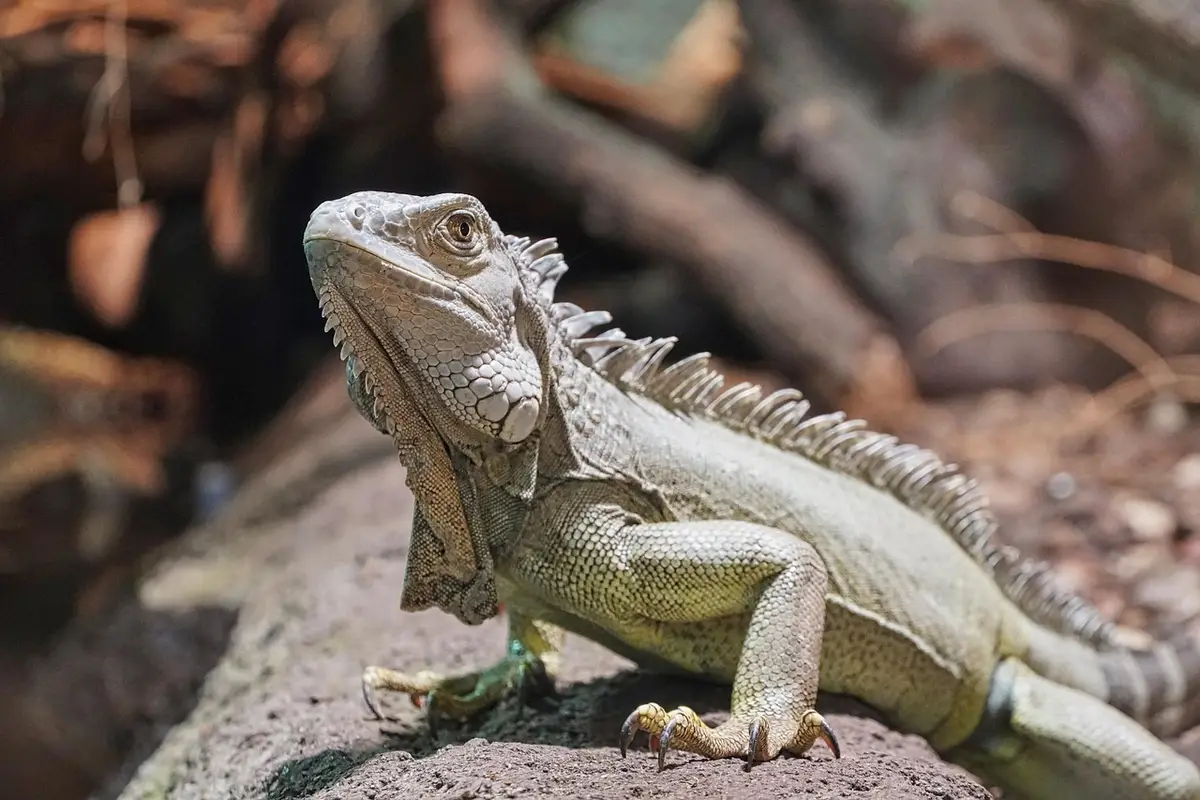
Getting the insect-to-veggie ratio right is the cornerstone of adult bearded dragon health. I’ve found the easiest rule to remember is the 80/20 rule: 80% of their plate should be fresh vegetables, and 20% should be live insects. This shift from their juvenile diet is crucial for preventing obesity and liver issues. For a complete guide on safe foods for bearded dragons, see which vegetables, greens, and insects are appropriate and how to prepare them. This helps ensure a balanced, toxin-free diet.
Here is a sample meal plan I use for my own adults:
- Monday: Large salad bowl of collard greens, butternut squash, and bell peppers.
- Tuesday: Skip the salad. Offer 8-10 appropriately-sized dubia roaches or crickets.
- Wednesday: Large salad bowl, perhaps with dandelion greens and a few blueberries.
- Thursday: Insect day again! Another 8-10 feeder insects.
- Friday-Sunday: Continue alternating between salad-only and insect-only days.
An appropriate insect portion is roughly the size of the space between your dragon’s eyes. I always dust my feeder insects with a calcium supplement to ensure they’re getting the nutrients they need for strong bones.
Treat Frequency and Limits
We all love to spoil our pets, but with bearded dragons, treats require a careful hand. Fatty insects like waxworms or hornworms should be viewed as the dragon equivalent of a rich dessert. Wax worms are high in fat and can upset your dragon’s nutrition if fed too often. If you include them, keep portions small and use them only as an occasional treat, balancing with a varied diet and proper calcium supplementation.
I follow these simple limits with my own colony:
- Offer fatty treats no more than once every 7-10 days.
- Limit it to just 2-3 worms per treat session.
- Never offer treats on the same day as their regular insect feeding.
Overdoing it with treats is a fast track to a pudgy, unhealthy dragon who may turn their nose up at their nutritious staples. Seeing a dragon refuse its greens for a waxworm is a real struggle I’ve had to manage!
Signs of Proper and Improper Feeding
Monitoring Weight and Health
Your dragon’s body and behavior will tell you everything you need to know about their diet. A well-fed adult bearded dragon should be alert, active, and have a plump (but not bulging) tail base. To help you assess these cues, see my overweight underweight visual guide for quick comparisons. It will help you determine whether your dragon’s shape fits a healthy range.
Here are the positive signs you’re on the right track:
- Consistent, healthy bowel movements.
- Bright, clear eyes and healthy skin sheds.
- Good energy levels and curiosity about their surroundings.
- A firm, rounded body without visible hip or back bones.
Watch out for these red flags that signal a problem:
- Obesity: Sagging sides, a bulging belly, and fat pockets on the head and legs.
- Underfeeding: Prominent hip bones, a thin tail, and visible ribs or spine.
- Lethargy or lack of appetite for their staple foods.
I make it a habit to gently feel my dragons’ hip bones and tail base every couple of weeks; it’s the best hands-on way to monitor their body condition. A small, kitchen gram scale is also a fantastic tool for tracking subtle weight changes over time.
Essential Supplements and Hydration
Calcium and Vitamin Supplementation
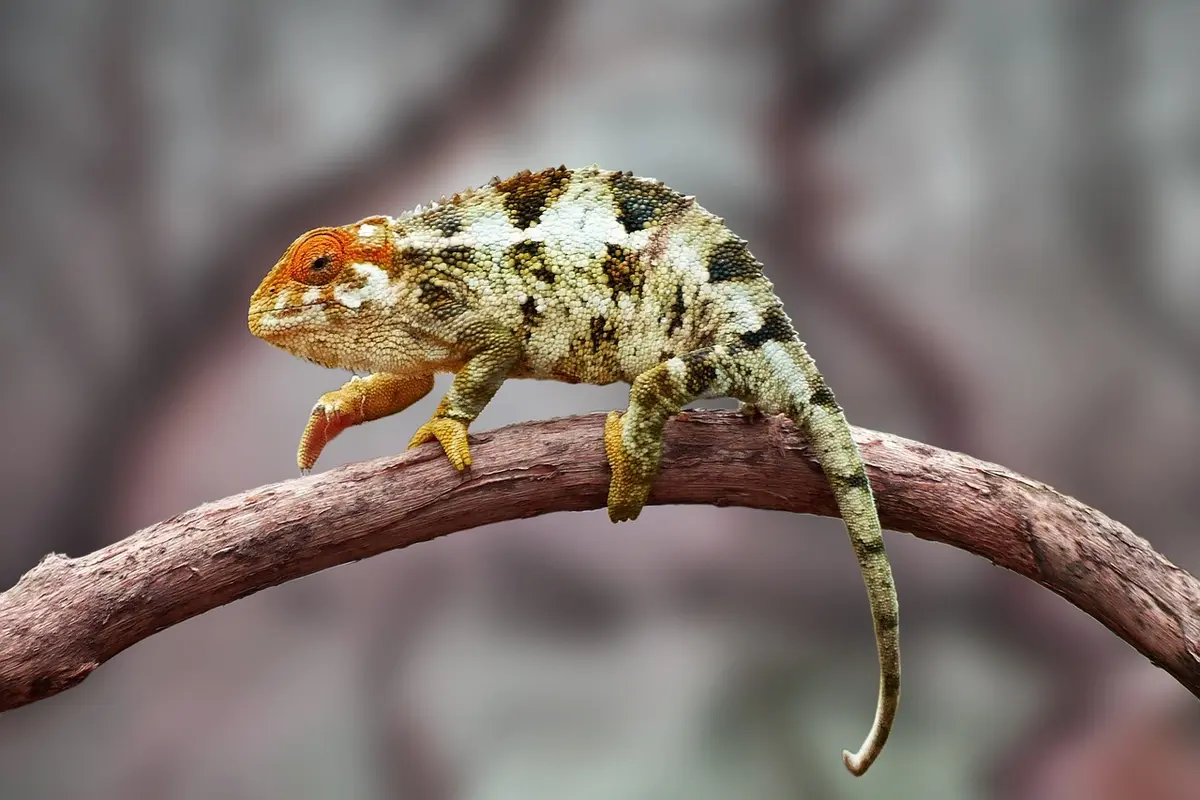
Getting your adult bearded dragon’s supplement routine right is a game-changer for their long-term health. I dust my dragons’ salads and insects with a calcium powder that contains D3 about three times a week to support strong bones and prevent metabolic bone disease. It’s a simple step, but skipping it can lead to serious, painful issues I’ve unfortunately seen in rescues. Knowing the right frequency is key.
Multivitamins are just as vital, but you use them less frequently. I give a high-quality reptile multivitamin once a week to fill any nutritional gaps in their primary diet. Think of it as an insurance policy for their overall well-being.
Here’s my simple dusting routine:
- Place feeder insects in a small bag or container.
- Add a pinch of supplement powder-just enough for a light coat.
- Gently shake until the insects are evenly covered.
- Feed them immediately to your dragon.
Hydration is the other half of this equation. Many bearded dragons won’t drink from a water bowl, so I provide hydration through daily misting of their greens and weekly warm baths. It’s important to understand whether bearded dragons drink from water bowls and how they absorb water. Watching them lap up water droplets from their snout is a sure sign they’re getting what they need.
Signs of good hydration include:
- Skin that springs back quickly when gently pinched.
- Clear, well-formed urates (the white part of their poop).
- Alert and active behavior.
Environmental Factors Impacting Feeding
Role of UVB Lighting and Basking Spots
Your dragon’s appetite is directly tied to their environment, especially their light and heat. Proper UVB lighting is non-negotiable because it allows your dragon to synthesize vitamin D3, which is essential for absorbing all that calcium you’re supplementing. Without it, the calcium just passes through them unused.
I use linear tube UVB bulbs that cover at least two-thirds of the enclosure and replace them every six months, even if they still look fine. The output weakens over time, and a weak bulb can silently undermine your dragon’s health and hunger.
Basking spots create the heat gradient dragons need to digest their food. Your adult dragon needs a basking surface temperature between 95-110°F to properly metabolize their meals. If it’s too cool, food can sit in their stomach and rot, making them feel bloated and disinterested in eating.
Key elements for a optimal setup:
- A basking lamp that creates a precise hot spot.
- UVB bulb positioned alongside the basking area.
- A cooler zone on the opposite end of the tank around 80°F.
- Consistent day-night cycles with timers.
I’ve noticed my dragons are most eager to eat about an hour after their lights turn on and they’ve had time to warm up under the basking lamp. Observing this natural rhythm helps you time feedings for when they are most active and hungry.
Special Feeding Scenarios
Feeding During Brumation
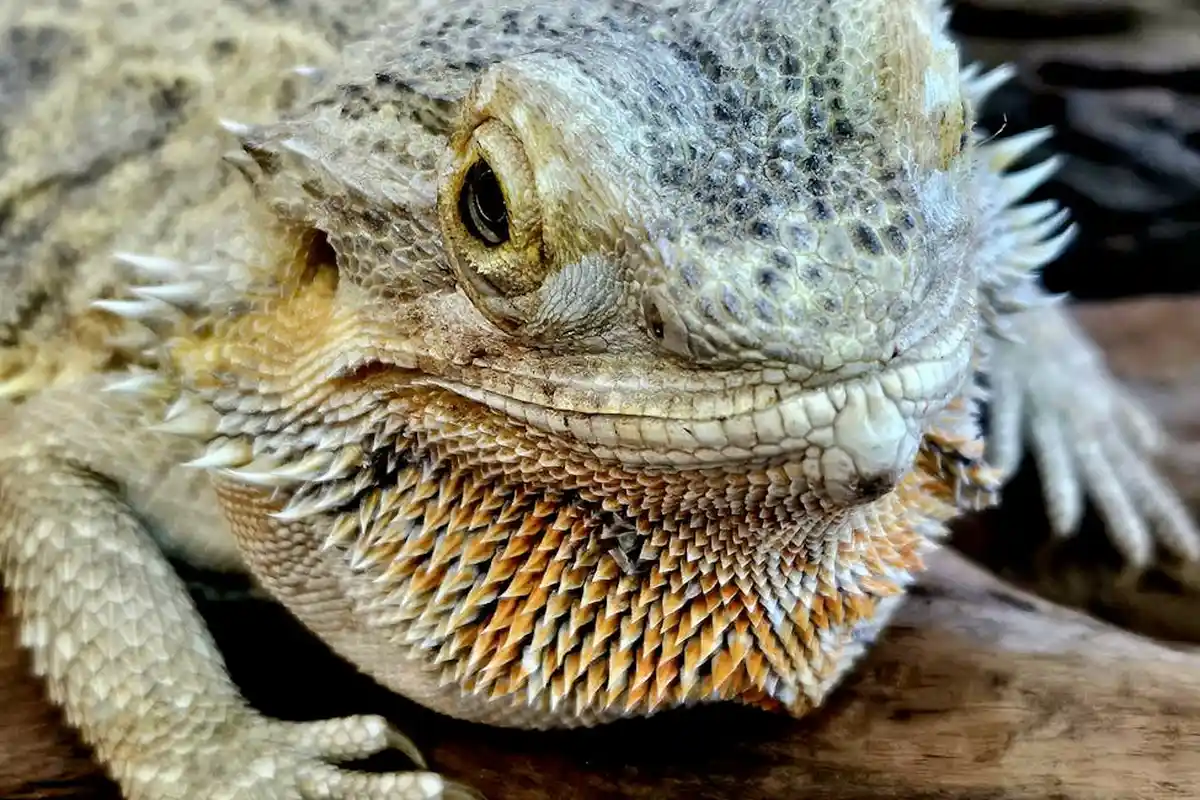
Brumation is a period of dormancy, similar to hibernation, that many adult bearded dragons go through. It often happens as the days get shorter and cooler. Your dragon might start sleeping more, hiding constantly, and showing little to no interest in food. During brumation, feeding is usually not necessary and can be discouraged. After brumation ends, slowly reintroduce feeding with small, easy-to-digest meals.
This is a completely natural process, but it requires a big shift in your feeding routine. The most important rule is to never force-feed a dragon that is entering or in a deep brumation state. Their digestive system essentially shuts down, and food left in their gut can rot and cause a severe, life-threatening impaction.
Here is the step-by-step approach I use with my own dragons:
- Observe the Signs: When you first notice your dragon slowing down, offer food as usual. If they refuse it for several days in a row, it’s a strong signal.
- Pre-Brumation Fast: Once you’re sure they’re entering brumation, stop offering insects entirely. I usually give one last, warm bath to help them pass any remaining waste in their system.
- Hydration is Key: Even while they’re sleeping, I gently offer water by dripping a little on their snout with a dropper once a week. Sometimes they’ll lap it up, sometimes they won’t. The goal is to prevent dehydration.
- Post-Brumation Refuel: When your dragon naturally wakes up and becomes active again, don’t immediately offer a huge meal. Start with a small, easily digestible salad and a few feeder insects. Their system needs time to wake up. This slow and steady approach after brumation prevents shocking their digestive tract.
I’ve had dragons sleep for a few weeks and others for nearly three months. It can be a worrying time, but trusting their natural instincts is vital. Your main job is to provide a quiet, safe space and monitor their weight to ensure they aren’t losing too much.
Frequently Asked Questions
How often should I feed a juvenile bearded dragon?
Juvenile bearded dragons require daily feedings, with insects offered 2-3 times per day and fresh vegetables provided once daily to support their high growth and energy needs. Because they grow rapidly, they should be fed often—usually daily with multiple insect feedings—to sustain their development. For more details on the appropriate juvenile bearded dragon feeding frequency, it’s best to consult specialized resources.
What should a bearded dragon feeding chart include?
A comprehensive feeding chart should outline a weekly schedule, specify portion sizes for insects and greens, and note supplementation frequencies to help owners maintain a balanced and consistent diet.
How does a bearded dragon’s feeding routine change as they age?
As bearded dragons mature from juveniles to adults, their diet shifts from primarily insects to mostly vegetables, with insect feedings reducing from daily to just 2-3 times per week to prevent obesity. Vegetables are a crucial part of their diet during this stage.
Final Feeding Thoughts
Getting into a consistent rhythm with your adult bearded dragon’s feeding schedule is one of the most caring things you can do. Stick to offering a fresh salad daily and live insects just 2-3 times a week for a healthy, balanced life. This routine prevents obesity and mirrors their natural, opportunistic eating habits. Understanding how often to feed is a core part of a complete feeding schedule for bearded dragons. It helps you plan meals and keep their growth and energy on track.
Remember, every dragon is an individual with their own personality and appetite. Pay close attention to your dragon’s body condition and energy levels, as these are the best indicators you’re on the right track. Trust your instincts-you’ve got this!
Further Reading & Sources
- How Often Do Bearded Dragons Eat? Feeding Chart by Age – Dragon’s Diet
- Feeding and Watering – Care of Bearded Dragons (Pogona vitticeps)
- How Often to Feed a Bearded Dragon (Diet by Age Guide)
Bearded Dragon Lair is the ultimate resource for bearded dragon enthusiasts, offering expert advice and practical tips to ensure the health and happiness of your scaly companion. With years of experience in reptile care, we are dedicated to providing accurate, up-to-date information to support your bearded dragon journey.
Feeding Guidelines