Can Bearded Dragons Have Coconut? (A Guide to Oil, Water, and Fiber Safety)
Published on: January 6, 2026 | Last Updated: January 6, 2026
Written By: Beardie Joe
You might be eyeing that coconut and wondering if a small piece is a safe, tropical treat for your bearded dragon.
I’ve cared for many bearded dragons over the years, and I’m here to give you the clear, experienced-based answers you need for your pet’s well-being.
This guide will specifically walk you through the safety of coconut oil, water, and fiber, so you can feel confident about what you’re offering.
Is Coconut Safe for Bearded Dragons?
After years of caring for my own dragons, I’ve learned that “safe” isn’t always a simple yes or no. When it comes to coconut, the answer is nuanced.
Small, infrequent amounts of fresh meat are generally considered non-toxic. The real concern isn’t acute poisoning, but the long-term health problems that can arise from its poor nutritional profile for a bearded dragon. I would never make it a regular part of their diet. In a complete guide to bearded dragon care, meat is treated as an occasional protein source, while dairy products such as cheese are generally discouraged.
Here are the forms of coconut you might consider and their safety levels:
- Fresh Coconut Meat (Shredded): A tiny piece once in a great while is the safest option, but it’s still not ideal.
- Coconut Water: I avoid this completely. It’s high in sugar and lacks the balanced electrolytes a bearded dragon needs.
- Coconut Oil: This is a hard no from me. It’s pure fat and can lead to serious weight gain and liver issues.
- Dried/Desiccated Coconut: This is the most dangerous form. It’s a major impaction risk and even higher in fat.
Nutritional Breakdown of Coconut for Reptile Diets
To understand why coconut is a poor choice, you need to look at what’s inside it. Their bodies are built for a very specific diet, and coconut just doesn’t fit.
Let’s break down the main components of fresh coconut meat:
- High Fat Content: This is the biggest issue. Bearded dragons are prone to obesity and fatty liver disease. Coconut is packed with saturated fats that their systems struggle to process.
- Poor Calcium-to-Phosphorus Ratio: For healthy bones, dragons need more calcium than phosphorus. Coconut has this backwards, with high phosphorus that can block calcium absorption.
- Fiber: While fiber is good, the type in coconut is very coarse. In large amounts, it’s more likely to cause digestive blockages than aid digestion.
- Low Protein: Juvenile dragons, especially, need protein for growth. Coconut offers almost none.
Coconut’s Impact on Digestion and Hydration
I’ve seen firsthand how the wrong food can upset a dragon’s stomach. Coconut poses a unique set of challenges for their digestive and hydration systems.
The coarse fiber in coconut can be very difficult for them to break down. Think of it like trying to digest a bunch of stringy wood chips. This can lead to impaction, a dangerous condition where their digestive tract gets blocked.
Many owners wonder about hydration, especially with coconut water. It seems like a natural choice, but it’s a trap. Coconut water is not a safe or effective way to hydrate your bearded dragon. The sugar content is too high, and it lacks the proper balance of minerals. Stick to fresh, clean water for drinking and hydrating veggies like bell peppers for their moisture needs. Learn more about the appropriate amount of water for your reptile in our daily hydration guide.
If you ever do offer a microscopic piece of fresh meat, watch their next bowel movement closely. Any sign of strain or unusual consistency means their body is telling you it was a mistake.
Feeding Coconut Flesh and Oil Safely
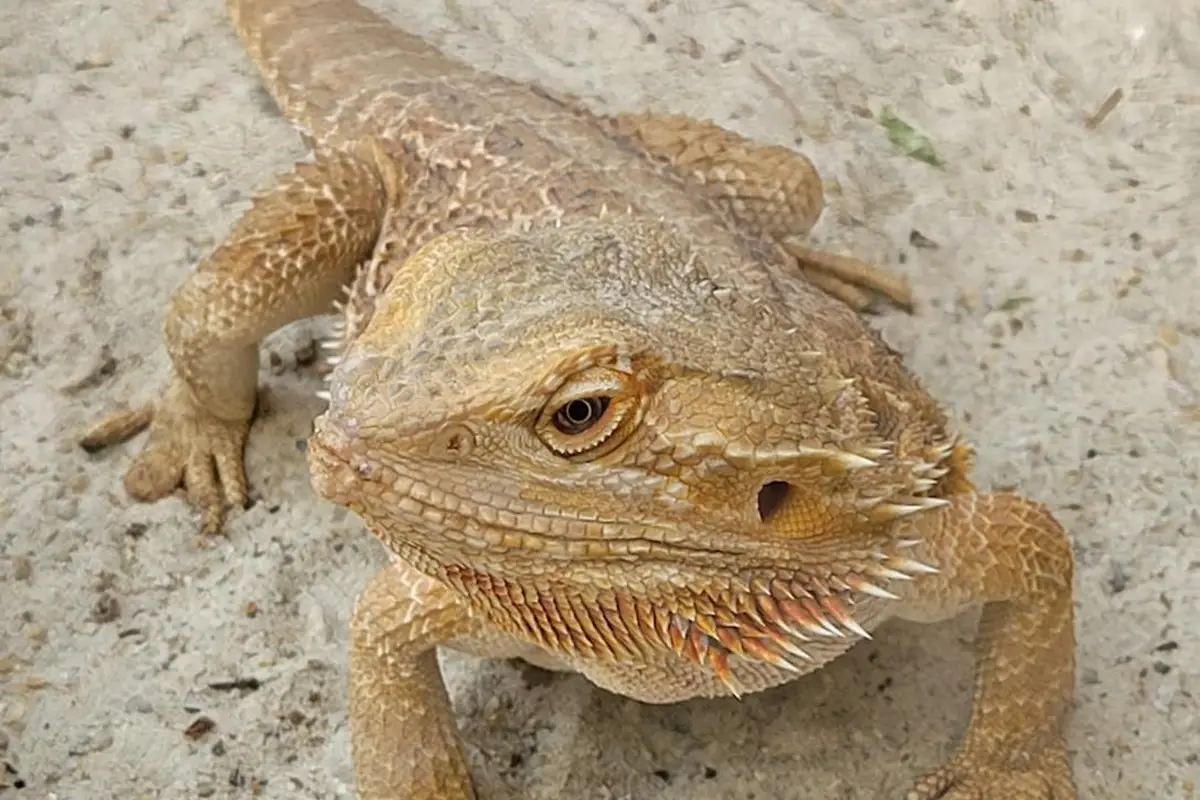
You might be tempted to share a bite of fresh coconut with your scaly friend, but I’ve learned through my own dragons that coconut flesh is a tricky treat. Coconut meat is very high in fat and phosphorus, which can throw off your dragon’s calcium balance and lead to health issues over time. I only offer a tiny, finely grated piece as a very rare surprise, maybe once every few months, and I always watch for any changes in their digestion.
When it comes to coconut oil, it’s not a food but can be a helpful external aid. I keep a small jar of organic, unrefined coconut oil in my dragon-care kit for specific situations, never for them to eat. Its antifungal and moisturizing properties can be beneficial, but you have to use it with a light touch and clear purpose.
Guidelines for Coconut Oil Application
Applying coconut oil requires a careful and minimal approach. The golden rule is that a little goes an incredibly long way for a bearded dragon. I use it primarily to help with difficult sheds on their toes, tail, or spikes.
Here is my simple, safe method for application:
- Wash your hands thoroughly with unscented soap.
- Scoop a tiny amount of oil-about half the size of a pea-onto your fingertip.
- Gently massage the oil onto the stuck shed area, avoiding their eyes, nose, and mouth completely.
- Let your dragon roam in their clean enclosure for about 15 minutes to let the oil absorb before placing them back on their substrate.
I never use coconut oil as a general skin conditioner or for ingestion. If you see any redness or irritation, stop using it immediately and consult your reptile vet. From my experience, this method has helped my dragons through many tough sheds without any issues.
Coconut Water and Fiber: Special Considerations
Coconut water might seem like a natural hydrator, but it’s not suitable for your bearded dragon. The high sugar and potassium content in coconut water can cause digestive upset and doesn’t provide the right hydration they need. I always stick to fresh, clean water in a shallow dish for drinking and regular misting-it’s the safest bet for keeping them properly hydrated, especially considering the concerns around water bowl safety and absorption.
Coconut fiber, often sold as coir, is a different story and is commonly used in reptile habitats. While it’s a fantastic, natural-looking substrate that holds humidity well, you must be cautious about accidental ingestion. Young dragons or those that are prone to licking their environment might eat it, which can lead to a dangerous impaction.
Assessing Coconut Substrate Safety
Choosing a substrate is a big decision for your dragon’s home. I’ve used coconut fiber substrates for my adult bearded dragons and found they help maintain perfect humidity levels for shedding. However, it’s not a one-size-fits-all solution and requires careful management.
Here are the main pros and cons I consider based on my own setup:
- Pros: It’s biodegradable, holds burrows well, and is dust-free, which is great for their respiratory health.
- Cons: There’s a real risk of impaction if your dragon eats it, and it can sometimes be too moist, leading to scale rot if not monitored.
For baby bearded dragons or those with a history of eating substrate, I avoid loose coconut fiber entirely and use tile or paper towel instead. Always observe your dragon’s behavior closely during the first few weeks on any new substrate to ensure they aren’t trying to taste it. Your dragon’s safety always comes first, and a little vigilance goes a long way. If your dragon stops eating, it can signal stress, temperature issues, or dietary problems. Here are common causes and practical solutions to help get meals back on track.
How to Introduce Coconut to Your Bearded Dragon
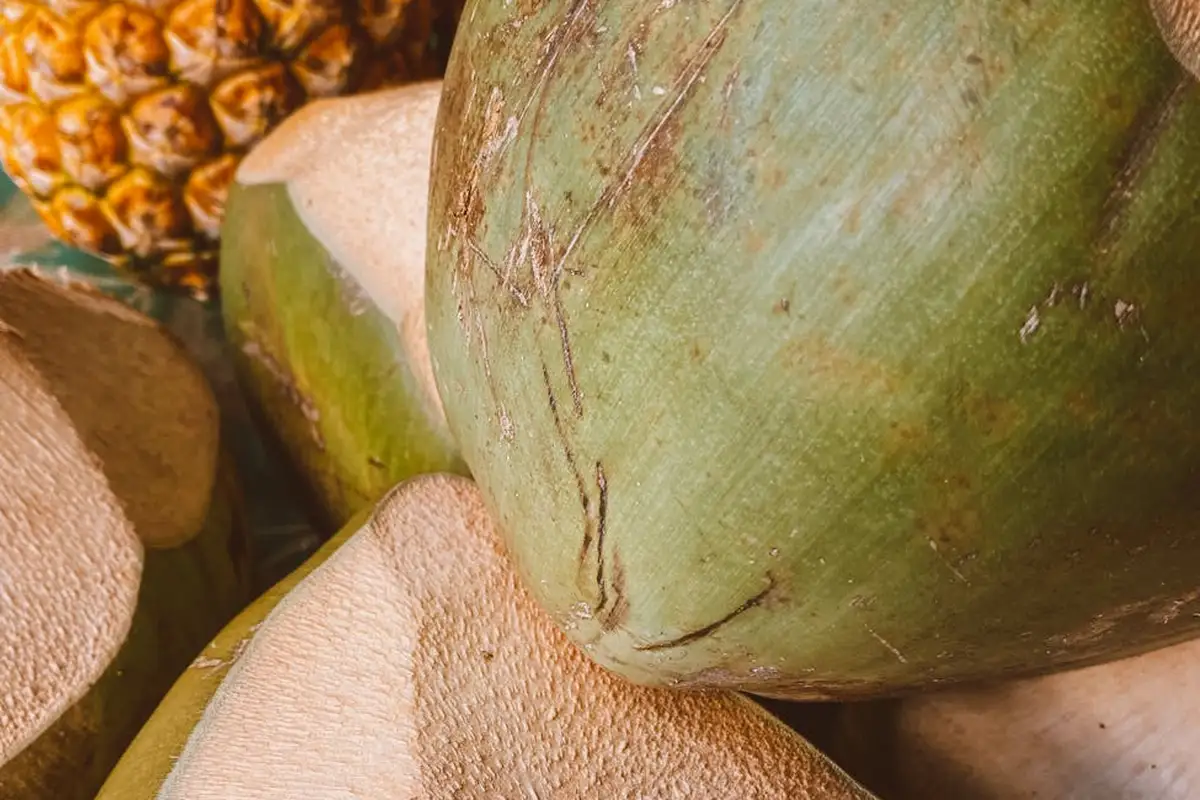
If you decide to offer a tiny taste of coconut, think of it like giving a child their first bite of a new food. You go slow and watch closely. This careful approach is the single most important step in preventing an upset stomach.
From my own experience with my beardie, Pippin, I follow these steps every single time I introduce a novel food.
- Start Microscopic Grate a piece of fresh coconut meat until you have just a few tiny shreds, no bigger than a pinhead.
- Mix with Favorites Sprinkle these tiny shreds over a large pile of their regular, trusted greens like dandelion or collard greens.
- Offer a Single Bite Your goal is for them to maybe get one or two of those tiny shreds, not a mouthful.
- Wait and Watch Do not offer any more new foods for at least three to four days. Monitor their behavior, appetite, and most importantly, their droppings.
I only do this once every few months as a rare curiosity. Treating coconut as a very occasional, tiny novelty is the safest way to satisfy their curiosity without risking their health. The high fat content means it should never become a regular part of their diet.
Recognizing Risks and Adverse Reactions
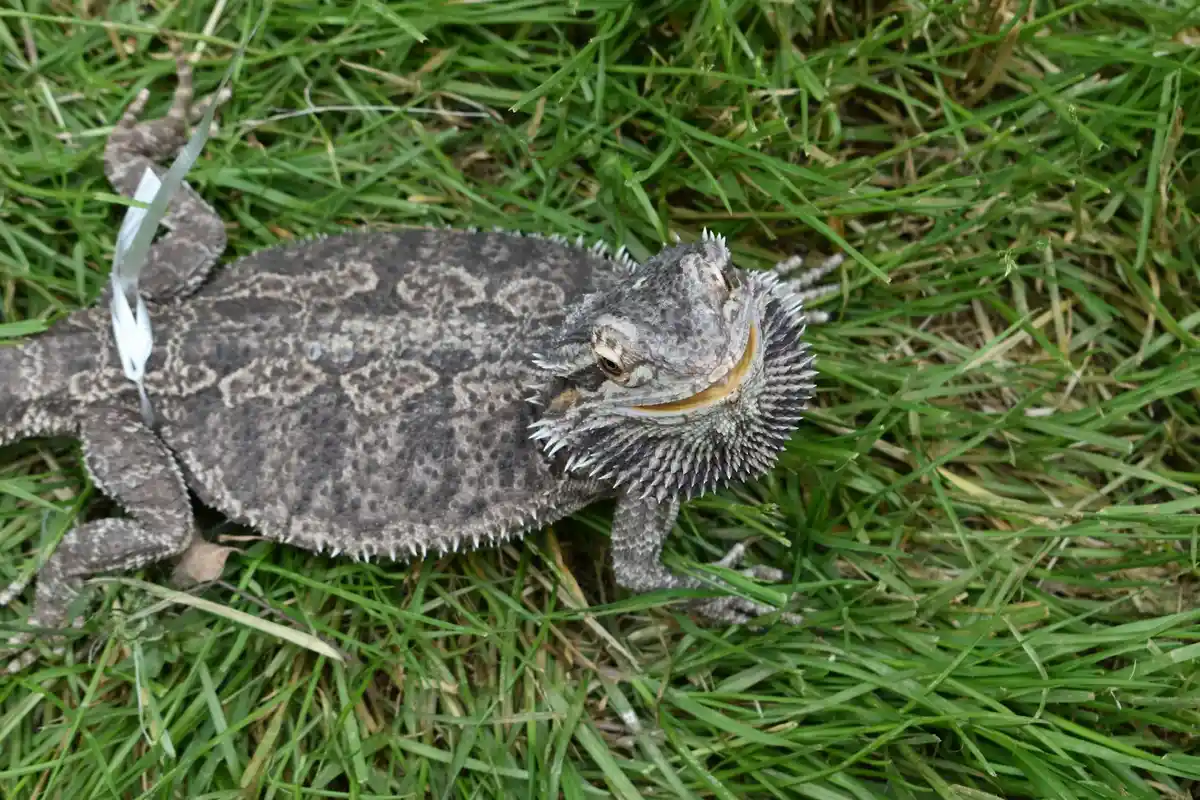
Bearded dragons are masters at hiding illness, so you must become an expert observer. Even a tiny amount of an unusual food can cause a reaction. Knowing what to look for can help you catch a problem before it becomes serious. There are foods bearded dragons can’t eat. A reliable feeding guide helps you avoid toxic foods.
Watch for these physical and behavioral signs after they try coconut.
- Lethargy or unusual lack of movement
- Loss of appetite for their staple foods
- Swelling around the mouth or jaw
- Excessive scratching at their face or mouth
The most common issue you will likely see involves their digestive system. Coconut is very fibrous and fatty, two things a bearded dragon’s gut is not designed to process well. In a complete feeding guide for bearded dragons, including vegetables, you’ll learn which greens are safe and how to balance them with protein and calcium-rich foods. This helps ensure a healthy, varied diet that supports digestion.
- Diarrhea or unusually watery droppings
- No bowel movements for several days (indicating impaction)
- Visible straining or discomfort when trying to pass stool
- Bloating or a hardened, swollen belly
If you notice any of these symptoms, stop offering coconut immediately. Your first action should always be to ensure they are well-hydrated with fresh water and return to their simple, reliable diet. If symptoms persist for more than a day or you see signs of significant pain, contact a reptile veterinarian without delay. It is always better to be cautious.
Frequently Asked Questions
Is coconut fiber substrate safe for bearded dragons?
Coconut fiber can be used for adult bearded dragons as it holds humidity well, but there is a risk of impaction if your dragon accidentally eats it. It is not recommended for juvenile dragons who are more prone to tasting their environment, especially when compared to safe, digestible foods.
Can my bearded dragon drink coconut water?
No, coconut water is not a safe hydration source due to its high sugar and potassium content, which can cause digestive upset. Fresh, clean water is the only recommended liquid for your bearded dragon to drink. In a complete safe feeding guide, you’ll learn which fruits bearded dragons can eat and how to portion them. Fruits should be offered sparingly as part of a balanced diet.
What is the difference between coconut coir and coconut husk as a substrate?
Coconut coir is a finer, soil-like material, while coconut husk is chunkier. Both carry the same impaction risk if ingested, so careful observation of your dragon’s behavior is essential when using either type.
Final Thoughts
So, can bearded dragons have coconut? The simple answer is that it’s best to skip it. Coconut in all its forms—oil, water, and flesh—presents more risks than benefits for your scaly friend. The high fat and phosphorus content can disrupt their delicate digestive and nutritional balance, leading to potential health issues down the line. For a balanced diet, consult the ultimate safe food list for fruits and vegetables bearded dragons can eat to choose safe options and proper portions. This quick guide helps you compare what’s okay to offer versus what to avoid.
From my own experience, the safest path is always the most rewarding one. Stick to the well-researched, staple greens and insects that form the bedrock of a healthy bearded dragon diet. I also rely on a complete safe-unsafe list of greens for bearded dragons to guide what to offer and what to avoid. Your dragon will thrive on the classics, and you’ll have the peace of mind that comes from providing the very best care.
Further Reading & Sources
- Are coconut shavings a safe substrate for a bearded dragon enclosure? – Quora
- Can Bearded Dragons Eat Coconut? Expert Answers & Advice
- Can Bearded Dragons Eat Coconut? – The Ultimate Guide 2024!
Bearded Dragon Lair is the ultimate resource for bearded dragon enthusiasts, offering expert advice and practical tips to ensure the health and happiness of your scaly companion. With years of experience in reptile care, we are dedicated to providing accurate, up-to-date information to support your bearded dragon journey.
Feeding Guidelines