
Safe Outdoor Time for Bearded Dragons: Harness Training and Sunlight Guide
Published on: January 1, 2026 | Last Updated: January 1, 2026
Written By: Beardie Joe
Thinking about taking your bearded dragon outside for some sunshine but worried about the risks?
As someone who’s harness-trained all my beardies, I’ll guide you through making outdoor adventures both safe and enriching, based on years of hands-on reptile care.
We’ll cover choosing the right harness, safe sun exposure times, and the critical mistakes every owner must avoid.
Why Your Bearded Dragon Thrives with Outdoor Time
Taking your bearded dragon outside isn’t just a fun photo opportunity; it’s one of the best things you can do for their overall health. I’ve seen my own dragons visibly perk up and become more vibrant after just a few supervised outdoor sessions. If your dragon isn’t as active as expected, start by checking temperature, UVB, and enrichment in the enclosure. If activity doesn’t improve, consult a reptile veterinarian.
- Natural UVB Lighting: The sun provides full-spectrum, unfiltered UVB light that even the best commercial bulbs can’t perfectly replicate. This direct sunlight is crucial for efficient Vitamin D3 synthesis, which allows your dragon to properly absorb calcium. Without it, they risk metabolic bone disease, a serious and painful condition.
- Mental Enrichment: The great outdoors is a sensory playground for a bearded dragon. They can see new colors, feel different textures under their feet, and watch bugs and birds. This mental stimulation prevents boredom, reduces stress behaviors like glass surfing, and encourages natural curiosity. I love watching my dragon’s head tilt as they track a bird flying overhead-it’s pure fascination.
- Improved Basking Behavior: Outdoor basking is simply more authentic. They can stretch out on a warm rock and absorb heat and light exactly as their wild cousins do. This leads to better digestion, a stronger appetite, and more regulated energy levels throughout the day. The quality of their basking posture and the depth of their relaxation is noticeably different outside.
Indoor vs. Outdoor UVB: A Quick Comparison
- Indoor UVB: Comes from a fluorescent tube bulb. Its strength diminishes over time, requiring replacement every 6-12 months. The rays are directional and limited to the area directly under the lamp. It cannot penetrate glass or plastic.
- Outdoor UVB: Provided directly by the sun. It is full-spectrum and incredibly powerful. Your dragon gets exposure from all angles, not just from above. Just 15-30 minutes of direct, unfiltered sunlight can be more beneficial than an entire day under an artificial lamp.
Preparing for a Safe Outdoor Adventure
Safety is your number one priority. A successful trip outside is a carefully planned one. I never take my dragons out without going through this simple routine first.
Pre-Outdoor Health and Safety Check
- Check the Weather: Look at the actual temperature, not just the forecast. Ideal conditions are between 80°F and 95°F (27°C – 35°C). Avoid going out if it’s windy, rainy, or excessively humid.
- Assess Your Dragon: Is your dragon alert and active? Have they recently eaten? I avoid taking them out right after a big meal. Ensure they are not showing any signs of illness or stress from their last handling session.
- Scout Your Location: Choose a quiet, enclosed area away from loud noises, dogs, and potential predators like hawks or cats. A fenced backyard is ideal.
Your Outdoor Adventure Checklist
- Secure Harness and Leash: A properly fitted, escape-proof reptile harness is non-negotiable. I prefer the vest-style harnesses that distribute pressure more evenly. Always attach a lightweight leash.
- Hydration Source: Bring a small spray bottle with water to mist your dragon and a shallow dish they can drink from if they choose.
- Portable Shade: This is critical. You must provide an easy escape from the sun. I use a small cardboard box with a door cut out or a commercially made reptile hide. This allows them to self-regulate their temperature and prevents overheating.
- Carrier or Secure Container: Have a safe way to transport your dragon to and from your outdoor spot, especially if you have to walk any distance.
Seasonal Timing and Temperature Gradients
Just like their indoor tank, your dragon needs a temperature gradient outside. You are responsible for creating a “sun patch” and a “cool patch” for them to move between. This aligns with a bearded dragon temperature guide that covers basking spots, nighttime temperatures, and the overall tank requirements. Keeping these elements balanced helps support digestion, activity, and long-term health.
- Spring/Fall: These are often the best seasons. Aim for the warmest part of the day, usually between 10 am and 3 pm.
- Summer: Go out in the early morning or late afternoon to avoid the scorching midday heat. Always provide ample shade and feel the ground with your hand-if it’s too hot for you, it’s too hot for their belly.
- Winter: Outdoor time is generally not recommended unless you live in a consistently warm climate. The risks of chilling are too high.
Harness Training Your Bearded Dragon Step-by-Step
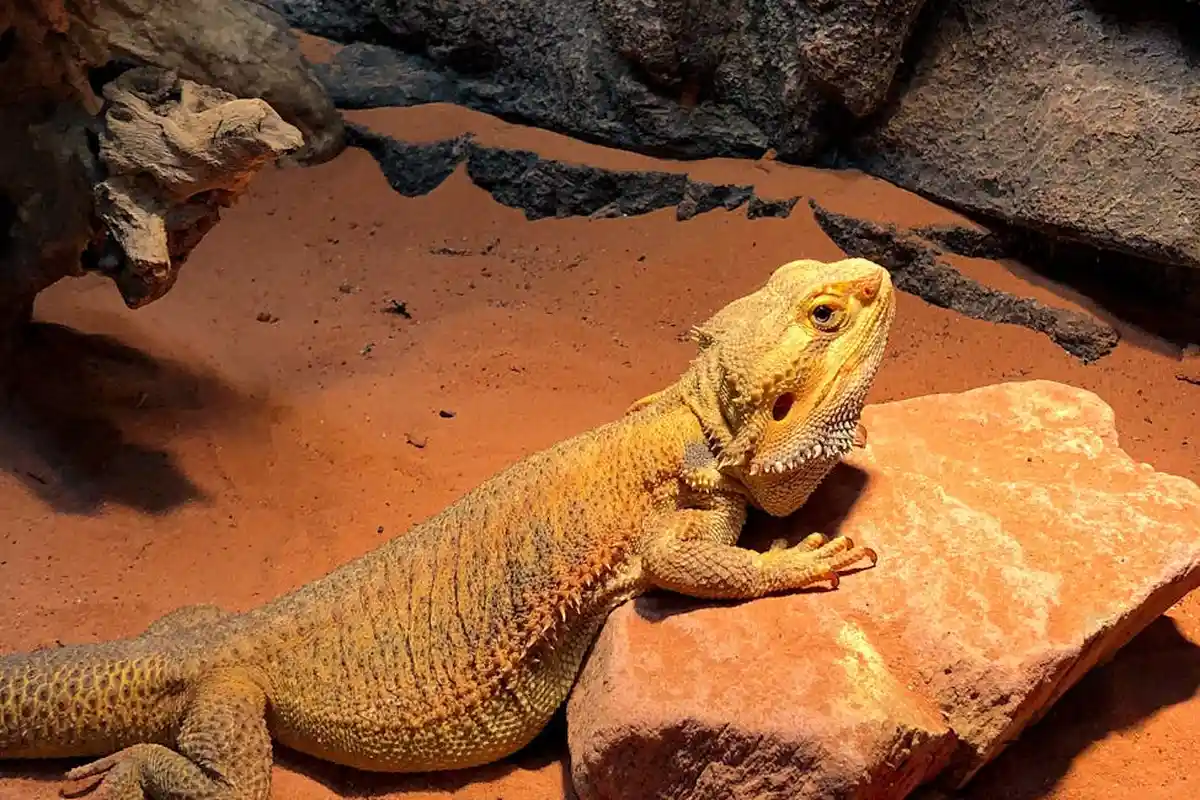
Getting your bearded dragon comfortable with a harness takes patience, but it opens up a world of safe outdoor exploration. I’ve harness-trained all my dragons, and starting slow is the secret to success.
- Let your dragon sniff and inspect the harness indoors for a few days without putting it on.
- Gently drape the harness over their back for short periods, rewarding them with a small treat like a piece of squash.
- Once they seem relaxed, fasten the harness loosely for just a minute or two, gradually increasing the time.
- Attach the leash and let them drag it around a safe, enclosed space to build confidence.
- Practice walking with them indoors before venturing outside.
If your dragon resists or shows stress, like puffing up or trying to flee, go back a step. Never force the harness; it can break their trust and set training back weeks.
- For stubborn dragons, try a different harness style or material that feels less restrictive.
- Keep sessions under 10 minutes initially to prevent overwhelm.
- If they black-beard or gape, stop immediately and give them a break in their enclosure.
You can buy a reptile harness online or make your own. DIY options let you customize for a perfect fit, which I’ve done for my smaller dragons.
- Materials needed: Soft, stretchy fabric like jersey knit, Velcro strips, and a lightweight leash.
- Basic pattern: A figure-8 shape that loops around the neck and torso, adjustable with Velcro.
- Avoid rough materials that could chafe their sensitive skin.
Choosing the Right Harness and Leash
Picking a harness is all about balancing security with comfort. A well-fitted harness should allow your dragon to move naturally without slipping off.
- Security: Look for multiple adjustable points to prevent escapes.
- Comfort: Soft, breathable fabric reduces irritation during wear.
- Adjustability: Choose one that can grow with your dragon or be resized easily.
For a DIY approach, I’ve used old t-shirts to create no-sew harnesses in a pinch. Always test the fit indoors first to ensure it’s snug but not tight around their legs and neck.
Managing Sunlight and UVB Exposure Outdoors
Natural sunlight provides full-spectrum UVB, which is vital for your bearded dragon’s calcium absorption and bone health. Outdoor UVB complements their indoor lighting but should never replace it entirely. For best results, follow a bearded dragon lighting guide that covers UVB requirements, heat lamps, and daily light cycles. Indoor setups should provide UVB and a basking heat source to mimic natural day-night rhythms.
Start with short, 10-15 minute sessions in mild weather, ideally between 75-85°F. I always bring a timer outside to avoid overexposure, especially for juveniles or first-timers.
| Condition | Signs to Watch For |
|---|---|
| Overheating | Panting, gaping mouth, darkening skin, lethargy |
| Sunburn | Red or blistered skin, especially on light-colored areas |
| Optimal Basking | Active movement, normal coloration, basking with eyes open |
Monitor your dragon closely and provide shaded areas they can retreat to. UVB intensity varies with time of day and season, so adjust exposure based on sunlight strength. For nighttime care, ensure a safe, gradual temperature drop and keep lighting minimal or off. Use a thermostat-controlled heater if needed to maintain proper heating, so temperature management remains consistent.
Recognizing Stress and Health Warning Signs
Stress during outdoor time can show up quickly, so knowing the signs helps you act fast. From my experience, rapid breathing or hiding their head are clear distress signals.
- Common stress signs: Black beard, puffing up, frantic scratching, or trying to burrow.
- UVB-related issues: Lethargy, loss of appetite, or soft, rubbery jaw bones indicating metabolic bone disease.
If you notice any problems, move your dragon to a cool, shaded spot immediately. Offer fresh water and mist them lightly to help regulate body temperature. In cold conditions, temperature drops can become critical for a bearded dragon. For more detail, see the critical temperature guide.
- Check for overheating by feeling their belly; if it’s hot to the touch, end the session.
- For sunburn, apply a reptile-safe aloe vera gel and avoid sun until healed.
- If stress persists, return them to their familiar indoor habitat and consult a vet.
Essential Safety Measures During Outdoor Sessions
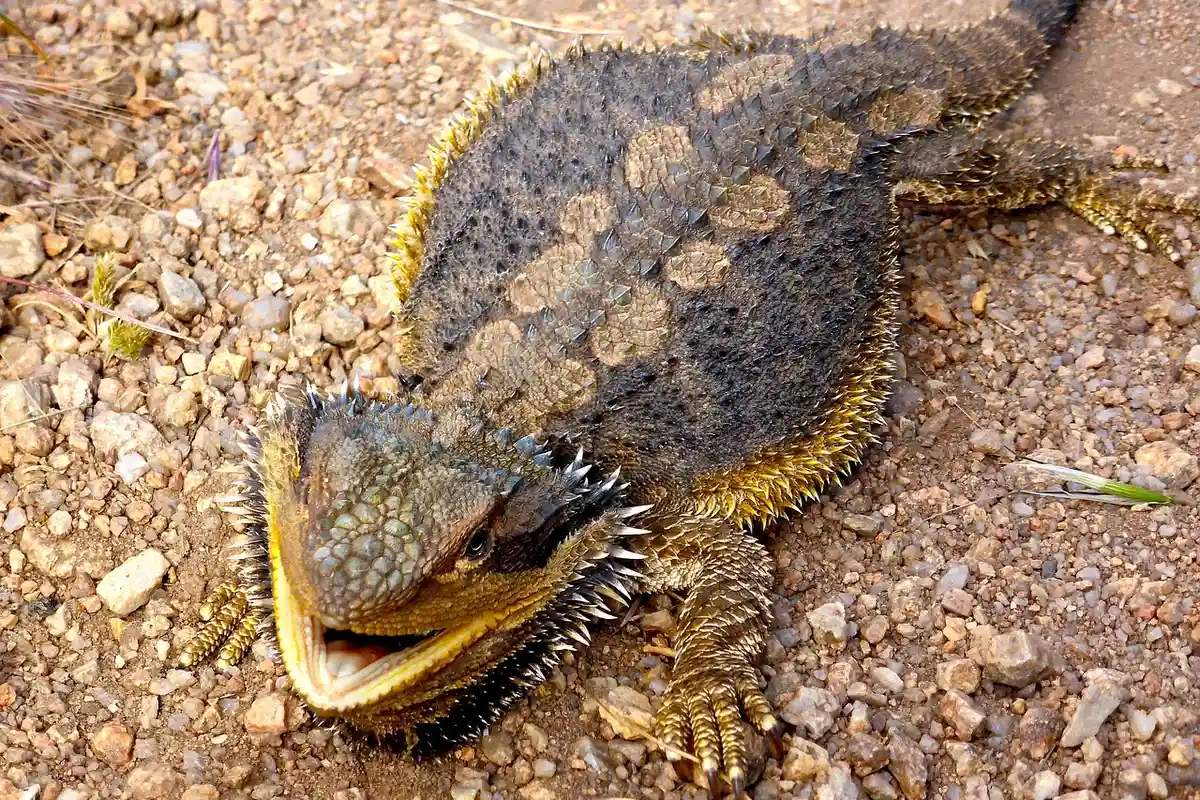
Taking your bearded dragon outside is a fantastic experience, but it’s not like walking a dog. Their safety depends entirely on you. I treat every single outdoor trip with my dragons as a fully supervised field trip, not a casual lounge session. That’s why a practical free-roam guide for indoors and outdoors matters—covering supervision, weather checks, and secure containment. With that guide, you can let your bearded dragon explore more confidently and safely. Let’s break down the non-negotiable rules.
Your Outdoor Safety Checklist
- Constant, Undivided Supervision: Never, ever leave your bearded dragon alone outside, not even for a minute. I learned this the hard way when a hawk swooped low while I was distracted for a second. Your eyes must be on your pet the entire time.
- Robust Predator Protection: You are their only shield. Always have a small, portable hide or carrier with you for quick cover. Be hyper-aware of birds of prey, curious cats, and even other dogs. Their instincts are fast.
- Safe, Natural Substrate: The ground matters. I only place my dragons on clean grass, a blanket, or my own hand-never on concrete, gravel, or treated soil. Pesticides, sharp objects, and scorching hot surfaces are invisible dangers.
Must-Follow Rules for Wildlife and Weather
- Always keep your dragon within arm’s reach.
- Use a well-fitted reptile harness as your primary escape prevention.
- Check the surface temperature with your hand before setting them down.
- Avoid areas recently treated with fertilizers or pesticides.
- Stay clear of flowering plants that attract bees or wasps.
Heat management is a delicate dance. Direct, unfiltered sunlight can turn a comfortable 85°F day into a 110°F death trap in minutes. You must provide constant access to dappled shade, like under a lawn chair or a shrub. I always carry a small spray bottle to mist my dragon’s head and body to help with cooling. Hydration is critical; a shallow water dish is a great idea for longer sessions.
Troubleshooting Common Outdoor Challenges
Even with perfect planning, things can go sideways. Staying calm is your greatest tool. Here’s how I handle common hiccups.
The Great Escape
If your dragon manages a houdini act and slips its harness, do not panic and run. Freeze first and watch exactly where it goes. They are surprisingly fast and will often dart to the nearest cover. Move slowly and deliberately to corral them. Having a favorite treat, like a piece of strawberry, in your pocket can be a great lure.
Sudden Weather Shifts
Sunny days can turn windy or a light rain can start. Your dragon will get stressed. The moment the weather changes for the worse, your outdoor time is over. Have your travel carrier ready to go. Gently place them inside and head back to the safety and warmth of their indoor enclosure. Don’t try to wait it out.
The Uncooperative Dragon
Some bearded dragons simply hate the harness or feel too exposed outside. If yours puffs up, blacks its beard, or frantically tries to escape, listen to them. A stressed dragon is not having a good time, and forcing it can harm your bond. End the session and try again another day for a much shorter period. Patience is everything.
When to Call the Vet
Outdoor time is generally safe, but you need to watch for specific health changes. Contact your reptile veterinarian immediately if you notice labored breathing, prolonged lethargy after coming inside, or a lack of appetite lasting more than a day. I also make a vet call if mine accidentally eats something questionable outside. It’s always better to be safe and get professional guidance.
Frequently Asked Questions
Can I use a bearded dragon harness with wings?
Harnesses with wings are typically decorative and may compromise security, so opt for a snug, escape-proof design instead. Prioritize a comfortable fit that doesn’t restrict movement or pose a safety risk during outdoor sessions.
Is there a crochet pattern for a bearded dragon harness?
Yes, crochet patterns can be found online, but use soft, non-irritating yarn and include adjustable features for a secure fit. Always test the harness indoors to ensure it’s snug without chafing before heading outside.
Where can I find a bearded dragon harness nearby, like at Petsmart?
Stores like Petsmart may carry reptile harnesses, but availability varies by location, so check their website or call ahead. Online retailers often offer more options and can deliver quickly if local stock is limited.
Final Thoughts
Taking your bearded dragon outside is a fantastic way to enrich their life, but their safety must always come first. Harness training is the single most effective tool to prevent a tragic escape and allows you to share the adventure together. I never take any of my dragons out without one – it’s a non-negotiable part of our routine. For anyone new to bearded dragons, this kind of safety-first guidance is exactly what a complete beginners guide to taking care of bearded dragons covers. It walks you through harness use, outdoor setup, and gradual exposure to keep your pet safe and comfortable outside.
Remember that direct, unfiltered sunlight is a powerful health booster, but it requires careful management. Always provide a shady retreat and fresh water, and never, ever leave your pet unattended, even for a moment. Start with short, positive sessions and watch your dragon thrive with a little safe, supervised sunshine.
Further Reading & Sources
- Expert Q&A: Taking Your Bearded Dragon Outside – Age, Temperature & Safety Tips
- 3 Tips for Taking Your Bearded Dragon Outside – The Critter Depot
- Questions about taking Beardies outside | Bearded Dragon Forum
Bearded Dragon Lair is the ultimate resource for bearded dragon enthusiasts, offering expert advice and practical tips to ensure the health and happiness of your scaly companion. With years of experience in reptile care, we are dedicated to providing accurate, up-to-date information to support your bearded dragon journey.
Safe Outdoor Exploration