Bearded Dragon Genetics: Your Guide to Morph Breeding
Published on: January 2, 2026 | Last Updated: January 2, 2026
Written By: Beardie Joe
Have you ever looked at a bearded dragon’s stunning colors and wondered how they’re created? That beautiful variation is no accident. It all comes down to the intricate dance of genes passed down from parent to offspring.
I’ve spent years breeding these amazing reptiles and studying their genetics firsthand. My goal is to translate the complex science into simple, actionable steps you can use.
We will break down basic genetic terms, explain how different morphs are produced, and highlight the critical role of ethical, welfare-focused breeding.
Bearded Dragon Genetics: The Core Concepts
Getting a handle on bearded dragon genetics is like learning a new language. Once you understand the basic vocabulary, the whole world of morph breeding opens up. In this species morph identification guide, we’ll translate those terms into recognizable colors and patterns. With this guide, you’ll be able to confidently identify and compare different morphs at a glance.
Key Genetic Terms Explained
- Alleles: Think of alleles as different versions of the same gene. For example, the gene for scale texture might have a ‘normal’ allele and a ‘leatherback’ allele.
- Genotype: This is your dragon’s actual genetic code, the specific pair of alleles it carries for a trait. It’s the hidden blueprint.
- Phenotype: This is the physical result you can see-the color, pattern, and scale type. The phenotype is the expression of the genotype.
- Heterozygous (Het): This means your dragon has two different alleles for a specific gene (e.g., one normal and one leatherback allele). They often look normal but carry a hidden recessive trait.
- Homozygous: This means your dragon has two of the same alleles for a gene. If they are homozygous for leatherback, they will visually be a leatherback.
How Traits Are Passed Down
Not all genes are created equal. They follow different inheritance rules that determine how they show up in the babies.
- Dominant: A dominant trait only needs one copy of the allele to be visible. The leatherback gene is a great example. If a dragon inherits just one copy, it will be a leatherback.
- Recessive: A recessive trait needs two copies (homozygous) to be visible. The ‘zero’ morph is recessive. A dragon can carry the gene (be heterozygous) and look totally normal, but if bred to another carrier, they can produce zero babies.
- Codominant: This is a fascinating one. With codominant traits, both alleles are expressed, often creating a blended or intermediate phenotype. The silkback morph is a result of this. When a dragon inherits two leatherback genes (which are codominant), it becomes a silkback.
Beyond Simple Genetics
Some of the most stunning features in beardies aren’t controlled by a single gene.
- Polygenic Traits: These are traits influenced by multiple genes. Color intensity and intricate patterning are almost always polygenic. This is why you can breed two bright red dragons and get a range of color saturation in their offspring.
- Sex-Linked Traits: These are traits carried on the sex chromosomes. While less common in beardies than in some other reptiles, it’s a area of ongoing research. It means a trait might be expressed differently in males versus females.
I often remind myself that our captive bearded dragons, Pogona vitticeps, are descended from hardy, wild Australian ancestors. Their baseline genetics were shaped by survival-camouflage, heat tolerance, and robust health. Our selective breeding for color and pattern is a very recent chapter in their long evolutionary story. Common questions about morph colors and care often come up. People frequently ask which morphs are most popular and what health issues to watch for.
Identifying Common Bearded Dragon Morphs and Traits
Walking into a reptile expo can be overwhelming with all the different “morphs” for sale. Here’s a breakdown of the most common ones you’ll encounter.
Popular Scale and Pattern Morphs
- Hypomelanistic (Hypo): These dragons have reduced black pigment (melanin). They appear brighter and cleaner, often with clear nails instead of black ones. A hypo’s colors look more pastel and pure.
- Leatherback: Leatherbacks have scaled-down spikes, giving their backs a smooth, leathery texture. Their colors often appear more vibrant because the pattern isn’t broken up by large spikes.
- Silkback (Silkie): Silkbacks are the result of breeding two leatherbacks together. They have no scales at all, just soft, silky skin. I must stress that silkbacks require specialized care, as their sensitive skin is prone to injury and requires more attention to humidity and shedding.
- Zero: Zero morphs are mostly patternless and lack the yellow and red pigments. They are typically a stark white, gray, or silver color, sometimes with a few dark markings as hatchlings that may fade.
The hypo gene is a cornerstone for creating many of the vibrant color morphs we see today.
Distinctive Pattern Traits
Beyond the main morphs, breeders select for specific patterns that run along the dragon’s back.
- Genetic Stripe: This isn’t just a line; it’s a clean, unbroken stripe of color that runs from the base of the neck to the tail. It creates a very streamlined and striking look.
- Pinstripe (Classic Pinstripe): This is one of my personal favorites. It’s created by a reduction of pattern along the dragon’s sides, which makes the row of spikes on their back look like a neat, defined “pinstripe” against their main body color.
A Rainbow of Color Mutations
The color possibilities are nearly endless, but here are the visual hallmarks of common ones.
- Citrus: A vibrant, saturated yellow. They can range from a light lemon to a deep, almost neon yellow.
- Red: This describes dragons with strong red pigment. They can be a rusty orange-red or a deep, blood-red color.
- Translucent: Hatchlings have semi-see-through belly skin and solid black eyes that sometimes lighten to a dark plum color with age. Their overall color can be bluish or greenish.
Breeding for a single trait, like intense red color, over many generations creates what the hobby calls ‘red monsters’-dragons that are a breathtaking, uniform, fiery red.
Predicting Outcomes: Punnett Squares and Probability
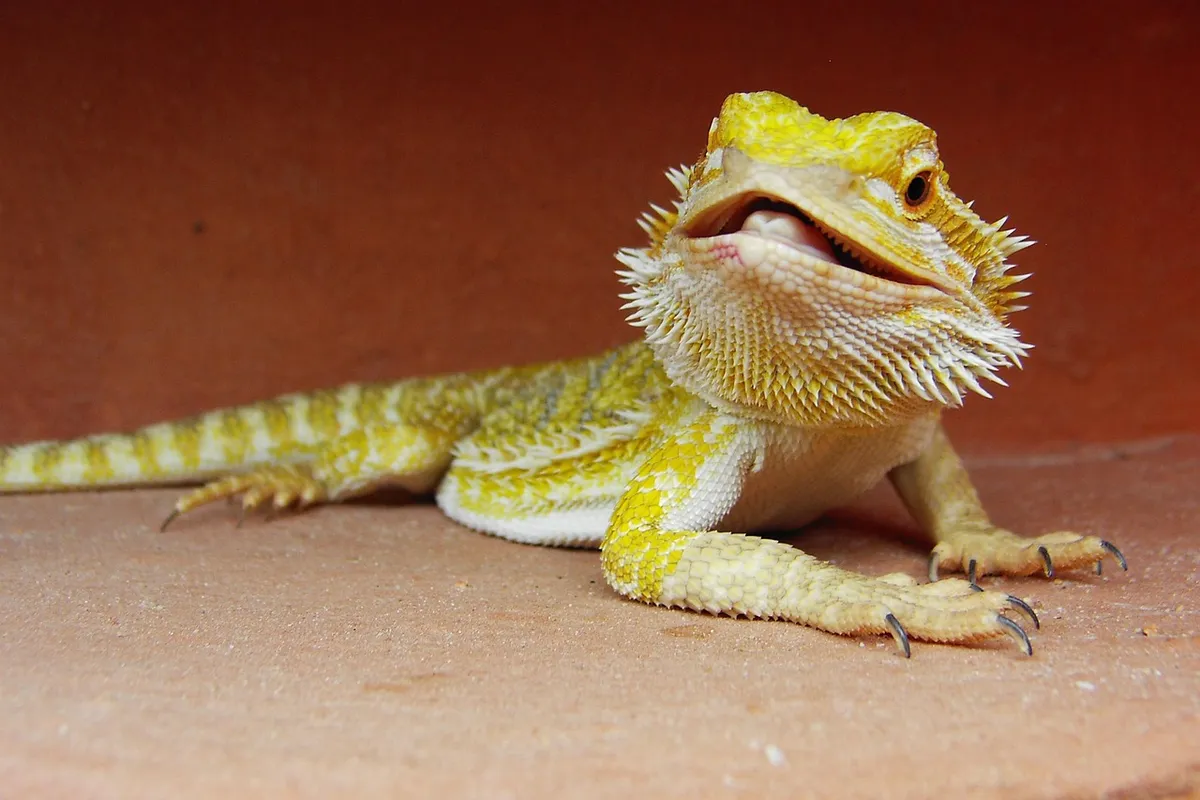
When I first started breeding, genetics felt like a mysterious code. Punnett squares are the simple key that unlocks what traits your dragon pair can produce. They visually map out the possibilities for each baby, or hatchling.
How to Perform a Punnett Square for Bearded Dragons
Let’s use a simple trait: the Leatherback morph, which is a co-dominant gene. We’ll breed a Leatherback (Ll) with a Normal (ll).
- Write one parent’s genes on the top (L, l).
- Write the other parent’s genes on the side (l, l).
- Fill in the boxes by combining the letters from the top and side.
| L | l | |
| l | Ll | ll |
| l | Ll | ll |
From this square, you see a 50% chance for Leatherbacks (Ll) and a 50% chance for Normals (ll). This simple chart takes the guesswork out of predicting your first clutch.
Understanding a Bearded Dragon Genetics Probability Chart
A probability chart expands on the Punnett square. It lists all possible gene combinations from a pairing and their statistical odds. For complex pairings involving two or three genes, the chart becomes essential. You’ll quickly see the low probability of hitting that ‘unicorn’ morph, helping you plan your breeding projects realistically.
The Bearded Dragon Genetics Calculator as a Breeding Tool
Online genetics calculators are a modern breeder’s best friend. You simply input the morph genes of the parent dragons. The tool instantly generates the probable outcomes and percentages. I use these calculators for a quick double-check before I ever pair two dragons, saving me from unexpected and sometimes undesirable results.
How to Track Lineage and Create a Basic Pedigree
Good record-keeping is non-negotiable for ethical breeding. A pedigree is the family tree for your dragon.
- Start a simple spreadsheet or logbook for each dragon you own.
- Record each animal’s name, morph, and unique identifier.
- For every breeding, document the parents, clutch number, and the morphs of all resulting hatchlings.
This meticulous tracking prevents accidental inbreeding and proves the genetics of the animals you sell. I can look back at my records for years, which is invaluable.
The Role of Incubation in Genetics and Sex Determination
Here’s a wild fact that still amazes me: for bearded dragons, genetics don’t determine sex. The temperature inside the egg does. This system, called Temperature Dependent Sex Determination (TSD), means you are quite literally the one who decides the gender of your hatchlings. If you’re looking to determine bearded dragon gender, this complete guide walks you through the practical steps, timings, and indicators you need to know. From incubation temps to late-development cues, it covers what to expect at each stage.
Explaining Temperature Dependent Sex Determination (TSD)
Unlike humans with X and Y chromosomes, a bearded dragon’s sex is fixed during a critical window of incubation. The temperature the eggs experience triggers the development of either male or female reproductive anatomy. When incubating bearded dragon eggs, use a reliable incubator and monitor temperature and humidity carefully to support healthy development. Consistent conditions also help make hatch outcomes more predictable.
How Incubation Temperature Influences Morph Phenotype
Beyond sex, temperature can subtly influence how a genetic morph looks. For some hypo or translucent lines, incubation temperature might affect the intensity of their colors or patterns. While genetics provide the blueprint, incubation conditions can fine-tune the final appearance of your dragon. Color can also shift with stress, shedding, and age. This is why explanations of why bearded dragons change color—under stress, during shedding, and with maturity—are common in care guides. It’s an extra layer of complexity for dedicated breeders.
Best-Practice Temperature Ranges for Incubation
Consistency is everything. I use a reliable incubator and multiple thermometers to avoid deadly hot or cold spots.
- Female-producing temperatures: 79°F – 86°F (26°C – 30°C)
- Male-producing temperatures: 89°F – 96°F (32°C – 36°C)
- My preferred range for a healthy mix: I incubate at 84°F (29°C) for a majority of females, which are often in high demand.
Straying outside these ranges, especially above 100°F (38°C), can be fatal to the developing embryos. Your thermostat is as important as your knowledge of genetics.
Practical Steps for Selective Morph Breeding
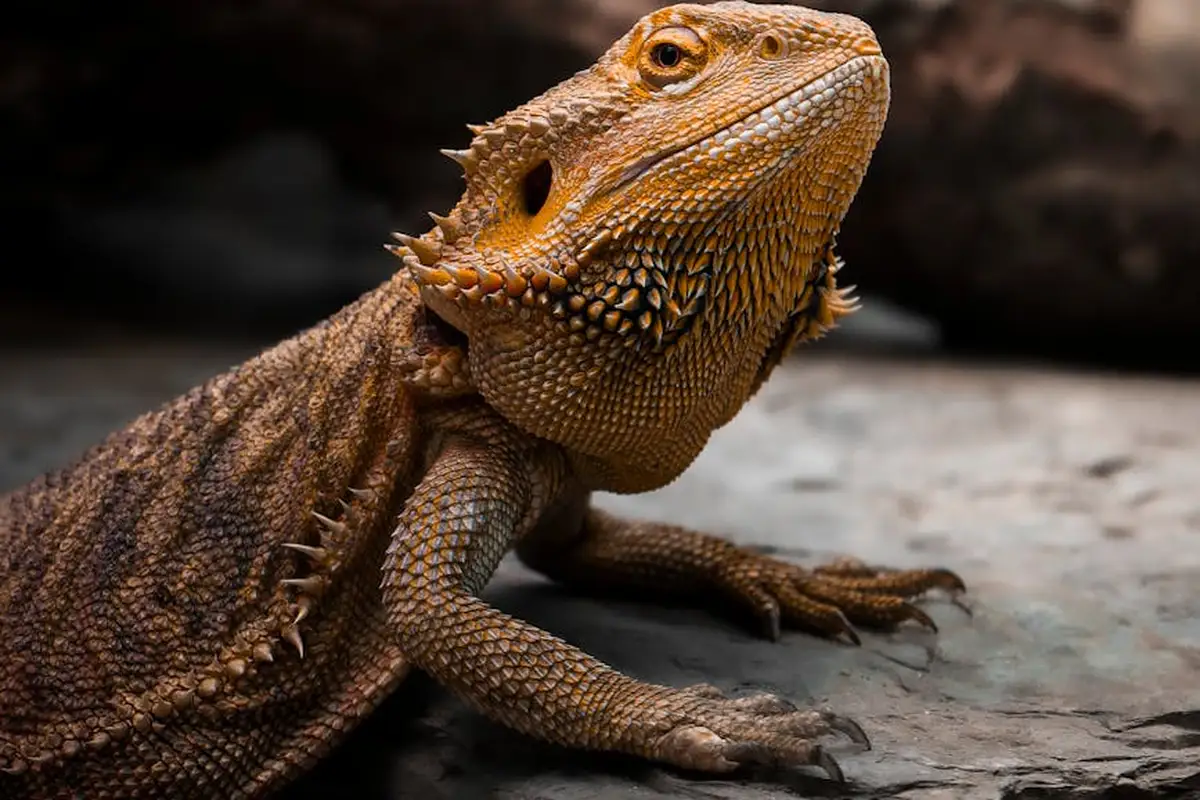
Getting started with morph breeding feels like being a dragon matchmaker. Your first and most critical step is choosing a breeding pair based on their genotype, not just their pretty colors. I learned this the hard way early on. You need to know what genes each dragon carries. If you want to produce a specific morph, like a Hypo Trans, you need to pair dragons that carry both the Hypomelanistic and Translucent genes. A simple Punnett square can predict your potential outcomes. I always keep a small genetics journal for my breeders-it’s a game-changer.
Choosing Your Breeding Pair
- Identify the target morph and the required genes to produce it.
- Select visually healthy adults that are proven to carry those genes (either visibly or as hets).
- Use a genetics calculator to understand the statistical probability of each clutch’s outcome.
- Avoid pairing two dragons with the same recessive hets unless you are specifically trying to prove them out.
Beyond the parents, you must look backward. Understanding your dragons’ lineage is your best defense against genetic bottlenecks, where a limited gene pool weakens the entire bloodline. Bearded dragons reproduce mostly sexually, but rare cases of parthenogenesis in bearded dragons (asexual reproduction) have been documented in captivity. This makes tracking lineage and ensuring diverse, unrelated bloodlines even more important. I once acquired a beautiful male without checking his background, only to find out later he was heavily related to my female. Ask breeders for pedigree information. Reputable ones will provide it. Introducing new, unrelated bloodlines every few generations keeps your animals robust and healthy.
Essential Breeding Setup Husbandry
Even with perfect genetics, success hinges on your setup. The dragons need to be in peak condition. Here’s what I do to get them ready:
- Ensure both the male and female are at a healthy breeding weight-not obese, but well-fed and strong.
- Provide a dedicated breeding enclosure that is large enough to reduce territorial stress.
- Simulate a brief “brumation” period of cooler temperatures and reduced light to trigger breeding cycles.
- After successful mating, set up a lay box for the female filled with a deep, damp sand and soil mixture.
- Have your incubator calibrated and ready to go well before you expect eggs.
Health and Ethics in Bearded Dragon Genetics

This is the part of morph breeding that keeps me up at night. Some of the most stunning morphs come with severe, lifelong health challenges that we must acknowledge. Silkbacks, for example, are bred to have no scales. While they feel incredibly soft, they lack the protective layer scales provide. They are prone to cuts, have difficulty shedding, and often suffer from severe skin dehydration. I love their look, but I made a personal choice never to breed them because of their fragility.
Common Morph-Related Health Issues
- Silkbacks/Witblits: Extremely fragile skin, susceptibility to injury and infection.
- Translucent Morphs: Often have eye issues, including microphthalmia (small eyes) and difficulty seeing.
- Genetic Stripe: Can sometimes be linked to spinal and tail kinks in certain lines.
- Paradox Traits: While visually spectacular, the genetic mechanisms are unstable and not fully understood.
Your responsibility is to screen for these problems. Genetic health screening starts with you, the breeder, making informed choices to avoid pairing animals with known defects. Never breed a dragon with a congenital issue like a kinked spine, no matter how beautiful it is. That trait will likely be passed on and could cause suffering. I always do a full physical exam on any dragon entering my breeding program, looking for any signs of underlying issues.
This leads directly to the core of ethical breeding. Responsible breeding means prioritizing the animal’s welfare over the desire to produce a rare or high-value morph. It means culling humanely if necessary, which is a difficult but essential part of the process. It means being prepared to keep every single baby you produce if you can’t find them a good home. The goal should always be to improve the health and vitality of the species, not just its appearance.
Genetic testing for bearded dragons is still in its early stages. The purpose of current testing is primarily for sex determination and to test for specific known issues like Atadenovirus, not for a full map of morph genes. Its main limitation is that we simply don’t have a test for every desirable or problematic trait yet. Bearded dragons, like many reptiles, can carry bacteria such as Salmonella that can infect humans if proper hygiene isn’t observed. This underlines the need for careful handling and handwashing in addition to genetic testing. This means the breeder’s eye, detailed records, and honest communication within the community are still our most powerful tools.
Frequently Asked Questions
What is the purpose of genetic testing for bearded dragon morphs?
Current genetic testing is primarily used for health screening, such as for Atadenovirus, and for sex determination. It is not yet widely available for identifying specific morph genes, so breeders still rely on proven lineage and visual traits to confirm genetics.
How is a bearded dragon genetics probability chart different from a Punnett square?
A Punnett square is a simple tool for visualizing single-gene crosses, while a probability chart provides a comprehensive statistical breakdown of all possible outcomes for complex pairings involving multiple genes. The chart gives you the exact odds of producing each potential morph combination from a specific pairing.
What are bearded dragons descended from?
All captive bearded dragons (Pogona vitticeps) are descended from wild Australian ancestors. Their original genetics were shaped by natural selection for traits like camouflage and durability, which is a crucial foundation to remember when selectively breeding for color and pattern. It’s important to understand where bearded dragons are originally from when exploring their breeding.
Your Role as a Breeder
Breeding bearded dragons is a journey that blends science with stewardship. Your primary responsibility is always to the health and welfare of the animals in your care. I’ve learned through my own dragons that chasing a specific color or pattern should never come at the cost of an animal’s vitality. To help them thrive, a Thrive Complete Care Checklist can guide you daily. It covers habitat, lighting, diet, and regular health checks to keep your dragons healthy.
Keep detailed records, prioritize robust health over aesthetic extremes, and always have a plan for every hatchling. A successful breeding project isn’t defined by a rare morph, but by producing happy, thriving dragons.
Further Reading & Sources
- r/BeardedDragons on Reddit: Morphs to avoid?
- Bearded Dragon Morphs | FUSION Bearded Dragons
- Breeding Bearded Dragon Morphs – Reptiles Magazine
Bearded Dragon Lair is the ultimate resource for bearded dragon enthusiasts, offering expert advice and practical tips to ensure the health and happiness of your scaly companion. With years of experience in reptile care, we are dedicated to providing accurate, up-to-date information to support your bearded dragon journey.
Breeding Process