Bearded Dragon End-of-Life Care: Recognizing Signs and Making Compassionate Choices
Noticing changes in your bearded dragon’s behavior or health as they age can be a deeply emotional and confusing experience for any pet owner.
Having cared for many bearded dragons through their full lifespans, I want to share my personal experience and knowledge to help you navigate this difficult time with confidence and care.
We will explore the common signs of a bearded dragon’s declining health, discuss how to make thoughtful end-of-life decisions, and provide ways to ensure their comfort.
Recognizing the Common Signs of Decline in Bearded Dragons
Physical Changes to Watch For
Seeing physical changes in your dragon can be the first, and most heart-wrenching, clue that their health is failing. I’ve held my own dragons and felt the difference, a shift from robust and plump to fragile and light. That’s why I keep a bearded dragon overweight-underweight visual guide handy. It helps other owners spot changes at a glance.
- Appetite Loss: A complete refusal of favorite foods, even juicy hornworms or tasty dubia roaches, is a major red flag.
- Significant Weight Loss: You’ll notice a prominent spine and hip bones, and their fat pads on the top of their head may appear sunken and hollow.
- Profound Lethargy: Your dragon may stop basking entirely and remain in one cool spot of the enclosure for days, showing no interest in their surroundings.
- Dehydration: Their skin loses elasticity; a gently pinched fold of skin on their back will not snap back quickly. Sunken eyes are another classic, sad sign of this.
- Muscle Wasting: Their limbs become thin and weak, making it difficult for them to lift their body or walk. You might see them dragging their belly.
From my experience, changes in mobility and breathing are especially telling. A dragon that can no longer climb onto its favorite rock or has a consistently open-mouthed, labored breathing pattern is communicating its distress. Recognizing these stressed spot signs helps you reduce their anxiety by adjusting the enclosure and routine. Simple steps like gentler handling and a consistent basking schedule can make a big difference.
Behavioral Shifts Indicating Terminal Illness
Their personality seems to fade away, which is one of the hardest things for an owner to witness. The vibrant, curious creature you know retreats.
- Withdrawal from Interaction: A dragon that once scrambled to the glass when you approached may now not even open its eyes. They often stop acknowledging your presence.
- Persistent Feeding Refusal: This goes beyond a simple hunger strike. They will turn their head away from food or, in my experience, sometimes just let feeder insects crawl over them without reaction.
- Drastic Activity Reduction: The baseline for “active” drops to zero. No glass surfing, no digging, no head-bobbing or arm-waving. They conserve every bit of energy.
Keeping a simple journal with dates and notes on these behaviors provides your veterinarian with a clear, objective timeline that is invaluable for making a diagnosis. It helps remove the emotion from the facts when you need clarity most.
Understanding Bearded Dragon Aging and Lifecycle Expectations
Typical Life Expectancy and Aging Process
Knowing what is normal for an aging dragon helps you separate the natural slowing down from a serious health crisis. With excellent care, these are robust animals. By consulting a bearded dragon age guide to determine age and life stage, you can tailor care to each phase. Knowing whether your dragon is a juvenile, subadult, or adult helps guide diet, lighting, and enrichment as they age.
- Average Lifespan: In captivity, a well-cared-for bearded dragon typically lives between 8 to 12 years. Some exceptional individuals even reach 14 years or more.
- Factors Influencing Longevity: Consistent, proper UVB lighting, a balanced diet, a spacious and clean enclosure, and proactive veterinary care are the biggest factors. Genetics also play a undeniable role.
- Lifecycle Stages: They grow rapidly from a fragile juvenile to a sturdy adult in about 18 months. Their “senior” years generally begin around age 6 or 7, marked by a gradual decrease in activity and appetite.
I’ve found that senior dragons require more attentive spot-cleaning and often appreciate slightly lower basking temperatures as their metabolism changes. It’s a gentle shift in their care routine.
What to Expect in the Final Stages
This period is about providing comfort and dignity. The progression can be slow or surprisingly swift, which is why monitoring is so critical.
- Timeline for Decline: There is no set schedule. A dragon with a fast-growing illness may decline over a week, while one with age-related organ failure may have a slower, more gradual decline over several weeks or even months.
- Symptom Progression: It often starts with lethargy and appetite loss, progressing to significant weight loss and weakness, and culminates in an inability to move or hold their head up.
Many owners quietly ask how long it takes for a bearded dragon to die naturally, and the answer is deeply variable. A peaceful, natural passing can sometimes take days, during which the dragon slips into a state of non-responsiveness. This is when your role shifts entirely to a guardian of their comfort, ensuring they are warm, clean, and free from pain. If your bearded dragon is normally active but becomes less active, seek veterinary advice promptly. Inactivity can be a sign of illness and warrants professional assessment. For more information, check out this inactive bearded dragon advice.
Implementing Palliative and Hospice Care for Comfort
Comfort Measures and Environment Management
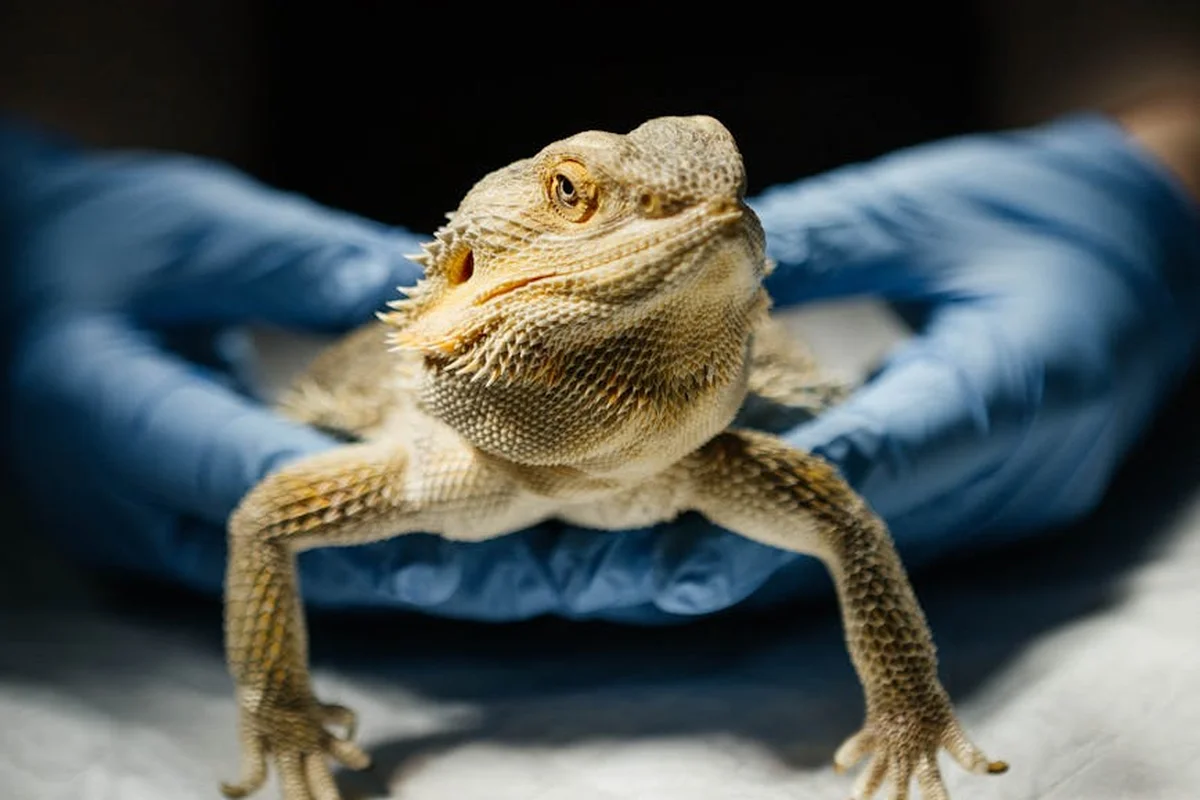
When your dragon’s focus shifts from thriving to comfort, their habitat needs to transform with them. Your primary goal is to create a peaceful, low-stress sanctuary that minimizes their effort and maximizes their ease. I’ve rearranged many tanks in my time to serve this exact purpose, and these small changes make a world of difference. In a proper bearded dragon tank setup, essential equipment, décor, and safety are the foundation of that comfort. This short guide highlights what to choose and how to position it to keep your dragon thriving.
- Lower the basking spot temperature slightly. An older or ill dragon cannot regulate their temperature as efficiently. Aim for the cooler end of their ideal range to prevent overheating and dehydration.
- Provide flat, easily accessible basking platforms. Jumping onto tall decor is now a fall risk. Use low, ramped platforms or flat rocks they can walk onto without climbing.
- Switch to a softer substrate. Paper towel is your best friend here. It’s soft, clean, and you can monitor for any concerning discharges easily.
- Minimize handling to only what is necessary for care. Gentle support is key; let them rest in your cupped hands rather than moving them around. Pay close attention to their body language-if they tense up or try to get away, it’s time to stop.
- For hydration, offer water via a small syringe dripped gently on their snout if they are not drinking on their own. A shallow, warm bath can also encourage drinking and soothe stiff joints, but never leave a weak dragon unattended in water.
- For nutritional support, blend their favorite greens with a bit of water or reptile-specific critical care formula into a smooth, thin slurry. Use a plastic syringe (without the needle) to offer small amounts directly to their mouth, going very slowly to prevent aspiration.
Pain Management and Veterinary Support
Recognizing pain in reptiles is subtle; they are masters of hiding weakness. Signs include lack of movement, refusing favorite foods, flinching when touched, or a constant, dark stress coloration. Sometimes, these symptoms can be indicative of an underlying health issue, so it’s important to recognize the physical signs and symptoms that differentiate a healthy bearded dragon from a sick one. Never attempt to medicate your bearded dragon without direct instruction from a reptile veterinarian. I’ve seen well-meaning owners cause harm with incorrect dosages of human medications.
- Your vet may prescribe anti-inflammatory pain relievers like Meloxicam, which can be given orally to reduce swelling and discomfort.
- For severe pain, stronger opioid-based medications may be an option that your vet can administer or prescribe.
- Supportive care, such as fluid therapy for dehydration or antibiotics for secondary infections, falls under palliative care and can significantly improve comfort.
- The core of palliative care is not about curing, but about controlling symptoms. A good day in palliative care is one where your dragon is resting comfortably, shows no obvious signs of distress, and might even show a flicker of interest in their surroundings.
Assessing Quality of Life and Making the Euthanasia Decision
Using Quality-of-Life Assessment Tools
Making an emotional decision requires objective tools. I use a simple daily checklist to track the good moments against the bad. If the bad days consistently outnumber the good, it’s a clear signal that their welfare is declining. Ask yourself these questions each day:
- Does they eat or drink anything voluntarily, even a single bite?
- Can they move to their basking spot and water dish on their own, or are they stuck in one place?
- Do they have more than one or two painful episodes (like gasping, flinching) during the day?
- Do they still exhibit any normal behaviors, like arm-waving, head-bobbing, or simply watching you?
- Are they able to rest comfortably, or do they seem restless and unable to get settled?
Ethical Considerations and Decision-Making Process
This is the hardest part of pet ownership. You must separate your own desire for more time from your dragon’s experience of suffering. The most compassionate choice is often the one that prevents future pain, even if it brings our own grief forward. Be brutally honest with yourself about what your dragon is going through.
- Weigh the progression of their terminal illness. Are their symptoms manageable, or are they getting worse despite all interventions?
- Consider their ability to experience any joy or comfort. A life consisting only of force-feedings and medication is not a quality life.
- Your veterinarian is your most crucial partner here. They can provide a medical prognosis that removes the guesswork and helps you understand if you are prolonging life or prolonging suffering. Trust their clinical judgment.
Practical Steps for End-of-Life Care and Planning
Daily Care Routines and Monitoring
Consistency and gentle observation become your new routine. Keep a small notebook by the tank to jot down food intake, water, bowel movements, and overall demeanor-this log is invaluable for your vet. A structured daily plan helps you feel in control during an emotionally chaotic time.
- Morning: Check on your dragon. Offer a syringe of water. Spot-clean the tank and replace soiled paper towels.
- Midday: Offer a small amount of slurried food. Assist them to the basking spot if needed, ensuring they are warm but not overheating.
- Evening: Check their posture and breathing. Offer another sip of water. Ensure their overnight temperatures are stable and not too cool.
- Seek urgent veterinary help if you see labored breathing, seizures, signs of a prolapse, or if your dragon becomes completely unresponsive.
Logistical and Emotional Preparation
Thinking about the end before it happens is not morbid; it’s responsible. It allows you to be fully present for your dragon when the time comes instead of scrambling with decisions. Knowing your aftercare options in advance removes a significant burden during a moment of profound grief.
- Research aftercare services beforehand. Options include individual cremation (with or without ashes returned), communal cremation, or burial if local laws permit.
- Have a small, sturdy box and a soft towel set aside. This provides a dignified and gentle way to transport your dragon to the vet for aftercare.
- Understand that grief is a natural and valid response. Allow yourself to feel it without judgment, and don’t hesitate to lean on understanding friends, family, or pet loss support groups. Your love for your animal is what makes this so hard, and that love is a beautiful thing.
Frequently Asked Questions
How long should a bearded dragon live?
With proper care, including a balanced diet and appropriate habitat, bearded dragons typically live 8 to 12 years in captivity, though some may reach up to 14 years or more. In the wild, lifespans are often shorter due to predators and environmental hazards. In captivity, good husbandry and a safe, enriched environment can help maximize lifespan.
What happens when a bearded dragon dies?
When a bearded dragon dies, it will show no signs of breathing or movement, its body may become stiff due to rigor mortis, and its eyes may remain open or appear sunken. It’s important to distinguish these signs from garbled health issues that might indicate that your pet is dying but not yet dead.
How long does it take for a bearded dragon to die?
The duration varies based on the cause, but a natural decline from illness or old age can take anywhere from a few days to several weeks, with the dragon becoming increasingly unresponsive. Brumation is a normal seasonal process for many bearded dragons and can last several weeks to a couple of months. For more information on this, check out the article on how long does brumation last. If the dragon remains unresponsive beyond the typical brumation period or shows concerning signs, you should consult a reptile vet.
Final Thoughts
Watching a beloved bearded dragon near the end of its life is one of the most challenging parts of being a reptile keeper. Trust the bond you’ve built; you know your dragon better than anyone, and your love for them is the very guide you need. To get your bearded dragon to like you, practice calm, predictable handling and a gentle routine. That trust will carry you through difficult times. The most profound act of care we can offer is to prioritize their comfort and dignity above our own desire to keep them with us.
My own experience has taught me that end-of-life care is about compassion. Focus on recognizing the subtle signs of suffering and making the selfless decision that ends their pain, not yours. You are their entire world, and your final gift to them is a peaceful and gentle passing.
Further Reading & Sources
- End of life? | Beardie ER
- How To Tell If Your Bearded Dragon Is Dying (Early Signs)
- Dead Or Dying Bearded Dragon
Bearded Dragon Lair is the ultimate resource for bearded dragon enthusiasts, offering expert advice and practical tips to ensure the health and happiness of your scaly companion. With years of experience in reptile care, we are dedicated to providing accurate, up-to-date information to support your bearded dragon journey.
Uncategorized