Can Bearded Dragons Eat Nuts? The Truth About Almonds, Peanuts & Walnuts
Published on: January 27, 2026 | Last Updated: January 27, 2026
Written By: Beardie Joe
You’re probably wondering if that handful of nuts is a safe snack to share with your scaly friend.
As a longtime bearded dragon owner with a passion for reptile care, I’ve learned what keeps them thriving, and I’m here to give you the straight facts.
We’ll cover why almonds, peanuts, and walnuts are problematic and highlight the healthier foods your dragon will truly love.
The Quick and Clear Answer on Bearded Dragons and Nuts
No, bearded dragons should not eat nuts. I never offer them to my own dragons, and after years of caring for them, I stand by this rule. While a tiny piece of a nut might not cause an immediate crisis, there is absolutely no nutritional benefit that makes the risk worthwhile. Nuts pose multiple, serious health hazards to your bearded dragon that far outweigh any potential upside. It’s one of those areas where it’s just easier and safer to say a firm “no.” For a safe, balanced diet, lean on the fruits and vegetables bearded dragons can eat. Our ultimate safe food list covers exactly which produce is OK.
Understanding the Nutritional Dangers in Nuts
To understand why nuts are so problematic, you need to look at what’s inside them. Their nutritional profile is a perfect storm of issues for a reptile’s delicate system.
1. The Calcium to Phosphorus Imbalance
This is the single biggest reason to avoid nuts. Bearded dragons require a diet where calcium is at least twice as abundant as phosphorus. Nuts do the exact opposite. For a complete, safe feeding guide on the fruits bearded dragons eat, learn which fruits fit into that calcium-rich plan and how often to feed them. This guide also covers safe fruit options and portion sizes.
- They are extremely high in phosphorus.
- They contain very little usable calcium.
- When phosphorus levels are too high, it binds with calcium in your dragon’s gut.
- This prevents the calcium from being absorbed into their bloodstream.
This calcium deficiency can quickly lead to Metabolic Bone Disease (MBD), a painful and debilitating condition that softens and deforms their bones. I’ve seen dragons with MBD, and it’s heartbreaking-they struggle to walk, lift their bodies, or even eat. It’s entirely preventable with the right diet.
2. Extremely High Fat Content
Bearded dragons are not built to process high levels of fat. In the wild, their diet is naturally very lean.
- Nuts like walnuts and almonds are packed with fats.
- Regular consumption can lead to rapid weight gain and obesity.
- This puts immense strain on their liver, potentially causing fatty liver disease.
- A fat dragon is not a cute dragon; it’s an unhealthy one facing a shortened lifespan.
That rich, fatty content that humans enjoy is a direct ticket to serious health problems for your pet.
3. Choking Hazard and Digestive Blockage
Even if the nutritional profile was better, the physical form of nuts is a major problem.
- Nuts are hard and difficult to chew.
- Their size and shape are a significant choking risk.
- They are not easily broken down in the digestive tract.
- This can lead to a dangerous condition called impaction, where their gut becomes blocked.
Impaction is a life-threatening emergency that often requires urgent veterinary surgery. It’s a risk I am never willing to take with my animals.
4. Potential for Toxins and Additives
Many nuts available to us are processed in ways that make them even more dangerous.
- Salt: Salted nuts can cause severe dehydration and kidney damage.
- Oils and Seasonings: Garlic, onion powder, or other flavorings are toxic to reptiles.
- Aflatoxins: Nuts can sometimes harbor mold that produces these natural poisons, which are particularly harmful to a small animal’s liver.
It’s simply impossible to guarantee that a nut is a safe, plain, and pure item for your dragon to consume.
Summary of Key Risks
| Risk Factor | Consequence for Your Beardie |
|---|---|
| High Phosphorus | Binds calcium, leading to Metabolic Bone Disease |
| High Fat | Obesity and life-threatening fatty liver disease |
| Hard, Indigestible | Choking hazard and fatal gut impaction |
| Additives (Salt, Seasonings) | Toxicity, kidney failure, and dehydration |
A Deep Dive into Specific Nuts and Their Risks
Why Almonds Are a Problem for Bearded Dragons
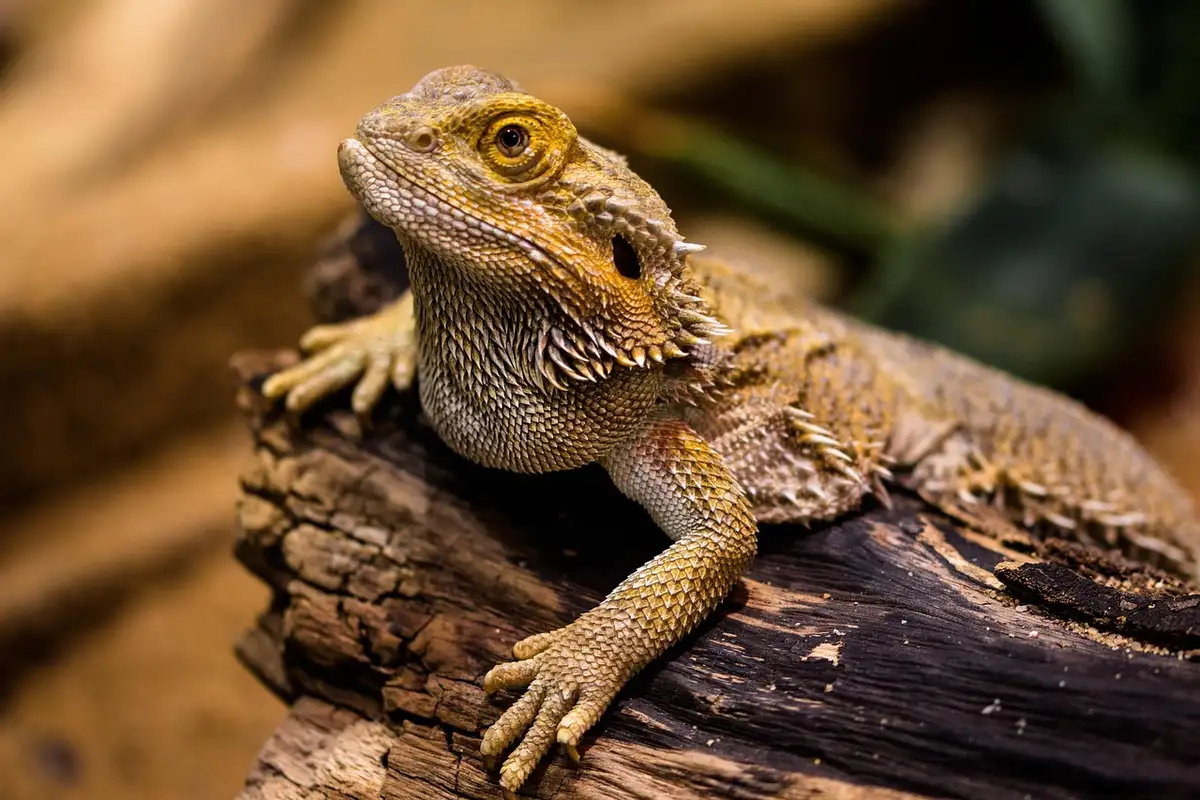
I see almonds suggested online sometimes, and it always makes me cringe. While they are a healthy snack for us, they are all wrong for a bearded dragon’s body. The primary issue is their high phosphorus content. Almonds contain a significant amount of phosphorus, which binds to calcium and prevents your dragon from absorbing it. This directly fights against all the effort we put into dusting their insects with calcium powder.
Beyond that, almonds are very hard and dense. They are a serious choking hazard and can be difficult for your beardie to digest, potentially leading to a gut impaction. I’ve cared for a rescue dragon that came to me impacted from an improper diet, and it’s a stressful, expensive, and entirely preventable situation. Fruits bearded dragons eat should be chosen carefully and fed in moderation. For a quick guide, here’s a complete safe/unsafe list of fruits they can eat.
The Truth About Peanuts and Your Beardie
Let’s be clear: peanuts are not a safe treat. They are actually legumes, not true nuts, but they share many of the same dangerous traits for reptiles. Peanuts are dangerously high in fat, which can quickly lead to obesity and liver problems in your sedentary pet. A fat bearded dragon is not a cute one; it’s an unhealthy one with a shortened lifespan.
Their size and shape also make them a major impaction risk. They can easily get lodged in your dragon’s throat or digestive tract. Furthermore, peanuts are often sold salted or flavored, and any added seasonings are toxic to reptiles. It’s just not worth the risk.
Walnuts and Other Tree Nuts to Avoid
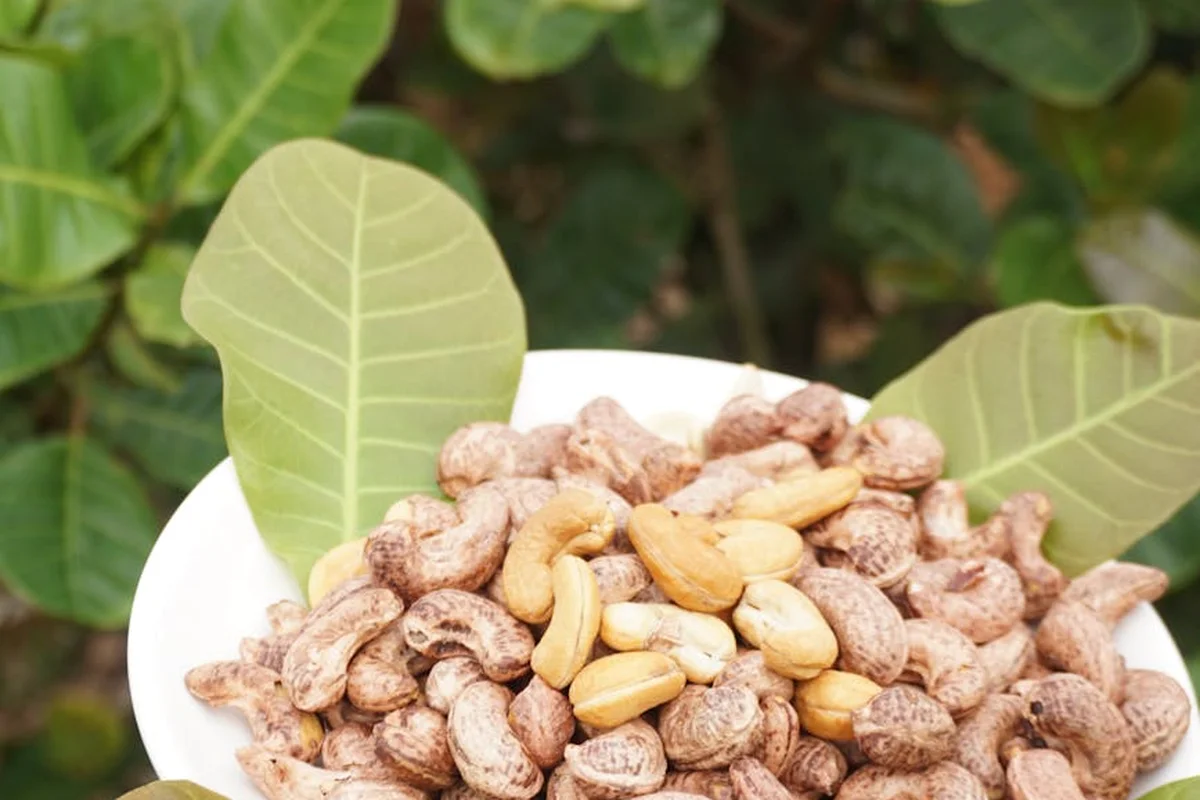
The problems with almonds and peanuts apply to virtually all tree nuts, including walnuts, pecans, and cashews. Walnuts, for instance, have one of the worst calcium-to-phosphorus ratios, making them particularly effective at depleting your dragon’s calcium levels. This imbalance is a direct fast track to Metabolic Bone Disease (MBD), a devastating and painful condition that causes deformities and weakness.
All tree nuts share these common deal-breakers:
- Poor Calcium-to-Phosphorus Ratio
- High Fat Content
- Impaction Risk from Hardness
- Potential for Toxic Mold (Aflatoxin)
Recognizing the Health Risks and Symptoms
Feeding nuts, even just once, can trigger a health crisis. It’s vital to know what to look for so you can act fast. The first signs of trouble are often lethargy and a lack of appetite-your dragon may seem unusually tired and refuse their favorite bugs or greens.
If an impaction occurs, the symptoms become more severe. You need to contact your reptile vet immediately if you see any of these signs after a suspected nut ingestion:
- Straining or inability to pass stool
- A noticeable lump in their abdomen
- Leg tremors or weakness (a sign of calcium deficiency)
- Refusing all food and water
- Regurgitation
The long-term risk of feeding nuts is Metabolic Bone Disease. MBD develops over time from a chronic lack of usable calcium, causing their bones to become soft and rubbery. I’ve seen dragons with MBD who can no longer walk properly or even lift their own bodies. It’s a heartbreaking outcome for an animal that depends entirely on our informed care.
Safe and Healthy Treat Alternatives to Nuts
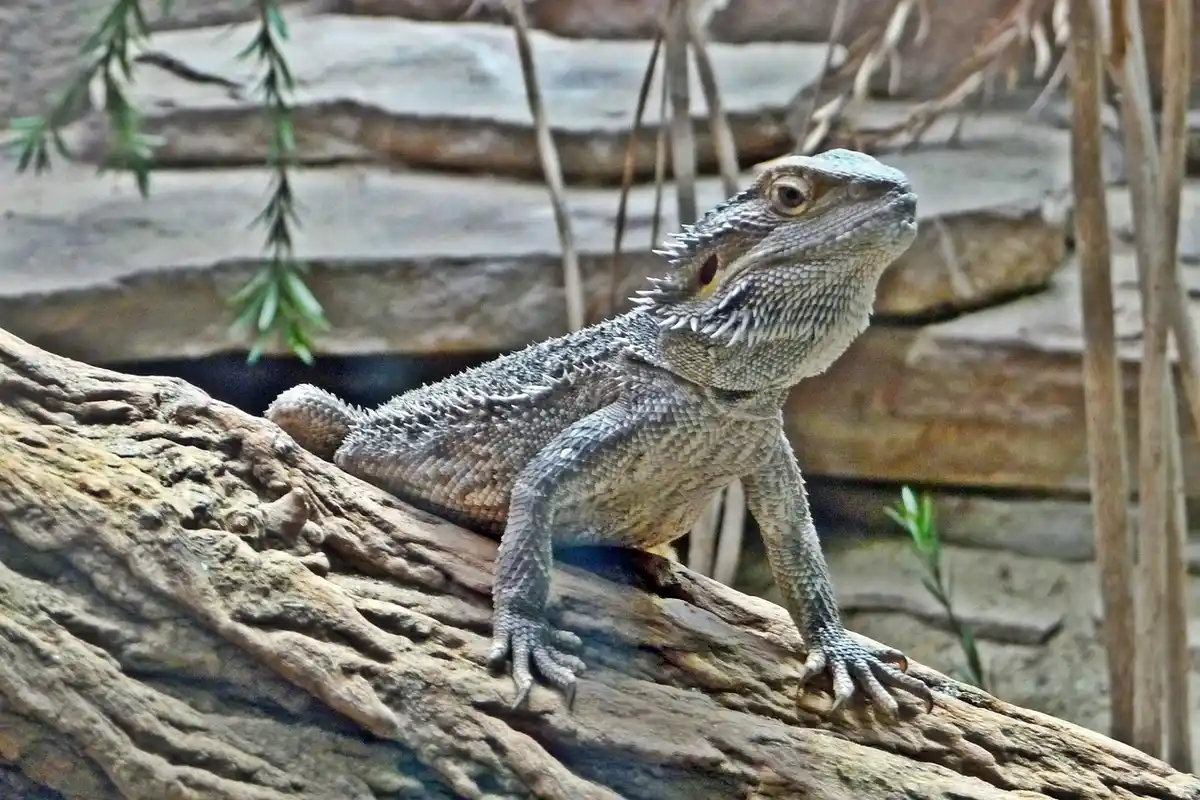
Seeing that long list of “no’s” for nuts can feel a little disappointing. I’ve been there, wanting to give my dragons something special. The good news is there is a whole world of delicious and nutritious treats your bearded dragon can safely enjoy. These options provide the excitement of a new food without the health risks. This is exactly what a bearded dragon complete guide on safe foods covers. It breaks down safe options to keep your dragon happy and healthy.
Excellent Staple Vegetables
These should form the bedrock of your dragon’s salad. They are reliable, safe, and packed with good nutrients.
- Collard, Mustard, and Dandelion Greens
- Butternut Squash (shredded)
- Acorn Squash
- Green Beans
- Bell Peppers (all colors)
Fantastic Occasional Treats
I like to think of these as the “weekend special” for my crew. They add a pop of color and flavor but should be given in moderation.
- Blueberries (a dragon favorite in my house!)
- Raspberries
- Mango (pitted and chopped)
- Papaya
- Watermelon (a hydrating summer snack)
Live Insect Treats
For a protein-packed treat that satisfies their hunting instinct, nothing beats these. Rotating through different feeder insects provides mental stimulation and a wider range of nutrients.
- Hornworms (great for hydration)
- Silkworms
- Butterworms (use sparingly)
- Phoenix Worms (Black Soldier Fly Larvae)
Feeding Guidelines for a Balanced Bearded Dragon Diet
Getting the diet right is the single most important thing you can do for your bearded dragon’s long-term health. I’ve learned through years of trial, error, and consultation with exotic vets that balance is everything. A proper diet changes significantly as your bearded dragon grows from a hungry juvenile into a mature adult. If you’re wondering, ‘Should I feed my bearded dragon daily?’, a complete feeding guide can help. It outlines daily portions, what to feed, and how to adjust as your dragon grows.
Juvenile Bearded Dragons (Under 12 Months)
Babies are growing machines. They need a lot of protein to support their rapid development. Their diet should be heavily skewed towards insects.
- Offer live insects 2-3 times per day.
- Let them eat as many appropriately-sized insects as they can in a 10-15 minute period.
- Provide a fresh salad of chopped greens and vegetables daily, even if they mostly ignore it at first.
- Their diet should be roughly 80% insects and 20% plant matter.
Adult Bearded Dragons (Over 18 Months)
Adults have very different needs. Their growth has slowed, and too much protein can lead to obesity and kidney problems. We need to flip the diet ratio.
- Offer a large, varied salad of greens and vegetables every single day.
- Provide live insects only once a day, or every other day.
- A good rule is to offer a portion of insects no larger than the space between their eyes.
- Their diet should be roughly 20% insects and 80% plant matter.
Essential Supplementation
Even the perfect diet needs a little help to be complete. In captivity, they can’t get everything they need from food alone.
- Calcium with D3: Lightly dust their insect meals with this powder 4-5 times a week. This is non-negotiable for preventing Metabolic Bone Disease, a common and devastating illness.
- Multivitamin: Use a reptile-specific multivitamin to dust insects 1-2 times a week. This fills any nutritional gaps.
A Simple Feeding Schedule
Here is a sample weekly schedule I’ve used successfully for my adult dragons. Adjust insect days based on your individual dragon’s body condition. For more details, check out how often to feed bearded dragons for a complete feeding schedule.
| Day | Salad | Insects | Supplement |
|---|---|---|---|
| Monday | Yes | Yes | Calcium |
| Tuesday | Yes | No | None |
| Wednesday | Yes | Yes | Multivitamin |
| Thursday | Yes | No | None |
| Friday | Yes | Yes | Calcium |
| Saturday | Yes | No | None |
| Sunday | Yes | Yes | Calcium |
Frequently Asked Questions
Can bearded dragons eat pecans?
No, pecans are unsafe for bearded dragons due to their high phosphorus content and fat levels, which can lead to metabolic bone disease and obesity, similar to avocado in bearded dragons.
Can bearded dragons eat cashews?
No, cashews should be avoided as they share the same risks as other nuts, including an imbalanced calcium-phosphorus ratio and potential for digestive impaction.
Is nasturtium safe for bearded dragons to eat?
Yes, nasturtium leaves and flowers are non-toxic and can be offered as an occasional treat, but they should not replace staple greens in their diet.
Final Thoughts
To put it plainly, nuts of any kind-almonds, peanuts, walnuts-are a firm no for your bearded dragon. They are a significant digestive hazard and offer no nutritional benefit to your scaled friend. From my own experience, sticking to their natural, veggie and insect-based diet is what truly keeps them healthy and vibrant. Bearded dragons’ favorites usually include leafy greens and other safe veggies, plus a steady supply of insects. They also enjoy occasional soft fruits in moderation.
Your dragon will thrive on simpler, safer foods. Focus on providing a variety of gut-loaded insects and fresh, leafy greens instead. This straightforward approach ensures your pet gets all the nutrients they need without the risks that come with unsuitable human snacks. Know which greens are safe to use for your dragon’s diet.
Further Reading & Sources
- Can Bearded Dragons Eat Nuts? Vet-Reviewed Health Risks & Safety Guide | Hepper Pet Resources
- Can Bearded Dragons Eat Nuts – onlinebeardeddragoncare.com
- Can Bearded Dragons Eat Nuts? (What You Must Know)
Bearded Dragon Lair is the ultimate resource for bearded dragon enthusiasts, offering expert advice and practical tips to ensure the health and happiness of your scaly companion. With years of experience in reptile care, we are dedicated to providing accurate, up-to-date information to support your bearded dragon journey.
Feeding Guidelines