Why Is My Bearded Dragon Glass Surfing? (And How to Stop It)
Published on: February 17, 2026 | Last Updated: February 17, 2026
Written By: Beardie Joe
If you’ve seen your bearded dragon repeatedly scratching or sliding against the glass of its enclosure, you’re likely feeling a mix of confusion and concern for your pet.
I’ve cared for many bearded dragons over the years and have dealt with this exact issue, so I can help you figure out what’s really going on.
We’ll look at the common reasons behind this behavior and I’ll give you clear, effective steps to make your dragon’s home more comfortable and secure.
What Is Bearded Dragon Glass Surfing?
If you’ve ever seen your bearded dragon frantically scratching at the glass of its terrarium, pawing at the corners, or sliding along the side panels, you’ve witnessed glass surfing. It looks like a desperate attempt to escape, and in a way, it is. This behavior is a clear sign of stress or discomfort, and it’s your dragon’s primary way of telling you that something in its world is off. Understanding why it happens is the first step toward finding solutions. In practice, adjusting enclosure conditions—like temperature, UVB exposure, humidity, space, and enrichment—can reduce stress and stop glass surfing.
From my own experience with my beardie, Jasper, it’s a heart-wrenching sight. It’s not playful exploration; the body language is frantic. You’ll see flattened bodies, intense focus on the glass, and relentless pacing. Recognizing this distinction is the first step in helping your pet feel safe and secure again. Watching for stressed spot signs—such as a darkened beard, tucked limbs, or glassy eyes—lets you intervene to reduce their anxiety.
Common Causes of Glass Surfing Behavior
Figuring out the “why” is the key to solving the problem. The cause is almost always rooted in their environment, health, or instincts.
Environmental Stress Factors
Your dragon’s tank is its entire universe. When that universe is out of balance, they protest by glass surfing.
- An Improperly Sized Tank: An enclosure that’s too small is a top culprit. Adult bearded dragons need a 120-gallon tank as a minimum. I learned this the hard way with my first dragon; upgrading his space stopped the surfing almost overnight.
- Incorrect Temperature Gradients: Beardies need a hot basking spot (95-110°F) and a cooler zone (75-85°F). If the whole tank is too hot or too cold, they’ll surf trying to find that perfect spot.
- Inadequate UVB Lighting: UVB is non-negotiable for their health. Without a strong, recently replaced UVB tube light, they can develop metabolic bone disease and become restless.
- Reflections and Perceived Threats: They see their own reflection and think it’s a rival dragon. Placing the tank in a high-traffic area can also make them feel constantly on display and stressed.
Health and Discomfort Triggers
Sometimes, the issue is internal. Discomfort or pain will make any animal try to flee its surroundings.
- Parasites: Internal parasites cause bloating, discomfort, and general malaise, leading to restless behavior like surfing.
- Impaction: This is a serious, life-threatening bowel blockage often caused by loose substrate or food that’s too large. If your dragon is glass surfing, not pooping, and lethargic, a vet visit is urgent.
- Shedding Itchiness: The shedding process is incredibly itchy. You might see them rubbing against everything, including the glass, to help loosen that old skin.
- Respiratory Infections: Labored breathing from an infection can cause panic and frantic behavior as they struggle for air.
Behavioral and Social Causes
These triggers are all about their natural instincts and daily routine.
- Breeding Season Hormones: During spring, hormones rage. Males, and sometimes females, become hyper-aware of their surroundings, often glass surfing due to a surge in territorial and mating instincts.
- Boredom and Lack of Enrichment: A bare tank is a boring tank. They are intelligent creatures that need logs to climb, rocks to bask on, and safe items to investigate.
- Seeing Another Bearded Dragon: Housing two dragons in separate tanks where they can see each other is a massive stressor. They will constantly glass surf in a territorial display.
- Desire for Exploration: Sometimes, after a period of handling and exploring outside the tank, they simply want out for more adventure. This is usually a less frantic, more occasional surfing.
Immediate Steps to Stop Glass Surfing
Adjust the Habitat Quickly
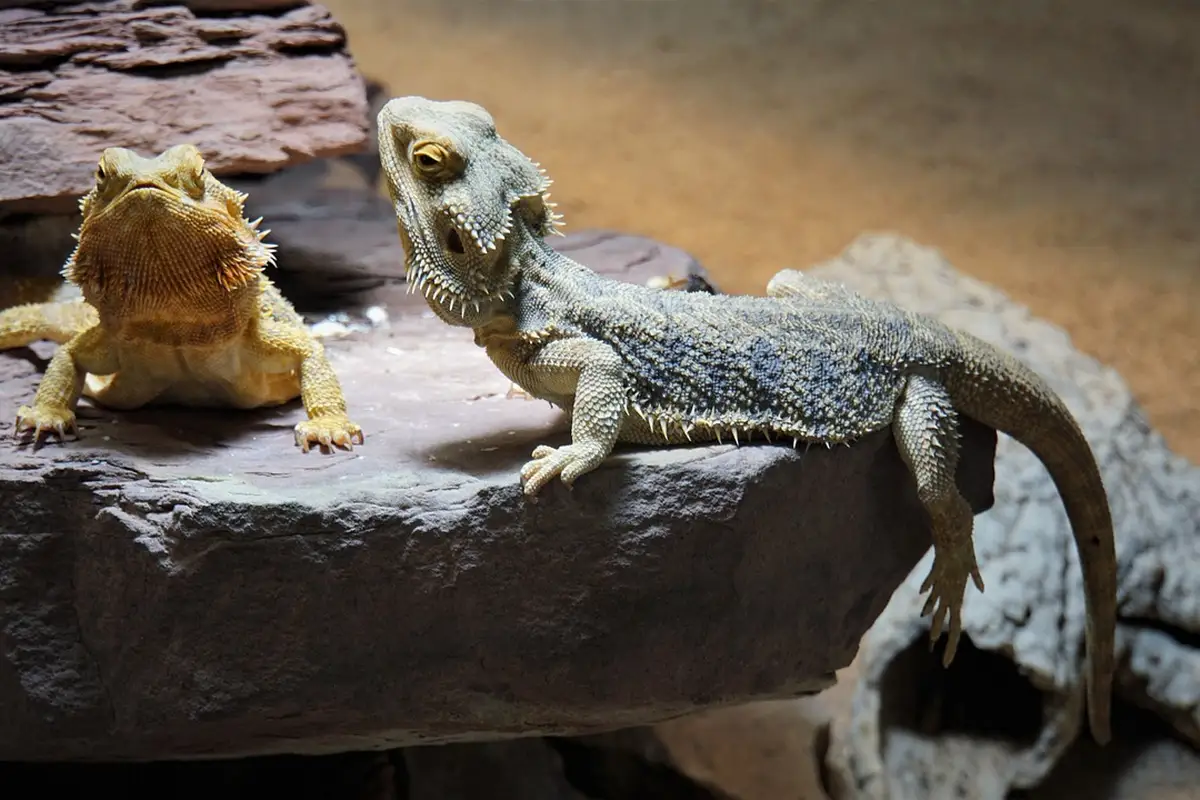
When you see that frantic scratching, your first move should be to check the habitat’s core settings. Grab your thermometer and check the basking spot temperature right away; it should be between 95-110°F for an adult. I’ve found that a temperature that’s just a few degrees off can trigger this anxious behavior instantly.
Next, look at the UVB light. Is it older than six months? If so, its output has faded, even if the bulb still looks bright. A weak UVB bulb can cause a deep, restless discomfort. Providing immediate relief often starts with correcting these two fundamental elements: heat and UVB light.
Also, take a quick glance around the room. A new pet, a busy window, or even your own reflection can be seen as a threat. Simply moving the enclosure or covering three sides with a background can create an instant sense of security. I’ve used simple poster board for this in a pinch, and it works wonders.
Offer Distraction and Comfort
Sometimes, your dragon just needs a change of scene and your presence. Gently take them out for some supervised handling. Let them climb on you or sit on your shoulder; the change in perspective and your body heat can be incredibly calming. This is my go-to method for my own beardie, Bilbo, when he gets worked up. This approach is a common tip in a calm stressed bearded dragon guide for de-stressing your pet. Short, gentle sessions help maintain calm and prevent overstimulation.
If handling isn’t an option, try a quick distraction inside the tank.
- Offer a favorite treat by hand, like a piece of raspberry or a wiggling hornworm.
- Dangle a new, reptile-safe item for them to investigate, like a crumpled paper ball.
- Rearrange a couple of their tank decorations to create a novel environment.
A short, five-minute “play session” can completely reset their mood and break the glass surfing cycle. It shows them there’s a more interesting world beyond the glass.
Long-Term Habitat Improvements to Prevent Glass Surfing
Optimize Enclosure Setup
A proper home is your best defense against chronic stress. The single most important upgrade you can make is ensuring the enclosure is large enough; a 120-gallon tank is the modern standard for an adult bearded dragon. I upgraded my tanks years ago and saw a dramatic drop in restless behaviors. A bearded dragon tank setup guide emphasizes essential equipment, decor, and safety, all of which help keep your dragon healthy and stress-free. With the right heat, UV lighting, secure hides, and non-toxic decor, you’re setting the stage for long-term well-being.
Your setup needs to create a perfect gradient from a hot, bright basking area to a cool, shaded hide.
- Basking Zone: A solid, flat rock or branch directly under the heat lamp.
- Cool Zone: The opposite end of the tank, with a hide and no direct light.
- UVB Lighting: A long, tube-style UVB light that covers at least half the tank’s length, positioned over the basking area.
Investing in a high-quality digital thermostat and timer for your lights creates a stable, predictable day/night cycle that your dragon can trust. This consistency is key to their long-term well-being. In a bearded dragon nighttime care guide, you’ll learn how to manage heating and lighting to keep night temperatures safe and steady. Proper temperature management at night supports digestion, sleep, and overall health.
Enhance Mental Stimulation
A bored dragon is a stressed dragon. Think of their tank not just as a house, but as a playground. You need to create an enriching environment that encourages natural behaviors like climbing, digging, and exploring. Bearded dragon enrichment ideas like these help prevent boredom and stress. They also encourage natural behaviors and curiosity. I rotate my dragons’ toys and decor every few weeks to keep things fresh.
Here are some of the best ways to enrich their lives long-term:
- Climbing Structures: Use sturdy branches, ramps, and reptile hammocks at different heights.
- Digging Box: Provide a deep dish or corner filled with sterilized play sand or a soil/sand mix for burrowing.
- Foraging Opportunities: Hide their salad greens in different spots or use a puzzle feeder for bugs.
- Safe Outdoor Time: On warm, sunny days, a harness and leash allow for safe, supervised exploration of real sunlight and new smells.
Regular, scheduled time outside the enclosure is not a luxury-it’s a vital part of their mental health. It satisfies their innate curiosity and prevents the feeling of being trapped that leads to glass surfing.
When to Consult a Veterinarian
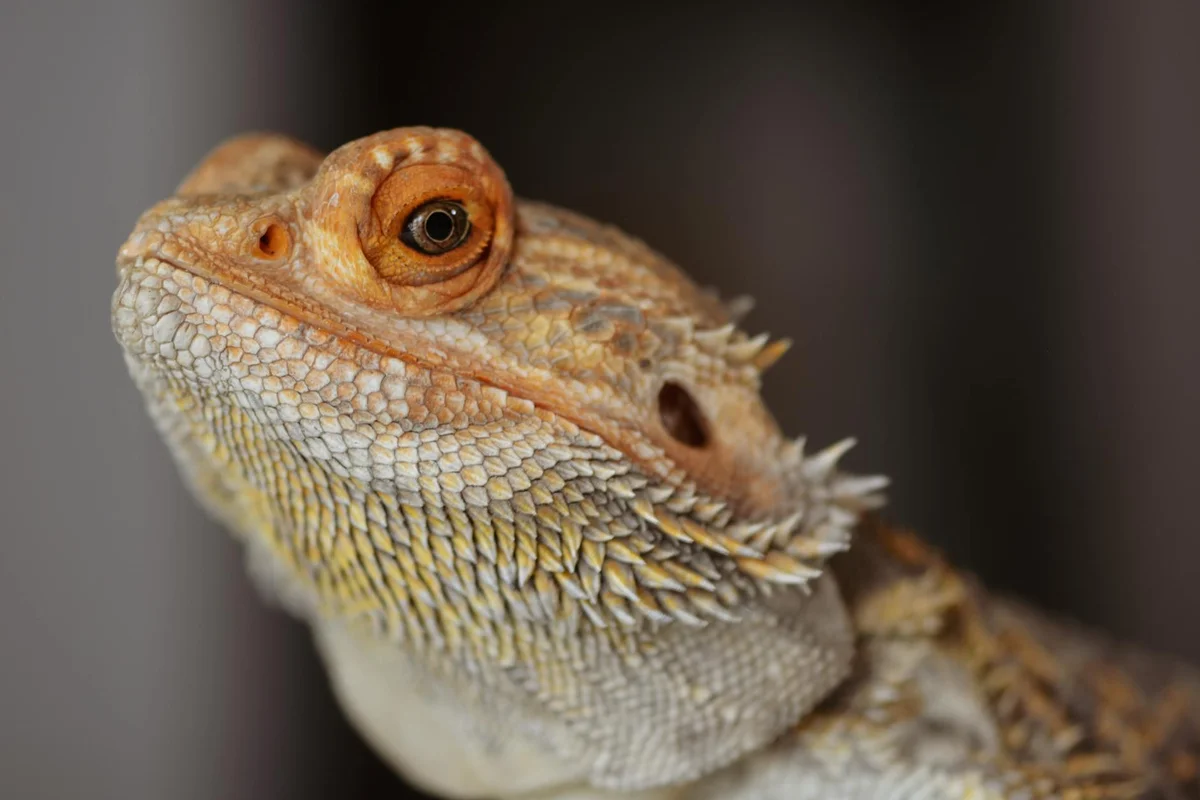
While a lot of glass surfing is behavioral, it can sometimes be your dragon’s only way of telling you something is medically wrong. If your beardie starts glass surfing alongside any of these signs, it’s time to book a vet appointment. I’ve learned from my own pets that ignoring these can lead to bigger problems.
Signs That Signal a Vet Visit
- Persistent surfing with other symptoms: If the frantic scratching is paired with lethargy, a lack of appetite, or weight loss, don’t wait it out.
- Changes in droppings: Look for consistently runny poop, blood in the stool, or a complete absence of droppings for several days.
- Visible physical distress: Swollen joints, bumps on the body, or trouble moving properly are all red flags.
- Pacing that doesn’t stop: When you’ve addressed all the environmental factors and the behavior continues for days without pause, a professional should rule out pain or neurological issues.
- Black beard for extended periods: A beard that stays dark for hours, especially when combined with surfing, signals major stress or discomfort.
Trust your gut; you know your scaly friend better than anyone. A quick check-up can give you peace of mind and ensure your pet isn’t suffering in silence.
Proactive Owner Tips for a Happy Bearded Dragon
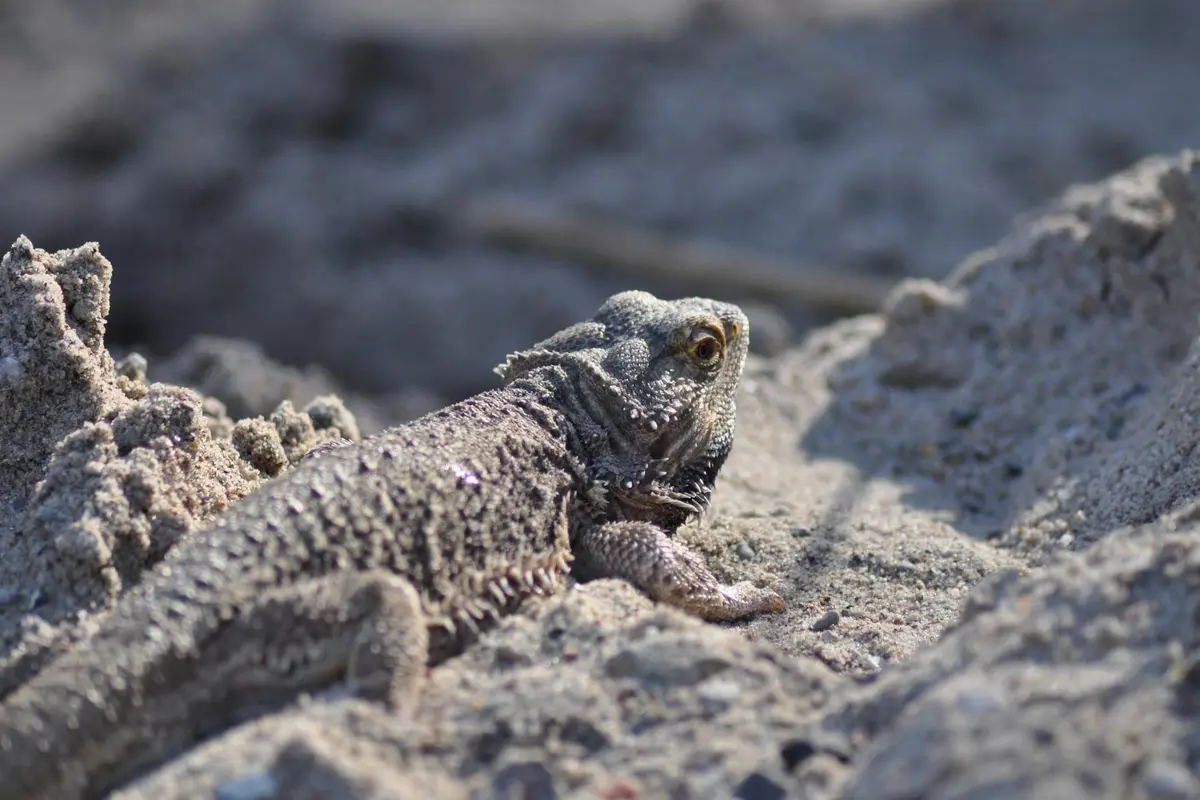
The best way to handle glass surfing is to prevent it from becoming a habit. A little daily effort creates a secure, enriching world that keeps your beardie content. I’ve found that a consistent routine makes all the difference for my dragons.
Daily and Weekly Enrichment Ideas
- Create a dynamic enclosure: Rearrange their furniture (rocks, logs, hides) every few weeks. This makes the territory feel new and interesting to explore.
- Offer supervised free-roaming time: Let them patrol a bearded dragon-proofed room under your watchful eye. This satisfies their curiosity and need for exercise.
- Introduce “puzzle” feeders: Instead of a bowl, hide some of their feeder insects in a dig box or in a rolled-up paper towel tube to stimulate their hunting instincts.
- Change up the menu: Rotate through different, safe greens and veggies. A variety of textures and tastes keeps mealtime exciting.
Building a Trusting Bond
Your relationship is key to their well-being.
- Hand-feed occasional treats: This builds positive associations with your presence. My dragons get so excited for a hand-fed blueberry!
- Practice gentle handling: Short, calm handling sessions outside the tank help them see you as a source of security, not stress.
- Talk to them: They recognize familiar voices. A calm, friendly tone when you’re near the tank can be very soothing.
The goal is to make the inside of the terrarium more appealing than the world outside the glass. A little creativity goes a long way in preventing boredom and the stress that comes with it.
Frequently Asked Questions
Why is my bearded dragon glass surfing at night?
This often occurs due to disrupted sleep cycles from lights or noise, or temperature drops making them uncomfortable. Ensure the enclosure is dark, quiet, and maintains a stable nighttime temperature around 70-75°F to promote rest.
Why is my bearded dragon glass surfing in a new enclosure?
Moving to a new habitat can cause stress as your dragon adjusts to unfamiliar sights and smells. Give them time to acclimate by minimizing disturbances and ensuring the setup meets all their habitat needs from day one. A bearded dragon relocation stress guide can help you plan a smoother transition. It highlights key steps to reduce stress during the move.
Why is my bearded dragon glass surfing and not eating?
This combination can signal health issues like parasites, impaction, or severe stress. Monitor for other symptoms and consult a veterinarian if the behavior persists beyond a day or two to rule out underlying problems.
Final Thoughts
Seeing your bearded dragon glass surf can be worrying, but remember it’s their way of communicating a need. The solution almost always starts with a thorough check of their habitat and daily routine. From my own experience, a simple tweak to the temperature gradient or adding a new log to climb has often been the simple fix that brings back a calm, happy dragon. Monitoring their activity levels is also crucial to understanding their overall well-being.
Your patience and observation are your best tools. By methodically addressing potential stressors-from enclosure size to outside reflections-you can help your pet feel secure and content again. It’s all about listening to what their behavior is telling you and providing the safe, enriching home they deserve.
Further Reading & Sources
- r/BeardedDragons on Reddit: Bearded dragon glass surfing way too much?
- How to Stop Glass Surfing in Bearded Dragons
- Why do bearded dragons glass surf
Bearded Dragon Lair is the ultimate resource for bearded dragon enthusiasts, offering expert advice and practical tips to ensure the health and happiness of your scaly companion. With years of experience in reptile care, we are dedicated to providing accurate, up-to-date information to support your bearded dragon journey.
Decoration and Enrichment