
Why Is My Bearded Dragon Scratching the Glass? (Causes and Solutions)
Published on: March 25, 2026 | Last Updated: March 25, 2026
Written By: Beardie Joe
Watching your bearded dragon repeatedly scratch at the glass can be both puzzling and a little heartbreaking. I’ve been right where you are, standing in front of the tank wondering what on earth my dragon was trying to tell me.
With several bearded dragons of my own and a background in reptile care, I can help you figure out the ‘why’ and show you exactly how to help. This article will walk you through the primary reasons for glass surfing and provide clear, effective solutions you can implement today.
What Glass Scratching Behavior Really Means
That frantic, repetitive sliding against the glass is a behavior we reptile owners call “glass surfing.” Seeing your bearded dragon glass surf can be unsettling, and it’s a surprisingly common issue in captivity. From my own experience, my first beardie, Leo, used to do this every time I cleaned the room, mistaking his own reflection for another dragon.
It’s vital to know the difference between a one-off event and a real problem. Occasional, brief scratching is usually just curiosity or a temporary reaction to a stimulus. Maybe they saw a bird outside the window or got spooked by a sudden movement.
Persistent, frantic surfing is a different story. You should be concerned if the behavior lasts for more than a few minutes, happens multiple times a day, or is accompanied by other stress signs. This isn’t just a quirky habit; it’s a clear signal that something is wrong in their world.
- Normal Scratching: Short duration (under a minute), happens infrequently, dragon appears alert but not distressed, stops easily when distracted.
- Problematic Scratching: Long, frantic sessions, occurs daily, involves black beard coloring, loss of appetite, or trying to climb the walls. This is a cry for help.
Common Causes of Glass Scratching in Bearded Dragons
Figuring out the “why” is the first step to finding a solution. The root cause is almost always tied to their environment or their health, and it’s our job to play detective. I’ve found it helpful to mentally run through this checklist whenever I notice the behavior starting.
- Stress: This is the biggest culprit. Stress can come from seeing their reflection, a new pet in the house, or an enclosure that doesn’t feel safe.
- Boredom: Bearded dragons are intelligent and can get bored in a plain, unchanging tank with nothing to explore or do.
- Enclosure Issues: Problems with the tank itself are a huge factor. This includes a habitat that’s too small, incorrect temperature gradients, or inadequate UVB lighting.
- Health Problems: Sometimes, the scratching is a direct result of physical discomfort or pain from an underlying medical condition.
Behavioral and Environmental Causes
Most of the time, the issue lies right inside the terrarium. A stressed beardie is often reacting to an environment that doesn’t meet their instinctual needs. You can learn to recognize that stress; here’s how to do that. I learned this the hard way with a tank that was too open and bare, which made my dragon feel exposed and nervous all the time.
- Reflections: Glass walls act like mirrors. Your dragon may see its own reflection as a rival or a threat, triggering a territorial or defensive response.
- Small Enclosures: An adult bearded dragon needs space. A tank that’s too small can cause immense stress and a desperate desire to escape. The minimum for an adult is a 120-gallon tank.
- Lack of Hiding Spots: Without a proper hide on both the warm and cool side, your dragon has nowhere to retreat and feel secure, leading to anxiety.
- Boredom & Lack of Enrichment: A bare tank is a boring tank. They need climbing branches, rocks of different textures, and safe toys to investigate to keep their minds active.
- Improper Heating & Lighting: An incorrect temperature gradient or a UVB bulb that is too weak or old can make them physically uncomfortable and restless. They might be scratching to find a better basking spot.
Medical and Health-Related Causes
When you’ve ruled out environmental factors, it’s time to consider their physical health. Persistent glass surfing can be one of the first visible signs that your bearded dragon is in discomfort or pain. This is where a good relationship with a reptile vet becomes invaluable. A complete health check guide can help you tell if your bearded dragon is healthy by outlining what to monitor during routine exams and daily observations. It walks you through signs to watch for, when to seek vet care, and how to document changes over time.
- Shedding Difficulties: Stuck shed, especially around the toes, tail, or face, is incredibly irritating. They may scratch at the glass in an attempt to rub the old skin off.
- Calcium Deficiency & Metabolic Bone Disease (MBD): This is a serious and painful condition. MBD weakens their bones and can cause general aches, making them restless and seek relief. Proper UVB lighting and calcium supplementation are non-negotiable for prevention.
- Poor Diet & Impaction: An unbalanced diet or feeding insects that are too large can lead to gut impaction. This causes significant internal discomfort that can manifest as frantic glass surfing.
- Substrate Discomfort: Loose substrates like sand can irritate their skin, get in their eyes, or even be accidentally ingested. They might scratch to get away from the feeling.
- Dehydration: While not as common, a dehydrated beardie may become generally uncomfortable and exhibit stressed behaviors. A warm bath often helps here.
How to Stop Your Bearded Dragon from Scratching the Glass
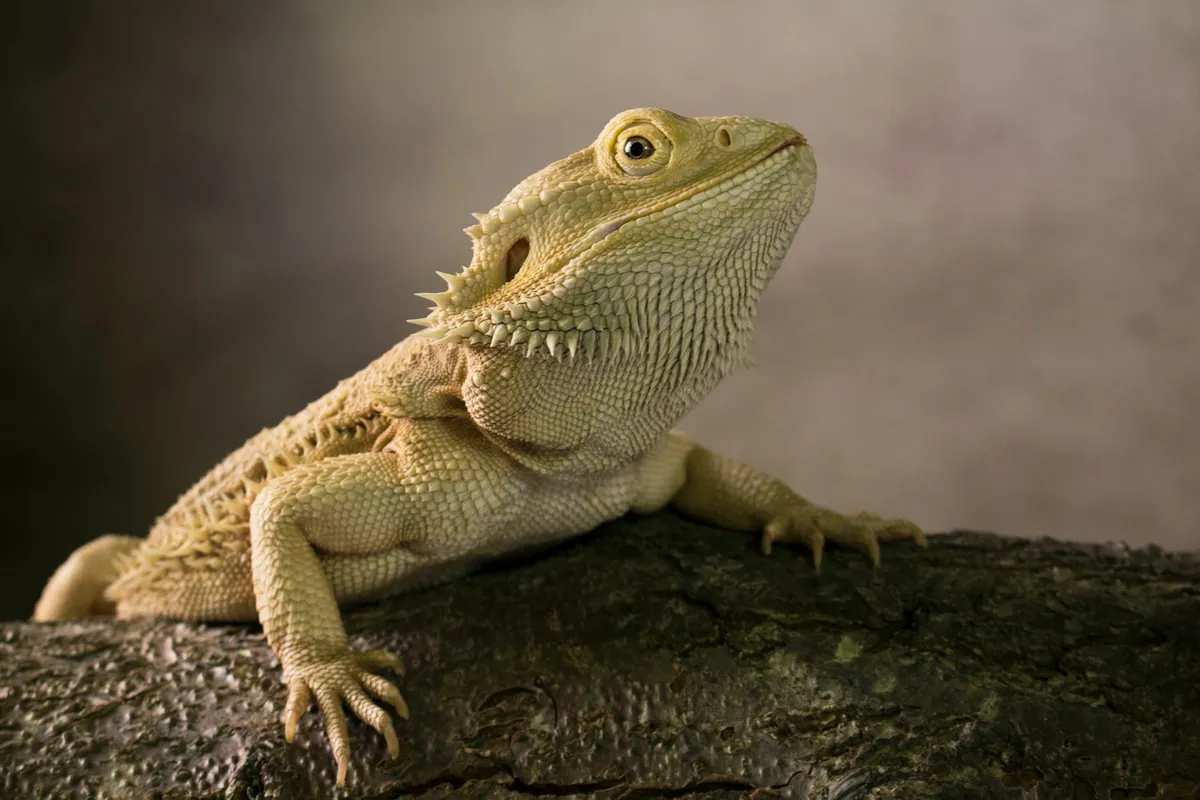
Seeing that frantic scratching can be stressful for both of you. The good news is that you can take direct action to help your dragon feel more settled. I’ve found that a combination of quick fixes and long-term upgrades usually does the trick.
Quick Fixes for Immediate Relief
When the scratching starts, try these steps right away to give your pet some instant calm.
- Apply Visual Barriers: Cover the bottom third of the glass on the sides and front with aquarium background paper, static-cling film, or even a simple piece of fabric. This blocks the reflection and the view of the “outside world” that can be so triggering.
- Rearrange Key Items: Move the water dish and food bowl away from the glass walls. I always place them more towards the center-back of the tank to stop my dragons from focusing their attention on the glass near resources.
- Offer a Temporary Distraction: Hand-feed a favorite treat like a piece of squash or a hornworm. This redirects their brain from “must escape” to “oh, food!”
- Provide Supervised Exploration: Gently take your dragon out for a short, supervised roam in a safe, enclosed space. Sometimes, they just need a change of scenery for ten minutes to reset their mood.
Long-Term Habitat Improvements
For a permanent solution, you need to look at the entire living environment. A bored or uncomfortable dragon is a scratching dragon.
- Upgrade the Enclosure Size: A 120-gallon (4x2x2 feet) tank is the modern recommended minimum for an adult. More space means more room for activities and less feeling of confinement.
- Audit Your Heating and Lighting:
- Use a digital thermometer to ensure the basking spot surface temperature is 95-110°F.
- Check that the cool side is around 80-85°F.
- Your UVB tube light should be replaced every 6-12 months, even if it still looks on, as its output degrades.
- Maximize Enrichment and Hiding:
- Provide at least two hides-one on the warm end and one on the cool end.
- Add climbing branches, rocks of various sizes, and reptile hammocks to create a more engaging, 3D world.
- Review Diet and Hydration:
- Gut-load your feeder insects with nutritious greens.
- Dust insects with a calcium supplement (without D3 for most feedings) and a multivitamin.
- Offer a fresh, water-soaked salad daily; the water on the leaves helps with hydration.
- I occasionally give my dragons a shallow, lukewarm bath, which often encourages them to drink and can have a calming effect.
When to Be Concerned: Signs You Need a Vet
While glass surfing is often a behavioral issue, it can sometimes signal a deeper health problem. Bearded dragons often like to climb, tackling vertical surfaces such as glass walls or faux trees. You know your dragon best, so trust your gut if their behavior seems off.
Schedule a vet appointment if you see scratching accompanied by any of these red flags:
- Lethargy or a dramatic lack of appetite.
- Visible weight loss or a sunken fat pads on their head.
- Swollen joints, a soft or crooked jaw, or difficulty walking-potential signs of Metabolic Bone Disease (MBD).
- Pacing that is constant and relentless, even after you’ve made habitat improvements.
- Signs of parasites, like runny, foul-smelling stool or a bloated abdomen.
To help your vet, start a simple log. Jot down when the scratching happens, for how long, and what the conditions are in the tank at that moment. Note their eating, basking, and pooping habits. This information is pure gold for a proper diagnosis.
Preventing Glass Scratching Through Better Care

Watching my own bearded dragons over the years taught me that stopping the scratch starts with smart, daily habits. Proactive care builds a content life for your dragon, making glass surfing a rare event instead of a daily frustration. It’s important to understand why they scratch in the first place.
Make Habitat Checks a Weekly Ritual
I set a reminder every Sunday to give each enclosure a full once-over. This quick check lets you spot tiny issues-like a wobbly hide or soiled substrate-before they stress your pet out.
- Look for and remove any feces or uneaten food right away.
- Test all heating and lighting equipment to confirm they’re working correctly.
- Feel around for drafts or hot spots that could make your dragon uncomfortable.
Rotate Enrichment to Beat Boredom
Bearded dragons are curious creatures who thrive on novelty. Swapping out their toys and decor every couple of weeks keeps their environment exciting and engaging. It’s important to ensure your dragons are also getting enough activity; learn how to keep them active and healthy.
- Introduce different textured items, like a new piece of driftwood or a flat stone.
- Hide treats in various areas to encourage natural foraging behavior.
- Change the layout of branches and platforms to create new climbing paths.
Create a Low-Stress Home Environment
Loud noises and constant activity near the tank can make any dragon anxious. Positioning the vivarium in a calm part of your home helps your beardie feel secure and less likely to glass surf. Additionally, you can learn how to calm a stressed beardie to further reduce their anxiety.
- Keep other pets from lingering too close to the enclosure.
- Avoid placing the tank in direct sunlight or near heating vents.
- Speak softly when you’re near their space to build trust over time.
Prioritize Temperature and Lighting Consistency
I rely on digital thermometers and timers because even small changes can trigger stress. A stable thermal gradient and reliable light cycle are non-negotiable for a bearded dragon’s physical and mental health. For nighttime care, this means maintaining a safe, gradual temperature drop and appropriate night lighting as part of comprehensive heating, lighting, and temperature management.
- Use a thermostat to prevent temperature swings in the basking area.
- Replace UVB bulbs every six months, even if they still look functional.
- Set lights on a timer for 12-14 hours of daylight to mimic a natural rhythm.
Frequently Asked Questions
Is glass scratching behavior different in juvenile bearded dragons compared to adults?
Juvenile bearded dragons may exhibit more frequent glass surfing due to higher energy and curiosity, but the root causes like stress or improper habitat conditions are consistent across age groups. If you’re wondering why my bearded dragon glass surfs, it’s often due to stress or habitat issues, and addressing those can stop it.
How can I tell if my bearded dragon’s glass scratching is due to boredom or a health issue?
If the behavior decreases with added enrichment and distractions, it’s likely boredom; persistent scratching alongside symptoms like weight loss or lethargy warrants a veterinary check-up.
Are there any safe products or toys that can specifically deter glass scratching?
Visual barriers and reptile-safe climbing branches or puzzle feeders can help, but focus on overall habitat improvements rather than relying solely on products to address the behavior.
Final Thoughts
Seeing your bearded dragon scratch the glass can be unsettling, but it’s almost always a form of communication. Your dragon isn’t being “bad”—they are trying to tell you that something in their world is out of balance. From an enclosure that feels too small to the simple desire for a little more of your attention, the root cause is usually something you can fix. Sometimes they’ll climb and hit the sleeping glass in an effort to reach a warmer or brighter resting spot. This, too, is a signal that something in their environment needs adjusting—space, temperatures, and a comfortable place to sleep.
My own dragons have taught me that a little proactive care goes a long way. By focusing on a proper habitat setup, a consistent routine, and plenty of enrichment outside the tank, you can turn that frantic scratching into a calm, contented pet. Listen to what your beardie is trying to say, and you’ll both be happier for it.
Further Reading & Sources
- r/BeardedDragons on Reddit: Bearded dragon scratching at glass
- Bearded dragon CONSTANTLY scratching at glass | Behavior
- Terrible scratching non stop | Bearded Dragon Forum
Bearded Dragon Lair is the ultimate resource for bearded dragon enthusiasts, offering expert advice and practical tips to ensure the health and happiness of your scaly companion. With years of experience in reptile care, we are dedicated to providing accurate, up-to-date information to support your bearded dragon journey.
Decoration and Enrichment